
The Chik Baraik Tribe represents one of India’s distinct indigenous communities with a rich cultural heritage that spans generations. This guide is designed for researchers, students, cultural enthusiasts, and anyone interested in understanding tribal communities in India.
The Chik Baraik people have maintained their unique identity through centuries of change, preserving traditions while adapting to modern realities. Their story offers valuable insights into how indigenous groups balance cultural preservation with contemporary challenges.
We’ll explore their fascinating origins and how they spread across different regions of India. You’ll discover their traditional social systems and the governance structures that have guided their communities for centuries. Finally, we’ll examine their distinctive cultural practices, religious beliefs, and the economic strategies that sustain their way of life today.
Origins and Historical Background of the Chik Baraik Tribe
Ancient roots and migration patterns across Eastern India
The Chik Baraik Tribe traces its origins to the ancient tribal migrations that swept across Eastern India several centuries ago. Archaeological findings suggest these communities first settled in the hilly regions of present-day Jharkhand and West Bengal, following river valleys and forest corridors that provided natural migration routes.
Early settlement patterns show the Chik Baraik people established themselves primarily along the Damodar River basin and its tributaries. Their ancestors likely moved from the central Indian plateau regions, drawn by fertile lands and abundant natural resources. The tribe’s name itself reflects their historical connection to agricultural practices, with “Baraik” traditionally associated with cultivation and land management in various Eastern Indian dialects.
Migration waves occurred in multiple phases:
- First wave: Pre-medieval settlements in forested highlands
- Second wave: Expansion into river valleys during medieval period
- Third wave: Modern dispersal due to colonial land policies
Cultural evolution through centuries of regional influences
Regional kingdoms and empires significantly shaped Chik Baraik cultural development. The Mughal administrative system introduced new governance concepts, while British colonial rule brought dramatic changes to their traditional lifestyle. Local Hindu kingdoms also influenced their religious practices and social customs.
The tribe absorbed elements from neighboring communities while maintaining core cultural identity. Bengali literary traditions influenced their oral storytelling methods, while Odishan temple architecture inspired their sacred space designs. Trade relationships with plains communities introduced new crafts and agricultural techniques.
Historical documentation and archaeological evidence
British colonial records from the 19th century provide the earliest written documentation of Chik Baraik communities. Census reports from 1872 and 1881 mention their presence in specific districts of Bengal Presidency. Administrative surveys detail their traditional occupations and settlement clusters.
Archaeological evidence includes:
- Ancient pottery fragments showing distinctive tribal designs
- Stone tools indicating forest-based livelihood patterns
- Burial sites revealing social hierarchy systems
- Rock art depicting hunting and agricultural scenes
Relationship with neighboring tribal communities
The Chik Baraik Tribe maintains complex relationships with surrounding tribal groups including Santal, Munda, and Oraon communities. Historical accounts describe both cooperative arrangements and territorial disputes over forest resources and agricultural lands.
Inter-tribal marriages created kinship networks spanning multiple communities. Shared festivals and cultural exchanges strengthened social bonds, while competition for resources sometimes led to conflicts. Traditional councils mediated disputes and established resource-sharing agreements that continue influencing modern community interactions.
Geographic Distribution and Settlement Patterns
Primary regions of habitation in Jharkhand and West Bengal
The Chik Baraik tribe calls the eastern regions of India home, with their largest populations concentrated across specific districts in Jharkhand and West Bengal. In Jharkhand, they primarily inhabit the Purulia, Bankura, and Bardhaman districts, where generations have established deep-rooted connections to the land. These areas offer the perfect blend of forest resources and agricultural potential that matches their traditional lifestyle.
West Bengal hosts significant Chik Baraik communities mainly in the western districts, particularly around Purulia and parts of Bankura. The tribal settlements here often sit at the intersection of dense Sal forests and open agricultural fields, creating a unique ecological niche that supports their diverse economic activities.
The distribution pattern shows clusters rather than scattered individual families, with most settlements positioned strategically near water sources and forest edges. This positioning allows easy access to both natural resources and agricultural opportunities that define their subsistence patterns.
Village organization and community clustering methods
Chik Baraik villages follow distinctive organizational patterns that reflect their social values and practical needs. Most settlements contain between 15 to 40 households, creating tight-knit communities where everyone knows each other and collective decision-making remains the norm.
The village layout typically features houses arranged in clusters around a central open space used for community gatherings, festivals, and important discussions. Each cluster usually houses extended family members, creating natural support networks that help during challenging times or celebrate joyous occasions together.
Traditional village governance operates through a council of elders who make decisions about land use, conflict resolution, and community welfare. This system ensures that local knowledge and customs guide village affairs while maintaining harmony among different families and groups.
Houses within these settlements are strategically positioned to maximize privacy while maintaining community connection. Common areas like wells, temples, and meeting spaces serve as focal points that strengthen social bonds and facilitate daily interactions among villagers.
Environmental adaptation strategies in diverse terrains
The Chik Baraik tribe demonstrates remarkable adaptability to varied geographical conditions across their traditional territories. In hilly terrain, they practice terraced cultivation that prevents soil erosion while maximizing agricultural output on steep slopes. These terraces, built using indigenous knowledge passed down through generations, showcase their deep understanding of land management.
In forested areas, they’ve developed sophisticated systems for sustainable resource extraction that don’t damage the ecosystem. They know which trees to harvest for construction, which plants provide medicinal value, and how to collect forest products without disrupting natural regeneration cycles.
Water management represents another area of environmental expertise. Communities build small check dams and water conservation structures using local materials like stones and clay. These structures help capture rainwater during monsoons and provide irrigation during dry periods.
Their agricultural practices adapt to soil types and rainfall patterns specific to each location. In areas with red laterite soil, they grow crops that thrive in such conditions, while in alluvial regions, they focus on rice cultivation and vegetable farming that benefits from richer soil composition.
Housing construction also reflects environmental awareness, with homes designed to handle local weather patterns. Elevated foundations protect against flooding, while specific roof designs help manage heavy monsoon rains common in their regions.
Traditional Social Structure and Governance Systems
Clan-based hierarchy and kinship networks
The Chik Baraik Tribe operates through a sophisticated clan-based system where extended families form the backbone of social organization. Each clan traces its lineage through paternal lines, creating intricate kinship networks that span multiple generations. These clans, known locally as “gotras,” serve as the primary units for marriage regulations, property inheritance, and social identity.
The hierarchy within these networks follows age-old patterns where elder family members hold respected positions. Clan elders, typically the oldest male members, command significant influence in family matters and community decisions. Women play crucial roles in maintaining kinship ties through marriage alliances between different clans, though their formal authority varies depending on their age and family status.
Marriage practices strictly follow exogamous rules, preventing unions within the same clan to maintain genetic diversity and strengthen inter-clan relationships. These matrimonial connections create extensive social networks that facilitate trade, mutual support during crises, and collaborative agricultural activities.
Role of tribal councils in decision-making processes
Tribal councils, called “panchayats,” represent the democratic heart of Chik Baraik governance. These councils consist of representatives from major clans within a village or settlement area. The councils meet regularly to address community issues ranging from land disputes to resource allocation and ceremonial planning.
Decision-making follows consensus-building approaches rather than simple majority voting. Council members engage in lengthy discussions, allowing each clan representative to voice their community’s concerns and suggestions. This process ensures that all segments of the Chik Baraik community feel heard and represented in final decisions.
The councils hold authority over various community matters including:
- Agricultural land distribution and usage rights
- Water resource management and irrigation schedules
- Conflict mediation between individuals or families
- Planning and organizing religious festivals and ceremonies
- Maintenance of community infrastructure like paths and wells
Leadership selection and authority distribution
Leadership selection among the Chik Baraik follows traditional patterns based on age, wisdom, and community respect rather than hereditary succession. Village headmen, known as “pradhans,” emerge through community consensus and demonstrated leadership capabilities.
The selection process involves multiple stages:
- Clan representatives nominate potential candidates
- Community elders evaluate nominees based on their track record
- Public discussions allow community members to voice opinions
- Final selection requires broad community agreement
Authority distribution creates checks and balances within the leadership structure. While the pradhan holds executive authority, major decisions require council approval. Religious leaders maintain separate spheres of influence over spiritual matters, while specialized roles like medicine men and traditional artisans command respect in their particular domains.
Conflict resolution mechanisms within communities
The Chik Baraik Tribe employs traditional conflict resolution methods that prioritize community harmony over punitive measures. When disputes arise, the involved parties first approach clan elders who attempt informal mediation. If this fails, the matter moves to the village council for formal hearing.
The resolution process emphasizes restoration rather than retribution. Common conflicts include:
- Land boundary disputes between families
- Marriage-related disagreements
- Resource sharing conflicts
- Personal grievances between individuals
Penalties typically involve community service, compensation payments, or ritual purification ceremonies rather than physical punishment or social ostracization. The goal remains preserving social cohesion and maintaining relationships that support community survival.
Gender roles and responsibilities in social organization
Gender roles within Chik Baraik society follow traditional patterns while allowing for practical flexibility. Men typically handle external affairs like trade, formal council participation, and heavy agricultural work. Women manage household economies, food production and storage, child-rearing, and maintain crucial social networks through marriage relationships.
Women’s influence often operates through informal channels, with senior women advising on important family decisions and younger women participating in economic activities like handicraft production and market trade. During religious ceremonies, women and men have distinct but complementary roles, with women often responsible for ritual preparations and men conducting formal ceremonies.
Age significantly impacts gender roles, with older women gaining increased respect and decision-making authority within their extended families. This creates a dynamic social structure where gender roles evolve throughout an individual’s lifetime rather than remaining static.
Cultural Practices and Religious Beliefs
Indigenous spiritual traditions and deity worship
The Chik Baraik Tribe maintains a rich tapestry of spiritual beliefs centered around nature worship and ancestral reverence. Their religious practices revolve around a pantheon of deities that govern various aspects of daily life, with special emphasis on forest spirits, water deities, and agricultural gods. The tribe recognizes Singbonga as the supreme creator deity, while Marang Buru serves as the protector of their villages and communities.
Sacred groves called sarna form the cornerstone of their spiritual landscape, where elaborate rituals and offerings take place during important occasions. These groves house ancient trees believed to be dwelling places of spirits, and tribal members regularly visit these sites to seek blessings for good harvests, health, and prosperity. The tribe also venerates ancestral spirits through elaborate ceremonies, believing that deceased family members continue to guide and protect the living.
Shamans, known as ojhas, play crucial roles as intermediaries between the spiritual and physical worlds. They conduct healing rituals, predict future events, and communicate with supernatural beings during trance-like states. These spiritual leaders maintain extensive knowledge of traditional prayers, incantations, and ritual procedures passed down through generations.
Seasonal festivals and ceremonial celebrations
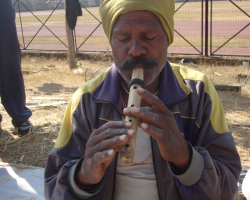
The Chik Baraik Tribe celebrates numerous festivals throughout the year that align with agricultural cycles and natural phenomena. Sarhul, the spring festival, marks the beginning of the new year and celebrates the flowering of the sal trees. During this vibrant celebration, community members gather to offer prayers for abundant harvests and perform traditional dances accompanied by indigenous musical instruments.
Karma festival holds special significance as a harvest celebration where unmarried youth participate in elaborate courtship rituals through dance and song. The festival strengthens community bonds while preserving traditional art forms and cultural practices. Participants decorate themselves with traditional ornaments and colorful clothing while performing synchronized movements that tell stories of their ancestors.
Phagua, celebrated during spring, involves the entire community in joyful festivities featuring folk songs, traditional games, and communal feasting. Young people organize group activities that promote social interaction and cultural exchange between different families within the tribe.
Hunt festivals called sendra celebrate successful hunting expeditions and honor the spirits of animals. These ceremonies include elaborate rituals to appease forest deities and ensure continued abundance of wildlife for future generations.
Traditional healing practices and medicinal knowledge
The Chik Baraik Tribe possesses extensive knowledge of herbal medicine and traditional healing practices that have been refined over centuries. Tribal healers, called gunias, specialize in treating various ailments using locally available plants, roots, and minerals. They maintain detailed understanding of medicinal properties found in forest vegetation and prepare remedies for common health problems like fever, digestive issues, skin conditions, and respiratory ailments.
Traditional healing combines physical treatment with spiritual practices, as healers believe that many illnesses result from supernatural causes or spiritual imbalances. Treatment sessions often involve chanting mantras, performing rituals, and using blessed objects alongside herbal preparations. The healing process emphasizes restoring harmony between the patient and natural forces.
Women within the tribe typically serve as midwives and specialize in reproductive health care, using traditional techniques for safe childbirth and postpartum care. They prepare special concoctions from indigenous plants to support pregnant women and newborns during critical periods.
The tribe’s medicinal knowledge includes treatments for snakebites, broken bones, and various chronic conditions. Healers pass down their expertise through oral instruction and practical training, ensuring that younger generations continue these valuable traditions.
Oral traditions and folklore preservation methods
Storytelling serves as the primary vehicle for preserving the cultural heritage and historical memory of the Chik Baraik Tribe. Elderly community members, especially grandparents, share tales during evening gatherings that teach moral values, explain natural phenomena, and preserve tribal history. These stories often feature mythical characters, brave warriors, and wise ancestors who overcame challenges through cleverness and determination.
Folk songs called jhumair and domkach carry historical narratives, love stories, and social commentary across generations. These musical traditions accompany agricultural work, festival celebrations, and ceremonial occasions, ensuring their continued relevance in daily life. The songs serve multiple purposes: entertainment, education, and cultural preservation.
Riddles and proverbs form another important category of oral literature that develops critical thinking skills while transmitting wisdom. Community elders use these verbal puzzles during informal gatherings to engage younger members and teach life lessons through interactive participation.
The tribe maintains specific protocols for knowledge transmission, with certain sacred stories and rituals shared only with initiated members or specific age groups. This selective sharing ensures that sensitive cultural information remains protected while maintaining its authenticity across generations.
Economic Activities and Livelihood Strategies
Agricultural practices and crop cultivation techniques
The Chik Baraik Tribe has developed sophisticated agricultural methods adapted to their local environment. Rice cultivation forms the backbone of their farming system, with community members employing traditional transplanting techniques passed down through generations. They practice crop rotation, alternating rice with pulses and vegetables to maintain soil fertility naturally.
Their terraced farming on hillsides demonstrates remarkable engineering skills, creating stepped fields that prevent soil erosion while maximizing water retention. During monsoon seasons, the community relies on rainfall for irrigation, but they’ve also constructed small-scale water harvesting systems using bamboo channels and earthen embankments.
The tribe grows diverse crops including maize, millet, and various indigenous vegetables. They follow lunar calendar planting schedules, believing certain moon phases enhance crop growth. Organic farming practices are standard, using cow dung, compost, and natural pest deterrents made from local plants.
Forest-based resource collection and utilization
Forest resources provide essential income and sustenance for the Chik Baraik community. Members collect non-timber forest products including medicinal herbs, wild fruits, honey, and mushrooms. These activities follow sustainable harvesting practices that ensure forest regeneration.
The tribe has extensive knowledge of forest ecology, identifying over 200 plant species with various uses. They collect tendu leaves for bidi-making industries, sal seeds for oil extraction, and mahua flowers for fermentation. Bamboo harvesting supplies material for construction and craft-making.
Seasonal collection patterns align with natural cycles. Summer brings mahua and sal seed collection, while monsoons offer mushrooms and medicinal herbs. The community maintains traditional agreements about collection areas, preventing overexploitation of resources.
Traditional crafts and artisanal skills
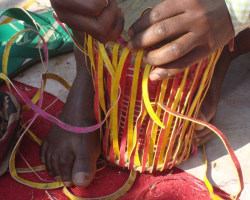
Basket weaving represents the most prominent craft skill among the Chik Baraik Tribe. Using locally sourced bamboo and cane, artisans create functional items like storage baskets, fish traps, and carrying containers. These products serve household needs and generate supplementary income through local markets.
Women excel in mat weaving using palm leaves and grass, creating floor coverings and wall panels. The craft involves intricate patterns that reflect cultural symbolism and family traditions. Each design tells stories about nature, seasons, or tribal history.
Pottery and woodcarving skills exist among specialized families. Clay pots for storing grain and cooking are shaped using traditional techniques without modern tools. Wooden implements like plows, mortars, and kitchen utensils are carved by hand, showcasing remarkable craftsmanship.
Modern employment opportunities and economic transitions
Recent decades have brought significant changes to Chik Baraik economic patterns. Younger generations increasingly seek wage employment in nearby towns and cities, working in construction, domestic services, and small businesses. This trend creates both opportunities and challenges for traditional lifestyles.
Government schemes provide employment through MGNREGA programs, offering guaranteed work days for rural households. Many community members participate in road construction, pond digging, and afforestation projects, earning steady wages while staying within their villages.
Education initiatives have opened doors to new professions. Some tribal youth now work as teachers, healthcare workers, and government clerks. However, the transition creates tension between modern aspirations and traditional values, as families balance economic needs with cultural preservation.
Microfinance programs and self-help groups enable small business ventures. Women’s groups particularly benefit, starting activities like goat rearing, vegetable cultivation for market sale, and small-scale food processing using traditional knowledge.
Language and Communication Heritage
Linguistic Characteristics and Dialect Variations
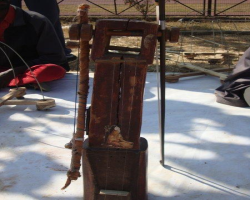
The Chik Baraik Tribe speaks a distinct dialect that belongs to the Dravidian language family, sharing linguistic roots with other tribal communities in central and eastern India. Their language incorporates unique phonetic elements that distinguish it from neighboring tribal dialects, with specific tonal variations and consonant clusters that reflect their cultural identity.
Regional variations exist within Chik Baraik communities, with subtle differences in vocabulary and pronunciation patterns depending on geographic location. Communities settled in different states often develop distinct linguistic features while maintaining core grammatical structures. The language uses a complex system of honorifics and kinship terms that reflect their traditional social hierarchy.
Grammatical structure follows typical Dravidian patterns with subject-object-verb word order, extensive use of agglutination, and rich verbal morphology. The language contains numerous words for natural phenomena, agricultural practices, and traditional crafts, reflecting their deep connection to the environment and ancestral occupations.
Oral Literature and Storytelling Traditions
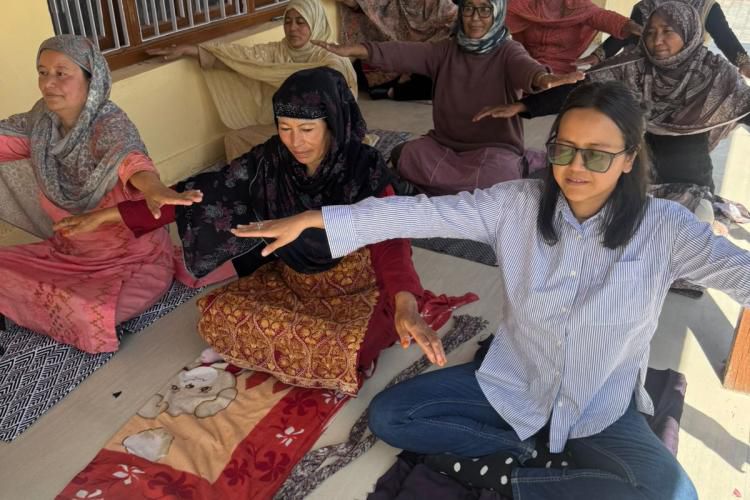
Storytelling serves as the primary vehicle for preserving Chik Baraik cultural knowledge across generations. Elder community members maintain vast repertoires of folk tales, creation myths, and historical narratives that explain their origins, moral values, and relationship with nature.
Traditional stories often feature supernatural beings, forest spirits, and ancestral heroes who overcome challenges through wisdom and courage. These narratives serve multiple purposes – entertainment, education, and cultural transmission. Children learn about proper behavior, traditional skills, and community values through carefully crafted stories told during evening gatherings.
Oral poetry includes work songs, harvest celebrations, and ritual chants performed during religious ceremonies. The community recognizes skilled storytellers as cultural guardians, and their performances during festivals and social gatherings strengthen community bonds while preserving linguistic authenticity.
Impact of Mainstream Languages on Tribal Communication
Educational policies promoting regional and national languages have significantly influenced Chik Baraik communication patterns. Younger generations increasingly use Hindi or regional languages for education and employment, while their native tongue becomes confined to household and ceremonial contexts.
Code-switching between tribal language and mainstream languages has become common, with speakers mixing vocabularies during daily conversations. This linguistic blend creates unique hybrid expressions but also threatens the purity of traditional terminology, especially words related to specific cultural practices and environmental knowledge.
Digital media exposure accelerates language shift among youth, who prefer mainstream languages for social media and entertainment consumption. However, some community leaders recognize this challenge and actively promote native language use through cultural programs and documentation efforts to preserve their linguistic heritage.
Contemporary Challenges and Development Issues
Land Rights Disputes and Displacement Concerns
The Chik Baraik Tribe faces ongoing struggles with land ownership and territorial rights, particularly as development projects expand into their ancestral territories. Mining operations, industrial developments, and infrastructure projects have created significant pressure on traditional lands where the community has lived for generations. These disputes often arise because formal land titles don’t exist for many tribal settlements, making it difficult to prove legal ownership when development companies or government agencies claim the same areas.
Displacement has become a reality for many Chik Baraik families who find themselves relocated without adequate compensation or alternative livelihood opportunities. The community’s deep connection to specific geographical areas makes forced relocation especially traumatic, as it severs ties to sacred sites, traditional farming locations, and ancestral burial grounds. Legal battles over land rights can drag on for years, leaving families in limbo while their traditional way of life gets disrupted.
Government rehabilitation programs often fall short of addressing the complex needs of displaced tribal communities, focusing primarily on monetary compensation rather than cultural preservation and community cohesion.
Educational Access and Literacy Improvement Efforts
Remote locations of Chik Baraik settlements create significant barriers to educational opportunities. Many children must travel long distances to reach the nearest school, and transportation difficulties often lead to irregular attendance or complete dropout from formal education systems. The lack of teachers who understand the local language and culture adds another layer of complexity to educational challenges.
Recent initiatives have introduced mobile schools and residential facilities closer to tribal areas, but these programs face funding constraints and staffing shortages. Adult literacy programs targeting older community members have shown promise, with local volunteers teaching basic reading and writing skills in both the native language and regional languages.
The community recognizes education as essential for engaging with modern legal systems, healthcare services, and economic opportunities while maintaining their cultural identity. However, balancing traditional knowledge systems with formal education remains an ongoing challenge.
Healthcare Availability in Remote Tribal Areas
Medical facilities serving the Chik Baraik Tribe are often located hours away from their settlements, making emergency care nearly impossible and routine healthcare extremely difficult to access. The community relies heavily on traditional healing practices and local medicinal plants, which provide some healthcare solutions but cannot address all modern health challenges.
Government health programs have established periodic medical camps and mobile clinics, but these services are inconsistent and often understaffed. Maternal healthcare poses particular risks, with many women giving birth without proper medical supervision due to distance and transportation barriers.
Preventable diseases continue to affect the community at higher rates than urban populations, largely due to limited access to vaccinations, clean water systems, and sanitation facilities. Training community members as basic healthcare providers has emerged as one practical solution to bridge the gap between traditional and modern medical approaches.
Cultural Preservation Amid Modernization Pressures
Younger generations of the Chik Baraik Tribe increasingly migrate to urban areas for education and employment opportunities, creating a knowledge gap as traditional skills, languages, and customs risk being lost. The pull of modern lifestyle and economic necessities often conflicts with maintaining traditional practices and community bonds.
Technology and media exposure introduce new cultural influences that sometimes clash with established tribal values and practices. While some aspects of modernization benefit the community, rapid changes can destabilize social structures and traditional authority systems that have guided the tribe for centuries.
Community elders work actively to document traditional stories, songs, and practices, recognizing the urgency of preserving cultural knowledge before it disappears. Youth engagement programs attempt to create pride in tribal heritage while preparing young people for success in the modern world, but achieving this balance requires ongoing effort and resources.
The Chik Baraik tribe represents a fascinating example of how indigenous communities maintain their cultural identity while navigating modern challenges. From their rich historical roots and unique social structures to their traditional governance systems and spiritual practices, this community has developed distinctive ways of life that reflect deep connections to their land and heritage. Their economic activities, language traditions, and settlement patterns tell the story of a people who have adapted to changing times while preserving what matters most to them.
Today, the Chik Baraik face the same struggles many indigenous groups encounter worldwide – balancing cultural preservation with economic development and social progress. Their story reminds us that supporting tribal communities means more than just acknowledging their existence. We need to actively listen to their voices, respect their choices about development, and find ways to help them thrive on their own terms. By learning about communities like the Chik Baraik, we gain valuable insights into different ways of organizing society and relating to the natural world.
