
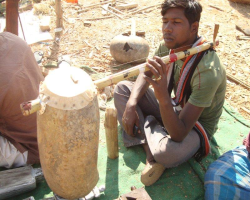
 The Kisan Tribe represents one of India’s fascinating indigenous communities, known for their rich agricultural heritage and distinct cultural identity. This guide is perfect for students, researchers, cultural enthusiasts, and anyone curious about India’s tribal diversity.The Kisan people have maintained their unique way of life across generations, blending ancient traditions with modern realities. Their story offers valuable insights into how indigenous communities navigate today’s changing world while preserving their cultural roots.We’ll explore the origins and historical background that shaped the Kisan community, diving into how their past influences their present identity. You’ll also discover their cultural traditions and social structure, including the customs, rituals, and community organization that define their daily lives. Finally, we’ll examine their traditional occupations and economic practices, revealing how the Kisan people have sustained themselves through agriculture and other livelihood strategies over centuries.
Origins and Historical Background of the Kisan Tribe
Ancient Roots and Early Settlements in Tribal Regions
The Kisan Tribe traces their ancestry back several millennia to the ancient settlements scattered across the mineral-rich regions of eastern India. Archaeological evidence suggests that early Kisan communities established themselves in areas rich with natural resources, particularly around Jharkhand, Odisha, and West Bengal. These early settlers were primarily hunter-gatherers who gradually developed sophisticated agricultural techniques adapted to the forested terrain of their homeland.The tribal settlements were strategically located near water sources and fertile valleys, allowing the Kisan people to develop a unique blend of farming and forest-based livelihoods. Ancient oral traditions passed down through generations speak of their ancestors as skilled cultivators who transformed dense forest areas into thriving agricultural communities through slash-and-burn techniques and terraced farming methods.
Migration Patterns and Geographical Distribution
The Kisan Tribe’s migration patterns reveal a complex history of movement across the Indian subcontinent. Historical records and genetic studies indicate multiple waves of migration, with the primary movement occurring between the 8th and 12th centuries CE. During this period, various Kisan groups spread from their original settlements in present-day Jharkhand to neighboring states.The geographical distribution of Kisan communities today reflects these historical migration patterns:Climate changes, resource availability, and social pressures drove these migrations. The Kisan people adapted their agricultural practices and cultural traditions to suit different geographical conditions while maintaining their core tribal identity.
Historical Interactions with Neighboring Communities
The Kisan Tribe’s history is deeply intertwined with their relationships with surrounding communities. Throughout centuries, they engaged in complex networks of trade, cultural exchange, and sometimes conflict with other tribal groups and settled populations. Their interactions with the Santhal, Munda, and Ho tribes created shared cultural practices while maintaining distinct tribal boundaries.During the medieval period, Kisan communities faced increasing pressure from expanding kingdoms and colonial powers. The British colonial administration’s forest policies significantly impacted their traditional way of life, forcing many communities to adapt their subsistence patterns. Despite these challenges, the Kisan people maintained their cultural integrity through strategic alliances and resistance movements.Trade relationships with neighboring communities were particularly significant. The Kisan people became known for their expertise in:
- Iron working and tool making
- Forest produce collection and trade
- Agricultural surplus exchange
- Craft production, especially pottery and weaving
Evolution of Tribal Identity Through Centuries
The Kisan tribal identity has evolved through continuous adaptation while preserving core cultural elements. Over centuries, external influences from Hindu traditions, Islamic culture, and later Christian missions shaped certain aspects of Kisan society without completely replacing their indigenous practices.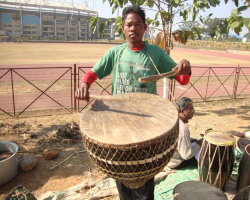 The colonial period marked a significant transformation in tribal identity formation. British administrative policies that classified and categorized tribal groups led to a more defined sense of Kisan identity. This period saw the crystallization of tribal boundaries and the formal recognition of the Kisan Tribe as a distinct community.Post-independence India brought new challenges and opportunities for identity formation. Government policies, educational access, and modernization efforts have influenced how younger generations of Kisan people view their cultural heritage. The balance between preserving traditional practices and adapting to contemporary realities continues to shape the evolution of Kisan tribal identity.Modern Kisan communities demonstrate remarkable resilience in maintaining their cultural distinctiveness while participating in broader Indian society. Their historical journey from ancient forest settlements to contemporary tribal communities reflects both continuity and change in tribal identity formation.
Cultural Traditions and Social Structure
Unique Customs and Ceremonial Practices
The Kisan Tribe celebrates numerous festivals that mark agricultural cycles and life transitions. Their harvest festival, Jawa, brings entire communities together for three days of dancing, singing, and feasting. During this celebration, tribal members perform the traditional Karma dance while adorning themselves with peacock feathers and colorful fabrics.Birth ceremonies involve burying the placenta under specific trees believed to protect newborns. The naming ceremony occurs on the seventh day, where elders consult astrological patterns and family traditions. Coming-of-age rituals for both boys and girls include forest expeditions where youth learn survival skills and tribal folklore from experienced hunters and gatherers.Death customs include elaborate funeral rites where the deceased’s belongings are either buried or distributed among family members. The community observes mourning periods lasting thirteen days, during which specific foods are avoided and regular activities cease.
Traditional Governance Systems and Leadership Roles
Village councils called Panchayats make collective decisions about land disputes, marriage arrangements, and community conflicts. The headman, known as Pradhan, typically inherits his position through patrilineal succession but can be replaced if he fails to serve the community effectively.Each village maintains a council of elders comprising five to seven respected members who advise the Pradhan on important matters. These elders possess deep knowledge of customary laws, territorial boundaries, and inter-tribal relationships. Women participate through separate councils that handle domestic disputes and organize religious ceremonies.The Kisan justice system emphasizes restoration over punishment. Offenders often compensate victims through community service, livestock payments, or public apologies during village assemblies.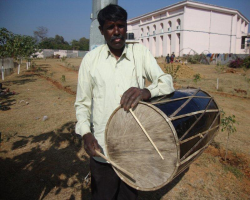
Marriage Customs and Family Structures
Kisan marriages follow strict clan exogamy rules, preventing unions within the same gotra (lineage group). Parents typically arrange marriages, though young adults increasingly voice preferences about potential partners. The bride price, paid in cattle, grain, or cash, varies based on families’ economic status and the bride’s education level.Wedding ceremonies span multiple days and include ritual exchanges between families. The bride’s family provides household items, clothing, and jewelry, while the groom’s family offers livestock and agricultural tools. Post-marriage, couples usually live with the husband’s extended family in joint household arrangements.Nuclear families are becoming more common, especially among educated tribal members working in urban areas. However, traditional joint families still dominate rural settlements, with grandparents playing active roles in childcare and decision-making.
Social Hierarchy and Community Organization
The Kisan Tribe maintains a relatively egalitarian social structure compared to mainstream Indian society. Social status depends more on age, wisdom, and contribution to community welfare rather than inherited wealth or occupation. Skilled craftspeople, healers, and storytellers enjoy special respect regardless of their economic position.Villages organize themselves around kinship networks, with related families clustering in specific neighborhoods. Each settlement designates areas for common activities like grain storage, community meetings, and religious ceremonies. Sacred groves remain off-limits except during specific rituals, reflecting the tribe’s environmental consciousness.Wealth differences exist but rarely create rigid class divisions. Successful farmers or traders often redistribute surplus resources during festivals and emergencies, maintaining social harmony and mutual support systems that have sustained Kisan communities for generations.
Traditional Occupations and Economic Practices
Agricultural methods and farming techniques
The Kisan Tribe has built their livelihood around sophisticated agricultural practices that have been refined over centuries. Their farming methods center on sustainable cultivation techniques that work in harmony with the natural environment. Rice cultivation forms the backbone of their agricultural system, with terraced fields carved into hillsides to maximize water retention and prevent soil erosion.These communities practice crop rotation with remarkable precision, alternating rice with pulses, vegetables, and oilseeds to maintain soil fertility. They rely heavily on organic farming methods, using natural fertilizers made from cattle dung, compost, and green manure. Traditional tools like the wooden plow, sickle, and hoe remain central to their farming operations, though some communities have gradually incorporated modern implements.Water management shows their deep understanding of local hydrology. The Kisan people construct intricate irrigation channels, small dams, and water harvesting structures that capture monsoon rains efficiently. Their planting cycles align perfectly with seasonal patterns, demonstrating generations of accumulated weather knowledge.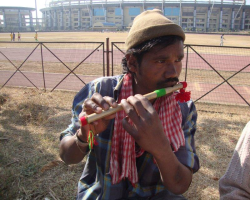
Livestock rearing and animal husbandry
Cattle, buffalo, goats, and poultry play essential roles in the economic structure of Kisan communities. Livestock provides multiple income streams through milk production, meat sales, and breeding programs. Their cattle breeds are typically well-adapted to local climate conditions and require minimal external inputs.The integration between agriculture and animal husbandry creates a self-sustaining cycle. Livestock provides organic manure for crop production, while agricultural residues serve as fodder. Goat rearing has become particularly important as it requires less investment and provides quick returns during financial emergencies.Traditional animal care practices include herbal medicines prepared from forest plants to treat common livestock diseases. Community grazing lands are managed collectively, with established rules governing access and usage rights.
Handicrafts and artisanal skills
Kisan artisans excel in various traditional crafts that supplement agricultural income. Bamboo craftsmanship stands out as a specialized skill, with community members creating baskets, fishing traps, household items, and decorative pieces. These products serve both domestic needs and commercial markets.Women often lead textile production, weaving cloth using traditional looms and natural dyes extracted from local plants. Their textiles feature distinctive patterns that reflect cultural identity and tribal heritage. Pottery making, though less common, continues in some areas where suitable clay deposits exist.Blacksmithing remains an important craft for producing agricultural tools, household implements, and ceremonial items. The knowledge passes down through family lines, maintaining technical expertise across generations.
Forest-based livelihoods and resource utilization
Forest resources provide crucial economic support for many Kisan families. Non-timber forest products like honey, medicinal plants, bamboo, and various fruits and nuts contribute significantly to household income. Sustainable harvesting practices ensure resource availability for future generations.Many community members work as forest guards or participate in forest conservation programs, earning wages while protecting their natural environment. Traditional knowledge about medicinal plants has created opportunities in the herbal medicine trade.Seasonal forest employment includes activities like resin tapping, leaf plate making, and collection of special forest products that command good market prices during specific times of the year.
Trade relationships with surrounding communities
The Kisan Tribe maintains active trade networks with neighboring communities and urban markets. Weekly rural markets serve as primary venues for selling agricultural surplus, handicrafts, and forest products while purchasing essential goods not produced locally.Barter systems still operate alongside cash transactions, particularly for bulky items like grain and fodder. Long-established relationships with traders from different communities ensure stable market access for their products.Cooperative societies have emerged in some areas, helping farmers get better prices for their produce and access to credit facilities. These organizations also facilitate bulk purchasing of inputs like seeds and fertilizers, reducing individual costs.
Religious Beliefs and Spiritual Practices
Indigenous worship systems and deities
The Kisan Tribe maintains a rich tapestry of indigenous spiritual beliefs centered around animistic traditions and ancestral worship. Their pantheon includes numerous deities who govern different aspects of daily life, agriculture, and natural phenomena. Dharti Mata, the Earth Mother, holds supreme importance as the provider of fertility and abundance. Bonga spirits inhabit trees, rocks, and water bodies, acting as protective guardians of the community.The tribe recognizes village deities called Grams who protect specific territories and households. These supernatural beings require regular offerings and rituals to maintain harmony between humans and the spiritual realm. Ancestral spirits, known as Hapramko Bonga, play crucial roles as intermediaries between the living and divine forces. The Kisan people believe these ancestors continue influencing family welfare and agricultural prosperity even after death.
Seasonal festivals and ritualistic celebrations
Agricultural cycles deeply influence the Kisan Tribe’s ceremonial calendar. Karam festival marks the peak celebration, dedicated to the Karam tree that symbolizes youth, fertility, and prosperity. During this three-day festival, unmarried girls carry branches while dancing and singing traditional songs, seeking blessings for good marriages and healthy children.Sarhul festival celebrates the blooming of sal trees, marking the beginning of the agricultural year. The community priest, known as Pahan, performs elaborate rituals offering flowers and rice beer to village deities. Jani Shikar represents the hunting festival where men demonstrate their prowess while seeking divine protection for their families.Harvest festivals like Bandna honor cattle and agricultural tools that sustain their livelihood. These celebrations strengthen community bonds through collective participation in singing, dancing, and feasting. Each festival includes specific rituals, dietary restrictions, and ceremonial preparations that connect the Kisan people to their ancestral wisdom and natural rhythms.
Sacred groves and spiritual significance of nature
Sacred groves, called Sarna or Jaher, serve as outdoor temples for the Kisan Tribe’s spiritual practices. These protected forest patches contain ancient trees believed to house powerful spirits and deities. No one can cut trees or disturb wildlife within these sacred boundaries, making them important conservation sites that preserve biodiversity.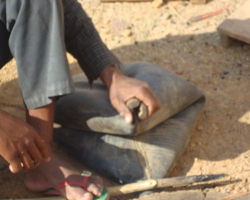 The sal tree holds special reverence as the dwelling place of village deities. Communities gather under these majestic trees for prayers, offerings, and important decisions. Certain rocks, springs, and hills also carry sacred significance, often associated with creation myths and legendary tales passed down through generations.Nature worship extends beyond specific locations to encompass the entire ecosystem. Rivers provide purification and life-sustaining water, while mountains represent strength and permanence. This deep ecological consciousness shapes the Kisan worldview, promoting sustainable relationships with their environment and natural resources.
Role of shamans and spiritual healers
Shamans and spiritual healers occupy central positions in Kisan Tribe society, serving as bridges between the physical and spiritual worlds. The Pahan acts as the village priest, conducting major ceremonies and maintaining relationships with deities. These religious leaders inherit their positions through family lineages or receive divine calling through supernatural experiences.Traditional healers called Gunin specialize in treating illnesses using herbal medicines, spiritual cleansing, and ritualistic healing methods. They diagnose ailments by communicating with spirits and determining whether diseases stem from supernatural causes or broken taboos. Their treatments combine medicinal plants with prayers, chants, and ceremonial offerings.Ojha specialists focus on removing evil influences and protecting communities from malevolent spirits. They perform exorcism rituals, create protective amulets, and guide families through crisis situations. These spiritual practitioners maintain extensive knowledge of medicinal plants, astronomical patterns, and ritual procedures essential for their healing work. Their services remain highly valued within Kisan communities, complementing modern healthcare approaches while preserving ancient wisdom traditions.
Language, Art, and Cultural Expression
Native language characteristics and oral traditions
The Kisan Tribe speaks a distinct dialect that belongs to the Austro-Asiatic language family, primarily within the Mundari group. This language serves as the backbone of their cultural identity and plays a crucial role in preserving their ancestral wisdom. The Kisan language features unique phonetic elements and grammatical structures that differ significantly from neighboring tribal languages.Oral traditions form the heart of Kisan communication, with elders serving as living libraries of knowledge. These storytellers pass down historical accounts, genealogies, and cultural practices through spoken word rather than written documentation. The language incorporates specific terminology related to their agricultural practices, seasonal cycles, and spiritual beliefs that cannot be directly translated into other languages.Traditional proverbs and riddles are woven throughout daily conversations, teaching younger generations about moral values and practical life lessons. The Kisan Tribe maintains an extensive vocabulary related to nature, weather patterns, and farming techniques, reflecting their deep connection to the land. Their oral literature includes creation myths, heroic tales, and cautionary stories that have remained largely unchanged for centuries.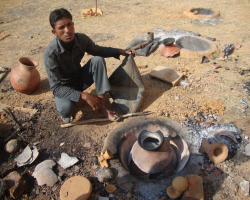
Folk music and traditional dance forms
Music and dance are inseparable elements of Kisan cultural expression, deeply embedded in their religious ceremonies, seasonal celebrations, and community gatherings. The tribe’s musical traditions showcase a rich variety of instruments, including traditional drums, flutes, and string instruments crafted from natural materials found in their surroundings.The Kisan Tribe performs several distinctive dance forms, each serving specific purposes within their cultural framework:
- Karma Dance: Performed during the harvest festival to express gratitude to nature spirits
- Jhumar: A group dance celebrating community unity and seasonal transitions
- Paika Dance: A warrior dance depicting historical battles and heroic deeds
- Chhau: Ritualistic dance-drama combining martial arts with spiritual storytelling
Their songs carry multilayered meanings, often describing agricultural activities while simultaneously invoking divine blessings. Women’s folk songs differ from men’s compositions, with female singers specializing in ceremonial chants during childbirth, marriage, and religious festivals. The musical scales used in Kisan folk music employ unique tonal patterns that create haunting melodies reflecting their connection to forest environments.Dance performances typically occur in circular formations, symbolizing the cyclical nature of life and seasons. Costumes feature natural materials like feathers, leaves, and handwoven fabrics decorated with traditional motifs representing their tribal symbols.
Storytelling and mythological narratives
Storytelling traditions among the Kisan Tribe serve multiple functions beyond entertainment, acting as educational tools, moral guides, and historical records. Master storytellers, known as specialized narrative keepers, undergo years of training to memorize complex mythological cycles and historical accounts with perfect accuracy.The Kisan creation mythology describes their origins through elaborate tales involving ancestral spirits, nature deities, and the formation of their homeland. These stories explain natural phenomena, seasonal changes, and the relationship between humans and the supernatural world. Popular narrative themes include:The storytelling sessions follow specific protocols, with certain stories reserved for particular seasons or ceremonial occasions. Sacred narratives can only be shared by designated elders during religious festivals, while everyday folktales are freely told around evening fires. These oral traditions maintain their authenticity through call-and-response techniques, where audiences participate by repeating key phrases or providing sound effects.Children learn storytelling skills by observing adults and gradually taking on smaller narrative roles during community gatherings. The most accomplished storytellers possess the ability to adapt traditional tales to contemporary situations while maintaining their core spiritual and cultural messages.
Modern Challenges and Adaptation Strategies
Impact of urbanization on traditional lifestyle
The Kisan Tribe faces mounting pressure as cities expand and modern infrastructure creeps into their ancestral lands. Traditional farming practices that sustained families for generations now compete with industrial development and urban sprawl. Many young Kisan people find themselves torn between preserving their cultural heritage and pursuing economic opportunities in nearby towns and cities.Villages that once thrived on subsistence agriculture now see their youth migrating to urban centers for work. This exodus leaves behind aging populations struggling to maintain traditional practices without younger hands to help. The shift from community-based living to individualistic urban lifestyles has weakened the tight-knit social bonds that defined Kisan society for centuries.Urban encroachment has also altered land ownership patterns. What were once communal grazing grounds and agricultural fields now face subdivision and sale to developers. The Kisan people must navigate complex legal systems to protect their land rights while adapting to new economic realities that prioritize cash crops over traditional subsistence farming.
Educational initiatives and literacy development
Education presents both opportunities and challenges for the Kisan community. Government schools in tribal areas often lack adequate infrastructure and culturally sensitive teaching materials. Many Kisan children struggle with curriculum delivered in languages other than their native tongue, creating barriers to academic success.Recent initiatives have focused on establishing residential schools and providing scholarships for Kisan students. These programs aim to improve literacy rates while preserving cultural identity. However, the balance between modern education and traditional knowledge remains delicate. Some community elders worry that formal schooling may distance young people from their roots.Mobile education units and community learning centers have shown promising results in remote Kisan settlements. These programs bring basic literacy and numeracy skills directly to villages, reducing the need for children to travel long distances for schooling. Adult education programs have also gained traction, helping older community members develop skills needed for interaction with government services and modern banking systems.
Healthcare access and medical challenges
Healthcare access remains a critical issue for the Kisan Tribe, particularly in remote settlements. Traditional healers and herbal medicine continue to play important roles, but serious medical conditions often require treatment at distant hospitals. The lack of transportation and financial resources makes accessing modern medical care extremely difficult for many families.Malnutrition affects children in several Kisan communities, stemming from food insecurity and limited dietary diversity. Government health programs have introduced supplemental nutrition schemes, but implementation faces challenges due to inadequate supply chains and limited awareness among beneficiaries.Maternal and child health services have improved through mobile health clinics and trained community health workers. These initiatives have helped reduce infant mortality rates and improved vaccination coverage. However, gaps remain in specialized medical care, mental health services, and treatment for chronic diseases that require ongoing medical attention.
Environmental pressures and climate change effects
Climate change has disrupted traditional agricultural cycles that the Kisan people have relied upon for generations. Unpredictable rainfall patterns affect crop yields, while extreme weather events like droughts and floods devastate harvests. These environmental challenges force community members to seek alternative livelihoods and adapt centuries-old farming practices.Deforestation and mining activities in traditional Kisan territories have reduced access to forest resources that provided food, medicine, and materials for daily life. Rivers and water sources face pollution from industrial activities, affecting both drinking water quality and agricultural irrigation. The loss of biodiversity threatens traditional knowledge systems that depend on diverse plant and animal species.The Kisan community has begun exploring sustainable farming techniques and water conservation methods to cope with environmental changes. Some villages have adopted organic farming practices and implemented rainwater harvesting systems. These adaptation strategies combine traditional ecological knowledge with modern conservation techniques to build resilience against climate impacts.
Government Policies and Development Programs
Constitutional Protections and Tribal Rights
The Indian Constitution provides comprehensive safeguards for the Kisan Tribe through Article 342, which recognizes them as a Scheduled Tribe in various states. This designation grants them special constitutional protections under the Fifth and Sixth Schedules, ensuring their rights to self-governance and cultural preservation. The Constitution prohibits discrimination and guarantees equal opportunities in education and employment through reservation policies.The Panchayats (Extension to Scheduled Areas) Act, 1996 (PESA) plays a crucial role in empowering Kisan communities by recognizing their traditional governance systems. This legislation ensures that Gram Sabhas have the authority to safeguard community resources, resolve disputes, and maintain social and economic practices. The Forest Rights Act of 2006 acknowledges the Kisan Tribe’s ancestral relationship with forest lands, granting them community forest rights and individual land titles where applicable.
Welfare Schemes and Financial Assistance Programs
Multiple government initiatives target the socio-economic development of the Kisan Tribe. The Tribal Sub-Plan (TSP) allocates specific funds proportionate to the tribal population, ensuring dedicated resources for their development. Key schemes include:
- Post-Matric Scholarship Scheme: Provides financial assistance for higher education, covering tuition fees, maintenance allowances, and other educational expenses
- Pradhan Mantri Adi Adarsh Gram Yojana: Focuses on improving infrastructure, connectivity, and basic amenities in tribal villages
- Skill Development Programs: Offers vocational training aligned with market demands while respecting traditional knowledge systems
- Self-Help Group Initiatives: Promotes women’s empowerment and microfinance opportunities within Kisan communities
The Ministry of Tribal Affairs implements specialized programs like the Eklavya Model Residential Schools, providing quality education while preserving tribal identity. Healthcare initiatives include mobile medical units and Ayushman Bharat coverage, addressing the unique health challenges faced by remote Kisan settlements.
Land Rights and Forest Conservation Policies
Land rights remain central to Kisan identity and livelihood security. The government has implemented various policies to protect their territorial rights while balancing conservation needs. The Forest Rights Act recognizes three categories of rights: individual forest rights, community forest rights, and community forest resource rights.Under this framework, Kisan communities can claim:The Joint Forest Management program encourages Kisan participation in forest protection activities, providing employment opportunities through afforestation and conservation projects. Revenue sharing mechanisms ensure communities benefit from sustainable forest resource utilization.Recent policy reforms focus on digitizing land records and implementing blockchain technology for transparent title verification. The Survey and Settlement operations in tribal areas prioritize recognizing customary land rights, addressing historical injustices in land documentation. Wildlife conservation policies now incorporate traditional ecological knowledge, recognizing the Kisan Tribe’s role as environmental custodians while ensuring their livelihood security through eco-development programs.
Preservation Efforts and Future Prospects
Cultural Documentation and Heritage Conservation
The Kisan Tribe’s rich cultural heritage faces urgent preservation needs as traditional practices gradually fade from memory. Community elders and cultural activists work together to document oral histories, traditional songs, and ancient stories through audio recordings and written compilations. Photography projects capture ceremonial attire, traditional crafts, and ritual performances that younger generations rarely witness today.Digital archives now store thousands of traditional recipes, medicinal plant knowledge, and seasonal agricultural practices that define Kisan identity. Local museums collaborate with tribal communities to create exhibits showcasing traditional tools, pottery, and textiles. These efforts ensure that future generations can access their ancestral knowledge even as modernization accelerates.Documentation teams focus on recording the nuances of traditional farming techniques that have sustained the Kisan people for centuries. Elder storytellers share creation myths and historical narratives while researchers carefully transcribe these precious accounts. Video documentation of traditional dances and ceremonial rituals provides visual records that written descriptions alone cannot capture.
Youth Engagement in Traditional Practices
Young Kisan community members show renewed interest in their cultural roots through organized cultural camps and mentorship programs. These initiatives pair elderly artisans with enthusiastic youth who learn traditional basket weaving, pottery making, and textile dyeing techniques. Music workshops teach traditional instruments and folk songs that carry deep spiritual significance.Educational programs in Kisan villages integrate traditional knowledge with modern curricula, helping students appreciate their heritage while preparing for contemporary careers. Youth-led cultural groups organize festivals that celebrate tribal identity and create platforms for sharing traditional arts with broader audiences. These events strengthen community bonds while generating pride in ancestral practices.Technology plays a surprising role in youth engagement, with mobile apps teaching traditional languages and online platforms connecting young Kisan people across different regions. Social media groups share traditional recipes and craft techniques, creating virtual communities that bridge geographical distances.
Sustainable Development Opportunities
Eco-tourism initiatives leverage the Kisan Tribe’s deep connection with nature and sustainable farming practices. Visitors experience traditional village life, learn organic farming techniques, and participate in seasonal agricultural activities. These programs generate income while preserving traditional ways of life.Organic farming cooperatives help Kisan farmers access premium markets for their chemical-free produce. Traditional crops like millets and indigenous vegetables fetch higher prices as urban consumers seek healthier food options. Value-added processing of traditional foods creates employment opportunities within tribal areas.Handicraft enterprises transform traditional skills into viable businesses. Women’s self-help groups produce handwoven textiles and pottery for urban markets, maintaining traditional techniques while earning steady incomes. Fair trade partnerships ensure artisans receive fair compensation for their culturally significant work.
Integration with Modern Society While Maintaining Identity
Modern education reaches Kisan communities through innovative programs that respect cultural values while providing contemporary skills. Bilingual education models preserve tribal languages alongside mainstream curricula. Professional training programs prepare young people for modern careers without requiring them to abandon their cultural identity.Healthcare integration combines traditional herbal medicine with modern medical practices, creating comprehensive wellness approaches that honor both knowledge systems. Traditional healers collaborate with trained doctors to provide culturally appropriate healthcare that communities trust and understand.Communication technology connects remote Kisan villages with government services and market opportunities while maintaining community structures. Mobile banking helps preserve traditional savings practices while enabling participation in formal financial systems. These balanced approaches allow the Kisan Tribe to benefit from modern development while preserving their unique cultural identity and traditional wisdom.The Kisan tribe stands as a testament to the rich cultural diversity that makes our world so fascinating. From their ancient origins to their vibrant traditions, this community has managed to keep their unique identity alive through centuries of change. Their deep connection to the land, reflected in their name and traditional occupations, shows how indigenous communities have always understood the importance of living in harmony with nature.Today, the Kisan people face the same challenges many tribal communities encounter – balancing their cultural heritage with the demands of modern life. While government programs and development initiatives offer new opportunities, the real success lies in supporting their own efforts to adapt while staying true to their roots. The future of the Kisan tribe depends on finding that sweet spot where tradition meets progress, and where their children can be proud of both their ancestral wisdom and their place in today’s world.
