
Thank you for reading this post, don't forget to subscribe!
Ever stopped to consider that 70% of India’s handicraft industry is powered by women who rarely get credit for their artistry? From the intricate embroidery of Gujarat to the delicate pottery of Manipur, female artisans are the backbone of a tradition spanning centuries.
But here’s the kicker – these aren’t just pretty objects. These handicrafts represent economic independence for millions of Indian women working from homes and rural workshops.
What’s fascinating is how these women have transformed ancient techniques into sustainable livelihoods, often while navigating societal restrictions. But the question remains: how have these artisans managed to keep traditions alive while pushing boundaries in an increasingly mass-produced world?
Historical Significance of Women in Indian Handicrafts
Ancient roots and traditional knowledge transfer
Women have been the backbone of Indian handicrafts since before recorded history. In homes across ancient India, mothers taught daughters the intricate art of weaving, embroidery, pottery, and basket-making through countless hours of side-by-side work. This wasn’t just craft education—it was survival knowledge and cultural preservation rolled into one.
Women as keepers of cultural heritage
Women didn’t just make beautiful things—they became living libraries of design, technique, and cultural meaning. Think about it: when a girl learned to weave a particular pattern or embroider a specific motif, she wasn’t just mastering a craft. She was inheriting stories, beliefs, and community identity.
In many Indian communities, women’s handicrafts became the physical embodiment of oral histories. Each Madhubani painting tells a story. Every Kantha stitch represents community values. The symbols in tribal textiles carry meanings only fully understood by those initiated into their significance.
Evolution of women’s roles across centuries
Women’s handicraft roles haven’t stayed static. During the Mughal period, women adapted their skills to new artistic influences, incorporating Persian motifs into traditional Indian designs. The resulting fusion created entirely new art forms like Zardozi embroidery.
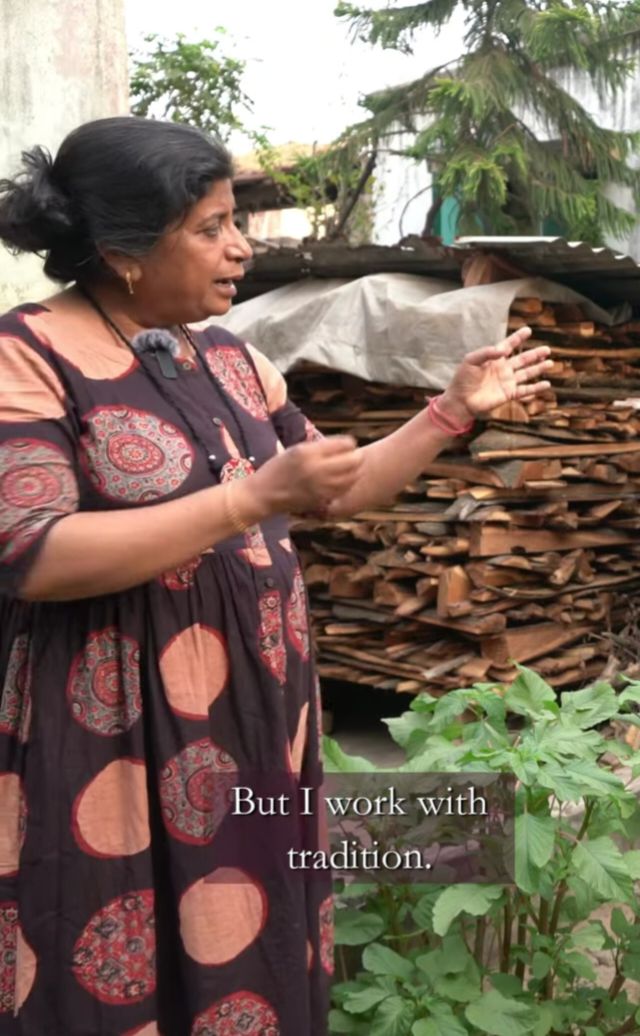
Colonial times brought dramatic changes. British textile imports devastated many local craft traditions, but women often became the most determined preservers of indigenous techniques. They kept handicrafts alive in domestic spaces when commercial production faltered.
Post-independence, women’s handicraft roles expanded beyond creation to entrepreneurship. The formation of women’s cooperatives in the 1950s and 60s marked a turning point, allowing female artisans to gain economic agency through their traditional skills.
Regional variations in women’s handicraft traditions
The diversity of women’s handicraft traditions across India is staggering. In Gujarat, women create vibrant mirror-work embroidery reflecting desert aesthetics. Kerala women specialize in coir products adapted to coastal environments. Kashmiri women craft intricate shawls suited to mountain winters.
These regional variations aren’t just about aesthetics—they represent women’s ingenious adaptations to local materials and needs. Women in Bengal developed Kantha embroidery using discarded sari scraps, creating something beautiful from necessity. Rajasthani women crafted water-storage pottery perfectly suited to desert conditions.
Women didn’t just practice handicrafts—they innovated and evolved them, ensuring their communities’ cultural and practical needs were met through generations of change.
Economic Impact and Empowerment
Income generation and financial independence
Ever seen a woman transform a simple thread into a masterpiece? That’s the magic happening in homes across India. Women artisans aren’t just creating beautiful handicrafts – they’re weaving financial independence into their lives.
For many, handicraft production brings in steady income where other opportunities are scarce. A woman in rural Rajasthan can earn 3,000-8,000 rupees monthly through traditional embroidery work. This isn’t just pocket money – it’s school fees for children, healthcare access, and freedom from dependency.
The beauty? Women can often work from home, balancing family responsibilities while earning. This flexibility has been a game-changer for millions.
Rural employment opportunities
The numbers speak volumes. India’s handicraft sector employs over 7 million women, primarily in rural areas where jobs are precious and few.
In villages across Gujarat, Madhya Pradesh, and West Bengal, handicrafts provide women with year-round work – a stark contrast to seasonal agricultural jobs. When crops aren’t growing, looms are still moving.
Traditional crafts like Madhubani painting, Chikankari embroidery, and bamboo weaving have become lifelines for entire communities. Government initiatives like NRLM (National Rural Livelihood Mission) have further boosted these opportunities by connecting artisans to markets.
Entrepreneurship and small business development
Women aren’t just workers – they’re becoming bosses.
Take Neelam from Kutch, who started with a single loom and now employs 25 women in her village. Or Lakshmi from Tamil Nadu, whose palm leaf crafts business has expanded to international exhibitions.
The shift from artisan to entrepreneur happens through:
- Self-help groups pooling resources
- Microfinance access
- Digital literacy programs teaching online selling
- Mentorship from successful women business owners
These women-led enterprises are rewriting economic rules in conservative communities.
Export contributions and global market presence
Indian handicrafts aren’t just staying home – they’re going global, with women leading the charge.
The export value of handicrafts created primarily by women reached approximately $3.5 billion in 2022. Items like handwoven textiles, embroidery, and jewelry now grace homes and fashion houses worldwide.
E-commerce platforms have blown the doors open. A woman in a remote village can now sell directly to customers in New York or Tokyo. This global visibility has also increased the perceived value of traditional skills.
Fair trade initiatives benefiting women artisans
The dark side of handicraft production has been exploitation – middlemen taking massive cuts while artisans earn pennies. Fair trade is changing this equation.
Organizations like Dastkar and Shrujan ensure women receive fair wages, safe working conditions, and recognition for their artistry. Premium prices paid for fair trade items translate to 20-30% higher incomes for women artisans.
Beyond better pay, these initiatives provide:
- Health insurance access
- Skills development workshops
- Community reinvestment programs
- Sustainable material sourcing
When a woman gets the true value of her craft, everything changes – for her family and her entire village.
Major Handicraft Sectors Dominated by Women
A. Textiles: Weaving, embroidery and printing
Ever noticed how Indian textiles burst with colors and intricate patterns? That’s women’s handiwork right there. In states like Gujarat and Rajasthan, women are the backbone of bandhani tie-dye techniques, creating those stunning dotted patterns on fabric with just their fingertips and thread.
In Kashmir, women sit for hours perfecting sozni embroidery on shawls, some so detailed they take years to complete. And those beautiful Kantha quilts from Bengal? Entirely women’s territory – they transform old saris into stunning blankets using simple running stitches.
Block printing in Sanganer and Bagru? Women are right there, carefully applying those wooden blocks to fabric. The block might get the glory, but it’s their steady hands creating perfect alignment.
B. Pottery and ceramics
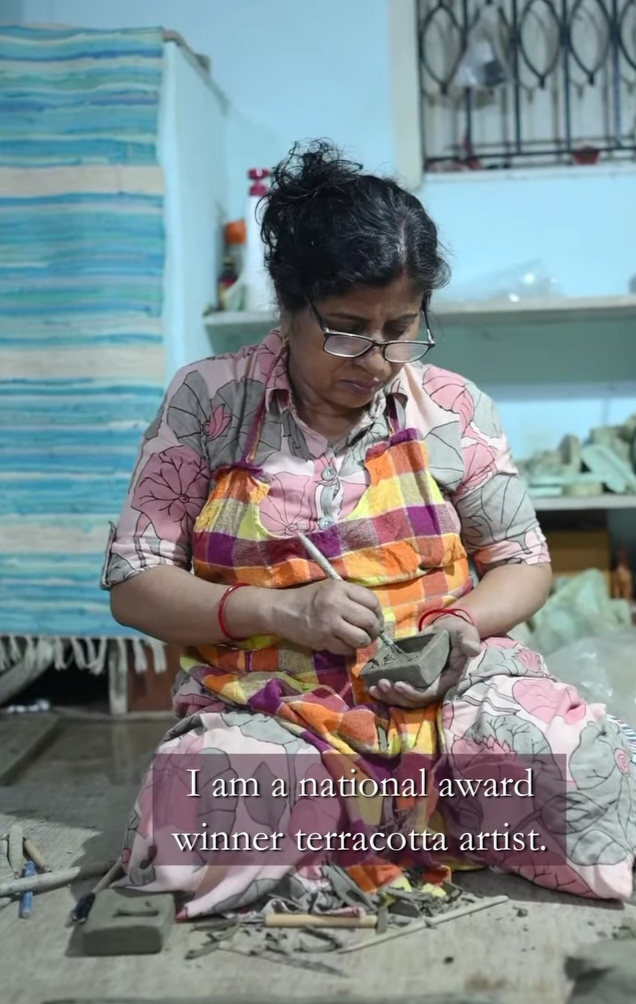
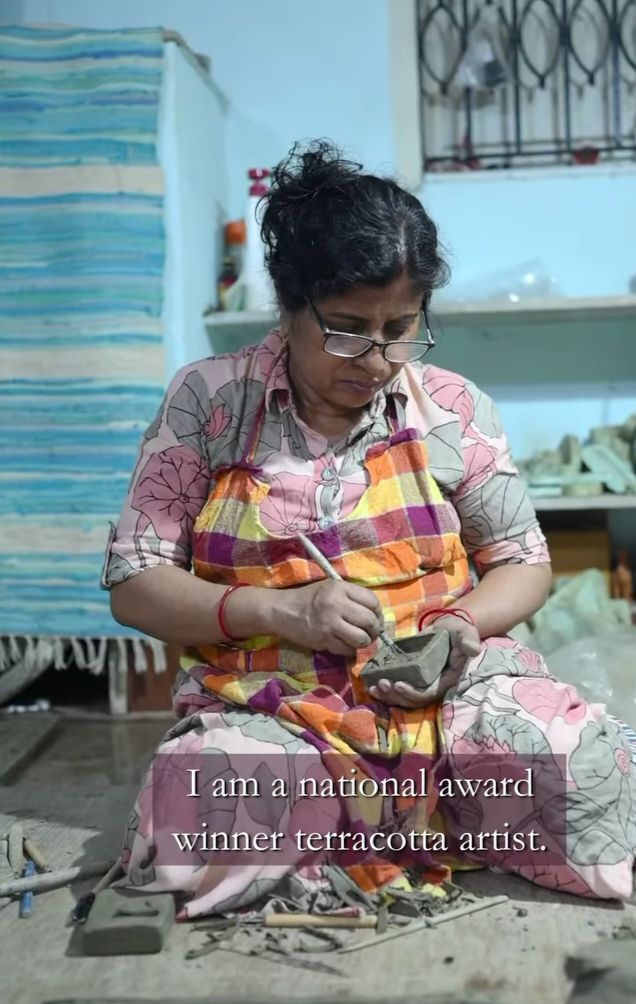
Walk into any pottery village and you’ll find women shaping clay like they were born doing it. In Khurja, women form the majority of skilled painters adding those blue patterns to ceramics. Their delicate brushwork requires patience most men admit they don’t have.
At Andretta in Himachal Pradesh, women potters aren’t just assistants – they’re masters of form and function. Their terracotta works tell stories that go back generations.
C. Basketry and fiber crafts
The cane and bamboo industry across Northeast India? That’s women’s domain. In Manipur and Assam, women weave baskets so intricate they’re practically waterproof. Using techniques passed down for centuries, they create everything from fishing traps to storage solutions.
In Kerala, women transform screwpine leaves into mats, bags, and hats that tourists snap up like hotcakes. Their fingers move with lightning speed, weaving patterns most people can’t even follow with their eyes.
D. Jewelry making and ornamental arts
The tribal jewelry of Odisha and Chhattisgarh showcases women’s innovative spirit. Working with limited tools, they transform metal, beads, and even seeds into wearable art pieces.
In Rajasthan, lac bangles get their vibrant colors from women artisans who melt, mold, and embellish each piece individually. The heat and precision required is no joke – these women work in scorching conditions to perfect their craft.
Thewa jewelry from Rajasthan? Women are behind those gold designs fused onto colored glass. They’re not just crafters but entrepreneurs who’ve taken ancient family techniques and built sustainable businesses.
Skills and Techniques Preserved by Women Artisans
Traditional methods passed through generations
The magic of Indian handicrafts lies in how they’ve survived centuries, preserved in the skilled hands of women artisans. Imagine grandmothers teaching granddaughters the precise way to hold a needle or count threads for perfect patterns.
These skills aren’t learned from books. They’re absorbed through years of watching, trying, failing, and mastering. A Madhubani artist from Bihar might spend her childhood observing her mother’s brush strokes before creating her first painting at age eight. By sixteen, she’s developed her own style while maintaining the essence of tradition.
Women in Kutch don’t just learn embroidery – they inherit a visual language. Each stitch tells a story about their community’s history, beliefs, and identity. The mirror-work technique? That’s passed down with whispered secrets about placement and spacing that no machine could replicate.
Region-specific expertise and specializations
Women artisans across India have developed deep expertise unique to their regions:
In Rajasthan, women have mastered the art of Bandhani tie-dye, creating intricate patterns through thousands of tiny knots.
Kashmiri women produce Sozni embroidery so fine that a single shawl might take years to complete.
Tamil Nadu’s female artisans create Kanjeevaram silk sarees with techniques dating back to the Chola dynasty.
The expertise varies dramatically from village to village. Women in one Gujarati community might specialize in Rabari embroidery with bold geometric patterns, while those just miles away create delicate Suf work with counted thread techniques.
Adaptation of ancient techniques for modern markets
Indian women artisans aren’t stuck in the past. They’re brilliant innovators who adapt traditional methods to contemporary needs without losing their soul.
Take the weavers of Chanderi who’ve moved from creating full sarees to designing cushion covers and table runners that appeal to urban buyers. Or the Warli painters who now apply their tribal art to coffee mugs and phone cases while maintaining authentic design principles.
Smart adaptation happens in techniques too. Women artisans have embraced natural dyes when chemical ones fell out of favor. They’ve adjusted embroidery motifs to create more minimal designs for modern homes.
What’s incredible is how they maintain the core of tradition while evolving. A Madhubani artist might paint on handmade paper instead of mud walls, but her brushes and natural pigments remain unchanged.
Challenges Faced by Women in Handicraft Sectors
Gender discrimination and unequal compensation
The handicraft industry in India has a glaring pay gap problem. Women artisans typically earn 30-50% less than their male counterparts for identical work. I’ve spoken with women across Gujarat and Rajasthan who create the same embroidery as men but receive significantly smaller payments.
This wage disparity isn’t just unfair—it’s crushing their economic potential. Many middlemen exploit these women, knowing they have limited bargaining power. One artisan from Kutch told me, “They say my work is worth less because I’m a woman, but tourists can’t tell the difference.”
Women also face exclusion from decision-making roles. While they do the intricate handwork, men often control cooperatives and set prices. The result? Women remain workers rather than leaders in their craft communities.
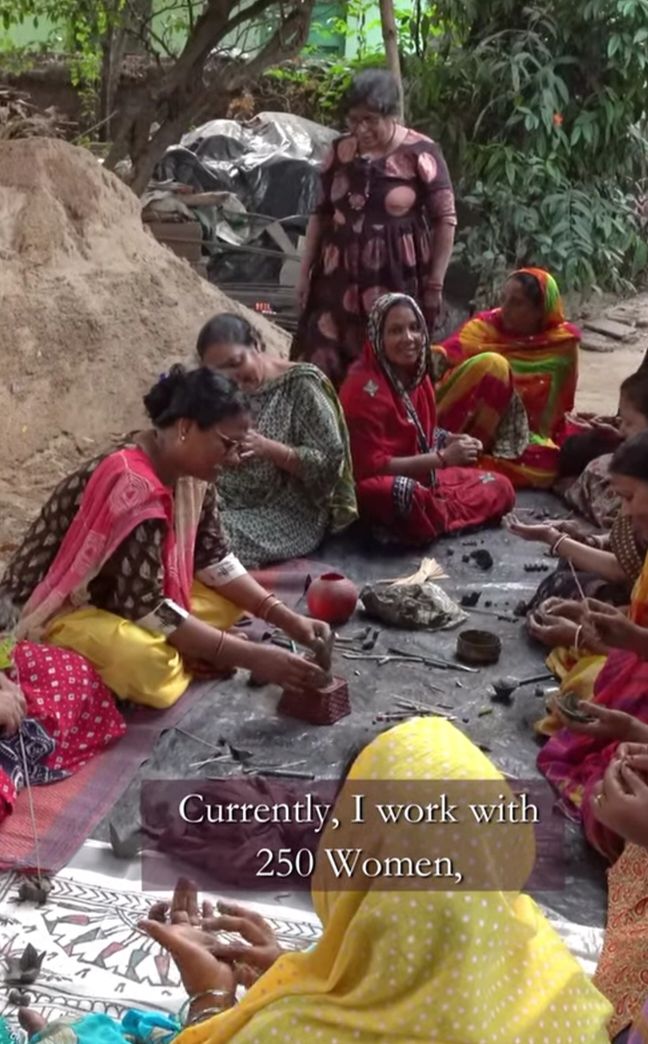
Limited access to resources and raw materials
Getting quality materials is a constant struggle for women artisans. Many live in remote villages without reliable transportation, making trips to material markets expensive and time-consuming.
Credit access? That’s another massive roadblock. Most women lack collateral for loans to purchase bulk materials at better prices. Banks often require male guarantors, and informal lenders charge exploitative interest rates.
Women weavers in particular face difficulties sourcing quality yarn and dyes. One weaver from Maheshwar explained, “When supplies are limited, male artisans get priority. We wait until they’ve chosen, then work with whatever’s left.”
Training opportunities and new technology also remain largely inaccessible to women artisans, especially in rural areas.
Marketing and distribution hurdles
The digital divide hits women artisans particularly hard. While e-commerce has revolutionized handicraft sales, many women lack basic digital literacy, reliable internet access, or smartphones to take advantage of online platforms.
Market connections are another major challenge. Male family members typically handle negotiations with buyers and represent products at exhibitions. This disconnection means women rarely build their own customer relationships or understand market preferences.
Language barriers compound these issues. Many talented women artisans speak only regional languages, making it nearly impossible to communicate directly with urban or international buyers.
When women do attend craft fairs, they face practical obstacles like unsafe accommodation options, travel restrictions imposed by families, and lack of child care support.
Balancing family responsibilities with craft production
The double burden women carry is perhaps their greatest challenge. Most women artisans work from home, constantly toggling between craft production and household duties.
One pottery artist from Madhya Pradesh described her typical day: “I wake at 4am to fetch water and prepare meals before I can touch clay. By evening, my hands are cracked from both housework and pottery.”
Cultural expectations severely limit working hours. Family obligations take precedence, forcing women to squeeze craft work into fragmented time slots—often late at night when children sleep.
Health issues frequently arise from this punishing schedule. Many women report chronic back pain, deteriorating eyesight, and stress-related conditions. Yet taking breaks means lost income they can’t afford.
Despite these crushing obstacles, women continue creating extraordinary handicrafts—a testament to their resilience and commitment to preserving cultural traditions.
Government Initiatives and Support Systems
A. Training programs and skill development schemes
India’s got some serious game when it comes to uplifting women artisans. The Ministry of Textiles runs killer programs like the Ambedkar Hastshilp Vikas Yojana that trains thousands of women in traditional craft techniques every year.
The real MVP? The National Institute of Design’s outreach programs. They’ve been bridging the gap between traditional knowledge and modern market demands. Women artisans aren’t just learning ancient techniques – they’re picking up digital marketing, product photography, and e-commerce skills too.
What’s cool is how these programs go beyond the basics. The Craft Council of India regularly conducts workshops where master craftswomen mentor newcomers. This woman-to-woman knowledge transfer keeps traditions alive while creating sustainable livelihoods.
B. Financial assistance and subsidies
The money talk is where things get interesting. The Mudra Loan Scheme has been a game-changer, offering collateral-free loans up to ₹10 lakhs specifically for women entrepreneurs in the handicraft sector.
Then there’s the Trade Related Entrepreneurship Assistance and Development (TREAD) scheme – providing grants covering up to 30% of project costs for women-led handicraft ventures.
But here’s what most people miss – the Credit Guarantee Fund Trust for Micro and Small Enterprises guarantees loans for women artisans who lack traditional credit history. That’s huge for rural women who’ve been sidelined by conventional banking systems.
C. Marketing platforms and exhibition opportunities
The Gandhi Shilp Bazaar isn’t just an exhibition – it’s a lifeline for thousands of women artisans. These government-sponsored craft fairs happen across 40+ locations annually, giving direct market access without middlemen.
Digital is where the magic’s happening lately. The Government e-Marketplace (GeM) portal now has a dedicated handicrafts section where women artisans can sell directly to government departments.
The Deendayal Hastkala Sankul in Varanasi? Absolute genius. It’s a permanent marketplace where women weavers and artisans get free stalls on rotation. No rent, no commission – just pure profit.
D. Awards and recognition programs
Nothing validates hard work like recognition. The Shilp Guru and National Awards for women in handicrafts come with cash prizes up to ₹2 lakhs, but the prestige? Priceless.
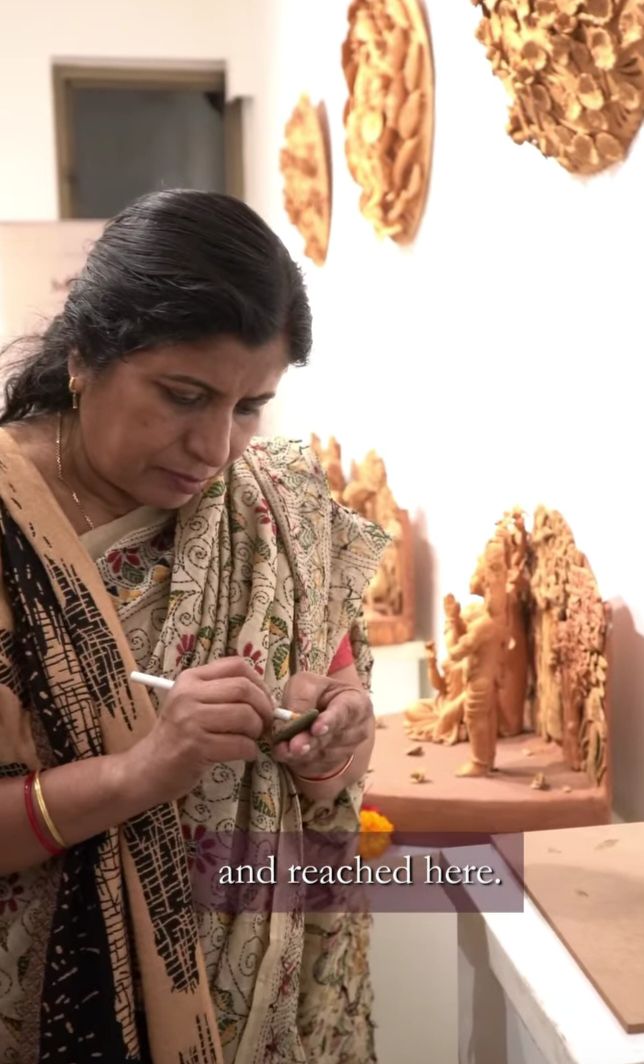
The Kamaladevi Chattopadhyay National Award specifically honors innovation in traditional crafts by women. Past winners have gone from obscurity to international recognition overnight.
These awards aren’t just trophies gathering dust. Winners get sponsored participation in international craft exhibitions, from Santa Fe to Paris. Many awardees report their incomes doubling or tripling after receiving these honors.
E. Policy frameworks supporting women artisans
The National Handicraft Development Program isn’t just policy-speak – it’s revolutionary in its gender-focused approach. The mandatory 40% participation of women in all government handicraft initiatives has transformed the sector.
Protection of traditional knowledge is finally getting its due. The Geographical Indication (GI) tags now protect women-dominated crafts like Lucknow Chikankari and Kutch embroidery, ensuring authentic creators get proper credit and compensation.
What’s truly progressive is the artisan ID card system. Women artisans with these cards get health insurance, loan subsidies, and tool kits. Over 22 lakh women now have these cards – that’s real impact at scale.
Success Stories and Case Studies
A. Notable women artisans and their achievements
Ever heard of Jyoti Bhatt? This master weaver from Gujarat transformed her village’s economic landscape by reviving the dying art of Patola silk weaving. Starting with just three looms in her backyard, she now employs over 200 women artisans and exports to 15 countries. Her designs have been showcased at the Victoria and Albert Museum in London.
Then there’s Rashmi Bharti from Uttarakhand who turned pine needles (a forest fire hazard) into stunning decorative items. What began as an experiment is now a million-dollar enterprise providing sustainable income to over 1,500 mountain women.
In Odisha, Purnamasi Jani single-handedly preserved the ancient tribal art of Dongria Kondh. Despite having no formal education, she’s trained over 300 young women and her work now commands premium prices in galleries worldwide.
B. Transformative community handicraft projects
The Lijjat Papad story? That’s women’s collective power in action. Seven women with 80 rupees built a 1,000+ crore enterprise that supports thousands of women across India. All through hand-rolled papads!
In Kashmir, the “Crewel Revival Project” breathed new life into this traditional embroidery. After decades of political unrest decimated the craft, a group of 25 women reintroduced authentic techniques, creating training centers in 12 villages and bringing economic stability to over 2,000 families.
The Lambani women of Karnataka formed the Sandur Kushala Kala Kendra, transforming their traditional tribal embroidery into contemporary products. These women now train others while preserving their cultural heritage.
C. Successful women-led handicraft cooperatives
The Self-Employed Women’s Association (SEWA) Trade Facilitation Center stands as a shining example of cooperative success. This artisan-owned company has 15,000 members across Gujarat, with annual exports worth ₹45 crores. They’ve developed innovative supply chains that connect remote craftswomen directly to international markets.
Shrujan Trust in Kutch operates with a genius model. They bring designers to villages rather than relocating artisans, ensuring women can earn while maintaining family responsibilities. Their “Design Centers for Traditional Embroideries” have documented over 50 embroidery styles at risk of disappearing.
Industree Foundation’s approach flips traditional models on their head. They’ve created producer-owned companies where artisans hold equity stakes. Their “Professional Upgrade Program” trains women not just in craft but in business management, marketing, and digital skills—creating entrepreneurs, not just workers.
Future Prospects and Innovations
Digital marketing and e-commerce opportunities
The game has changed for women artisans in India. No longer limited to local markets, they’re taking their handicrafts global through digital platforms. Platforms like Amazon Karigar, Etsy, and India-specific sites like iTokri have become virtual marketplaces where rural women can showcase centuries-old craftsmanship to international buyers.
Take Lakshmi from Rajasthan – five years ago, she sold embroidered textiles to tourists passing through her village. Today, she manages an Instagram business account with 15,000 followers and ships her products worldwide. That’s not just a nice story – it’s the new normal.
Digital literacy programs specifically targeting women artisans are popping up everywhere. Organizations like the Self-Employed Women’s Association (SEWA) train women not just in basic smartphone skills but in product photography, online customer service, and inventory management.
The numbers speak volumes:
- Women-led handicraft businesses on e-commerce platforms have grown by 60% since 2019
- Average income increase: 35-40% after going digital
- Return customer rate for online handicraft purchases: 70%
Sustainable and eco-friendly craft developments
Women artisans aren’t just preserving traditions – they’re leading the sustainability revolution in handicrafts.
The shift is dramatic. Natural dyes from flowers, fruits, and vegetables are replacing chemical alternatives. Upcycled materials are finding new life in contemporary designs. Plastic waste is being transformed into stunning jewelry pieces.
In Karnataka, a women’s cooperative has revived ancient plant-based dyeing techniques, creating textiles that are not only chemical-free but biodegradable. Their tagline? “From nature, back to nature.”
What’s fascinating is how sustainability is becoming part of the brand story. Consumers don’t just want the handicraft – they want the sustainable journey behind it. And women artisans are brilliantly documenting this journey, from raw material sourcing to final product.
Government initiatives are fueling this green revolution through specialized training programs and financial incentives for eco-friendly production methods.
Cross-cultural collaborations and global networking
The walls between cultures are tumbling down, and women artisans are building bridges in their place.
Indo-Japanese textile collaborations. Indian block printing meeting Scandinavian minimalism. Traditional Madhubani art finding expression on Italian fashion accessories. These aren’t just fascinating experiments – they’re profitable business ventures led by women entrepreneurs.
Digital platforms have made these cross-border partnerships possible, but it’s the women’s adaptive creativity that makes them successful. WhatsApp groups connecting artisans across continents. Virtual workshops where techniques are exchanged and hybrid designs are born.
Organizations like the World Craft Council are creating structured networking opportunities specifically for women artisans. The result? Knowledge exchange that enriches craft traditions rather than diluting them.
The biggest impact is psychological – women who once saw themselves as village craftspeople now identify as global creative entrepreneurs.
Modern design integration with traditional techniques
The most exciting frontier? The fusion of age-old techniques with contemporary design sensibilities.
Women artisans are reimagining traditional handicrafts for modern urban spaces. Imagine Warli tribal art on minimalist furniture. Zardozi embroidery on laptop sleeves. Dhokra metal casting transformed into statement lighting fixtures.
Design institutes are partnering directly with women artisan groups to create products that honor tradition while embracing innovation. The National Institute of Design runs collaborative workshops where designers and artisans co-create products with global appeal.
This isn’t just about aesthetics. It’s about relevance and survival. By adapting centuries-old techniques to modern preferences, women artisans are ensuring these crafts remain commercially viable.
The results are stunning – traditional crafts finding new expressions while maintaining their cultural soul. It’s not fusion for fusion’s sake. It’s thoughtful evolution guided by women who understand both the sacred nature of tradition and the practical demands of making a living.
Women artisans have been the backbone of India’s handicraft industry for centuries, preserving cultural heritage while gaining economic independence. From textiles and pottery to embroidery and weaving, their skilled hands have maintained traditions while adapting to modern markets. Despite facing significant challenges including limited market access and gender-based constraints, many women have transformed their lives through handicraft production.
The future of women in Indian handicrafts looks promising with increasing government support, digital marketplace opportunities, and growing global appreciation for authentic handmade products. As these artisans continue innovating while honoring traditional techniques, they not only strengthen India’s cultural identity but also create sustainable livelihoods for future generations. Supporting women artisans means investing in both India’s artistic heritage and its journey toward greater gender equality and economic development.
