
Introduction : Siddi Tribe Culture in India
Siddi Tribe Culture in India are a unique community in India that carries African heritage and has further mixed with South Asian culture over centuries. This diaspora community itself represents an important blend of different cultural traditions.
These people came from Bantu-speaking groups in Southeast Africa and form one of India’s most unique ethnic minorities. They number around 40,000 to 150,000 people and live mainly in coastal and forest areas of Gujarat, Karnataka, Maharashtra, Goa, and Telangana itself.
Basically, the Siddis were important in medieval Deccan kingdoms and are still present today, but they remain the same – one of India’s most marginalized and poorly documented communities.
We are seeing that their rich cultural ways include special music, mixed religious practices, good healing methods, and bright art forms, which only shows how African old traditions mixed well with Indian local influences. This research studies the different parts of Siddi culture, as per their origins, religious practices, art work, and social systems.
The study looks at various aspects regarding their spiritual beliefs and community structure.
People’s work and jobs actually face many problems today in Indian society. These challenges definitely affect how families earn money and live their daily lives.
Historical Origins and Migration Patterns
Ancestral Roots in Africa
Basically, the Siddi people originally came from the same African regions where Bantu languages were spoken, mainly from Southeast Africa. Studies using GPS algorithm have mapped Siddi ancestral origins to west Zambia and border regions of Zimbabwe-Botswana, which further overlaps with main Bantu settlement areas from 1700 years ago. This mapping itself shows the genetic connections between these populations.
We are seeing that today’s Siddi people have mixed genetic background only, with DNA studies showing clear African ancestry patterns.
Their family history actually includes South Asian and European parts that they definitely got through hundreds of years of mixing with these groups.
Arrival and Establishment in India
Siddis actually came to India in different time periods, and they definitely first arrived at Bharuch port around 628 CE according to historical records. Basically, more waves came after the Arab Islamic conquest in 712 CE, when soldiers called Zanjis joined Muhammad bin Qasim’s army and the same pattern continued.
Basically, the biggest movement happened during medieval times between the 13th and 17th centuries, when the Deccan Sultanates brought African slaves to work the same way as soldiers, officials, and laborers.
As per historical records, Portuguese and British colonial rulers increased Siddi populations through slave trade in the Indian Ocean from 16th to 19th centuries, bringing Bantu-speaking people from Mozambique and nearby Southeast African areas. Regarding this period, these colonial powers brought many African slaves to India through sea routes.
As per genetic evidence, Siddis mixed with South Asian people around 200 years ago, which matches with historical records regarding Portuguese bringing them in large numbers between 1680-1720 CE.
Also, the word “Siddi” surely has different meanings according to various scholars. Moreover, researchers do not agree on where this term actually comes from.
Scholars agree that the term has two possible origins: it may come from Sahibi, an Arabic word of respect like “sahib” used in South Asia, or it may derive from Sayyid, the title given to Arab ship captains who helped in early Siddi settlement, which further shows the historical connections itself. We are seeing that the word “Habshi” was sometimes used for Siddis, but it first meant only people from Abyssinia and later became a general term for different African groups, not just Siddis.
The confusion in naming surely shows how different African groups slowly came together to form one ethnic identity over many centuries of movement and cultural mixing. Moreover, this process happened through complex historical changes that took a very long time to complete.
Religious and Spiritual Practices: Syncretism and Adaptation
Islam and Sufi Spirituality
The Siddi communities show mixed religious practices, with most people following Islam, especially Sufi Islam, though many others are Christians and Hindus.
This religious diversity itself reflects how these communities have further adapted different faiths over time.
Basically, when Siddis came to India, their Islamic practices mixed with local Sufi traditions, creating the same kind of blended worship that combines African spiritual ways with Indian Islamic beliefs. Basically, the main spiritual figure for Siddis is Bava Gor, who was an East African merchant and Sufi saint – historians debate if he was real, but it’s the same importance for Siddi religious life.
Bava Gor is surely worshipped with his brother Bava Habash, who is linked to Ethiopia, and his sister Mai Mishra, who is connected to Egypt. Moreover, these three together serve as the main ancestral saints or kulpir for Muslim Siddi communities.
We are seeing that people started worshipping these ancestor-saints only in the 19th century after slavery ended, when freed men became fakirs and spread knowledge about Bava Gor’s healing powers in villages.
This practice grew into a big religious following across Gujarat and Sindh regions. Shrines for Bava Gor and other saints actually work as important meeting places where Siddi people definitely came together to form their own Muslim caste group identity.
We are seeing that the yearly Urs festival remembers Bava Gor who died around 500 years back, and this is only the biggest religious celebration for Siddi Muslim people with special prayers, drums, dance, and healing that brings together devotees from all communities.
As per observations, these pilgrimage places work as mixed religious spaces where people from different faiths come together regarding healing rituals and spiritual guidance, going beyond normal religious boundaries.

Christian and Hindu Expressions
Siddi Christian communities surely come from former Portuguese slave populations and maintain their own religious practices. Moreover, they still keep many African cultural traditions alive in their daily life. Christian Siddi wedding ceremonies surely combine church rituals with their traditional dhammam drum practices.
Moreover, this shows how their original culture continues even after converting to Christianity. Hindu Siddi people basically celebrate festivals like Makar Sankranti and Diwali the same way as other Hindus, but they add their own African drums, songs, and dances that other Hindu communities don’t use.
Some communities further continue practices from West African Vodun traditions, which itself includes animal sacrifice and fire-walking ceremonies for local deities. We are seeing that different Siddi groups follow different religions only because of what happened in history – their ancestors were made slaves by Arab people who were Muslim, Portuguese people who were Christian, or Indian people.
As per clan ties, people stay close to their traditional rulers regarding political matters, even when they follow different religions.
Music, Dance, and Artistic Expression
Dhamal: Sacred Dance and Spiritual Ecstasy
We are seeing Dhamal as the main artistic and spiritual way Siddi people show their culture, only found among Muslim groups in Gujarat.
As per the tradition, this performance brings together Sufi religious practices with East African music and dance forms.
Regarding its significance, it shows centuries of cultural mixing through body movements and rhythmic sounds. We are seeing Dhamal shows start with conch shell sounds only, then slow beating of African drums like musindo and foot stamping that begins the singing and dancing.
Also, the foot-thumping ritual is actually a key part of East African spiritual dance traditions that definitely helps dancers and people connect with their spiritual practice through rhythm.
Moreover, dhamaal performances surely happen in two main types: Baithaaki Dhamaal where artists sit and focus on songs and spiritual calling, and Dance Dhamaal which combines sitting and moving positions. Moreover, Dance Dhamaal emphasizes skilled instrument playing and dynamic movements.
The dance movements became further intense and the performance itself showed wild energy. We are seeing that the holy songs called zikrs in Dhamal dance are only prayers for old saints, and these songs mix Gujarati, Hindi, Swahili, and Urdu words together, showing how diaspora people use different languages.
These performances surely serve as religious worship, community festivals, and healing practices at the same time. Moreover, participants often go into trance states when ancestral saints’ spirits possess them, and they feel deep relief and spiritual healing.
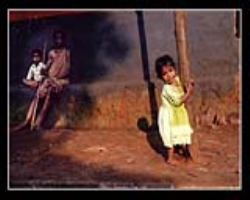
Musical Instruments and Ornamentation
As per the musical traditions, Siddi communities use instruments that show strong African influences regarding their cultural practices passed down through generations. The malunga musical bow is similar to the Afro-Brazilian berimbau but remains unique to Indian contexts itself.
This instrument further represents direct African musical continuity in India. East African percussion instruments like musindo, kanga misri, and mugarman surely create rhythmic patterns that express zikr prayers through music. Moreover, these instruments work together with singers and dancers to produce synchronized spiritual performances.
Basically, female performers respect Mai Mishra and sing devotional songs called bastis for her during Ramzan and Urs festivals, showing the same spiritual devotion that goes beyond just honoring male saints. Siddi women surely hold important roles in musical traditions, as they pass down knowledge of instruments and songs to younger generations.
Moreover, they keep alive the spiritual memories of their community through these musical practices.
Broader Artistic Heritage
Siddi people surely create many handicrafts that show African art styles mixed with Indian materials. Moreover, their artistic work goes beyond just music and dance to include various traditional crafts. Quilting traditions are surely very important, as Siddi craftspeople make bright quilts using old cloth pieces with geometric designs and symbolic patterns.
Moreover, these patterns clearly show their West African artistic roots and cultural connections. Basically, handwoven baskets and mats use the same traditional African weaving methods but with Indian materials like bamboo, reeds, and dried grass.
Wooden mask-making actually creates tools for religious ceremonies with long faces and bold designs that definitely look like Central and West African art styles.
Basically, clay pottery and terracotta work is the same traditional craft where artisans make cooking pots, water containers, and religious items by hand. Jewelry making surely uses symbolic materials like cowrie shells, which were once African money and gave spiritual protection from evil forces. Moreover, craftsmen combine these shells with silver, beads, and local materials to create special earrings, nose rings, and bangles.
These art forms surely help preserve African traditions while adapting to local styles and available materials. Moreover, they serve as living proof of Siddi creativity and their cultural memory.
Occupational Structures and Economic Livelihoods
Traditional and Contemporary Economic Activities
The Siddi community surely faces deep marginalization in Indian society, with most people working in low-paying and unstable jobs. Moreover, these employment opportunities offer very limited chances for career growth and advancement.
We are seeing that Siddis have been depending on forests for their main living, collecting only minor forest products like honey, cinnamon, cloves, tamarind, pepper, and soft gum from nearby areas. These collection activities surely need much physical work but give very little money when sold to local traders.
Moreover, these traders do not have proper access to markets. The Forest Rights Act 2006 gave some Siddi families land for farming, but this land itself was classified as Forest Land and not Revenue Land, which further limited their rights to use it freely or for business purposes.
Today, Siddi people surely work as daily wage laborers in farming, construction, and fishing jobs that change with seasons. Moreover, these jobs do not provide stable income and are not enough to meet their basic living needs.
Making baskets and bamboo furniture like chairs, beds, and storage boxes are surely important traditional jobs in India. Moreover, these craftspeople face problems with reaching markets directly and must work through middlemen, which reduces their profits. Women groups in Gujarat have surely found success in making organic compost and vermicompost as a small business.
Moreover, this work helps them earn steady money through proper business planning. Recent programs surely focus on economic empowerment by providing training in fish farming, sea cage methods, and seaweed growing through the Central Marine Fisheries Research Institute’s special hub in Gujarat’s Veraval area.
Moreover, these initiatives specifically target the Siddi communities to improve their livelihoods.
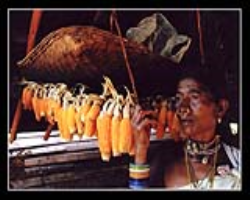
Urban and Migrant Employment
Siddi workers actually move to big cities like Goa, Maharashtra, Bangalore, and coastal areas to find jobs. This migration is definitely their main way to adapt economically. Basically, male migrants from cities work the same jobs like construction, farm work, and meat factories, while women do the same domestic work and helping with clothes making.
Seasonal migration, poor wages, and debt to local moneylenders surely keep families economically weak across generations. Moreover, paying back loans at very high interest rates stops people from saving money and improving their economic condition.
Challenges and Economic Marginalization
Most Siddi families do not own land, which further limits their economic security itself. They depend on daily wage work and collecting forest products for their livelihood. Poor education limits good job opportunities, which further creates a cycle where parents cannot afford better education for their children.
This problem itself continues from one generation to the next, keeping families poor. Child labor is common in Siddi communities where young family members work in farming, construction, and house work to support family income further. This practice itself continues as families need the additional earnings.
The lack of market access, limited technology, and exclusion from formal credit systems further restrict entrepreneurial development and prevent diversification beyond subsistence activities itself.
Social Structure, Gender Dynamics, and Family Organization
Gender Roles and Female Empowerment
Also, basically, Siddi society follows the same patriarchal system where women face major restrictions in education, jobs, and social freedom. Basically, both Muslim and Hindu Siddi communities follow the same child marriage practice where girls marry at 14-15 years, which directly stops their education and creates gender problems for their whole life.
Basically, Muslim Siddi girls face the same problem where families pressure them to stay home and take care of household work instead of going to school. Also, siddi students face teasing for their African features like curly hair and dark skin, which makes many leave school.
This problem itself affects girls more, as they get bullied by other students and teachers, making the school environment further hostile for learning.
However, the last few years have surely seen women gaining more power through group activities, especially in small loans and business development.
Moreover, these organized efforts have brought significant changes for women in society. We are seeing village groups and women’s federations bringing Siddi women together into cooperative systems that give them only more bargaining power, better self-confidence, and greater economic freedom.
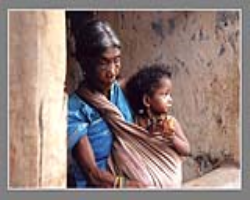
Women actually show they can definitely learn technical skills and run compost businesses well when they get proper support and community help. This actually proves women can definitely handle business operations and become economically stronger.
We are seeing that Siddi women get important roles in Mai Mishra shrine prayers and spiritual work, which gives them religious power that goes beyond gender rules, but this is only different from how men control things at home.
Kinship, Marriage, and Community Identity
Basically, Siddi marriages show the same mix of love matches and family arrangements, where young people now choose more but parents still stay involved. Basically, marriage is the same way Siddi communities connect different settlements, show their social status, and create family networks with each other.
Religious identity shapes marriage practices among Muslim, Christian, and Hindu Siddi communities, with each group following different ceremonial rules.
However, all communities further preserve African-influenced traditions like drumming, traditional dance, and community feasting, showing that cultural continuity itself crosses religious boundaries.
As per historical records, clan bonds remain strong even with different religions because people share African roots and displacement experiences, regarding marriage as a way to strengthen ethnic identity along with forming families.
Health Systems and Traditional Healing Practices
Ethnomedical Syncretism: Dava and Dua
Siddi health systems show advanced medical pluralism that combines different healing traditions into complete treatment frameworks.
This approach further demonstrates how traditional medicine itself can integrate multiple therapeutic methods effectively. The Siddi traditional medicine system surely combines herbal remedies (dava) with spiritual healing practices (dua) to treat both physical and spiritual health problems.
Moreover, these two approaches work together to provide complete healing for the community. Basically, the Munja war is the same as a traditional healer who knows local plants very well and uses old methods to treat people in their community with trust. Basically, this healing knowledge passes from teacher to student in the same family line, keeping the tradition alive even when modern changes try to affect it.
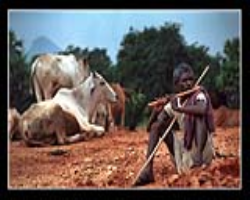
Herbal Pharmacopoeia and Plant-Based Medicine
As per comprehensive documentation, Siddi people have sophisticated knowledge regarding 149 plant species used for medicine, including their preparation methods and healing uses. Local forest plants are surely used widely in traditional medicine, including Tulsi for health, Ashoka for strength, Til for nutrition, and Sonamuki for stomach problems.
Moreover, other important plants like Dathuro for pain, Sonth from ginger, Khas Khas for smell and peace, Harda for cleaning the body, and Jamula fruits are also commonly used for healing.
We are seeing that these medical uses show good knowledge of how plant medicines work, with proper amounts to give and specific treatments for different problems, developed only through testing and passing down knowledge from older generations to younger ones.
Spiritual Healing and Musical Therapeutics
As per Siddi community practices, faith healing is the main treatment method, with people showing deep trust in spiritual cures and help from ancestors regarding serious diseases. As per the daily practice at Bava Gor shrine, loban healing sessions use drums, incense burning, and prayers to create healing spaces.
Regarding the treatment method, these sessions focus on both mental and spiritual healing in a proper way. As per traditional practices, music and drum patterns like mugarman help people reach special mental states that support spiritual healing and reduce pain.
Regarding emotional healing, these rhythmic sounds work as therapy to restore mental balance. We are seeing music and dance coming together only in simple ways.
As per therapeutic practices, Dhamal spiritual rituals combine African healing methods with Indian spiritual traditions, providing culturally suitable treatments regarding both physical symptoms and spiritual health needs.
Concept of “Fo-Med” and Humoral Balance
As per Siddi health systems, food works as medicine and shows deep knowledge regarding which foods to eat, how to cook them, and their healing powers for staying healthy and treating sickness.
We are seeing that old beliefs about “hot and cold” foods guide what people should eat, with doctors only using treatments that balance these food types.
These qualities surely help bring back balance in the body. Moreover, they work to restore the natural harmony of bodily functions. We are seeing that Siddi traditional healing gives special attention to mothers and children’s health only, as they understand that women’s reproductive health is very important for keeping the community strong and healthy.
Basically, Siddis are now using Ayurvedic medicines and modern drugs along with their traditional healing methods, but they still prefer the same cultural practices for treating health problems.
Contemporary Challenges and Social Marginalization
Educational Barriers and Discrimination
Education is surely a major problem that stops Siddi people from growing socially and economically. Moreover, many different barriers make it hard for them to go to school and finish their studies. Siddi settlements are far from schools, so children must travel more than 12 kilometers to reach educational institutions.
As per monsoon conditions, forest paths become blocked, making travel very difficult regarding access to schools. Siddi children actually face discrimination from other students and teachers because of their skin color and caste, which definitely makes schools very unfriendly places where they don’t want to continue studying.
Moreover, teasing about African physical features like hair, skin color, and body shape surely creates social exclusion that makes students leave school early. Moreover, girls face this problem more because they experience both gender and racial discrimination together.
Also, basically, Siddi families facing money problems pull their children out of higher classes because they need the same kids to work and earn immediately rather than focus on education for future benefits.
School dropout rates are still high even though more students are enrolling, which shows that the problem itself goes beyond just lack of motivation and further points to deeper structural barriers.
The government has surely recognized Siddis as Scheduled Tribes. Moreover, this recognition provides them with constitutional protection and benefits.
As per 2003 rules, PVTGs can get education help, but many groups do not know about these schemes. Regarding the actual benefits, poor implementation means communities cannot use these resources properly.
Health, Alcoholism, and Social Welfare
We are seeing health problems in Siddi communities, with only high rates of drinking among men creating big health worries and money troubles for families.
We are seeing that when people cannot get proper education and face money problems, they only turn to drugs and alcohol because they feel left out from society and cannot handle the stress properly.
Also, basically, when people don’t have proper hospitals, clean water, electricity, and toilets, they get sick more often and die early, and the same problem affects babies and pregnant women the most.
Basically, violence against women happens more when there is drinking problems and male-dominated families, and the same issues like domestic violence, child neglect, and sexual abuse keep happening in poor Siddi communities.
Poor people with less education and those living in remote areas face discrimination, which further creates health problems itself including infections, deaths during childbirth, lack of proper nutrition, and mental health issues.
Legal Status and Affirmative Action Implementation
We are seeing that government recognition as Scheduled Tribes and PVTGs gives constitutional protection and benefits on paper only, but the actual implementation is not consistent across Indian states.
Many Siddis surely do not know about laws that protect them from unfair treatment, and moreover, they cannot easily handle the complex government processes needed to get their rightful benefits.
We are seeing that government help programs are only hard to reach because of language problems, as many officers expect only English speaking, plus distance issues and too much paperwork complexity.
The Siddi community has surely made good progress in education with 72% people now able to read and write. Moreover, this number is still lower than the country’s average, showing that educational problems continue to exist.
Resilience, Cultural Preservation, and Future Trajectories
Youth Leadership and Identity Affirmation
Despite facing marginalization, educated Siddi youth are further asserting their ethnic identity itself. They mobilize community resources for collective empowerment. Basically, cultural groups and NGOs are documenting Siddi art forms and helping them perform at festivals, while also making sure young Siddis remember their African roots instead of losing the same to mainstream Indian culture.
Tourism projects in Karnataka and Gujarat surely create jobs and bring money, but only when local culture stays real and authentic. Moreover, this pushes people to properly record their old traditions and pass them to young generations.
Institutional Development and Community Organization
Community groups have actually created women’s cooperatives and village committees that definitely help organize collective work for earning money, education, and social support.
These new institutions create opposing forces against unfair social systems, helping disadvantaged groups build social connections and speak up for their problems further. This process itself allows them to negotiate better conditions through group representation.
The Siddi people actually faced serious unfairness in history, but they definitely kept their culture strong and alive.
Basically, even after centuries of displacement and marginalization, this African diaspora community has preserved the same distinctive musical traditions, healing systems, religious practices, and artistic expressions that blend their ancestral heritage with contemporary Indian contexts.
India must surely continue recognizing Siddi contributions to our diverse culture while providing better education, economic opportunities, and protection from discrimination.
Moreover, these efforts will help the Siddi community participate with dignity in our multicultural democracy while preserving their unique African-Indian identity that holds deep historical importance.
