
The Jaintia Tribe stands as one of Northeast India’s most fascinating indigenous communities, known for their matrilineal society and rich cultural heritage. This comprehensive guide is perfect for students, researchers, cultural enthusiasts, and anyone curious about India’s diverse tribal communities.
The Jaintia people have preserved their unique way of life for centuries in the hills of Meghalaya. Their society operates quite differently from mainstream Indian culture, with women holding central roles in family lineage and property inheritance. From their ancient clan systems to their vibrant festivals, the Jaintia community offers insights into how traditional societies adapt while keeping their core values intact.
We’ll dive deep into their fascinating social structure and matrilineal traditions that shape daily life. You’ll also discover their spiritual beliefs and sacred practices that connect them to nature and their ancestors. Finally, we’ll look at how the Jaintia people balance preserving their cultural identity with the pressures and opportunities of modern life.
Discover the Rich Heritage and Origins of the Jaintia People
Trace Ancient Roots and Migration Patterns
The Jaintia people belong to one of the oldest tribal communities in Meghalaya, with roots stretching back thousands of years. According to oral traditions and historical evidence, the Jaintia Tribe originally migrated from Southeast Asia, particularly from areas that are now Myanmar and Cambodia. This migration happened in waves over several centuries, with different groups settling in the Jaintia Hills region at various times.
Archaeological findings in the region support these migration stories, revealing stone tools and pottery fragments that show connections to ancient Southeast Asian cultures. The Jaintia people share linguistic and cultural similarities with other Mon-Khmer speaking groups, which strengthens the theory of their Southeast Asian origins.
The migration patterns weren’t random – the Jaintia ancestors followed river valleys and mountain passes, eventually establishing settlements in the fertile Jaintia Hills. They chose this region because of its abundant water sources, mineral deposits, and strategic location for trade routes. Over time, these early settlers adapted to the local environment while maintaining their distinct cultural identity.

Understand Traditional Clan Structure and Lineage
The Jaintia social system revolves around a matrilineal structure where lineage passes through the mother’s side. This unique system creates a fascinating network of clans called “kur” that form the backbone of Jaintia society. Each kur traces its ancestry back to a common female ancestor, creating strong bonds between clan members.
Women hold significant power in this system, particularly the eldest woman in each household who makes important family decisions. Property, including land and ancestral homes, passes from mother to daughter, ensuring that clan wealth stays within the matrilineal line. The youngest daughter typically inherits the ancestral home and takes responsibility for caring for aging parents.
Men, while respected, move to their wives’ homes after marriage and become part of their wives’ clans. Children automatically belong to their mother’s clan, regardless of their father’s background. This system has helped preserve Jaintia culture and traditions for generations, as women become the primary keepers of cultural knowledge and practices.
The clan system also governs marriage rules – people cannot marry within their own kur or closely related clans. This prevents inbreeding and strengthens social bonds between different clans through marriage alliances.
Explore Sacred Creation Myths and Legends
Jaintia mythology tells captivating stories about the world’s creation and their people’s special connection to the divine. The most important creation myth speaks of U Blei, the supreme creator who shaped the earth, sky, and all living beings. According to this legend, U Blei first created the earth as a flat surface, then raised mountains and carved valleys to give it shape and beauty.
The sacred Golden Bridge story holds special meaning for the Jaintia people. Long ago, this golden bridge connected earth to heaven, allowing divine beings and humans to freely travel between both worlds. Humans could visit the gods and receive blessings, while celestial beings walked among mortals. However, human greed and disobedience eventually led to the bridge’s destruction, separating the earthly and divine realms forever.
Another powerful legend tells of Ka Lei Syiem, a divine princess who came down from heaven to establish the first Jaintia kingdom. She brought divine knowledge, including laws, customs, and sacred rituals that still guide Jaintia society today. Her descendants became the royal lineage, ruling the kingdom with wisdom passed down from heaven.
These myths aren’t just stories – they provide moral guidance and explain the Jaintia people’s relationship with nature, their social structure, and their spiritual beliefs. They’re passed down through generations during festivals and ceremonies, keeping ancient wisdom alive in modern times.

Learn About Historical Kingdoms and Rulers
The Jaintia kingdom reached its peak during the medieval period, becoming one of the most powerful states in northeastern India. The kingdom’s capital at Jaintiapur (now in Bangladesh) served as a major center for trade, culture, and political power. Jaintia rulers controlled vast territories that included parts of present-day Meghalaya, Assam, and Bangladesh.
King Ram Singh stands out as one of the most notable Jaintia rulers, reigning during the 18th century. Under his leadership, the kingdom expanded its territory and strengthened its military forces. He built impressive temples and promoted arts and crafts, making his reign a golden period in Jaintia history. His court attracted scholars, artists, and traders from across the region.
The Jaintia kings maintained complex relationships with neighboring kingdoms, sometimes forming alliances and other times engaging in warfare. They particularly had ongoing conflicts with the Ahom kingdom of Assam over control of trade routes and border territories. These political struggles shaped Jaintia military traditions and diplomatic practices.
British colonial expansion eventually led to the kingdom’s downfall. The last independent Jaintia king, Rajendra Singh, fought against British annexation in the mid-19th century. Despite his resistance efforts, the British succeeded in incorporating the kingdom into their colonial administration in 1835. This marked the end of independent Jaintia rule, though the royal family continued to hold ceremonial importance in Jaintia society.
The legacy of these historical kingdoms continues to influence Jaintia culture today. Traditional festivals still honor ancient kings, and many customs originated in the royal courts. Archaeological sites throughout the Jaintia Hills preserve remnants of this glorious past, including ancient temples, palace ruins, and inscriptions that tell the story of a once-mighty kingdom.
Experience Unique Cultural Traditions and Social Practices
Witness Vibrant Festival Celebrations Throughout the Year
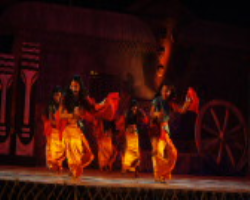
The Jaintia tribe celebrates life through magnificent festivals that paint the hills of Meghalaya in vibrant colors and joyous sounds. Behdienkhlam stands as their most spectacular celebration, typically held in July after the sowing season. During this week-long festival, young men dance with incredible energy while carrying tall bamboo structures called ‘khnong,’ creating a rhythmic spectacle that echoes through the valleys. The festival serves a deeper purpose – driving away evil spirits and ensuring good harvests.
Laho Dance marks another significant celebration where communities gather to honor their ancestors and seek blessings for prosperity. Women dress in traditional attire called ‘jainsem’ while men wear ‘jymphong,’ creating a stunning visual display of cultural pride. The Ka Pomblang festival celebrates the harvest season with elaborate feasts, folk songs, and traditional games that strengthen community bonds.
Music and dance form the heartbeat of these celebrations. The traditional instruments – drums, flutes, and cymbals – create melodies that have been passed down through countless generations. Each festival tells stories of their rich history, agricultural cycles, and spiritual beliefs, making these events living museums of Jaintia culture.

Understand Matrilineal Society and Women’s Leadership Roles
The Jaintia society operates on a fascinating matrilineal system where women hold the family lineage and property rights. Children take their mother’s clan name, and the youngest daughter typically inherits the family home and ancestral property. This system, called ‘ka khadduh,’ gives women significant authority in family decisions and economic matters.
Women serve as the backbone of Jaintia social structure, managing household finances, making important family decisions, and preserving cultural traditions. The ‘ka khun’ (maternal uncle) plays a crucial advisory role, but the ‘ka ipa’ (mother) remains the central figure in family governance. Female elders command deep respect and their wisdom guides major life decisions.
In traditional governance, women participate actively in village councils and dispute resolution. The ‘ka syiem sad’ (queen mother) historically held significant political power, advising male rulers and sometimes ruling directly. Even today, women’s voices carry substantial weight in community meetings and cultural preservation efforts.
Property inheritance follows the female line, ensuring economic security for women and their children. This system has created a society where domestic violence rates remain relatively low and women enjoy economic independence uncommon in many other communities.
Explore Traditional Marriage Customs and Ceremonies
Jaintia marriage customs blend romance with elaborate ceremonies that can last several days. The process begins with ‘ka pyrthei’ (courtship), where young people meet during festivals and community gatherings. Unlike arranged marriages common elsewhere, Jaintia youth enjoy considerable freedom in choosing their life partners.
The engagement ceremony, called ‘ka thoh prah,’ involves families exchanging betel nuts and traditional gifts. The groom’s family formally requests the bride’s hand through respected elders who present their proposal with ceremonial offerings. Once accepted, both families begin extensive preparations for the wedding festivities.
Wedding ceremonies feature multiple rituals spread across several days. The ‘ka shad suk mynsiem’ (dance of joy) sees relatives and friends perform traditional dances while the bride and groom wear exquisite handwoven garments. The bride’s attire includes intricate silver jewelry passed down through generations, while the groom wears traditional white robes.
The most significant moment occurs during ‘ka iarngiem,’ where the couple exchanges vows before the sacred monoliths and the community. Elders bless the union while invoking ancestral spirits to protect the new family. Post-wedding celebrations include communal feasts where traditional delicacies like ‘jadoh’ (rice cooked with pork) and ‘dohneiiong’ (pork curry with sesame) are shared among guests.

Discover Community Governance and Decision-Making Systems
Traditional Jaintia governance operates through the ‘ka durbar’ system, where community elders meet to discuss and resolve local issues. These assemblies function as democratic institutions where every adult member can voice their opinions and concerns. The ‘syiem’ (chief) presides over these meetings, but decisions emerge through collective consensus rather than autocratic rule.
Village-level governance involves the ‘ka durbar shnong,’ where local headmen called ‘rangbah shnong’ coordinate with community members to address immediate concerns like infrastructure development, dispute resolution, and festival organization. Women participate actively in these deliberations, especially regarding matters affecting families and cultural preservation.
The justice system emphasizes restoration over punishment. When conflicts arise, the durbar convenes to hear all parties and seek solutions that heal relationships rather than simply assigning blame. Compensation and public apologies often replace harsh penalties, maintaining community harmony.
Traditional laws govern land use, marriage regulations, and inheritance rights. The ‘ka bnai jaitbynriew’ (customary laws) have adapted over time while maintaining core principles that ensure social stability and cultural continuity. Modern challenges require these traditional systems to evolve while preserving their essential democratic character.
Learn Sacred Burial Practices and Ancestor Worship
Death in Jaintia culture represents a transition rather than an ending, and burial practices reflect deep spiritual beliefs about the journey from life to ancestral status. The community prepares the deceased through elaborate rituals that ensure safe passage to the spirit world while maintaining connections with living relatives.
Traditional burial involves placing the body in a wooden coffin surrounded by personal belongings and favorite foods for the spiritual journey. The grave site selection follows ancient customs, often in family burial grounds marked by standing stones called ‘mawbynna.’ These megalithic monuments serve as eternal markers connecting the living with their ancestors.
The ‘ka prah’ ceremony occurs after burial, where families offer rice, meat, and rice beer to nourish the departed spirit. This practice continues periodically, especially during harvest seasons when families share their prosperity with ancestral spirits. The belief holds that well-fed ancestors provide protection and blessings to their descendants.
Ancestor worship extends beyond individual families to clan and tribal levels. Sacred groves called ‘law kyntang’ serve as spiritual centers where major ancestral ceremonies take place. These protected forests contain ancient burial sites and megalithic structures that connect present-day Jaintia people with their earliest ancestors.
The ‘ka shad khasi’ (ancestral dance) performed during important occasions invites ancestral spirits to join celebrations and offer guidance. Through these practices, death becomes part of a continuous cycle where ancestors remain active participants in community life, bridging the spiritual and material worlds.
Master Traditional Arts, Crafts and Skills
Create Beautiful Handwoven Textiles and Patterns
The Jaintia Tribe has mastered the art of handwoven textiles through centuries of tradition passed down from mothers to daughters. Women skillfully work with cotton and silk threads on traditional looms, creating stunning fabrics that reflect their cultural identity and artistic excellence.
Their signature textile is the ryndia, a beautifully crafted shawl featuring intricate geometric patterns and vibrant colors. Each design tells a story, with motifs representing elements of nature like flowers, leaves, and traditional symbols that hold deep cultural meaning. The weaving process can take weeks or even months to complete, depending on the complexity of the pattern.
The jainsem, a traditional dress worn by Jaintia women, showcases the tribe’s exceptional textile skills. These garments feature delicate border work and are often woven with gold or silver threads for special occasions. The colors chosen for these textiles carry significance – red symbolizes prosperity, while white represents purity.
Traditional dyeing techniques use natural materials like turmeric for yellow, indigo for blue, and various local plants for other hues. This eco-friendly approach not only creates beautiful colors but also connects the weavers to their natural environment.
Learn Ancient Bamboo and Cane Craft Techniques
Bamboo and cane craftsmanship represents one of the most practical and artistic traditions of the Jaintia people. These versatile materials grow abundantly in their hilly terrain, making them perfect for creating both everyday items and decorative pieces.
Skilled artisans craft a wide range of products including baskets, mats, furniture, and storage containers. The khoh (traditional basket) comes in various sizes and shapes, each designed for specific purposes like carrying vegetables, storing grains, or transporting goods to markets. The intricate weaving patterns not only add beauty but also strengthen the structure.
The process begins with careful selection and preparation of bamboo and cane. Artisans split the bamboo into thin strips, soak them to increase flexibility, and then weave them using techniques that have remained unchanged for generations. Different weaving patterns create varying textures and designs, with some so tight they can hold water.

Musical instruments also emerge from these materials. The besli (bamboo flute) and various percussion instruments showcase how the Jaintia transform simple bamboo into sources of beautiful music. These crafts serve dual purposes – preserving cultural heritage while providing sustainable livelihoods for community members.
Explore Traditional Music and Dance Forms
Music and dance form the heartbeat of Jaintia cultural expression, bringing communities together during festivals, ceremonies, and social gatherings. These performances connect the present generation with their ancestors while celebrating their unique identity.
The Laho dance stands as one of their most cherished traditional forms. Performed during the Behdeinkhlam festival, this energetic dance involves men dancing with colorful decorations and traditional attire. The rhythmic movements tell stories of their agricultural cycles and spiritual beliefs.
Traditional musical instruments create the soundtrack for these celebrations. The duitara (a string instrument) produces melodious tunes, while various drums like the nakra and ksing kynthei provide the rhythmic foundation. Bamboo instruments add unique tonal qualities that distinguish Jaintia music from other tribal traditions.
Women’s folk songs called phawar preserve oral histories and cultural wisdom. These songs often accompany daily activities like weaving or farming, making work more enjoyable while passing down important cultural knowledge. The lyrics frequently celebrate nature, love, and community values.
Modern Jaintia musicians blend traditional elements with contemporary styles, creating fusion music that appeals to younger generations while respecting their cultural roots. This evolution helps keep their musical traditions alive and relevant in today’s changing world.
Explore Sacred Beliefs and Spiritual Practices
Understand Indigenous Religious Philosophy
The Jaintia people follow a deep spiritual philosophy rooted in animism, where every element of nature possesses a soul or spirit. This worldview shapes their entire existence, from daily activities to major life decisions. The Jaintia believe in a supreme deity called “U Blei Trai Kynrad,” who governs the universe through a complex hierarchy of spirits and deities.
Their religious system centers around the concept of balance between the physical and spiritual worlds. The Jaintia understand that human actions directly impact this harmony, making them responsible stewards of nature. They worship clan deities, ancestral spirits, and nature gods who protect their communities and guide their lives. Each clan has specific protective spirits passed down through generations, creating a personalized spiritual connection that strengthens family bonds and cultural identity.
The Jaintia religious philosophy emphasizes respect for all living beings and natural elements. Water, forests, mountains, and rocks are considered sacred entities deserving reverence and protection. This belief system has preserved their environment for centuries, making the Jaintia natural conservationists long before modern environmental movements emerged.
Discover Sacred Groves and Natural Worship Sites
Sacred groves called “Law Lyngdoh” serve as the spiritual heart of Jaintia communities. These protected forest areas house numerous deities and ancestral spirits, creating powerful centers of worship and cultural preservation. Each grove contains specific trees, rocks, and water sources believed to possess divine energy and healing properties.
The Jaintia maintain these sacred spaces with strict traditional laws that prohibit cutting trees, hunting animals, or disturbing the natural ecosystem. Violating these sacred spaces brings severe spiritual consequences and community punishment. These groves often feature ancient stone monoliths, natural springs, and ceremonial platforms where rituals and offerings take place.
Mountain peaks and caves hold special significance in Jaintia spirituality. The Jowai hills contain numerous worship sites where families perform seasonal ceremonies and seek blessings from mountain spirits. Rivers and waterfalls are also considered sacred, with specific locations designated for purification rituals and prayer offerings.
Learn About Spiritual Healers and Traditional Medicine
Traditional healers called “Nongkhasi” play vital roles in Jaintia society, combining spiritual practices with herbal medicine to treat physical and emotional ailments. These healers inherit their knowledge through family lineages or receive calling through dreams and spiritual visions. They understand the connection between spiritual imbalance and physical illness, treating both aspects simultaneously.
The healing process often involves divination rituals to identify spiritual causes of illness, followed by herbal treatments and ceremonial cleansing. Jaintia healers use hundreds of medicinal plants found in their sacred groves and surrounding forests. Their knowledge includes plant identification, preparation methods, dosage calculations, and timing of treatments based on lunar cycles and seasonal changes.
Spiritual healing ceremonies may involve chanting, drumming, and the use of sacred objects to restore harmony between patients and their spiritual environment. The Jaintia believe that successful healing requires not just treating symptoms but addressing underlying spiritual disruptions that cause illness.

Explore Rituals for Agriculture and Seasonal Changes
Agricultural rituals form the backbone of Jaintia spiritual practices, reflecting their deep connection to farming cycles and seasonal transitions. The “Chad Sukra” ceremony marks the beginning of the agricultural year, where communities seek blessings from earth spirits for fertile soil and abundant harvests. These rituals involve offering rice beer, betel nuts, and flowers to ensure divine protection of crops.
The Jaintia perform specific ceremonies during different farming stages – from land preparation and seed sowing to harvesting and storing grain. Each ritual acknowledges the spirits responsible for weather patterns, soil fertility, and crop protection. The “Behdeinkhlam” festival celebrates the completion of sowing season, featuring elaborate dances, music, and community feasts that strengthen social bonds while honoring agricultural deities.
Seasonal change rituals help the Jaintia Tribe adapt to monsoons, dry periods, and harvest times. The community gathers to perform thanksgiving ceremonies after successful harvests, sharing food with neighbors and offering portions to ancestral spirits. These practices maintain the spiritual balance necessary for continued agricultural prosperity and community welfare.
Navigate Modern Challenges and Cultural Preservation
Address Impact of Modernization on Traditional Ways
The Jaintia people face mounting pressure from rapid modernization that threatens to erode centuries-old customs and practices. Urban migration has drawn younger generations away from their ancestral villages, creating gaps in cultural knowledge transfer. Traditional occupations like rice cultivation, betel nut farming, and handloom weaving compete with modern employment opportunities that offer better financial prospects but disconnect people from their roots.
Digital technology and social media, while offering connectivity, also expose the community to outside influences that can overshadow local traditions. Many Jaintia youth now prefer contemporary entertainment over traditional music and dance, creating concerns about cultural continuity. The construction of roads and infrastructure, though beneficial for development, has altered the sacred landscape that holds deep spiritual significance for the Jaintia community.
Climate change adds another layer of complexity, affecting traditional farming practices and forcing adaptations that sometimes conflict with ancestral wisdom. The balance between embracing progress and maintaining cultural identity remains a delicate challenge that requires thoughtful navigation and community-wide dialogue.
Support Educational Initiatives and Language Preservation
Language preservation stands as a critical priority for the Jaintia community, as their native tongue faces pressure from dominant regional languages like Khasi and Bengali. Community elders work tirelessly to document oral histories, folktales, and traditional songs before this knowledge disappears with passing generations. Local schools now incorporate Jaintia language classes into their curriculum, ensuring children learn to read and write in their mother tongue alongside standard subjects.
Digital archives and mobile applications help younger Jaintia people access traditional stories and linguistic resources from anywhere. Community-driven libraries collect manuscripts, recordings, and cultural artifacts that serve as educational resources for future generations. Storytelling sessions in villages create informal learning environments where elders share wisdom with children in their native language.

University partnerships have enabled research projects that document Jaintia customs, creating academic resources that validate the community’s cultural contributions. Adult literacy programs help older community members who missed formal education opportunities to engage with written materials in their own language, strengthening intergenerational bonds through shared learning experiences.
Promote Sustainable Tourism and Cultural Exchange
Cultural tourism offers the Jaintia community economic opportunities while sharing their heritage with visitors from around the world. Village homestays provide authentic experiences where guests participate in daily activities like farming, cooking traditional meals, and learning local crafts. These interactions create income streams that directly benefit families while encouraging the maintenance of traditional practices.
Eco-tourism initiatives highlight the community’s deep connection to nature, showcasing sustainable farming methods and conservation practices that visitors can learn from and appreciate. Guided tours of sacred sites educate outsiders about Jaintia spiritual beliefs while establishing guidelines that ensure respectful visitation and environmental protection.
Craft workshops allow tourists to learn traditional skills like basket weaving, pottery, and textile creation, creating markets for artisan products that support local economies. Cultural festivals and events provide platforms for sharing music, dance, and culinary traditions with broader audiences, building appreciation and understanding across different communities.
International exchange programs connect Jaintia youth with indigenous communities worldwide, fostering cross-cultural learning and solidarity. These connections provide fresh perspectives on cultural preservation strategies and create networks of support for maintaining traditional ways of life in modern contexts.
Encourage Youth Engagement in Cultural Practices
Young Jaintia people play essential roles in keeping their culture alive, but engaging them requires creative approaches that blend tradition with contemporary interests. Cultural clubs in schools and colleges create spaces where youth can explore their heritage through music, dance, and art while building friendships with peers who share similar backgrounds and interests.
Social media campaigns led by young community members showcase traditional practices in modern formats, making ancient customs relevant and appealing to digital natives. Youth-led documentation projects use smartphones and cameras to record elderly community members sharing stories, creating valuable archives while giving young people active roles in preservation efforts.
Mentorship programs pair teenagers with master artisans, enabling hands-on learning of traditional crafts and skills. These relationships build strong intergenerational bonds while ensuring that specialized knowledge passes to capable hands. Competition events and cultural contests motivate young people to excel in traditional arts, creating pride and accomplishment in their heritage.
Community service projects that combine cultural education with social impact attract youth who want to make meaningful contributions. Building traditional structures, organizing cultural events, and teaching younger children about Jaintia customs provide purposeful activities that strengthen community bonds while preserving important traditions for future generations.
The Jaintia tribe stands as a remarkable example of how ancient traditions can thrive alongside modern life. From their fascinating origins and rich heritage to their unique social customs, this community has maintained a distinct cultural identity that sets them apart. Their mastery of traditional arts and crafts continues to amaze visitors, while their spiritual beliefs provide deep meaning and connection to the natural world around them.
Today’s Jaintia people face the same challenges many indigenous communities encounter – balancing progress with preservation. Yet their commitment to keeping their culture alive shows incredible strength and wisdom. If you ever get the chance to learn more about the Jaintia tribe or visit their communities, you’ll discover a world where respect for ancestors meets hope for the future, creating something truly special that deserves our attention and support.