
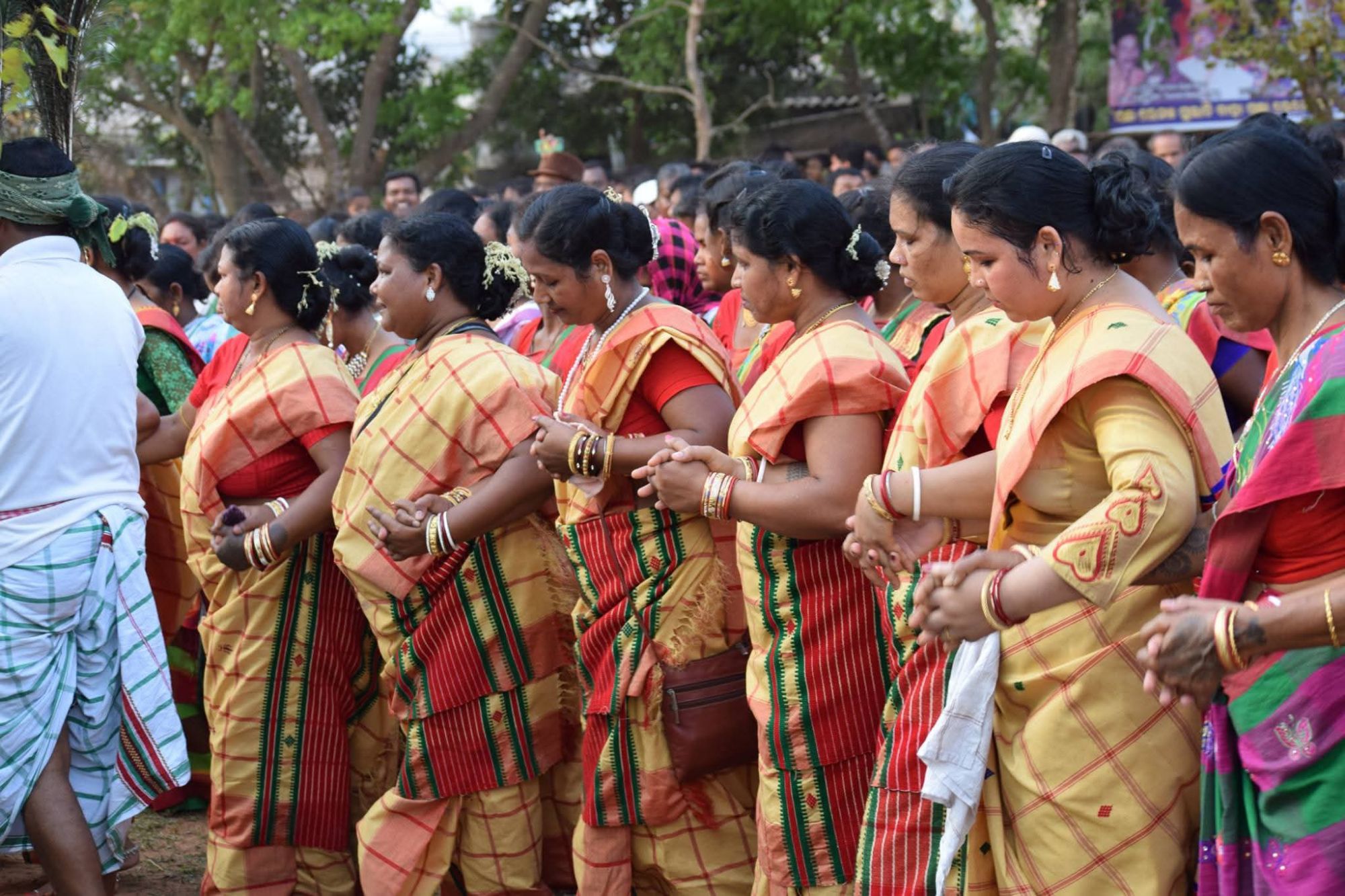
The Khond Tribe stands as one of India’s most fascinating indigenous communities, with a rich cultural tapestry that spans centuries. This ancient tribal group calls the Eastern Ghats of Odisha, Andhra Pradesh, and Chhattisgarh home, where they’ve maintained their unique way of life despite modern pressures.
Whether you’re a student researching India’s tribal diversity, a cultural enthusiast, or someone curious about indigenous communities, this guide breaks down everything you need to know about the Khond people. We’ll explore their ancient origins and where they live today across central and eastern India. You’ll also discover their vibrant cultural traditions, from colorful festivals to time-honored rituals that connect them to nature. Finally, we’ll look at how the Khond community organizes itself socially and the economic challenges they face in today’s rapidly changing world.
Origins and Geographic Distribution of the Khond People
Cultural Heritage and Traditional Practices
Social Structure and Community Organization
Clan System and Kinship Networks
The Khond Tribe operates within a complex clan-based social framework that shapes every aspect of community life. Each Khond individual belongs to a specific clan (known as “gotra”), which determines their social identity and marriageable relationships. These clans trace their lineage through patrilineal descent, meaning family names and clan membership pass from father to children.
The kinship network extends far beyond immediate family, creating intricate webs of relationships that bind entire villages together. Blood relatives, in-laws, and ritual kinship ties form a support system that provides economic security, social protection, and cultural continuity. When someone faces hardship, the entire kinship network mobilizes to help, whether through labor, resources, or emotional support.
Clan relationships also regulate social behavior and conflict resolution. Inter-clan disputes follow established protocols, with elders from different clans mediating disagreements. These networks preserve traditional knowledge, with specific clans often specializing in particular skills like metalworking, weaving, or ritual practices.
Traditional Governance and Village Councils
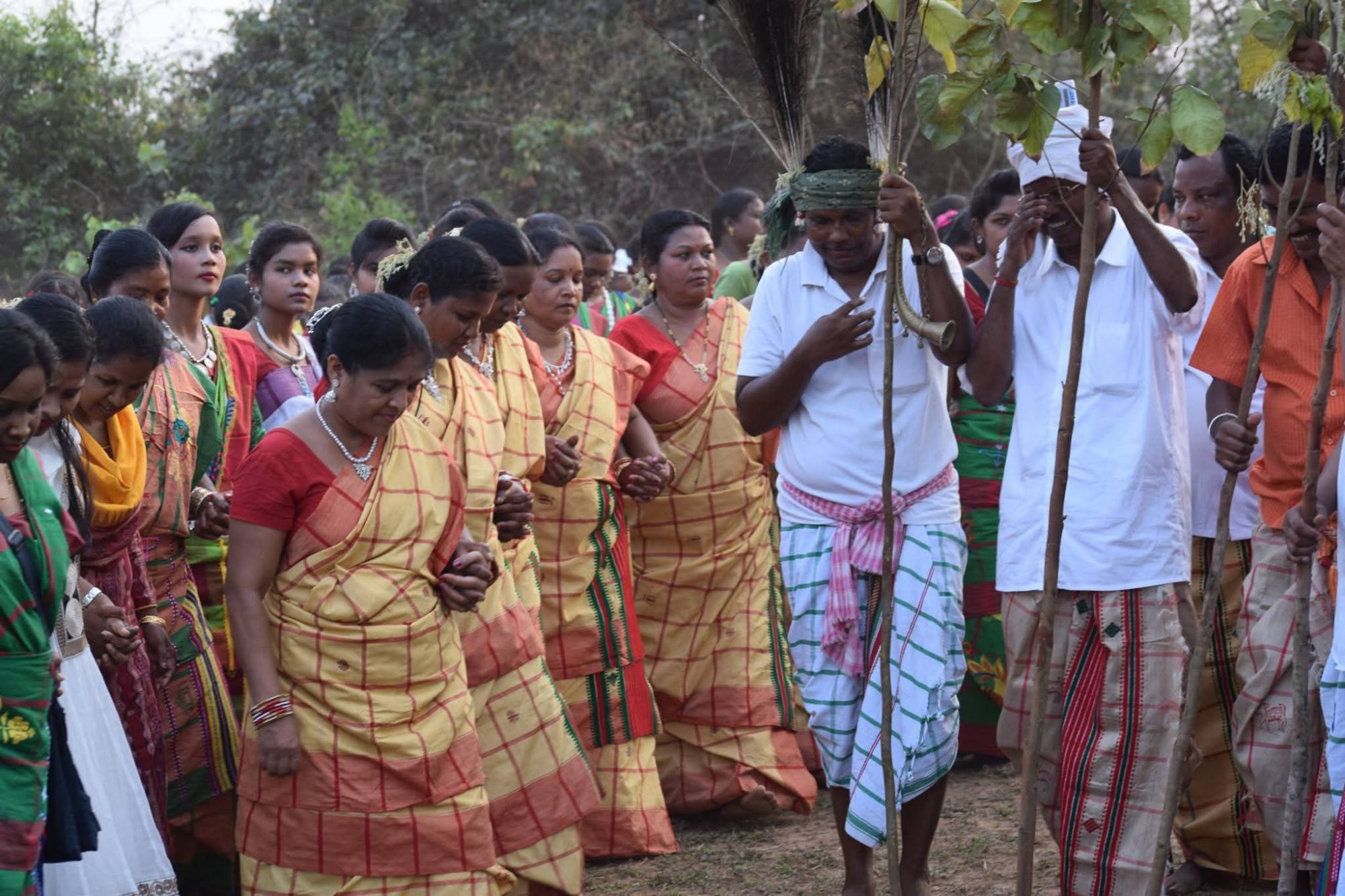
Khond villages maintain their own self-governing systems through traditional councils called “panchayats.” These assemblies consist of respected elders, clan leaders, and influential community members who make collective decisions about village affairs. The council operates on consensus rather than majority rule, ensuring every voice gets heard before reaching decisions.
The village headman, typically an elder chosen for wisdom and integrity, serves as the primary leader but doesn’t wield absolute power. Major decisions require consultation with the entire council and often the broader community. This democratic approach has sustained Khond communities for generations.
Council responsibilities include settling disputes, organizing festivals, managing common resources, and maintaining relationships with neighboring villages. They also serve as the bridge between traditional customs and modern administrative requirements from government authorities.
Gender Roles and Family Dynamics
Traditional Khond society maintains distinct gender roles while allowing considerable flexibility based on individual capabilities and circumstances. Men typically handle activities like hunting, trading, and representing the family in village councils. Women manage household affairs, agricultural work, and play crucial roles in religious ceremonies and festivals.
The Khond Tribe recognizes women’s economic contributions, particularly in agriculture and forest product collection. Women often control income from activities like weaving, pottery, and selling forest produce. This economic independence gives them significant influence in household decisions, despite formal authority structures that may appear male-dominated.
Family structures remain predominantly joint, with multiple generations living together under one roof. Extended families share resources, responsibilities, and decision-making. Children grow up surrounded by grandparents, aunts, uncles, and cousins, creating strong emotional bonds and cultural transmission across generations.
Marriage Customs and Alliance Patterns
Marriage among the Khond people serves not just to unite individuals but to forge alliances between families and clans. Clan exogamy rules strictly prohibit marriage within the same gotra, forcing alliances across different clan groups and strengthening inter-clan relationships throughout the community.
Traditional marriage negotiations involve extensive discussions between families about bride price, wedding expenses, and future obligations. These negotiations can take months, with multiple meetings between clan elders to finalize arrangements. The bride price, paid in cash, livestock, or goods, represents respect for the bride’s family and compensation for losing a valuable family member.
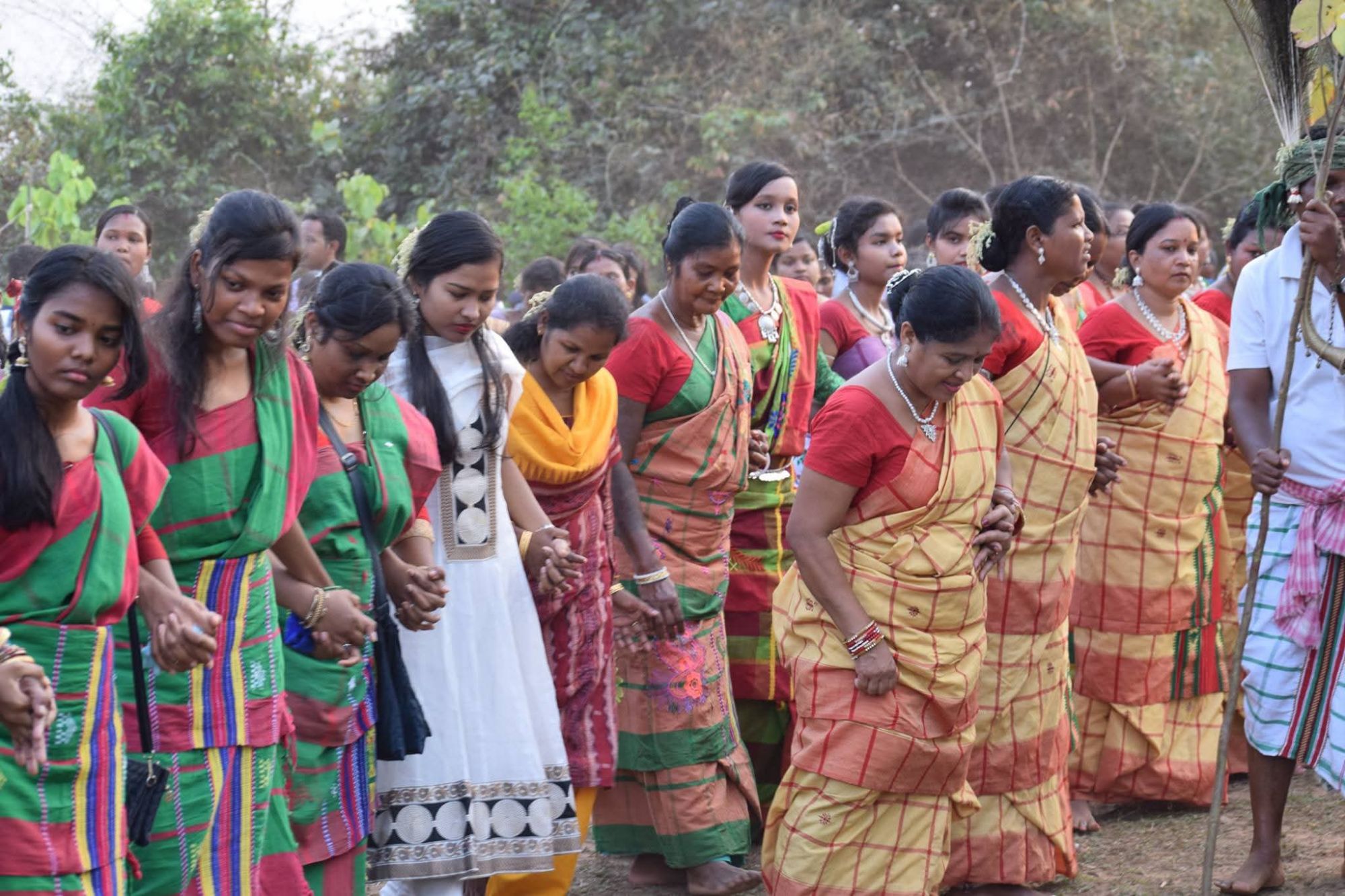
Wedding ceremonies extend over several days, involving elaborate rituals that reinforce clan ties and community bonds. The entire village participates, contributing labor, food, and resources to ensure successful celebrations. Cross-cousin marriages (marriage between children of siblings of opposite gender) are preferred as they strengthen existing family relationships and maintain wealth within extended family networks.
Economic Lifestyle and Livelihood Patterns
Challenges Facing the Khond Community Today
Land Rights and Displacement Issues
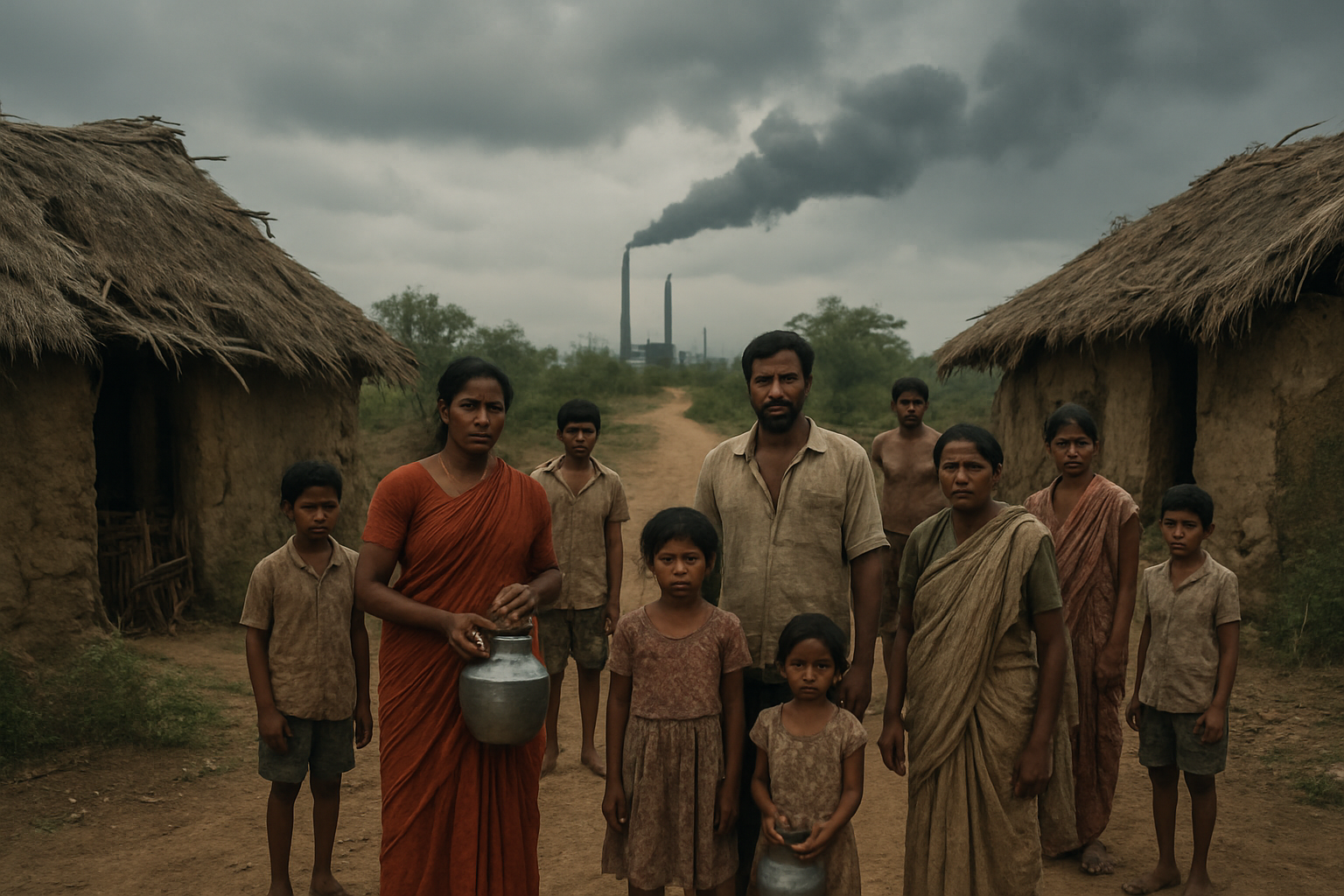
The Khond community faces mounting pressure from land acquisition projects that threaten their ancestral territories. Mining companies and development projects have displaced numerous villages, often without proper compensation or rehabilitation. The lack of formal land titles makes the Khond particularly vulnerable to these encroachments, as traditional land ownership systems don’t align with modern legal frameworks.
Forest rights remain a contentious issue, as many Khond families depend on forest resources for their survival. Government restrictions on forest access have disrupted traditional livelihood patterns while offering few viable alternatives. The community struggles with bureaucratic processes required to secure land rights under the Forest Rights Act, often lacking the legal literacy needed to navigate complex procedures.
Educational Access and Literacy Rates
Remote tribal areas where the Khond reside suffer from inadequate educational infrastructure. Schools are often located far from villages, forcing children to walk long distances or abandon their studies altogether. The absence of teachers who understand Khond language and culture creates additional barriers to learning.
Adult literacy rates remain significantly below national averages, particularly among women. Language barriers compound these challenges, as education is typically delivered in Hindi or English rather than native Khond dialects. Dropout rates spike during agricultural seasons when children are needed for farming activities.
Healthcare Availability in Tribal Areas
Healthcare access presents critical challenges for the Khond tribe, with medical facilities often located hours away from tribal settlements. Primary health centers, when available, frequently lack essential medicines and qualified medical staff. Traditional healers continue to play vital roles in community health, yet their knowledge faces extinction as younger generations migrate to urban areas.
Maternal and child mortality rates remain concerning due to limited access to skilled birth attendants and emergency obstetric care. Malnutrition affects children disproportionately, while preventable diseases like malaria and tuberculosis continue to plague tribal areas due to inadequate sanitation and health education.
Mental health support is virtually non-existent, leaving communities to cope with trauma from displacement and cultural disruption through traditional methods alone.
Cultural Preservation Amid Modernization
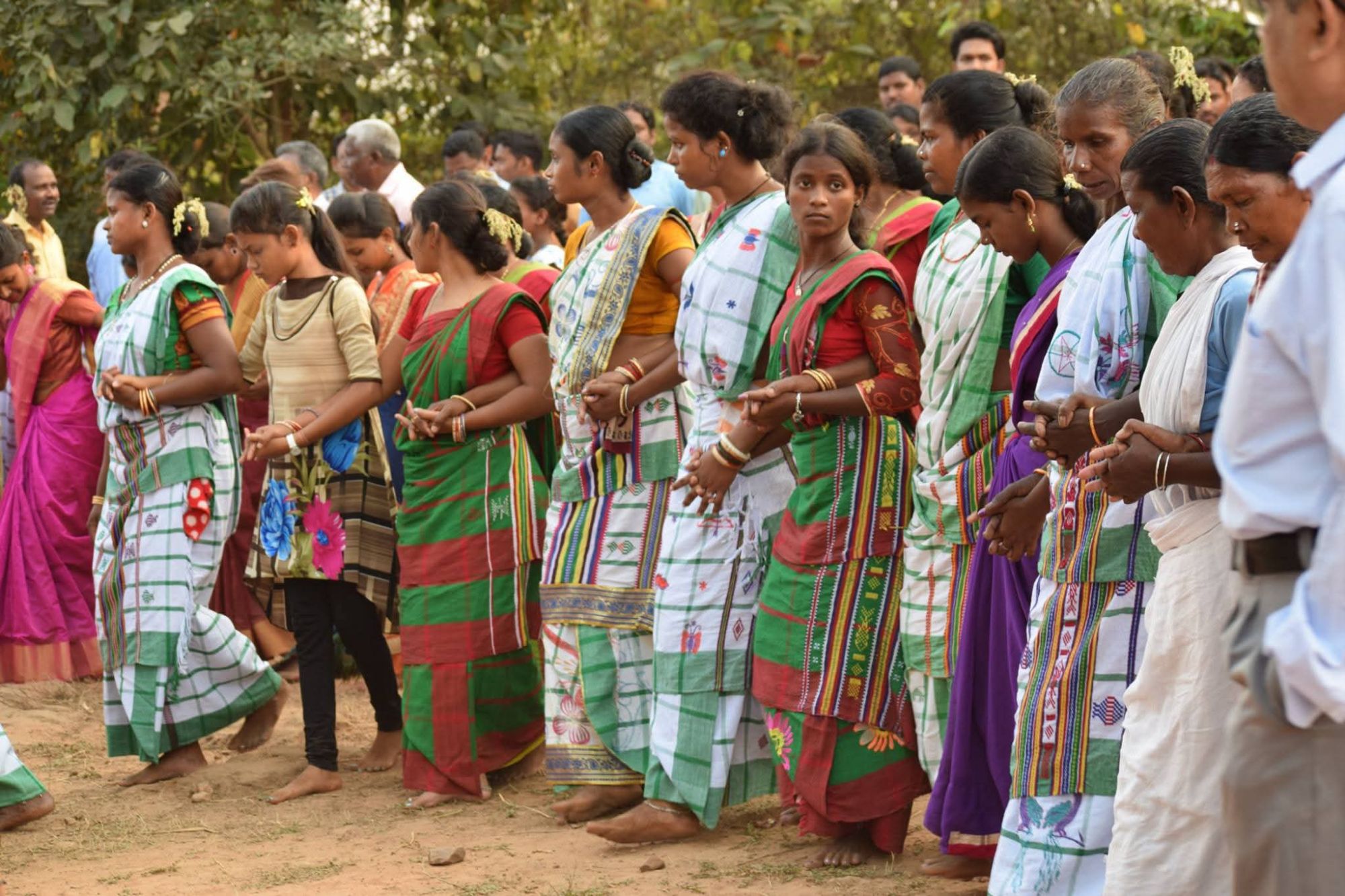
The Khond community grapples with preserving their rich cultural heritage while adapting to modern realities. Traditional festivals, oral histories, and indigenous knowledge systems face erosion as younger generations migrate to cities for better opportunities.
Language preservation presents a particular challenge, as Khond dialects are increasingly replaced by Hindi and English in daily communication. Elders worry about losing sacred stories and medicinal knowledge that have been passed down orally for generations.
Modern technology and social media create both opportunities and threats for cultural preservation. While these tools can help document traditions, they also expose youth to outside influences that may weaken cultural bonds.
Economic Development and Poverty Alleviation Efforts
Economic opportunities within traditional Khond territories remain limited, forcing many community members to seek work as migrant laborers in urban areas. Agriculture continues to be the primary livelihood, but climate change and soil degradation have reduced crop yields significantly.
Government poverty alleviation programs often fail to reach remote tribal areas effectively. Bureaucratic hurdles and corruption frequently prevent benefits from reaching intended beneficiaries. Skill development initiatives rarely align with local needs or respect traditional knowledge systems.
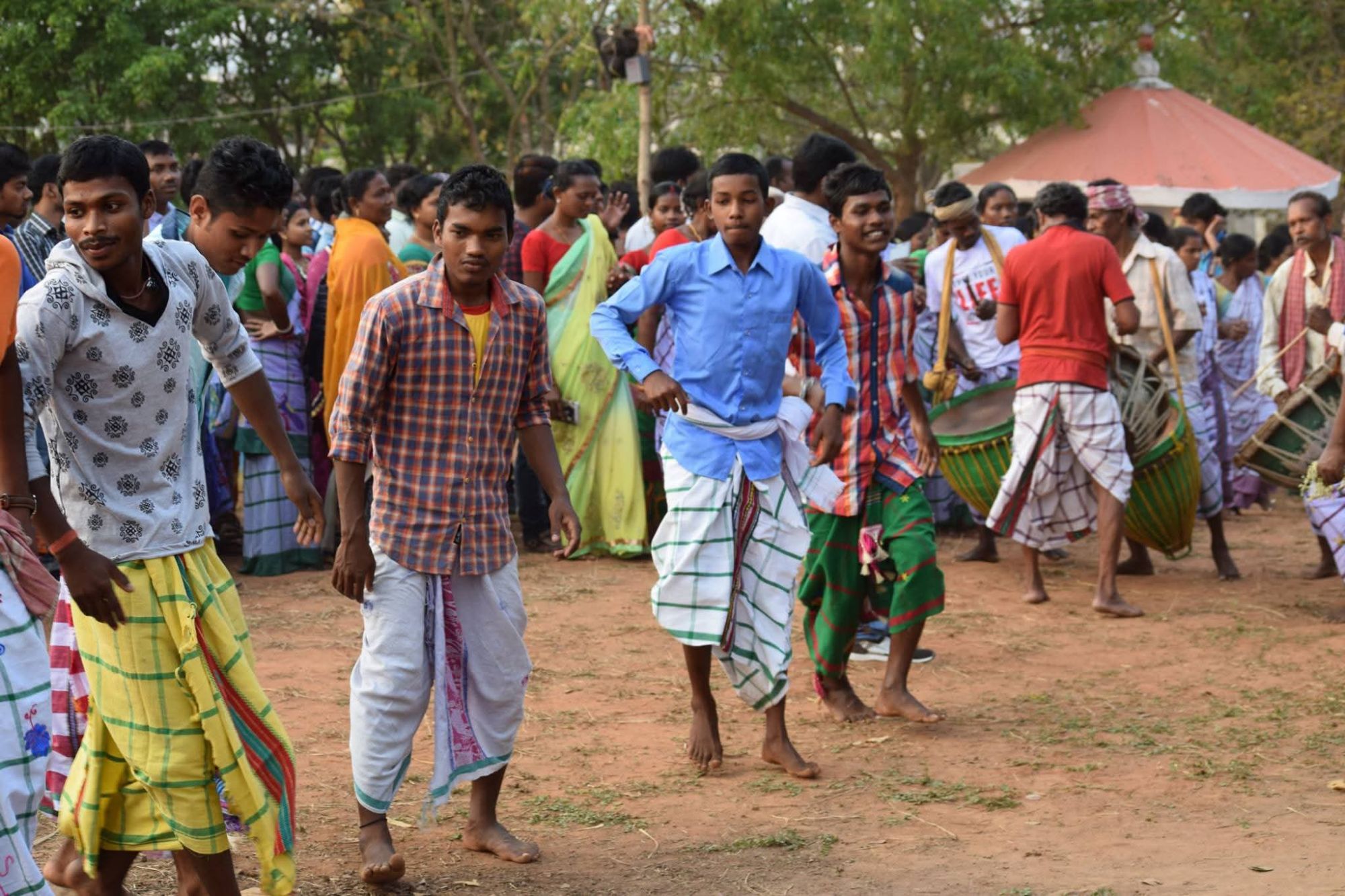
Small-scale enterprises like handicraft production and eco-tourism show promise but require better market linkages and technical support. The community needs sustainable development models that respect their cultural values while providing economic stability.
The Khond tribe stands as a testament to the rich cultural diversity that defines India’s indigenous communities. From their deep-rooted origins and widespread distribution across eastern India to their vibrant traditions and strong community bonds, the Khonds have maintained their unique identity for centuries. Their traditional practices, social structures, and sustainable economic patterns offer valuable insights into how indigenous communities have successfully adapted to their environments while preserving their cultural essence.
Yet the modern world brings both opportunities and challenges for the Khond people. As they navigate issues like land rights, education access, and economic development, supporting their efforts to maintain cultural autonomy becomes crucial. We can all play a role by learning about indigenous communities, supporting fair trade practices, and advocating for policies that respect tribal rights. The Khond story reminds us that preserving indigenous cultures isn’t just about honoring the past – it’s about building a more inclusive future where diverse ways of life can thrive alongside modern progress.
