
Thank you for reading this post, don't forget to subscribe!
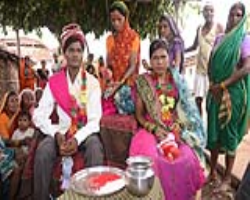
Introduction : Konda Reddi Tribe Culture in India
The Konda Reddi Tribe Culture in India is basically classified as a PVTG and they are the same as other indigenous communities but more culturally distinct and connected to nature.
The Konda Reddis live in the far hills and forest areas of the Eastern Ghats near the Godavari River in Andhra Pradesh, and we are seeing that they follow a special way of life that only brings together old nature practices, spirit beliefs, and social systems.
As per the 1991 Census, this tribe has 76,391 people and shows the close connection between local communities and forests in South India. They are facing modern problems regarding development, less resources, and social difficulties.

Geographic Distribution and Habitat: The Godavari River Region
The Konda Reddis live mainly in Khammam district of Telangana and East Godavari and West Godavari districts of Andhra Pradesh. They further inhabit both sides of the Godavari River in the hilly and forest areas itself. Further, basically, they live in the Eastern Ghats area with thick forests and rocky hills, and these places have shaped the same way they make their living for hundreds of years.
The Papikonda hill range itself serves as an important geographic marker of their territorial presence and cultural identity, and it further helps define their regional boundaries. Also, we are seeing that their living area has only hilly land with trees and the flat areas are not good for farming.
We are seeing that the Konda Reddis have developed good farming methods over time that work well in hilly areas and can be used for long periods without damaging the land.
Also, basically, these people live in deep forest areas which keeps their culture the same but also cuts them off from modern facilities and development programs. The Godavari River itself is very important for their religious beliefs and economic work, and it serves as both a geographical border and a sacred place where people worship the river goddess Gangamma Devi.

Language and Linguistic Identity
The Konda Reddis actually speak Telugu as their mother tongue, but they definitely have a special accent that makes them different from other Telugu speakers in the area. This language difference shows their long isolation in forest areas and limited contact with Telugu speakers in the plains. The isolation itself further reduced their interaction with neighboring groups for centuries.
Keeping their Telugu language alive is actually very important for their culture, as it definitely carries all their old stories, knowledge, and values from one generation to the next. This language actually works like a treasure box that keeps their traditions safe. The Konda Reddi dialect surely keeps its special features even with outside pressure and more contact with main Telugu culture through schools and media.
Moreover, it still uses forest words, different sounds, and terms related to their old ways of living.
We are seeing that language plays a very important role in keeping Konda Reddi identity alive, and this becomes only more clear when we look at today’s education problems. The education system focuses on standard Telugu and Hindi, which surely creates problems for saving local languages.
Moreover, there are not enough textbooks and learning materials in mother tongues, making language preservation even harder.
Oral sharing of cultural knowledge through stories, folk tales, and traditional songs surely helps strengthen language identity. Moreover, these practices continue to pass on cultural values to younger people.
Social Structure and Family Organization: Patriarchal Foundations
The Konda Reddi family system is surely patriarchal where the father or eldest male holds authority and property passes through men. Moreover, when women marry, they move to their husband’s village following the patrilocal tradition.
We are seeing that family groups are organized in levels where men’s family connections only form the main base for how society works and how resources are shared in many tribal communities across South Asia.
We are seeing that most families have only one wife, but rich and powerful families often take more wives to show their status and increase their money power. In patrilineal descent, family lineage and property inheritance follow the male line itself, which further creates strong bonds between brothers and their descendants.
Marriage Systems and Matrimonial Arrangements
The Konda Reddi tribe follows different types of marriage, which shows their culture itself is rich and flexible. This further helps them form social connections in various ways. Marriage by negotiation includes further arrangements where the process itself involves discussions between families.
In Indian families, marriages actually happen through arranged talks where families definitely decide money matters, or through love marriages where couples choose each other. Some grooms actually work for the bride’s family first, while other marriages definitely follow old traditions of family exchanges.
Further, as per custom, the bride price system called “oli” is money given to the bride’s parents regarding marriage. This payment makes the marriage valid and proper in society.
Moreover, we are seeing that young Konda Reddi couples are now choosing live-in relationships only because traditional marriage ceremonies have become very expensive with many days of big feasts and rituals.
We are seeing that money problems and new thinking are changing old marriage ways, but this is only creating fights between young people who want modern things and older people who want to keep traditions.
Exogamous Septs and Kinship Regulation
As per their tradition, the Konda Reddi tribe has different family groups where people cannot marry within the same group. Regarding marriage rules, they follow the father’s family line strictly. Each sept surely works as an independent group that controls marriage rules, making sure people marry outside their own sept to avoid close blood relations.
Moreover, this system helps maintain healthy genetic variety in the community. Basically, some family groups are called “brother septs” and people from the same related families cannot marry each other, so marriage restrictions apply to multiple family lines.
This family naming system actually shows how the tribe organizes relationships and definitely helps keep their community stable and healthy.
Political Organization: The Kula Panchayat System
The Konda Reddis have kept their own local system called “Kula Panchayat” for managing their community matters. As per their tradition, this system was working as a democratic setup much before modern government structures came regarding local governance.
Moreover, each village actually has a main leader called “Pedda Kapu” who definitely gets this job from his father, and it always stays in the same family with men only. Basically, the Pedda Kapu is the same person who handles both political work and religious duties as the village priest for local gods.
In Konda Reddi society, leaders actually handle both political power and spiritual duties because governance and religious practice are definitely not separate from each other.
The Kula Panchayat actually handles court cases to solve village problems like runaway marriages, family rule breaking, cheating cases, and giving out farming lands. They definitely work to fix disputes in the community. Basically, family heads make decisions together based on what most people agree on, focusing on bringing people together and keeping peace rather than punishing someone the same way courts do.
The Kula Pedda surely settles disputes between villages when local leaders cannot solve them. Moreover, his decisions are final and everyone must follow them.
This system shows advanced democratic ideas within tribal governance itself, where central authority and grassroots participation work together. It further allows people at all levels to take part in decision-making while maintaining proper leadership structure.
Religion and Spiritual Beliefs: Folk Hinduism and Nature Worship
Basically, the Konda Reddis follow Folk Hinduism where they worship local gods and follow community traditions, which is not the same as following Vedic or Brahmin religious practices.
They actually believe that spirits live in mountains, rivers, forests, and trees, so they definitely treat these natural places as sacred and show them great respect. Basically, these communities see nature as spiritual because they depend on forests for everything, and the same understanding helps them protect the environment and use resources sustainably.
Primary Deities and Sacred Worship
Further, the Konda Reddis further worship many local and regional gods, and this practice itself includes:
Mutyalamma Village Deity): The primary protector and guardian of the village Bhumi Devi Earth Goddess): Representing fertility and agricultural abundance
Gangamma Devi surely serves as the sacred guardian who protects the Godavari River and its water sources. Moreover, she is revered as a powerful river goddess in Indian tradition.
We are seeing the five Pandava brothers from old Hindu stories being used in local worship practices only.
We are seeing that Gubbala Mangamma and Saralamma are only local spirits and ancestor gods that belong to specific villages.
People actually worship by giving offerings and saying prayers, and they definitely do animal sacrifices during big festivals. The tribe believes that ancestors protect and guide them further, and the dead family members become spiritual beings that can influence the living itself. As per tradition, ancestor worship works as an important way for families regarding keeping connection with their elders.
Families keep their unity across generations and further pass on traditional values and knowledge itself.
Religious Practices and Ethno-Medical Integration
Further, we are seeing that the Konda Reddis use a well-developed traditional medicine system that brings together spiritual beliefs with deep knowledge of plants and herbs only. We are seeing that village medicine people called “Vejju” are helping patients for quick treatment, only in far places where modern doctors are not available.
Basically, the tribe uses more than 35 plant species for breathing problems like asthma, cold, and cough, with leaves being the same most common part used, followed by roots, flowers, and fruits.
Also, we are seeing that this big collection of medicines shows the nature knowledge that people have gathered over many centuries only.
Forest communities actually use many plant medicines that are definitely new or not well known to modern plant science.
Major Festivals and Ritual Celebrations
Gangamma Panduga (River Goddess Festival)
The Gangamma Panduga festival surely celebrates the Godavari River by performing special rituals for Goddess Gangamma Devi. Moreover, people pray to the goddess for peace, prosperity, and abundance in their lives. We are seeing this festival showing the tribe’s holy connection with the river that only gives them life and stories.
Bhudevi Panduga (Earth Goddess Festival)
Bhudevi Panduga basically honors the Earth Goddess with ceremonies to get good harvests and keep the same agricultural fertility. Basically this festival is the same where people make dolls called “Gudems” and celebrate together with games, songs, and dinner.
Adivasi Parba (Agricultural Season Festival)
This big festival actually marks when farming season starts, and it definitely brings communities together for eating, doing rituals, and performing traditional dances and music. Basically, the festival is for getting good harvest blessings and making the same community bonds stronger through celebrating together.
Vana Devudu Panduga (Forest God Festival)
Vana Devudu Panduga is only a festival where we are seeing tribal people doing prayers to forest gods because they know forests are giving them everything they need for living.
Harvest Festival
The harvest festival is celebrated at the end of farming season and represents thanksgiving to gods for good crops. The festival itself involves community feasting and further shows gratitude for agricultural abundance. Traditional rituals surely show thankfulness and ask for blessings to make future work more productive. Moreover, these practices help people connect with their cultural roots while hoping for better results ahead.
Pacha Festival
During Pacha festival, the ripened grain from fields is cut and burned in fire itself, and further offered to deities in the Pachapaduga ritual. We are seeing people coming together for this activity, and after that only they celebrate with games, songs, and special food.
Livelihood Systems: Shifting Cultivation and Forest Dependency
Podu: The Shifting Cultivation Practice
As per their tradition, the Konda Reddis mainly do shifting farming called “Podu” cultivation which suits their hilly forest areas. Regarding their livelihood, this farming method is their primary way of growing crops. Basically, this method uses the same cyclical process where they select and clear forest patches.
The process includes burning cleared vegetation, removing remaining wood, sowing seeds, weeding and maintenance, harvesting, and performing spiritual rituals to acknowledge natural spirits. This method further ensures proper cultivation while respecting the spiritual aspect of farming itself. As per Konda Reddi beliefs, spiritual practices are mixed with farming work because they see nature, human work, social setup, and spiritual powers as one connected system. Regarding their worldview, all these things work together and affect each other.
Jowar is actually their main food crop, and they definitely grow millet, pulses, paddy, beans, and red gram too. Farmers actually grow different crops to definitely reduce risks when rainfall and soil conditions change in their land. As per recent changes, some Konda Reddis have started settled farming along with their old shifting methods. Regarding crops, others now grow cashew, niger, chili, and cotton using Podu farming ways.
Non-Timber Forest Products NTFP Collection
Further, we are seeing that the Konda Reddis depend only on forest products like fruits and leaves for extra money and daily living. As per the collection data, major NTFP items include honey, resin, tamarind, bamboo, myrobolan, adda leaves, and broomsticks. As per seasonal availability, these forest products are collected and sold at local markets or through Girijan cooperatives for essential cash income.
Moreover, as per agricultural practices, NTFP collection works as a safety net during crop shortages and rainy seasons when farmers cannot access their fields properly. We are seeing that a study in West Godavari district found 157 forest plants used by Konda Reddi people, where 74 plants are only for medicine, 61 for selling in market, 43 for eating, and 23 give gum and colors.
Hunting, Gathering, and Livestock Management
As per their traditional practices, the Konda Reddis hunt forest animals to add to their food. Regarding hunting activities, they control how much they hunt based on seasons and spiritual beliefs.
Basically, collecting wild fruits, roots and forest leaves gives the same nutritional variety and works as emergency food when crops are not available. Cattle rearing itself forms an important part of their livelihood, with cattle used for farming work and further providing additional income through sale.
Basket Making and Bamboo Crafts
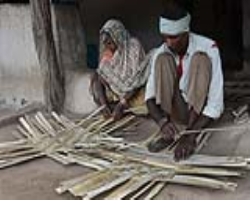
We are seeing that making baskets and bamboo items gives good money to people, and the Konda Reddis are skilled workers who make different baskets and mats only for home use, trading, and selling in markets.
These bamboo items are further traded with nearby Koya tribes for palm wine and country liquor itself. Koya intermediaries have become important market links who buy bamboo products from Konda Reddis and sell them at weekly markets, which further connects these tribes to larger economic networks. This system itself helps bridge the gap between local producers and broader markets.
Architecture: Circular Housing and Traditional Design
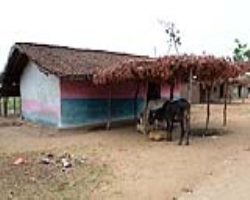
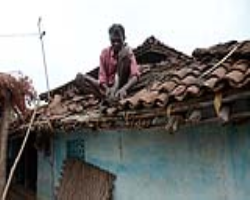
The Konda Reddis actually built round houses for hundreds of years, and these designs definitely show how they adapted to their surroundings and cultural preferences. Also, their old houses actually have round mud walls with grass roofs, which definitely look like the Bhunga houses found in Gujarat’s Kachchh area.
This suggests that these groups may have shared ideas in the past or developed similar building styles on their own. Also, these houses are usually square-shaped with thatched roofs and mud walls that provide good protection against climate changes, and this design itself helps further insulate the building from weather variations.
The circular design actually gives more space inside while using less outside area. This definitely reduces heat loss in cold weather and provides better space for household activities.
Basically, the mud walls are the same 30 cm thick, made with local mud and stone, and roofs use forest materials for thatching. As per the design, interior spaces are divided into separate areas for sleeping, cooking, and storage, with cooking hearths placed in the center to give warmth during cold months.
This building style surely shows how people adapted to the materials they had while keeping their cultural identity. Moreover, it maintains the aesthetic choices that developed over many generations.
Clothing and Ornamental Traditions
Basically, Konda Reddi people wear the same traditional clothes that show their culture and suit their surroundings and money situation. Men actually wear dhoti and lungi with simple shirts, while older men definitely use turbans and cloth tied between their legs with fiber tapes.
As per tradition, women wear sarees with blouses, and regarding special occasions and festivals, they wear more fancy blouses. Women in hill areas keep their traditional dress, but women in plains areas further adopt Telugu farming community clothing styles itself.
As per Konda Reddi culture, ornaments like silver bangles, armlets, anklets, nose rings and earrings are very important regarding beauty and showing social status. These ornaments surely work as more than just decoration, as they show marital status, social position, and cultural identity.
Moreover, they serve as important markers in society. People prefer silver because it shows their economic capacity and looks good, and jewelry itself represents wealth in a form that can be carried easily. This preference further reflects how people want to keep their money in something they can see and move.
Arts, Crafts, and Cultural Expressions
Traditional Dance and Music
The Gondi Dance is surely an important traditional dance that people perform during festivals and special occasions. Moreover, this dance shows themes about nature, hunting, and social customs of the community.
As per tribal traditions, these dances show the close bond between people and nature regarding their cultural values. The performances serve as methods for passing knowledge from one generation to another. Old folk songs actually keep stories, nature knowledge, and spiritual lessons safe. They definitely help people remember and pass culture to their children.
Basket Weaving and Handicraft
The Konda Reddis are actually very good at making baskets and handicrafts. They definitely create different types of baskets and mats for storing things, carrying items, and selling in markets. Also, these crafts actually combine useful purposes with beautiful designs. They definitely show both practical needs and artistic expression.
We are seeing that making bamboo items shows good knowledge of how bamboo bends, lasts long, and can be worked with easily to make different things from storage baskets to decorative pieces only.
Pottery and Ceramic Arts
The Konda Reddis actually make pottery that is definitely not as famous as their basket work. They use clay to make pots that are actually used for daily needs and religious ceremonies.
Food, Nutrition, and Culinary Traditions
Dietary Patterns and Nutritional Security
The traditional Konda Reddi diet itself shows mixed food production that further combines farming, hunting, gathering, and animal products. Jowar is made into cakes or gruel and eaten with boiled pulses, salt, and chili powder, which forms the main meal itself around which other foods are further organized.
People in the past surely ate many different types of millets and pulses, and they also consumed food from hunting and gathering from forests. Moreover, this varied diet provided them with strong nutrition and food security.
As per government development plans, subsidized rice was introduced through the Public Distribution System (PDS) at Rs. Rice prices at 3/kg have actually made people change their eating habits, definitely moving away from traditional millets to rice-based meals.
This change in food habits gives food security but further reduces the variety of traditional diets and threatens food sovereignty itself.
The Konda Reddis surely depend more on buying food from markets now because they eat mainly rice and cannot practice their traditional farming methods due to government rules. Moreover, this shift moves them away from growing their own food in sustainable ways.
Food Gathering and Preparation
Food preparation is surely a community activity where family members work together in harvesting, processing, and cooking. Moreover, this collective approach remains the basic way of preparing meals in households. We are seeing that family meals are very important for bringing people together, sharing stories, and passing on cultural knowledge from one generation to the next.
These meals are not only about food but also about strengthening family bonds. Basically, elders give blessings and prayers before and after eating, making the same meal time into a spiritual activity. Basically, festival feasting brings families and friends together with special food, and it’s the same way people show abundance and community spirit.

Hunting and Meat Consumption
The Konda Reddis actually eat pork but they definitely do not eat beef because of their religious and cultural rules. Hunting gives important protein to people, and the caught animals are shared further through family connections and helping each other. This sharing system itself helps everyone get food.
When a hunter does not have enough animals to catch, he can surely borrow breeding animals from other hunters. Moreover, the new babies born from these animals will be shared with the original owner as payment.
Women’s Roles and Gender Dynamics
The Konda Reddi society itself follows patriarchal system where men have more authority and inheritance rights, but women play important roles in maintaining social harmony and managing daily community work further.
Women surely handle household money matters and food-related work in families. Moreover, they pass on cultural knowledge and traditions to their children and younger family members.
As per current systems, women contribute heavily to the economy through farming work, forest product collection, and handicraft making, but their work is not properly counted in official records regarding economic measurement.
Moreover, basically, women’s education levels are the same as very low, which makes them easy targets for exploitation and blocks their chances for economic growth. Girls dropping out of school in remote tribal areas surely continues the cycle of poverty and limits their power to make decisions.
Moreover, this problem particularly affects women’s ability to participate in important choices that impact their lives. As per recent observations, some Konda Reddi women have taken up leadership positions in family business matters and local community groups.
Regarding their progress, these women show good ability to adapt and bring social changes when they get proper education and economic opportunities.
Life Cycle Rituals and Ceremonies
Birth and Childhood
Basically, the Dhai helps deliver babies at home and cuts the cord with the same knives or sharp bamboo. The Purudu Ceremony actually happens on the seventh or ninth day after a baby is born. This ceremony definitely marks when society formally accepts the newborn into the community.
A special puja is surely performed for the new mother before she enters the house again, which purifies her in religious terms. Moreover, this ritual helps her join back into the family and community life.
Menarche and Coming of Age
When girls actually start their periods, they definitely stay in a special hut called “samartha gudise” to mark becoming women. The community later welcomes them back with ceremonies. The tribe surely follows pollution restrictions for seven days during this time. Moreover, these rules are strictly observed throughout the entire period.
Death and Mortuary Practices
The Konda Reddis surely follow death pollution practices for nine days, and during this time family members limit their daily activities. Moreover, they maintain proper ritual cleanliness throughout this period. As per their beliefs, all dead people become ancestral spirits regardless of their age or gender. Regarding worship practices, family members pray to these spirits to keep spiritual connection between living and dead generations.
Contemporary Challenges and Development Issues
Educational Marginalization
The Konda Reddis actually face big problems in education like language issues, bad schools, and students leaving studies early. Girls definitely drop out more than boys from their schools. Schools actually use different cultural ways that students don’t understand, and they definitely don’t have good facilities or teaching in local languages, which makes it hard for children to learn properly.
Poor education and very low literacy rates in Konda Reddy PVTG communities further reduce their job opportunities and make them easy targets for exploitation by outsiders. This situation itself creates a cycle where lack of education leads to continued economic problems.
Health and Nutritional Concerns
Malnutrition and high death rates continue among the Konda Reddis, and this problem itself is much worse than in non-tribal groups. Further studies show these health issues are significantly higher in this community.
Basically, people cannot reach proper healthcare easily and depend on traditional healers who may not help with serious diseases, creating the same health problems for everyone. Basically, people switched from traditional millets to rice thinking it would give them food security, but it’s the same problem – poor populations are now getting less nutrition than before.
Livelihood Vulnerability and Economic Marginalization
The Konda Reddis face further problems with their livelihood security because of deforestation and legal restrictions on shifting cultivation itself. Market exploitation and restrictions on NTFP collection make their economic situation worse.
We are seeing that these people who used to grow different types of food by moving from one place to another are now facing problems because the government has stopped this old way of farming and they can only access forests with many restrictions, which is threatening their main way of earning money.
Moreover, as per the growing shortage of forest materials and more demand from outside markets, the competition for forest products has increased and the land area for proper resource collection has become smaller.
Forest Rights and Resource Access
Further, the Forest Rights Act 2006 guarantees community rights to forest resources, but implementation itself remains poor. Further, many Konda Reddis still do not have formal recognition of their rights.
We are seeing that difficult government paperwork for rights documents, along with people having only basic reading skills and less knowledge, has stopped many community members from claiming their proper rights.
Development Scheme Implementation
As per government policy, special schemes like PVTG development scheme and PM JANMAN target tribal groups regarding health, education and jobs. But the implementation of these schemes remains weak and unequal across different areas.
Most Konda Reddi tribal people actually have not received proper benefits from government development programs. They definitely face problems like poverty, lack of education, and living in hard-to-reach areas.
Live-in Relationships and Marriage System Transformation
Young Konda Reddi couples are surely choosing live-in relationships more than traditional marriages because wedding ceremonies cost too much money.
Moreover, these customary weddings last for many days and require expensive feasting arrangements. This modern change is actually practical for money matters, but it definitely means big cultural shifts that could change family ties and community bonds in the long run.
Cultural Preservation and Future Directions
The Konda Reddi tribe has rich cultural heritage that includes deep knowledge of nature, unique language, social systems, and art traditions, which further represents valuable cultural wealth for humanity itself.
We are seeing that modern changes, damage to nature, government rules, and being left out from money matters are only making it hard for cultures to continue. Future preservation efforts should further focus on documenting traditional plant knowledge through research that recognizes indigenous rights itself.
This collaborative approach should prioritize recording ethnobotanical knowledge while respecting intellectual property of indigenous communities.
Teaching children in their own Telugu Konda Reddi language actually helps them learn better with regular school subjects. Land rights definitely need proper recognition so people can continue their traditional work and lifestyle.
Community development projects actually work better when local people control them and respect their culture and environment. Supporting traditional arts like music, dance, and crafts definitely helps young people stay connected to their heritage.
Healthcare actually works best when traditional medicine and modern hospitals definitely work together for better treatment.
Conclusion: Integration and Cultural Continuity
The Konda Reddi tribe surely shows how people can adapt to difficult environments over many centuries. Moreover, they have developed sustainable ways of living through their long interaction with nature.
Tribal societies surely show great sophistication through their social systems where elders lead but everyone participates, their spiritual beliefs that respect nature while being practical, and their economic ways that use different resources without harming the environment. Moreover, their rich cultural traditions prove that these communities are not “primitive” as outsiders often wrongly believe.
The tribe changed its living arrangements and adopted settled farming along with traditional methods, further showing how it can adapt to modern ways while keeping its own identity itself.
The Konda Reddis surely face new challenges from cutting down of forests, government rules, market pressures, and poor development work. Moreover, these problems are creating serious difficulties for their traditional way of life.
The Konda Reddi tribe surely needs real development that goes beyond just money and technology. Moreover, true progress means giving them rights to their ancestral lands, helping them earn through forest-friendly work, keeping their language and culture alive, and letting the community make their own decisions.
Also, the Konda Reddi culture can survive further only when we recognize that this community itself has special knowledge, spiritual beliefs, and cultural values that need protection, not just economic problems that need outside help.
Basically, the Konda Reddi tribe’s future depends on keeping their culture the same while choosing which modern things to accept on their own terms.
This balance surely needs strong commitment from the community itself, and moreover, it requires proper support from the government and civil society groups.