
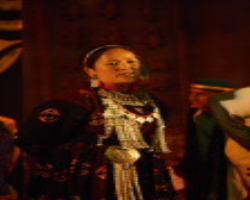

The Tiwa (Lalung) Tribe: Heritage, Matriliny, and Contemporary Realities in Northeast India
Nestled across the alluvial plains of the Brahmaputra valley and the mist-covered foothills of the Karbi Anglong plateau, the Tiwa people—historically known to administrative records and neighboring communities as the Lalung—form one of the most culturally distinctive indigenous populations of Assam and Meghalaya. Their society embodies a compelling socio-anthropological dynamic: a community split geographically between the hills and the plains, exhibiting two divergent systems of descent, kinship, and social governance.
While the hill-dwelling Tiwas continue to preserve an ancient matrilineal descent pattern with traditional village bachelor dormitories, the plains Tiwas have steadily transitioned toward patriliny, deeply integrating with the wider agrarian rhythms of the Assamese peasant economy. Yet, beneath these regional variations lies a shared, tenacious collective identity forged through ancestral agrarian rituals, a rich oral literature, an enduring philosophy of ecological stewardship, and a determined struggle for constitutional recognition and self-determination in modern India.
1. Ethnonyms, Mythological Origins, and Migration Histories
The Dichotomy of Nomenclature: Tiwa vs. Lalung
To understand the historical consciousness of this indigenous community, one must first address their ethnonym. While colonial ethnographers, early British administrators, and surrounding non-tribal communities primarily referred to them as the Lalung, the people identify themselves endonymously as Tiwa.
In the Tiwa dialect, the compound term Ti-wa holds deep geographical resonance:
-
“Ti” translates to water.
-
“Wa” translates to superiority, origin, or people.
Collectively, the term signifies the “People of the Water” or those who originated along the riverbanks. Conversely, several folk etymologies account for the name Lalung:
-
One prevailing oral account suggests that the Ahoms assigned the name after encountering them near the southern banks of the Brahmaputra, referring to them as people who migrated following the path of the red river (Lao-luh or Lal-ang).
-
Another linguistic theory attributes it to a Karbi term referring to groups residing along specific river branches and plains edges.
While Lalung remains enshrined in the Constitution (Scheduled Tribes) Order of 1950, modern community leaders and literary organizations actively promote Tiwa as an assertion of cultural autonomy and self-definition.

Mythological Genesis and Migration Routes
The Tiwa oral tradition—preserved through long ritual chants (Char-Pai Char-Char) recited by elders during agricultural festivities—traces their primordial origins to the highland sanctuaries of the Tibetan-Burman homeland. Linguistically classified under the Bodo-Garo sub-family of the Tibeto-Burman language family, the ancestors of the Tiwas were part of the broader eastward and southward migrations that peopled the Brahmaputra basin centuries prior to the arrival of the Tai-Ahom dynasty in the thirteenth century.
Folklore recounts that the Tiwa ancestors descended from the northern highlands, traveling through the rugged passes of the eastern sub-Himalayas before crossing the Brahmaputra River. Facing skirmishes with expanding regional polities, they sought refuge in the deep forests and hills of the Karbi Anglong and Ri-Bhoi regions. Over centuries, expanding populations moved back down into the fertile lowlands of modern-day Morigaon, Nagaon, and Kamrup, establishing autonomous village clusters governed by hereditary chiefs known as Rajas.
2. Geographical Distribution and the Plains-Hills Divide
                         THE TIWA (LALUNG) PEOPLE
                                    │
           ┌────────────────────────┴────────────────────────┐
           ▼                                                 ▼
   PLAINS TIWAS (Bhog-Tiwa)                          HILLS TIWAS (Khel-Tiwa)
  • Morigaon, Nagaon, Kamrup Metro                  • West Karbi Anglong, Ri-Bhoi
  • Patrilineal descent                             • Matrilineal clans (Khel/Mul)
  • Settled wet-rice cultivation                    • Jhum (shifting) & terrace farming
  • Deep interaction with Assamese                  • Samadi (Youth Dormitory) system
    Vaishnavite culture (Namghars)                    strictly maintained
The Tiwa community is broadly divided into two ecological and cultural groups: the Plains Tiwas and the Hills Tiwas. This physical separation has created distinct kinship structures, marital traditions, and land management practices.

Geographical Enclaves
-
Hills Tiwas: Inhabit the hilly tracts of West Karbi Anglong in Assam and cross over the border into the Ri-Bhoi district of Meghalaya, living along heavily forested ranges where they maintain close geographic proximity to the Khasi, Pnar, and Karbi communities.
| Ecological Group | Primary Districts | Descent System | Primary Agricultural Method | Dominant Social Institution |
| Plains Tiwas | Morigaon, Nagaon, Kamrup Metro (Assam) | Patrilineal | Wet-rice cultivation (Sali/Ahu) | Bor-Ghar / Village Councils |
| Hills Tiwas | West Karbi Anglong (Assam), Ri-Bhoi (Meghalaya) | Matrilineal | Jhum (Shifting cultivation) & Terrace farming | Samadi (Youth Dormitory) |
3. Social Architecture: Clans, Kinship, and the Matrilineal Question
The internal social structure of the Tiwa people offers an extraordinary case study in social anthropology. Nowhere else in Northeast India is the shift between matrilineal and patrilineal kinship as visible within a single, self-identifying ethnic group.
Clans (Khul) and Phratries
At the base of Tiwa social organization lies the exogamous clan system, known as Khul or Khel. The community comprises several primary clans, including:
-
Macharang
-
Magor
-
Madur
-
Chongrang
-
Amsi
-
Kharai
-
Lalung
-
Darphang
Each clan is strictly exogamous: marriage within the same Khul is considered an unforgivable spiritual violation (pap or maram), punishable by immediate social ostracization. These clans are further subdivided into smaller sub-lineages called Mul or Phoid, which regulate mutual obligations during life-cycle crises, births, and mortuary rites.

The Matrilineal Bastion of the Hills
In the hills of Karbi Anglong and Ri-Bhoi, the Tiwas retain a classic matrilineal kinship framework that aligns closely with neighboring Austroasiatic Khasi societies.
-
Lineage is traced exclusively through the female line: children take the clan name of their mother.
-
Property—particularly ancestral land, homestead plots, and sacred heirlooms—is inherited from mother to daughter, frequently favoring the youngest daughter (Khadai or equivalent family custodian).
Patrilineal Adaptation in the Plains
Conversely, the Plains Tiwas underwent a major transformation over the past three centuries. Through prolonged contact with neighboring caste Hindu and non-tribal Assamese peasant societies, as well as the spread of the Neo-Vaishnavite movement pioneered by Srimanta Sankardeva, the Plains Tiwas systematically shifted to patriliny:
-
Children inherit the father’s clan title.
-
Ancestral land is partitioned among sons.
-
The residency pattern is strictly patrilocal, where the bride moves permanently into the husband’s paternal homestead.
Despite this shift, Plains Tiwa society retains subtle traces of its matrilineal past. Maternal uncles (Maha or Mama) continue to hold decisive ceremonial authority during life-cycle rituals, including marriage negotiations, naming rites, and the cleansing rituals associated with cremation.
4. Traditional Governance and the “Samadi” Youth Dormitory
The King of Gobha and the Council of Twelve Chiefs
Long before modern administrative structures divided Assam into formal revenue units, the Tiwas maintained an autonomous political system centered around decentralized village councils and traditional royal courts (Raj-Darbars). The most prominent among these was the Kingdom of Gobha (located near modern-day Jagiroad in Morigaon).
The King of Gobha—historically designated as the Gobha Raja—sat at the apex of a confederacy of twelve minor kings or regional chieftains (Sodorowala Rajas). The Gobha Raja was not an absolute autocrat; he ruled alongside a hereditary council of ministers and clan elders representing the primary Khuls. Even today, the Gobha Raja maintains symbolic and ceremonial prestige, presiding over the historic Jonbeel Mela and acting as the spiritual arbitrator of community law.
The Samadi (Bachelor Dormitory): Crucible of Socialization
In the hill villages, the central pillar of traditional community life is the Samadi (also called Dholasala or Pandar). Similar to the Ghotul of the Central Indian Muria Gond or the Morung of the Nagas, the Samadi is an expansive architectural structure constructed entirely from seasoned timber, bamboo, and wild thatch, located at the heart of the village.
                  STRUCTURE & FUNCTIONS OF THE SAMADI
                                    │
       ┌────────────────────────────┼────────────────────────────┐
       ▼                            ▼                            ▼
  CIVIC SECURITY               ORAL ACADEMY               COMMUNAL LABOUR
• Village guardpost        • Musical training         • Agricultural work
• Disaster response          (Kharam & Thorang)         gangs for village
• Fire watch               • Epic recitation          • Festival preparation
The Samadi acts as a residential civic academy and dormitory for young, unmarried men:
-
Civic Education and Apprenticeship: Young men (Deka) enter the dormitory during early adolescence. Under the command of a senior youth leader (Chang-Majhi or Bora), they are trained in community customary laws, wood carving, thatch building, and defensive martial arts.
-
Preservation of Oral Lore: Evenings inside the Samadi are dedicated to learning traditional songs, complex rhythmic beats on the Kharam (long indigenous drum), and the history of clan migrations.
-
Organized Labor Pool: The residents of the Samadi function as a collective labor force for the village. If an elderly widow needs her paddy harvested or a family requires a new homestead raised after a flood, the Samadi youth mobilize immediately to complete the work without demanding monetary wages.
5. Agricultural Economy, Indigenous Ecology, and the Jonbeel Mela
Agrarian Foundations
The economic survival of the Tiwas has always been intertwined with the land.
-
In the plains, they are expert wet-rice cultivators, growing indigenous flood-resistant paddy varieties (Sali and Bao) alongside early summer crops (Ahu). They supplement agriculture with inland fishing across the Brahmaputra valley’s oxbow lakes (beels), using woven bamboo traps like the Jakoi, Khaloi, and Chepa.
-
In the hills, the Tiwas practice Jhum (rotational slash-and-burn agriculture), planting a biodiverse mix of upland dry rice, ginger, turmeric, chillies, yams, and sesame on cleared slopes. Hill farming depends on community cooperation, with work coordinated across families to manage the demanding planting and harvesting cycles.
The Jonbeel Mela: India’s Living Barter Epic
No analysis of the Tiwa people is complete without examining the Jonbeel Mela. Held annually during the weekend following Magh Bihu along the crescent-shaped banks of the Jonbeel lake near Jagiroad, this three-day gathering is one of the world’s few surviving large-scale barter fairs.
                         THE JONBEEL MELA BARTER NEXUS
                                    │
         ┌──────────────────────────┴──────────────────────────┐
         ▼                                                     ▼
    HILLS TIWAS & ALLIES                                  PLAINS COMMUNITIES
 (Tiwa, Karbi, Khasi, Jaintia)                        (Plains Tiwa, Assamese villagers)
         │                                                     │
         ├─ Ginger, Turmeric, Black Pepper                     ├─ Pithas (Rice cakes)
         ├─ Hill Yams & Wild Herbs                             ├─ Flattened Rice (Chira)
         ├─ Dried Bamboo Shoots                                ├─ Dried Fish (Sukoti)
         └─ Hand-spun Cotton                                   └─ Earthen Pots, Iron tools
         │                                                     │
         └──────────────────► MUTUAL EXCHANGE ◄────────────────┘
                              (No Currency Allowed)
The festival’s signature dynamic is economic reciprocity between divergent ecological zones:
-
The Exchange: Hill tribes descend from the Karbi Anglong and Meghalaya mountains bearing spices, ginger, medicinal forest herbs, and mountain tubers. They meet the plains dwellers, who arrive with flattened rice (chira), sweet rice cakes (pithas), mustard oil, and fresh river fish.
-
The Rule of Barter: Within the designated trading ground, transactions occur without modern currency. A bundle of wild ginger is traded directly for a basket of handmade rice cakes or sun-dried fish.
-
Royal Overseeing: The Gobha Raja, flanked by his traditional court, collects token tributes, arbitrates community disputes, and joins his people in communal fishing drives across the lake. The Jonbeel Mela is more than a commercial venue; it is a ritual space that keeps peace and mutual economic support alive between the hills and the plains.
6. Religious Worldview, Ritual Practices, and Festivals
The traditional religious faith of the Tiwa community is rooted in an animistic and polytheistic worldview focused on propitiating ancestral spirits, benevolent natural energies, and local protective deities.

The Sacred Pantheon
At the pinnacle of the traditional Tiwa pantheon sits Fa Mahadeo (often linked to Lord Shiva, yet retaining animistic qualities distinct from mainstream Hinduism) and his consort, the mother goddess known as Kanchei-Khati or Ai. Alongside these primary deities, the Tiwas revere a wide host of village and natural spirits:
-
Lakshmi / Mai: The spirit of paddy and fertility.
-
Badal Fa: The god of rains, storms, and fertility.
-
Kalika: The fierce guardian spirit invoked during illnesses and epidemics.
Religious obligations are directed through sacred village priests—the Loro and the Deori. The Loro serves as the community’s spiritual anchor, preserving ancestral chants, conducting bloodless or animal-sacrifice divinations, and ensuring the village remains free of ritual pollution (Chuwa). In the plains, these ancestral practices frequently sit alongside Assamese Neo-Vaishnavism; many villages maintain a Namghar (prayer hall) while keeping their traditional village Bor-Ghar for ancient clan rites.
Major Ritual Festivals
                       SEASONAL TIWA FESTIVAL CALENDAR
                                     │
        ┌────────────────────────────┼────────────────────────────┐
        ▼                            ▼                            ▼
    SOGRILONG                    WANCHUWA                      JONBEEL
  (Spring / Sowing)           (Paddy Harvest)             (Mid-Winter Barter)
• Fertility rites            • Decennial/Triennial       • Trans-ecological trade
• Youth dances for rains     • Thatch pounding dances    • Royal arbitration
• Ancestral invocation       • Mortuary celebrations     • Community lake fishing
1. Wanchuwa
The Wanchuwa is perhaps the most culturally significant and visually striking festival of the Hill Tiwas. Celebrated to secure community health and a bountiful harvest, this festival centers on grinding newly harvested rice into flour inside the chief’s courtyard:
-
Unmarried young men and women gather around large wooden mortars (Sam) sunken into the ground.
-
Grasping heavy wooden pestles (Lur), they pound the raw grain in hypnotic, polyrhythmic unisons that last for hours, illuminated by crackling fires.
-
The physical labor transforms into an energetic community dance, soundtracked by traditional flutes (Pangsi) and hand drums (Kharam).
-
The ground rice flour is mixed with water and sprinkled onto the dancers’ foreheads and shoulders, symbolizing purification and the renewal of life.
2. Sogrillong and Barat Utsav
Celebrated at the onset of the agricultural cycle, Sogrillong involves propitiating the spirits of wind, soil, and rain to bless the freshly plowed earth. In the plains pockets of Morigaon, the Barat Utsav honors ancestral protective spirits through circular mask dances and community displays of hand-woven textiles.
7. Material Culture: Textiles, Architecture, and Culinary Traditions
Handloom and Textile Heritage
Weaving is an essential skill within Tiwa households, traditionally expected of women across the community. Using backstrap looms in the hills and throw-shuttle floor looms in the plains, Tiwa artisans produce durable textiles marked by bold geometric patterns, dominated by brick red, deep indigo, unbleached white, and natural ochre:
-
Nara: A heavy, handwoven waistcloth worn by men during rituals and agrarian labor.
-
Kasong: A striped skirt wrapped securely around the waist by women.
-
Phaskai: A long ceremonial upper cloth draped diagonally across the chest, fastened over the shoulder.
-
Pancha: A woven shawl featuring geometric diamond patterns that represent the scales of sacred fish and paddy stalks.

Vernacular Architecture
Traditional Tiwa dwellings are built with materials sourced directly from surrounding forests: bamboo framing, dried cane lashing, timber stilts, and sun-dried thatch (Ikora grass).
-
In flood-prone river regions, houses are elevated on wooden stilts (Chang Ghar) to keep living quarters dry during Brahmaputra inundations.
-
In the hills, homesteads feature an adjoining granary (Bharal-Ghar) built with smoothed river mud to keep grain safe from moisture and pests.
Culinary Traditions
Tiwa food reflects an intimate knowledge of regional plants and forests:
-
Rice as the Staple: Served as steamed sticky rice or aromatic fermented varieties.
-
Khar (Alkali Broths): A culinary staple prepared by filtering water through the ash of burned, sun-dried banana peels. This clean alkali forms the base of comforting broths cooked with tender bamboo shoots, wild taro, and seasonal river fish.
-
Sukoti (Dried Fish): River fish are cleaned and preserved through smoking over the hearth or drying under the sun. They are pounded with hot chillies and garlic to make savory pastes that stay fresh during long journeys.
-
Yu (Fermented Rice Beer): Prepared using an indigenous starter cake (Bakhor) compounded from dozens of medicinal forest leaves. Yu is not merely an everyday beverage; it is an obligatory spiritual offering. Without it, no marriage negotiation, funeral cleansing, or harvest sacrifice is valid.
8. Human Development Realities and Contemporary Socio-Economic Struggles
Despite their deep cultural traditions, the Tiwa face persistent systemic challenges. The intersection of changing modern markets, ecological volatility, and historic administrative neglect has left many communities economically vulnerable.
Educational Realities and Socio-Economic Disparities
Educational infrastructure across rural Tiwa areas—especially in the rugged hills of West Karbi Anglong and the river islands of Morigaon—remains underdeveloped.
-
Many primary schools operate under severe resource constraints, lacking teaching supplies, basic sanitation, and reliable electricity.
-
A deep pedagogical barrier persists: the lack of early mother-tongue education. While the Tiwa Mathonlai Tokhra (Tiwa Sahitya Sabha) has worked tirelessly to produce primers and standardize the Tiwa script in the Latin/Assamese systems, children in interior hamlets are often instructed in languages foreign to their home environments. This linguistic gap drives elevated dropout rates between primary and secondary schooling.
The Ongoing Battle with Environmental Vulnerability
Plains Tiwa farming villages along the southern banks of the Brahmaputra face recurring seasonal flooding and severe riverbank erosion. Every monsoon, shifting river waters wash away ancestral homesteads, deposit thick layers of infertile silt over paddies, and displace families. This erosion turns self-reliant smallholders into landless daily-wage laborers, pushing working-age youth into circular migration networks heading toward Guwahati or industrial belts in southern and western India.
                      MODERN CHALLENGES MATRIX
                                 │
     ┌───────────────────────────┼───────────────────────────┐
     ▼                           ▼                           ▼
ECOLOGICAL VULNERABILITY    LAND DISPLACEMENT         LINGUISTIC EROSION
• Annual river erosion     • Industrial parks        • Dominance of regional
• Siltation of paddies       (e.g., Jagiroad)          lingua francas
• Loss of wet-rice land    • Forest enclosure laws   • Decline of Tiwa mother
• Climate fluctuations     • Loss of jhum fallows      tongue among youth
Land Alienation and Industrial Encroachment
For generations, Tiwa land stewardship relied on customary lineage ownership. Over recent decades, large infrastructure and industrial developments—such as transportation corridors and commercial estates around Jagiroad and greater Kamrup—have encroached onto indigenous farmlands.
Without individual registered land titles (patta), many families have seen communal lands transferred into industrial corridors or commercial estates. Even in the hills, evolving forest protection policies have restricted traditional Jhum cultivation without providing viable alternatives like subsidized terrace irrigation or market access for organic produce.
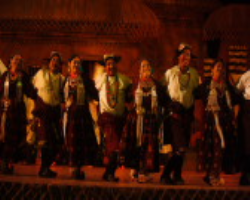
9. The Politics of Identity, Autonomy, and the ST Status Dilemma
Over the past four decades, the Tiwas have mobilized politically, creating community-led organizations to advocate for their constitutional rights and autonomy within the Indian Union.
                   TIWA ORGANIZATIONAL ADVOCACY MAP
                                   │
      ┌────────────────────────────┼────────────────────────────┐
      ▼                            ▼                            ▼
TIWA MATHONLAI TOKHRA       ALL TIWA STUDENTS' UNION     TRADITIONAL RAJ-DARBARS
(Tiwa Sahitya Sabha)                 (ATSU)              (Gobha Raja & Council)
• Script standardization     • Political mobilization    • Custodians of customary law
• Cultural documentation     • Land rights advocacy      • Inter-ethnic diplomacy
• Mother-tongue education    • ST (Hills) recognition    • Jonbeel preservation
The Tiwa Autonomous Council (TAC)
In response to sustained political advocacy led by the All Tiwa Students’ Union (ATSU) and other community groups, the Government of Assam established the Tiwa Autonomous Council (TAC) in 1995. Headquartered in Morigaon, the Council was created to grant local self-governance over development, education, and cultural preservation across Tiwa-majority areas.
However, the Council faces structural and operational challenges:
-
Unlike the Bodoland Autonomous Council or Karbi Anglong Autonomous Council, the TAC operates under a state legislative act rather than the Sixth Schedule of the Indian Constitution.
-
This administrative difference leaves the Council without legislative power over critical areas like land management, law enforcement, and natural resources.
-
Because Tiwa settlements are interspersed among other communities across Morigaon and Nagaon, drawing contiguous administrative borders remains difficult. This fragmentation limits the Council’s ability to plan coordinated public works and land conservation programs.
The Dual Classification Paradox: Hills vs. Plains ST Status
One of the most persistent political frustrations for the Tiwa people is the uneven administrative classification of their Scheduled Tribe status:
-
In the plains of Assam, Tiwas are recognized under the Scheduled Tribe (Plains) category.
-
However, Tiwas residing in the hill district of West Karbi Anglong have historically struggled to secure comprehensive Scheduled Tribe (Hills) status. Within that district, administrative privileges have focused on dominant local hill groups, leaving hill Tiwas without equal access to local employment quotas, land protection safeguards, and dedicated development funds.
-
Across the border in Meghalaya’s Ri-Bhoi district, the Tiwa face separate administrative hurdles, working to secure consistent recognition alongside the state’s dominant Khasi, Jaintia, and Garo communities.
This legal fragmentation separates people of the same ancestry, clan structures, and ritual heritage along state and district borders, making community-wide political mobilization a complex challenge.
10. Pathways Forward: Preserving Identity in a Rapidly Changing World
Addressing the long-term aspirations of the Tiwa community requires balancing cultural preservation with modern economic opportunity. Sustainable progress must be rooted in local initiative, community self-governance, and targeted institutional support.
1. Institutional Strengthening and Sixth Schedule Inclusion
Granting constitutional status under the Sixth Schedule to the Tiwa Autonomous Council would provide the legal protections needed to safeguard communal land rights. With formal land oversight, the Council could halt unlawful land alienation, preserve historic village boundaries, and balance industrial development with indigenous agrarian livelihoods.
2. Mother-Tongue Revitalization and Bilingual Classrooms
The tireless linguistic initiatives of the Tiwa Mathonlai Tokhra require direct financial and institutional backing from state education boards:
-
Developing bilingual curricula for primary schools would allow young Tiwa students to build early literacy in their native language before transitioning to Assamese, Hindi, and English.
-
Creating digital archives, recorded lexicons, and oral repositories will preserve ancestral chants, folklore, and medicinal plant knowledge before the remaining elders pass away.
3. Sustainable Agricultural Cooperatives and Eco-Tourism
The world-renowned Jonbeel Mela provides an authentic foundation for community-managed, low-impact cultural tourism. Rather than allowing commercial promoters to exploit the gathering, the event should remain under the stewardship of the Gobha Raja, traditional councils, and local youth organizations.
                    SUSTAINABLE DEVELOPMENT ROADMAP
                                   │
      ┌────────────────────────────┼────────────────────────────┐
      ▼                            ▼                            ▼
LAND PRESERVATION             CULTURAL ENTERPRISE          ECOLOGICAL DEFENSE
• Sixth Schedule status      • Tiwa-led weaving co-ops    • Indigenous agro-forestry
• Tribal belt demarcation    • Certified Jonbeel trade    • Community embankment care
• Cadastral clan surveys     • Mother-tongue schools      • Sustainable terrace grids
Additionally, establishing organic farming cooperatives in the hills can help Tiwa farmers sell specialty crops—like Karbi Anglong ginger, hill chillies, and aromatic sticky rice—directly to fair-trade urban markets, boosting household incomes without forcing families off their lands.
A Living Heritage at the Crossroads of Time
The Tiwa (Lalung) community represents an extraordinary chapter in India’s indigenous story. Their society contains a rare cultural flexibility: bridging matriliny and patriliny, linking highland forests with lowland rivers, and joining animistic reverence for earth spirits with classical regional faiths.
Through centuries of historical migrations, colonial reclassifications, and the fast-moving pressures of modern globalization, the Tiwa have protected their core identity. From the resonant pounding of pestles during the Wanchuwa dances to the quiet, money-free trades made across the mist-laden shores of the Jonbeel Mela, their culture carries a profound lesson for our commodified world: that human communities can live in deep, cooperative harmony with both their neighbors and the land they call home.
Supporting the Tiwa today requires honoring their cultural voice, protecting their ancestral rights, and ensuring that their proud heritage remains vibrant across the hills and plains of the Northeast for generations to come.
