

Introduction : Mishmi Tribe Culture in India
The Mishmi Tribe Culture in India represents one of the most distinctive indigenous communities inhabiting the northeastern frontier of India, specifically concentrated in Arunachal Pradesh’s remote Mishmi Hills region.
The Mishmi people are not a monolithic entity but rather consist of four distinct sub-groups—the Idu Mishmi, Digaru Mishmi (also known as Taraon), Miju Mishmi (called Kaman), and Deng Mishmi—each maintaining their own linguistic variations, cultural practices, and territorial distributions while sharing fundamental cultural characteristics.

Geographic Distribution and Demographic Composition
The Mishmi tribes predominantly inhabit the Mishmi Hills, which encompass the valleys of the Dibang and Lohit rivers in Arunachal Pradesh’s northeastern districts.
The Idu Mishmi concentrate primarily in the Upper and Lower Dibang Valley districts, while the Digaru Mishmi inhabit areas between the Dibang, Digaru, and Lohit rivers.
The Miju Mishmi population resides between the Lohit and Kambang rivers, particularly in Anjaw and Lohit districts. Ethnically classified as Tibeto-Burman speakers of Mongoloid racial stock, the Mishmi are believed to have migrated from Tibet and Burma in ancient times.
The Deng Mishmi, numbering approximately 35,000, reside across the international border in China’s Zayu County in southern Tibet, where movement has been severely restricted since the 1962 Sino-Indian War.
Mishmi society operates on a patrilineal descent system where lineage is traced exclusively through the paternal line.
The fundamental residential unit is the longhouse, constructed from bamboo and raised on posts approximately one meter above ground, with domestic animals sheltered directly underneath.
These architectural structures reflect both practical adaptation to environmental conditions—elevation protects against flooding during monsoon seasons—and cultural preferences for communal family living.
Family groups are typically small and autonomous, with no traditional chieftaincy system governing settlements.
Social Organization and Family Structure
The Idu Mishmi social structure is simultaneously patrilocal, matrilineal in certain inheritance practices, and patriarchal, with the father serving as household head.
Marriage customs follow strict rules of clan exogamy combined with tribal endogamy, meaning individuals must marry outside their paternal clan but within the broader Mishmi tribal group.
Cross-cousin marriage is strictly prohibited and considered social taboo.
The marriage process traditionally involves elaborate bride price negotiations, which can include livestock, particularly the highly valued mithun (a semi-domesticated bovine), as well as goods such as dried meat, fish, and agricultural produce.
Multiple forms of marriage exist within Mishmi society, including arranged marriages negotiated by parents, elopement marriages when clan restrictions prevent union, and levirate marriages where a widow may be inherited by her deceased husband’s brother.
The community leadership structure centers on the “Gumin,” a village chief who facilitates decision-making through council meetings where community members collectively address important matters.
Economic Subsistence and Traditional Occupations
The Mishmi economy is fundamentally based on land and forests as primary resources. Agriculture constitutes the core subsistence activity, with shifting cultivation techniques adapted to mountainous terrain.
The staple crops include maize and buckwheat, though agricultural practices vary with altitude—rice cultivation dominates lower elevations through terraced wet rice fields, while barley and wheat are grown in higher altitudes.
Sweet potatoes, various arum species, and diverse vegetables supplement the diet. The agricultural calendar is intimately connected to spiritual practices, with festivals marking planting and harvesting cycles.
Cattle, particularly mithun, serve dual functions as food sources and currency in traditional exchange systems.
Hunting and fishing provide essential protein sources, with forest resources offering wild game including boar, deer, and various bird species, as well as forest products like bamboo shoots, wild fruits, and medicinal herbs.
Historically, the Mishmi engaged in extensive barter trade with neighboring Tibetan and Assamese populations, exchanging highly valued commodities including musk from deer, medicinal herbs (particularly the renowned Mishmi teeta or Coptis teeta), paper bark, and aconite poison for clothing, salt, copperware, and swords.
This trade network positioned the Mishmi as crucial intermediaries in trans-Himalayan commerce.
Weaving represents a highly developed traditional craft, particularly among Mishmi women, who are recognized for their exceptional skill in producing textiles with elaborate geometric patterns featuring diamonds, grids, and symbolic designs in contrasting colors of red, black, blue, and white.
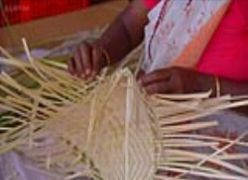
The Mishmi coat, a half-sleeve, thigh-length garment requiring highly skilled weavers, exemplifies their textile artistry. Men demonstrate expertise in basketry, crafting utilitarian and decorative items from bamboo and cane.
These handicrafts not only serve domestic needs but also generate income through trade.

Religious Beliefs and Spiritual Practices
Mishmi spirituality is fundamentally rooted in animism, characterized by belief in numerous benevolent and malevolent spirits (called “Khinu” in Idu Mishmi) that inhabit all elements of nature including forests, rivers, mountains, trees, rocks, and animals.
The Idu Mishmi recognize Maselo-Zinu and Nani Intaya as supreme creator deities responsible for mankind and the universe.
However, direct propitiation of these central deities by individuals is absent; instead, the spiritual realm is accessed exclusively through the institution of shamanism.
The shaman, known as “Igu” among the Idu Mishmi, holds a position of immense social prestige and spiritual authority. These spiritual specialists, often women, serve as mediators between the human and spirit worlds, performing rituals for health, prosperity, family well-being, dispute resolution, and protection from malevolent forces.
Every illness, misfortune, or calamity is attributed to spirits, necessitating shamanic intervention through elaborate rituals involving animal sacrifices, offerings, chanting, and dancing.
The Idu believe that spirits are omnipresent, omnipotent, and omniscient, with specific master spirits governing particular diseases, animals, and natural phenomena.
The animistic worldview extends to ecological practices, with rituals performed before felling trees, hunting animals, or disturbing soil to seek permission from resident spirits.
This spiritual covenant functions as an indigenous conservation mechanism, embedding ecological sustainability within religious practice.
The Igu tradition includes dramatic rituals such as the boiling water ordeal, wherein accused individuals immerse their hands in boiling water to prove innocence, with the belief that spirits protect the truthful from harm. Shamanic knowledge is hereditary, passed through specific family lines.
Tibetan Buddhist influences are evident in certain Mishmi religious practices, particularly among groups with historical contact with Tibetan populations.
Animal sacrifices, especially of mithun and pigs, are central to festivals and life-cycle rituals including pre- and post-delivery ceremonies.
The Mishmi worldview reflects what anthropologists term “unquestioning acceptance” of supernatural beliefs, with direct inquiry into spiritual matters considered taboo.
Festivals and Ceremonial Life
Major festivals serve as vehicles for cultural transmission, social cohesion, and spiritual expression.
The Reh Festival, celebrated on February 1 2 annually, marks the most important Idu Mishmi celebration.
Originally performed at the individual family level to seek blessings for relatives and prosperity, Reh was transformed in the late 1960s under the leadership of Ita Pulu into a community-wide event to foster brotherhood, unity, and cultural preservation.
The festival begins with shamanic chanting and dancing to thank Maselo-Zinu and Nani Intaya for blessings.
Ke-Meh-Ha, observed on September 24, celebrates the rice harvest and involves rituals to appease the goddess of prosperity.
The name means “ingestion of newly harvested rice,” signifying agricultural abundance. The Tamla Du Festival, initiated as a community celebration in 1972, honors agriculture, environment, and ancestral spirits, with participation from multiple tribal groups.
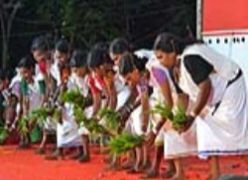
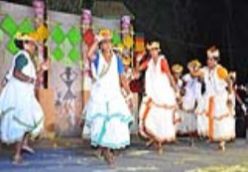
These festivals feature traditional music, folk songs, narrative performances, colorful traditional attire, and the sharing of home-brewed rice beer, reinforcing cultural identity across generations.
Material Culture and Traditional Attire
Mishmi clothing reflects both functional adaptation and cultural aesthetics. Women traditionally wear two-piece ensembles consisting of a long wrap-around skirt (called “Thuweh” or “Gale”) with multi-colored stripes on the lower portion, covered by a shorter fabric with matching striped designs, complemented by patterned tops and colorful stoles.
Traditional colors emphasize red, pink, and white. Women adorn themselves elaborately with silver necklaces studded with gemstones, white and orange stone necklaces, silver earrings, bangles, hair pins, and bands.
Particularly distinctive are necklaces constructed from antique silver coins and thin silver forehead plates, representing “stree dhan” (women’s inherited wealth) passed through generations.
These ornaments originated from ancient trading activities and constitute significant family assets.
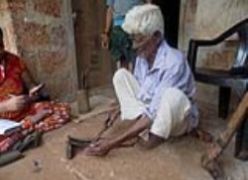
Men traditionally wear loincloths brought up between the legs with embroidered flaps hanging in front, topped by the iconic Mishmi coat reaching halfway down the thighs with elaborate embroidery on the lower half.
Headbands and turbans are common male accessories. The Idu Mishmi are particularly recognizable by their distinctive hairstyle—a cultural marker so significant that they are sometimes called “chulikata” (meaning “hair cut”), a designation connected to legendary narratives about Lord Krishna instructing them to cut their hair.

Contemporary Challenges and Cultural Preservation
The Mishmi face multiple contemporary challenges while navigating cultural preservation and modernization. Educational development began late due to geographic isolation and limited contact with colonial administrators, though literacy rates have improved significantly, with younger generations increasingly pursuing higher education and government careers.
The 1962 Sino-Indian War had profound impacts, severing traditional trans-border trade routes and social ties, particularly affecting the Deng Mishmi population in Tibet. Border militarization and restricted movement disrupted centuries-old economic and kinship networks.
Environmental challenges include the endangerment of Mishmi teeta Coptis teeta), once the cornerstone of Mishmi trade economy, now classified as rare and confined to small Eastern Himalayan areas.
While this medicinal plant retains high value in traditional ritual activities and global herbal medicine markets, commercialization efforts face obstacles including difficult terrain access, limited marketing infrastructure, and lack of intellectual property protections for traditional knowledge.
Government conservation initiatives and the National Medicinal Plants Board have introduced cultivation schemes with subsidies, though success requires coordinated efforts between tribal communities, agricultural experts, and pharmaceutical industries.
Conclusion
Cultural preservation concerns have prompted Mishmi communities to take proactive measures. The Idu created research ethics guidelines in the 21st century to ensure respectful engagement by outside researchers studying their culture.
Community-conserved areas have been declared on ancestral lands to protect biodiversity while maintaining traditional resource use rights.
The Idu support tiger conservation programs, viewing tigers as spiritual brothers sharing ancestral parents, with up to 90 percent of the regional tiger population residing in Idu community forests.
The transformation of traditionally private family festivals into community-wide celebrations exemplifies adaptive cultural preservation strategies designed to transmit knowledge to younger generations while strengthening collective identity in the face of modernization pressures.
The Mishmi worldview, with its deep ecological wisdom and animistic spiritual framework, is increasingly recognized as a model of indigenous environmental stewardship relevant to contemporary conservation discourse.
