
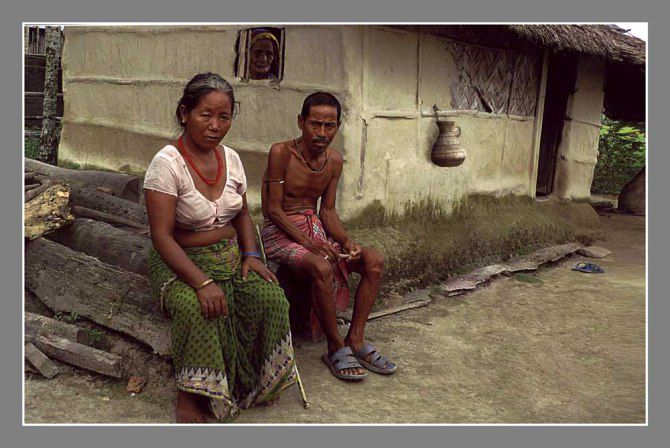
The Onge tribe represents one of the world’s most ancient indigenous communities, living on the remote Andaman Islands for thousands of years. This guide is perfect for students, researchers, and anyone curious about endangered cultures and indigenous peoples who want to understand this fascinating community.
The Onge people face serious challenges today, with their population dropping to critically low numbers. We’ll explore their rich cultural traditions and unique way of life that has survived for millennia. You’ll also learn about the modern threats putting their survival at risk and what’s being done to protect this remarkable tribe for future generations.
Origins and Historical Background of the Onge People
Ancient settlement patterns in the Andaman Islands
The Onge tribe represents one of the oldest continuous human settlements in the Andaman Islands, with their ancestors likely arriving during the great wave of early human migration out of Africa. These indigenous people established themselves primarily on Little Andaman Island, creating a distinct cultural enclave that has remained relatively isolated for thousands of years. Their settlement patterns reflect a deep understanding of the island’s geography, with communities traditionally positioned near freshwater sources and coastal areas that provide optimal access to both marine and terrestrial resources.
Archaeological surveys suggest the Onge developed a sophisticated understanding of seasonal patterns, establishing temporary camps across different parts of their territory based on resource availability. During monsoon seasons, they would move to higher ground and more sheltered areas, while dry periods saw them gravitating toward coastal regions where shellfish and other marine resources were abundant.
Genetic and anthropological connections to early human migrations
Recent genetic studies have revealed fascinating connections between the Onge tribe and some of the earliest human populations to migrate out of Africa. DNA analysis shows that the Onge share genetic markers with other indigenous groups across Southeast Asia and Oceania, suggesting their ancestors were part of the initial wave of human expansion that occurred roughly 50,000 to 70,000 years ago.
The Onge display unique genetic characteristics that set them apart from mainland Asian populations, including:
- Distinct mitochondrial DNA lineages that trace back to early coastal migrations
- Y-chromosome markers indicating ancient paternal lineages
- Autosomal DNA patterns showing minimal genetic mixing with outside populations
- Physical traits consistent with early human populations adapted to tropical island environments
These genetic signatures paint a picture of a population that has remained largely isolated since their initial arrival, making the Onge invaluable for understanding early human migration patterns and adaptation strategies.
Estimated timeline of Onge presence in the region
Determining exact timelines for Onge settlement remains challenging due to limited archaeological evidence and the tropical climate’s effect on organic materials. However, researchers estimate that the ancestors of the Onge arrived in the Andaman Islands between 26,000 and 30,000 years ago, during a period when sea levels were significantly lower and island-hopping would have been more feasible.
The timeline breaks down roughly as follows:
This extended timeline demonstrates the remarkable continuity of Onge presence in the region, making them one of the longest continuously settled populations in any single location on Earth.
Archaeological evidence of their ancestral lifestyle
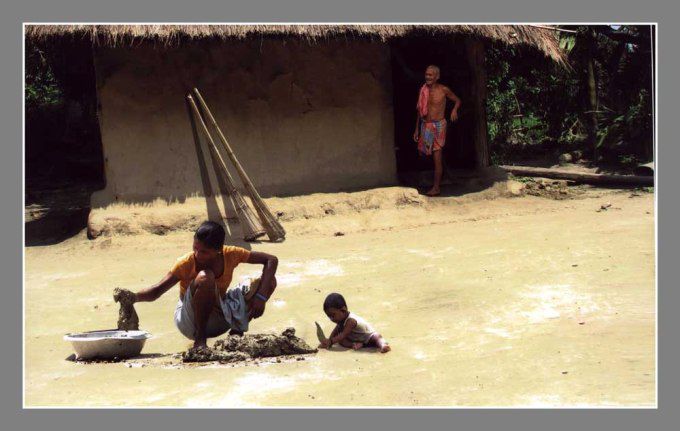
Archaeological investigations on Little Andaman Island have uncovered evidence spanning thousands of years of Onge occupation. Shell middens – large accumulations of discarded shells and other food remains – provide the clearest picture of their ancestral lifestyle and dietary patterns. These archaeological deposits reveal a people who were master foragers, skilled at exploiting both marine and terrestrial resources.
Key archaeological findings include:
- Shell tools and implements fashioned from locally available materials
- Fire hearths indicating controlled use of fire for cooking and warmth
- Bone fragments from hunted animals including wild pigs and sea turtles
- Plant remains showing extensive knowledge of edible island flora
- Stone tools adapted specifically for island environments
The archaeological record shows remarkable consistency in Onge material culture over millennia, suggesting a successful adaptation to their island environment that required little modification over time. Their ancestors developed efficient methods for obtaining food, creating shelter, and manufacturing tools that served them well across countless generations. This archaeological evidence supports the view that the Onge developed a sustainable way of life that allowed them to thrive in their island home for tens of thousands of years.
Geographic Distribution and Traditional Territories
Primary locations on Little Andaman Island
The Onge tribe calls Little Andaman Island home, specifically occupying the southeastern portion of this 700-square-kilometer island. Their primary settlements are scattered across the coastal areas and inland forests of this region, where they’ve maintained their ancestral presence for thousands of years. The tribe traditionally divided their territory into distinct zones, each serving specific purposes for their survival and cultural practices.
The main concentration of Onge communities centers around Dugong Creek and South Bay areas, where freshwater sources meet coastal resources. These locations provide optimal access to both marine and terrestrial food sources that form the backbone of their subsistence lifestyle. The dense tropical forests surrounding these settlements offer shelter materials, medicinal plants, and hunting opportunities that the Onge have expertly navigated for generations.
Traditional hunting and gathering grounds
The Onge people developed sophisticated knowledge of their island’s ecosystems, establishing specific areas for different subsistence activities. Their hunting grounds extend throughout the interior forests where wild pigs, monitor lizards, and various bird species provide protein sources. The tribe’s intimate understanding of animal behavior patterns allows them to predict the best hunting locations during different seasons.
Coastal areas serve as critical gathering grounds for shellfish, crabs, and sea turtles. The Onge have identified specific reef systems and tidal pools that consistently yield marine resources. Their knowledge includes understanding tidal patterns, seasonal availability of different species, and sustainable harvesting practices that ensure long-term resource availability.
Forest gathering areas provide honey, roots, fruits, and medicinal plants. The tribe recognizes dozens of plant species and their various uses, from food preparation to traditional healing. Women typically manage these gathering activities, passing down detailed botanical knowledge through generations.
Seasonal movement patterns across their territory
The Onge tribe follows cyclical movement patterns that align with seasonal resource availability and weather conditions. During the dry season, communities move closer to permanent water sources and concentrate activities around areas where fruit trees are most productive. This period sees increased inland movement as forest resources become more accessible.
Monsoon seasons bring different movement patterns, with families often relocating to elevated areas that provide better shelter from heavy rains and flooding. Coastal camps become more important during calmer weather periods when marine resources are easier to harvest. These movements aren’t random migrations but carefully planned relocations based on generations of environmental observation.
The tribe’s seasonal calendar includes specific times for different activities: honey collection during flowering seasons, turtle egg gathering during nesting periods, and intensive fishing during optimal tidal conditions. Each family group maintains detailed knowledge of the best locations and timing for these activities.
Impact of modern boundaries on tribal lands
Government establishment of formal boundaries has significantly altered traditional Onge territorial use patterns. The creation of the Onge Tribal Reserve in 1957 restricted the tribe to approximately 110 square kilometers, roughly one-sixth of their original territory. This reduction forced major adjustments to traditional movement patterns and resource management strategies.
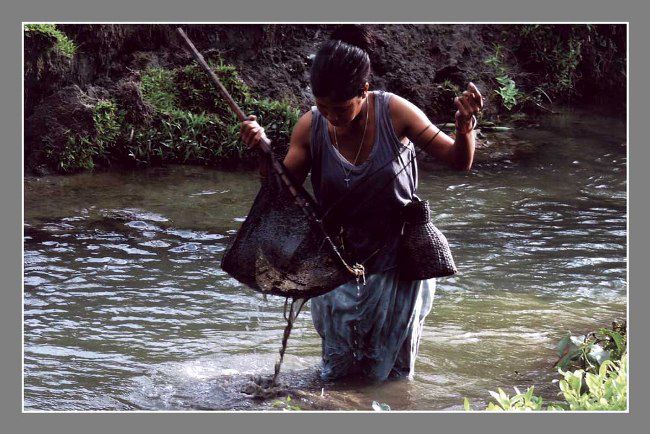
Settlement programs and infrastructure development have fragmented traditional territories, creating barriers to ancestral movement routes. Roads, administrative buildings, and restricted zones now interrupt pathways that the Onge used for centuries to access different resource areas.
The introduction of fixed settlement policies conflicts with the tribe’s traditional semi-nomadic lifestyle. Government-built permanent structures and designated village areas don’t align with seasonal movement needs, creating tension between traditional practices and modern administrative requirements. Many traditional gathering grounds now fall outside designated tribal areas, limiting access to important cultural and subsistence resources.
Cultural Practices and Traditional Way of Life
Hunter-gatherer lifestyle and survival techniques
The Onge tribe has mastered the art of living off the land for thousands of years. Their survival depends on intimate knowledge of the Andaman Islands’ forests and coastal areas. Men typically hunt wild boar, fish, and collect honey, while women gather roots, fruits, and shellfish. They use handmade bows and arrows with iron tips, often obtained through trade with other tribes.
Their fishing techniques are particularly sophisticated. The Onge create dugout canoes from single tree trunks and use harpoons, nets, and traps to catch fish in both shallow lagoons and deeper waters. They know exactly when different fish species migrate and which areas provide the best catches during various seasons.
Fire-making remains a crucial skill passed down through generations. They create fire using the traditional friction method with specific types of wood that ignite easily. This fire serves multiple purposes: cooking food, providing warmth, keeping insects away, and creating smoke signals for communication.
Traditional housing and settlement structures
Onge settlements reflect their semi-nomadic lifestyle and deep connection to their environment. They construct temporary shelters called “beehive huts” using bent saplings covered with large leaves, bark, and grass. These dome-shaped structures provide excellent protection from tropical rains and strong winds common in the Andaman Islands.
The settlements usually consist of 4-6 huts arranged in a loose circle, housing extended family groups of 20-30 people. They choose locations near freshwater sources and areas rich in natural resources. When resources become scarce or seasons change, the entire group moves to a new location, leaving minimal environmental impact.
Inside the huts, sleeping areas are elevated slightly off the ground using woven mats made from palm leaves. Personal belongings are minimal and practical – mainly tools, weapons, and decorative items. The Onge don’t accumulate possessions since their lifestyle requires mobility and adaptability.
Spiritual beliefs and connection to nature
The Onge worldview centers on the belief that all elements of nature possess spirits. They worship Puluga, their supreme deity associated with the monsoon and creation. According to their beliefs, Puluga created the first man and woman and taught them how to make fire and hunt.
They practice elaborate rituals during important life events like births, coming-of-age ceremonies, and deaths. Shamans, known as “oko-jumu,” serve as intermediaries between the physical and spiritual worlds. These spiritual leaders perform healing ceremonies, predict weather patterns, and guide important tribal decisions.
The Onge believe that disturbing nature without purpose brings misfortune. They take only what they need from the environment and perform small ceremonies before hunting or gathering to ask permission from the spirits. This spiritual framework has helped them maintain sustainable practices for generations.
Ancestors hold special significance in their belief system. They believe deceased tribe members become protective spirits who watch over the living and can influence daily events. This connection to ancestors reinforces community bonds and cultural continuity.
Oral traditions and storytelling customs
Storytelling serves as the primary method for preserving Onge history, knowledge, and cultural values. Elders share stories around evening fires, passing down creation myths, hunting techniques, and moral lessons to younger generations. These oral traditions contain practical information about seasonal changes, animal behavior, and navigation techniques disguised within entertaining narratives.
Their stories often feature anthropomorphized animals and natural phenomena, teaching listeners about proper behavior and consequences of breaking tribal customs. Popular tales include stories about why certain animals behave as they do and how geographical features of their islands came to exist.
Songs accompany many stories, with specific melodies reserved for different types of narratives. The Onge use call-and-response singing patterns during group activities like fishing expeditions or food preparation. These musical traditions help strengthen community bonds and make work more enjoyable.
Riddles and word games are popular evening entertainment, particularly enjoyed by children and adolescents. These activities sharpen mental abilities while reinforcing language skills and cultural knowledge essential for survival in their environment.
Traditional arts, crafts, and body decorations
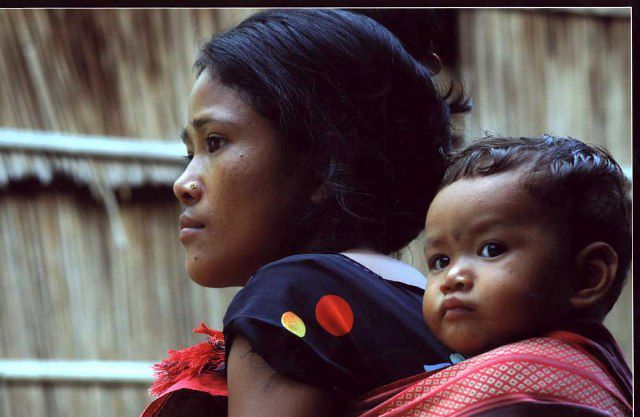
The Onge create beautiful and functional items using natural materials from their surroundings. They craft intricate baskets from palm fronds and bark strips, designing different shapes and sizes for specific purposes like collecting honey, carrying fish, or storing personal items. Their weaving techniques produce remarkably durable containers that last for months of regular use.
Body decoration plays a significant role in Onge culture. They create white and red clay paints from natural minerals mixed with plant oils. These decorative patterns serve multiple purposes: protection from insects, identification of tribal affiliation, and spiritual significance during ceremonies. Different designs indicate age, marital status, and social position within the community.
Both men and women wear minimal clothing, typically leaf aprons or bark cloth strips. They create jewelry from shells, seeds, and bones, with necklaces and arm bands being most common. Feathers from various birds are incorporated into headpieces worn during special occasions.
Their artistic expression extends to decorating tools and weapons. Arrows feature carved designs, and boat paddles often display symbolic patterns. These decorations aren’t merely aesthetic – they also help identify the owner and may carry spiritual protection for the user during hunting or fishing activities.
Social Structure and Community Organization
Family Units and Kinship Systems
The Onge tribe operates on a complex kinship system that forms the backbone of their social organization. Extended families typically consist of 15-20 individuals spanning three to four generations, with blood relations and marriage ties creating intricate networks of mutual support and obligation. These family units share hunting territories, gathering rights, and ceremonial responsibilities that have been passed down through generations.
Marriage patterns among the Onge follow strict rules that prevent unions between close relatives, ensuring genetic diversity within their small population. Cross-cousin marriages are preferred, creating strong bonds between different family lineages. When couples marry, they often establish their residence based on practical considerations like hunting territories or the availability of resources, rather than following rigid patrilocal or matrilocal rules.
Kinship terminology reflects the tribe’s deep understanding of family relationships, with specific terms for maternal and paternal relatives that indicate their roles and responsibilities. Children learn these complex relationships early, understanding their place within the larger family network and the obligations that come with different kinship positions.
Leadership Roles and Decision-Making Processes
The Onge tribe doesn’t follow a hierarchical leadership structure like many other societies. Instead, they practice a form of consensus-based decision-making where experienced elders and skilled hunters naturally emerge as influential voices during discussions. These informal leaders gain respect through their knowledge of traditional practices, hunting prowess, and ability to mediate conflicts.
Decision-making typically occurs during evening gatherings when the community discusses important matters affecting the group. Everyone has the right to voice their opinions, though the weight given to different perspectives often depends on the speaker’s experience and expertise in the relevant area. Young adults gradually participate more in these discussions as they gain life experience and demonstrate their commitment to tribal welfare.
Seasonal activities like major hunts or ceremonial preparations require collective planning, with different individuals taking charge based on their specialized knowledge. This flexible leadership approach allows the Onge to adapt quickly to changing circumstances while maintaining social cohesion and respecting traditional wisdom.
Gender Roles and Responsibilities Within the Tribe
Gender roles among the Onge reflect practical divisions of labor that maximize survival efficiency in their island environment. Men typically handle offshore fishing, large game hunting, and tool-making activities that require extended periods away from the settlement. They craft bows, arrows, and harpoons, and possess specialized knowledge about ocean currents, fish behavior, and navigation techniques.
Women focus on gathering activities, small game hunting, food preparation, and maintaining the domestic sphere. They collect honey, dig for tubers, gather shellfish along the shoreline, and process various plant materials for food and medicine. Women also play crucial roles in childcare and passing down cultural knowledge through storytelling and traditional practices.
Despite these general patterns, the Onge maintain flexibility in gender roles when circumstances require it. Women may join certain hunting activities, and men often participate in gathering when opportunities arise. Both genders share responsibilities in child-rearing, with fathers actively involved in teaching sons traditional skills while mothers ensure daughters learn essential gathering techniques and cultural practices.
The complementary nature of these roles creates a balanced social system where both men and women hold essential positions in ensuring the tribe’s survival and cultural continuity.
Language and Communication Systems
Unique linguistic characteristics of the Onge language
The Onge language belongs to the Great Andamanese family, making it one of the most linguistically isolated languages on Earth. This unique tongue has no proven connections to any mainland language families, representing an extraordinary linguistic heritage that dates back tens of thousands of years. The language operates on a complex system of tonal variations and nasal sounds that create meaning distinctions impossible to replicate in most modern languages.
What makes Onge particularly fascinating is its incredibly rich vocabulary for describing forest environments, weather patterns, and marine ecosystems. The language contains dozens of specific terms for different types of waves, wind patterns, and seasonal changes that reflect the tribe’s deep connection to their natural surroundings. Color terminology in Onge differs dramatically from Western concepts, with distinctions based on natural phenomena rather than abstract color wheels.
The grammatical structure follows patterns completely different from Indo-European languages, using body-part prefixes to indicate spatial relationships and possession. Speakers use specific sounds and intonations that carry cultural meanings beyond simple communication, incorporating elements of storytelling and traditional knowledge transmission into everyday conversation.
Challenges in language preservation and documentation
Language documentation efforts for Onge face enormous obstacles due to the tribe’s critically small population and their understandable wariness of outsiders. With fewer than 100 native speakers remaining, every elderly community member represents an irreplaceable repository of linguistic knowledge that disappears upon their death. The absence of a written tradition makes documentation even more urgent and complex.
Researchers encounter significant ethical and practical barriers when attempting to record and study the language. The Onge tribe has experienced centuries of exploitation and cultural disruption, making community members naturally protective of their remaining traditions. Building trust requires years of relationship-building, and many tribal members prefer to keep their language private rather than risk further cultural appropriation.
Technical challenges compound these human factors. The language’s tonal qualities and unique sound patterns don’t translate well to standard recording equipment, requiring specialized linguistic tools that are difficult to transport to remote locations. The cultural context embedded in many words and phrases makes accurate translation nearly impossible without deep cultural understanding.
Impact of outside contact on native communication
Contact with the outside world has dramatically altered how the Onge tribe communicates both internally and with outsiders. Younger generation members often struggle with fluency in their native tongue, as Hindi and basic English become more necessary for interacting with government officials, healthcare workers, and researchers who visit their communities.
The introduction of outside languages has created a generational communication gap within Onge families. Grandparents who speak primarily Onge find themselves unable to fully share cultural knowledge with grandchildren who are more comfortable communicating in borrowed languages. This shift represents more than just linguistic change—it fundamentally alters how cultural wisdom passes from one generation to the next.
Modern communication needs have forced the Onge people to develop code-switching abilities, seamlessly moving between their traditional language and outside languages depending on the situation. While this adaptation shows remarkable linguistic flexibility, it also accelerates the erosion of traditional communication patterns and cultural concepts that exist only within their native language framework.
Current Population Status and Demographics
Historical population decline and contributing factors
The Onge tribe has experienced a devastating population decline over the past century and a half. Historical records from the British colonial period indicate that the Onge population once numbered in the thousands across the Andaman Islands. By the early 1900s, their numbers had already dropped significantly to several hundred individuals.
Disease outbreaks brought by outside contact proved catastrophic for the Onge people, who had no immunity to common illnesses like measles, influenza, and tuberculosis. These epidemics wiped out entire family groups and severely disrupted their traditional social structures. The establishment of colonial settlements and later development projects forced many Onge families from their ancestral territories, breaking their deep connection to specific forest areas that provided both spiritual meaning and survival resources.
Interference with their traditional hunting and gathering practices created additional stress on the community. When access to their customary fishing waters and honey-collecting trees became restricted, the Onge struggled to maintain their traditional diet and way of life. This disruption led to malnutrition and increased vulnerability to disease.
The psychological impact of cultural disruption cannot be understated. As their traditional lifestyle became increasingly difficult to maintain, many Onge individuals experienced profound grief and disorientation, contributing to reduced birth rates and increased mortality.
Present-day population figures and trends
Current estimates place the total Onge population at fewer than 120 individuals, making them one of the world’s most critically endangered indigenous groups. This represents a staggering decline of over 95% from their pre-contact numbers. The Onge tribe now lives primarily in two small settlements on Little Andaman Island: Dugong Creek and South Bay.
Population tracking has become more systematic in recent decades, though exact numbers remain fluid due to births, deaths, and occasional movement between settlements. Government records from the Andaman and Nicobar Administration show that the population has remained relatively stable over the past two decades, hovering between 100 and 120 individuals, but this stability masks underlying demographic challenges.
Recent trends show extremely slow population growth, with birth rates barely keeping pace with mortality rates. The community faces what demographers call a “demographic bottleneck” – a situation where the population becomes so small that genetic diversity decreases and long-term survival becomes questionable. Medical interventions and improved healthcare access have helped reduce some causes of mortality, but the fundamental challenge of maintaining a viable breeding population remains.
Age distribution and community sustainability concerns
The age structure of the current Onge population reveals serious sustainability challenges. A significant portion of the community consists of older adults who remember traditional ways of life but are beyond their reproductive years. The middle-aged population, crucial for cultural transmission and community leadership, represents a relatively small group carrying enormous responsibility for preserving Onge traditions.
Children and young adults make up the smallest demographic segment, creating an inverted population pyramid that signals potential extinction. With fewer than 30 individuals under the age of 18, the future reproductive capacity of the Onge tribe remains severely limited. This age distribution pattern means that traditional knowledge transfer from elders to younger generations happens within an increasingly narrow window.
The small population size creates additional complications for marriage and family formation. Traditional Onge kinship rules, designed for much larger populations, become difficult to follow when potential marriage partners are limited. This situation forces the community to adapt their social customs while trying to maintain cultural integrity.
Gender imbalances within specific age groups compound these challenges. When birth rates are low and the total population is tiny, even small variations in the male-to-female ratio can have significant long-term consequences for population growth. The Onge community currently faces periods where eligible marriage partners of appropriate ages are scarce, directly impacting family formation and birth rates.
Modern Challenges and Threats to Survival
Environmental Degradation and Habitat Loss
The pristine forests of Little Andaman Island, home to the Onge tribe, face mounting pressure from deforestation and development projects. Logging operations, both legal and illegal, have dramatically reduced the dense tropical canopy that the Onge depend on for hunting, gathering, and spiritual practices. Road construction and infrastructure development fragment their traditional territories, making it harder for wildlife to thrive and disrupting the delicate ecosystem balance that has sustained the Onge for millennia.
Climate change adds another layer of complexity, with rising sea levels threatening coastal areas where the Onge traditionally collected shellfish and conducted fishing activities. Unpredictable weather patterns disrupt seasonal cycles that guide their hunting and gathering practices. The introduction of invasive plant species alters the forest composition, reducing the availability of traditional food sources and medicinal plants that form the backbone of Onge survival knowledge.
Disease Susceptibility and Health Vulnerabilities
The Onge tribe faces severe health challenges due to their isolated evolutionary history. Their immune systems lack resistance to common diseases that outsiders carry, making even minor illnesses potentially fatal. Respiratory infections, measles, and other communicable diseases have historically devastated their small population, with some outbreaks reducing their numbers by significant percentages.
Modern medical intervention creates a double-edged situation. While healthcare access can save lives, the dependency on outside medical systems undermines traditional healing practices and knowledge systems. The Onge struggle with lifestyle diseases as their diet shifts from traditional forest foods to processed items. Malnutrition becomes a concern when traditional food sources become scarce, yet modern alternatives often lack the nutritional complexity their bodies evolved to process.
Genetic diversity within the small Onge population presents long-term health risks. With fewer than 100 individuals remaining, the gene pool limitations increase susceptibility to hereditary conditions and reduce overall population resilience.
Cultural Assimilation Pressures from Outside Influences
Contact with the modern world brings intense pressure for the Onge to abandon their traditional lifestyle. Younger generations increasingly encounter outside influences through government programs, medical visits, and occasional contact with researchers or officials. These interactions often present modern conveniences and different worldviews that can seem attractive compared to the demanding traditional lifestyle.
Educational programs, while well-intentioned, typically emphasize mainstream Indian culture and languages rather than preserving Onge traditions. This creates a generational divide where elders struggle to pass down crucial cultural knowledge to youth who may be more interested in outside opportunities. Traditional skills like fire-making, hunting techniques, and forest navigation risk disappearing as younger Onge members show less interest in learning these ancestral practices.
Religious and cultural conversion efforts, though restricted, still occur through indirect channels. The Onge spiritual system, deeply connected to forest spirits and natural cycles, competes with outside religious concepts that may seem more appealing to individuals facing the hardships of traditional life.
Government Policies Affecting Tribal Autonomy
Indian government policies toward the Onge reflect broader national approaches to indigenous rights, often prioritizing protection over self-determination. Restricted access policies that limit Onge movement and interaction with outsiders, while designed to protect them, also reduce their agency in determining their own future. These protective measures sometimes feel more like confinement than conservation to the Onge people themselves.
Development projects approved without meaningful Onge consultation directly impact their territories. Mining proposals, tourism infrastructure, and military installations threaten traditional lands while the Onge have limited legal recourse or political representation to oppose these initiatives. The paternalistic approach of many government programs assumes that officials know what’s best for the Onge without incorporating their own preferences and decision-making processes.
Resource allocation decisions made by distant bureaucrats often miss the mark on what the Onge actually need. Healthcare programs may focus on treating symptoms rather than addressing root causes, while economic development initiatives may promote activities that conflict with traditional Onge values and environmental relationships.
Conservation Efforts and Protection Measures
Government initiatives for tribal welfare and protection
The Indian government has put several protective measures in place specifically for the Onge tribe living in Little Andaman Island. The Andaman and Nicobar Islands (Protection of Aboriginal Tribes) Regulation, 1956, serves as the primary legal framework safeguarding the rights and territories of the Onge people. This regulation classifies their traditional lands as protected areas, making unauthorized entry a punishable offense.
The Andaman and Nicobar Administration works closely with the Tribal Welfare Department to ensure the Onge receive necessary support while respecting their autonomy. Special provisions include subsidized food supplies, basic medical care, and educational opportunities tailored to their cultural preferences. The government also employs tribal welfare officers who speak the local language and understand Onge customs to facilitate better communication and service delivery.
Budget allocations under various tribal development schemes provide funding for infrastructure improvements in Onge settlements, including the construction of community halls and improved housing facilities. The administration maintains a careful balance between providing modern amenities and preserving traditional lifestyles, allowing the Onge to choose which aspects of contemporary life they want to adopt.
Restricted access policies to preserve their homeland
Strict entry restrictions protect the Onge tribe’s traditional territories from external interference and potential exploitation. The entire Little Andaman Island, except for designated settler areas, remains off-limits to tourists, researchers, and commercial enterprises without proper authorization from the tribal welfare authorities.
These access controls serve multiple purposes: preventing the spread of diseases that could devastate the tribal population, maintaining the ecological balance of their environment, and preserving their cultural practices from outside influence. Special permits are required even for government officials, medical personnel, and researchers who need to enter Onge territories for official purposes.
The restricted access policy extends to maritime boundaries around the island, with coastal patrol boats monitoring the waters to prevent unauthorized landings. Fishing restrictions in traditional Onge fishing grounds help maintain their food security and prevent conflicts with commercial fishing operations. Photography and filming of Onge individuals require explicit consent and are generally discouraged to protect their privacy and dignity.
Healthcare and education programs adapted for the community
Healthcare services for the Onge tribe focus on preventive care and culturally sensitive treatment approaches. Mobile medical units visit Onge settlements regularly, providing vaccinations, health check-ups, and treatment for common ailments. Medical staff receive specialized training in tribal customs and employ local interpreters to ensure effective communication during medical consultations.
The healthcare program respects traditional healing practices while introducing modern medicine gradually. Onge traditional healers often work alongside government medical officers, creating a hybrid approach that combines indigenous knowledge with contemporary medical science. Special attention is given to maternal and child health, with trained midwives available during childbirth and regular monitoring of infant development.
Educational initiatives respect the Onge preference for maintaining their traditional lifestyle while offering optional schooling opportunities. Small schools in Onge settlements provide basic literacy and numeracy skills in their native language alongside Hindi and English. The curriculum incorporates traditional Onge knowledge about forest management, fishing techniques, and cultural practices, ensuring that formal education supplements rather than replaces indigenous learning.
Teachers undergo cultural sensitivity training and often include Onge elders in the educational process to maintain cultural continuity. Students can choose their level of participation in formal education, with many opting for basic literacy skills while continuing to learn traditional skills from their families and community members.
International recognition and support for indigenous rights
The Onge tribe benefits from various international frameworks protecting indigenous peoples’ rights, including the United Nations Declaration on the Rights of Indigenous Peoples. International human rights organizations regularly monitor the situation of tribal communities in the Andaman and Nicobar Islands, providing external oversight and advocacy support.
Academic institutions worldwide study Onge culture and language, contributing to documentation efforts that help preserve their heritage for future generations. International anthropologists and linguists work with government agencies to create comprehensive records of Onge traditions, stories, and linguistic patterns, ensuring this knowledge doesn’t disappear.
Global indigenous rights networks provide platforms for sharing best practices in tribal protection and development. The Onge case often serves as an example in international forums discussing the balance between development and indigenous rights preservation. International funding agencies occasionally support specific projects related to Onge welfare, including sustainable development initiatives and cultural preservation programs.
Conservation organizations recognize the Onge as important custodians of Little Andaman’s biodiversity, supporting their traditional ecological knowledge and land management practices. This recognition helps justify continued protection of their territories and validates their role as environmental stewards in international conservation discussions.
The Onge people represent one of the world’s most ancient and remarkable indigenous communities, with roots stretching back thousands of years in the Andaman Islands. Their unique cultural practices, sophisticated social structures, and distinct language systems showcase the incredible diversity of human civilization. From their traditional hunting and gathering methods to their intricate community bonds, the Onge have maintained a way of life that connects them deeply to their ancestral lands and natural environment.
Today, this extraordinary tribe faces serious challenges that threaten their very existence. With a critically small population and mounting pressures from modernization, disease, and habitat loss, the Onge need our immediate attention and support. The conservation efforts already in place provide hope, but they require continued commitment and resources to succeed. We can all play a part by raising awareness about indigenous rights, supporting organizations that work to protect vulnerable communities, and advocating for policies that respect and preserve their traditional territories and way of life.
