
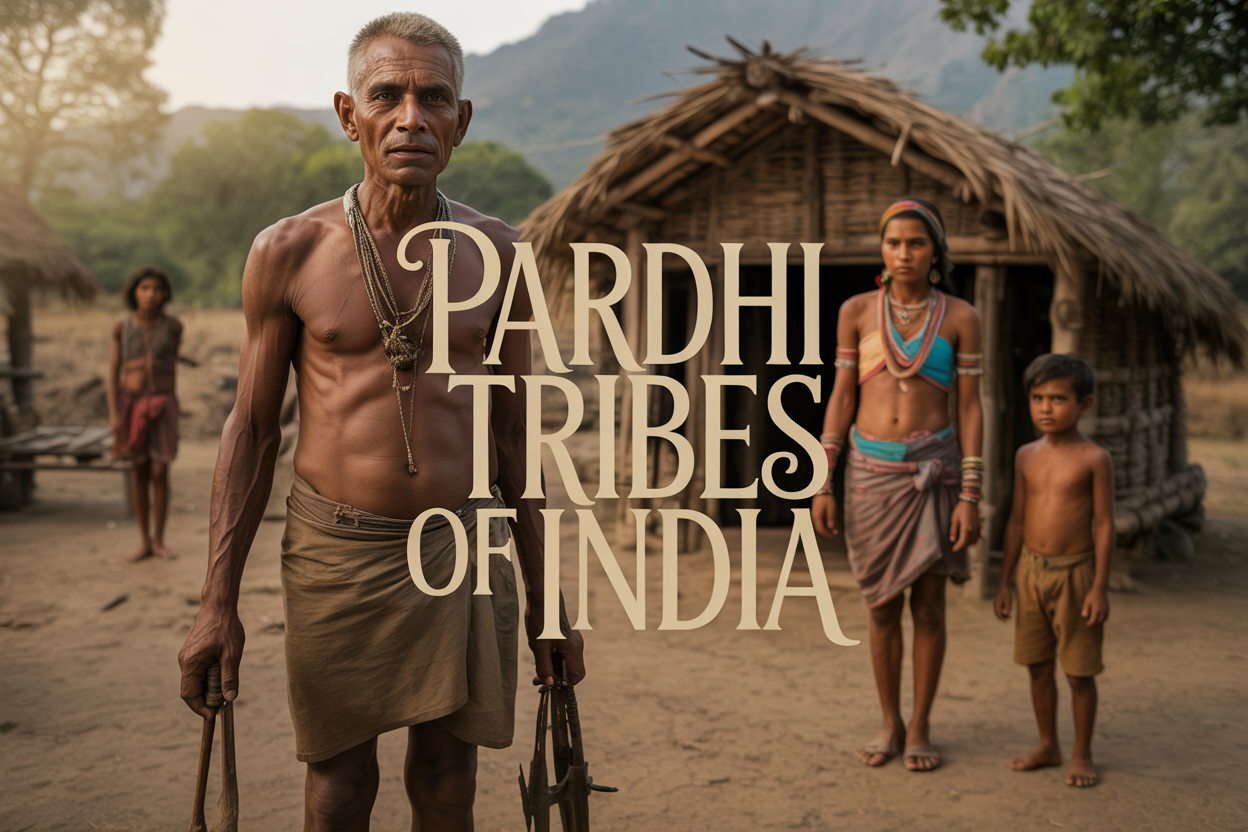
The Pardhi Tribes of India represent one of the country’s most resilient indigenous communities, with a rich cultural heritage spanning centuries. This guide is designed for students, researchers, cultural enthusiasts, and anyone interested in understanding India’s diverse tribal populations and their ongoing journey.
Thank you for reading this post, don't forget to subscribe!We’ll explore the historical origins and cultural heritage that shaped Pardhi identity, diving into their traditional hunting practices, spiritual beliefs, and unique social customs that have survived generations. You’ll also discover their traditional lifestyle and social structure, including family dynamics, community leadership, and the intricate relationships that bind Pardhi society together.
Finally, we’ll examine the modern socio-economic conditions facing these communities today, from education and employment challenges to government support programs aimed at improving their quality of life. This comprehensive look will help you understand both the struggles and triumphs of the Pardhi people in contemporary India.
Historical Origins and Cultural Heritage of Pardhi Communities
Ancient nomadic traditions and tribal ancestry
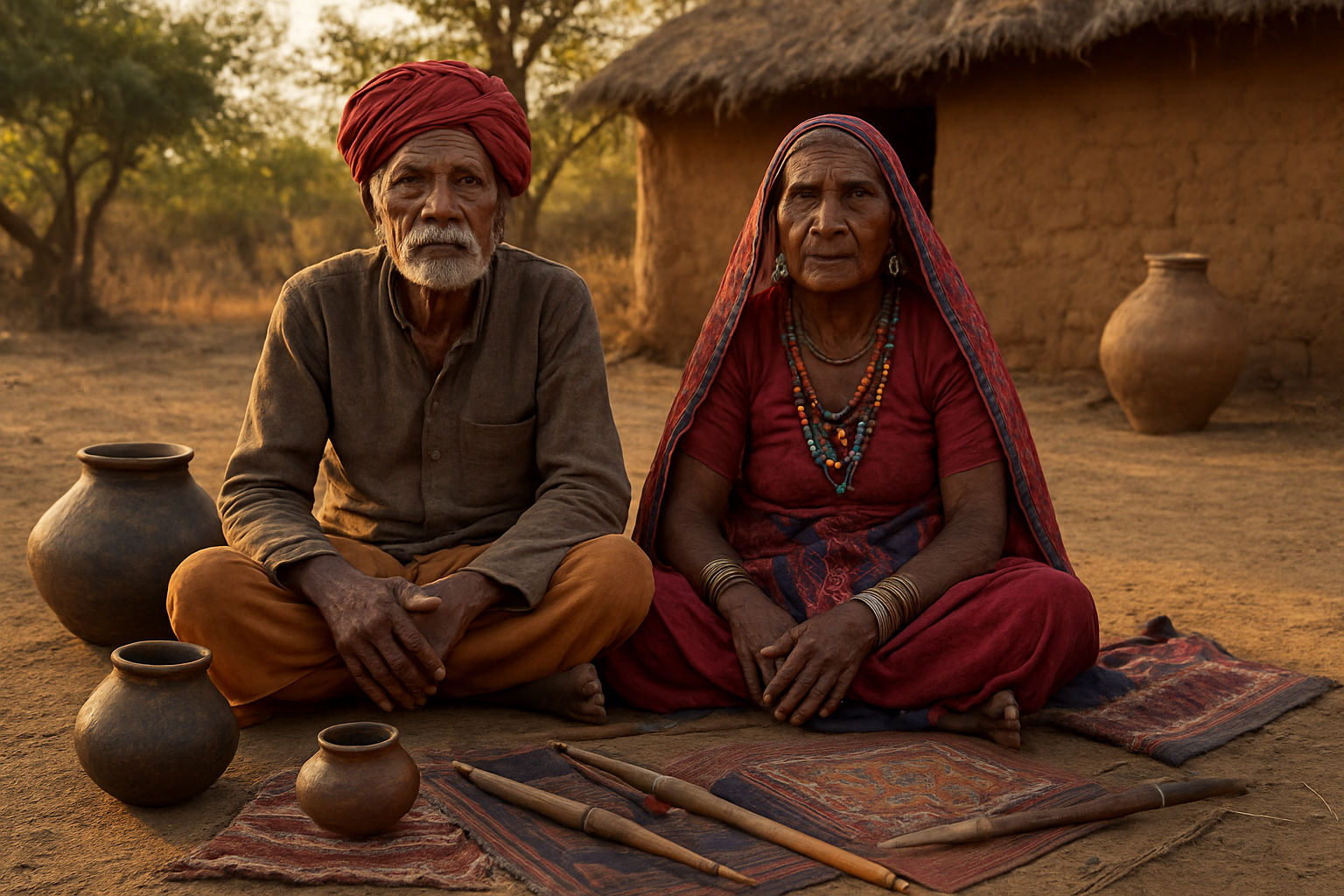
The Pardhi tribes trace their lineage back thousands of years to ancient nomadic hunting communities that roamed the Indian subcontinent. Archaeological evidence and oral traditions suggest their ancestors were skilled hunters and gatherers who developed sophisticated tracking techniques and intimate knowledge of forest ecosystems. These early communities followed seasonal migration patterns, moving between different regions based on wildlife availability and climatic conditions.
The name “Pardhi” itself derives from the Marathi word “paradh,” meaning hunting, which reflects their deep-rooted connection to this ancestral occupation. DNA studies and linguistic analysis indicate the Pardhis belong to the broader Dravidian tribal family, with genetic markers suggesting they are among the earliest inhabitants of central India. Their oral histories speak of legendary hunters who could track animals across vast distances and survive in harsh wilderness conditions using only traditional tools and knowledge.
Geographic distribution across central and western India
Pardhi communities are primarily concentrated across several states in central and western India, with significant populations in Maharashtra, Madhya Pradesh, Gujarat, Rajasthan, and parts of Karnataka. The largest concentrations exist in the forested regions of the Western Ghats and the Satpura mountain ranges, areas that historically provided abundant wildlife and natural resources.
| State | Primary Districts | Population Estimate |
|---|---|---|
| Maharashtra | Pune, Ahmednagar, Nashik | 85,000-95,000 |
| Madhya Pradesh | Betul, Hoshangabad, Sehore | 60,000-70,000 |
| Gujarat | Sabarkantha, Banaskantha | 35,000-40,000 |
| Rajasthan | Udaipur, Dungarpur | 25,000-30,000 |
Different sub-groups of Pardhis have adapted to various ecological zones. The Vaghri Pardhis traditionally inhabited coastal and semi-arid regions, while the Phase Pardhis settled in forested hills. The Thakar Pardhis established themselves in mountainous areas, each group developing location-specific survival strategies and cultural practices that reflected their environmental adaptation.
Traditional occupations and survival skills
Hunting formed the cornerstone of traditional Pardhi society, but their skills extended far beyond simple animal tracking. These communities developed intricate knowledge systems encompassing weather prediction, herbal medicine, animal behavior, and sustainable resource management. Men specialized in hunting using traditional weapons like bows, arrows, and ingenious trap systems, while women gathered medicinal plants, roots, and other forest products.
Pardhi hunters were renowned for their ability to:
- Track animals using minimal visual cues like broken twigs or disturbed soil
- Create silent communication systems using bird calls and hand signals
- Construct temporary shelters using only natural materials
- Navigate dense forests without modern instruments
- Predict seasonal changes through natural indicators
Beyond hunting, many Pardhis developed expertise in animal training, particularly with hunting dogs and birds of prey. Some groups became skilled in metalworking, creating their own hunting implements and trading tools with settled communities. Seasonal occupations included honey collection, rope making from natural fibers, and serving as guides for travelers crossing difficult terrain.
Cultural practices and belief systems
Pardhi spiritual beliefs center around animism and nature worship, reflecting their intimate relationship with the natural world. They believe in the existence of spirits inhabiting trees, rocks, water bodies, and animals, with elaborate rituals designed to maintain harmony between human activities and natural forces. The community worships various deities including Khandoba, Bhavani, and local forest spirits known as “Devrai.”
Their religious calendar revolves around seasonal festivals that coincide with hunting seasons and agricultural cycles. The Holi celebration holds special significance, marking the beginning of the hunting season, while Diwali represents the time for honoring ancestors and seeking blessings for successful hunts. Shamanic practices remain integral to Pardhi culture, with traditional healers using plant-based medicines and spiritual ceremonies to treat illnesses.
Marriage customs emphasize clan exogamy and arranged unions, with elaborate ceremonies that can last several days. The bride price tradition reflects the economic value of skilled individuals within the community. Death rituals involve cremation followed by specific mourning periods, with the deceased’s hunting tools ceremonially broken or buried with them to assist their journey to the afterlife.
Traditional governance follows a council system where elder males make collective decisions about hunting territories, conflict resolution, and community welfare. This democratic structure ensures that knowledge and resources are shared equitably among families while maintaining social order during their nomadic lifestyle.
Traditional Lifestyle and Social Structure
Nomadic patterns and seasonal migrations
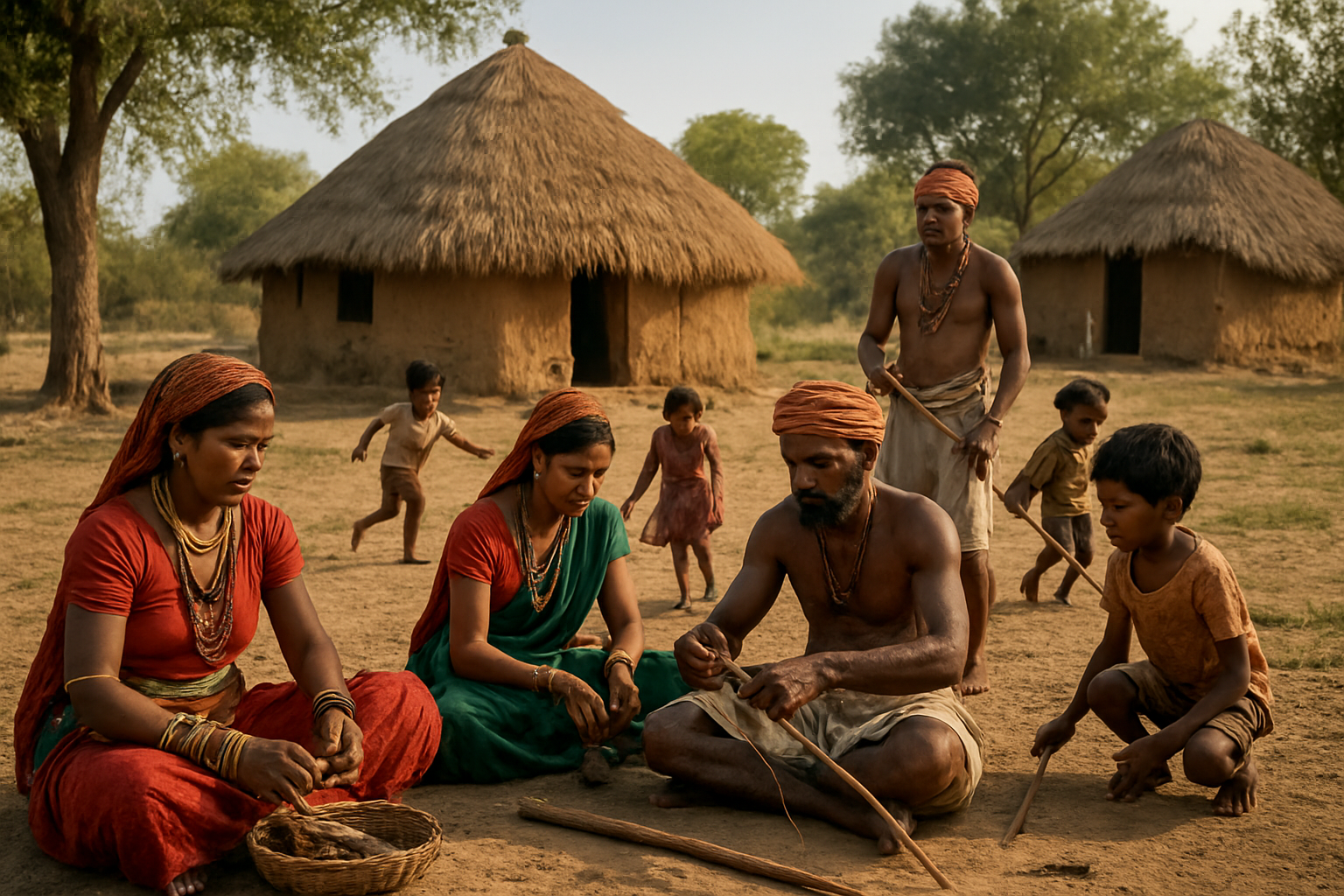
Pardhi communities have maintained intricate migration patterns for centuries, moving across vast territories in response to seasonal changes, resource availability, and traditional hunting grounds. These movements typically follow predictable routes that span multiple states, with different sub-tribes covering territories from Maharashtra and Gujarat to Madhya Pradesh and Rajasthan.
The timing of these migrations aligns closely with agricultural cycles and weather patterns. During monsoon seasons, many Pardhi groups move toward forested areas where game is abundant and water sources are reliable. As winter approaches, they often shift to areas closer to settlements where they can engage in trade and seasonal labor. Spring migrations usually take them back to traditional camping grounds where they perform cultural ceremonies and strengthen community bonds.
Each migration route holds deep cultural significance, marked by sacred groves, ancestral burial sites, and traditional resting places called “thandas.” These temporary settlements serve as crucial social hubs where multiple family groups converge, share information, and make collective decisions about future movements.
Modern developments like urbanization, highway construction, and stricter forest regulations have significantly disrupted these age-old migration patterns. Many traditional routes now pass through restricted areas or developed land, forcing communities to adapt their movements or abandon certain territories entirely.
Family structures and kinship systems
Pardhi society operates on a complex kinship system that emphasizes extended family networks and clan relationships. The basic family unit typically consists of three to four generations living together, with the eldest male serving as the family head who makes major decisions regarding migrations, marriages, and resource allocation.
Clan identity plays a central role in social organization, with each clan tracing its lineage through specific totems – usually animals like deer, wild boar, or birds. These totemic associations influence marriage practices, as most Pardhi groups practice clan exogamy, meaning individuals must marry outside their own clan to maintain genetic diversity and social harmony.
Marriage alliances often span great distances, connecting families across different regions and strengthening inter-community networks. These relationships become particularly valuable during migrations, as they provide hospitality networks and safe passage through unfamiliar territories. Wedding ceremonies serve as major community gatherings where multiple families come together, reinforcing social bonds and sharing important cultural knowledge.
The joint family system ensures economic cooperation and resource sharing. Hunting expeditions, craft production, and trade activities are typically organized along family lines, with each member contributing according to their age, skills, and physical capabilities. Property ownership remains collective, with hunting territories, tools, and livestock belonging to the entire family group rather than individuals.
Gender roles and community hierarchies
Traditional Pardhi society maintains distinct gender roles that reflect their nomadic hunting lifestyle and economic needs. Men primarily handle hunting activities, long-distance trading, and negotiations with outside communities. They also take responsibility for setting up and dismantling camps during migrations, as well as maintaining tools and weapons.
Women play equally important roles in community survival, managing household economies, preparing and preserving food, and maintaining cultural traditions through storytelling and ritual practices. They often engage in craft production, creating items like baskets, mats, and traditional jewelry that serve both practical and trade purposes. Women also serve as community healers, possessing extensive knowledge of medicinal plants and traditional remedies.
The community follows a gerontocracy where age commands respect and decision-making authority. Elder council meetings, attended by senior men and women, address disputes, plan migrations, and maintain social order. These councils operate through consensus rather than hierarchical command, with extensive discussions preceding any major decisions.
Social hierarchies also exist based on hunting skills, trading success, and ritual knowledge. Master hunters enjoy elevated status and often lead expeditions or serve as mentors to younger members. Similarly, individuals with exceptional knowledge of migration routes, weather patterns, or traditional crafts gain recognition and influence within the community.
Despite patriarchal elements in leadership roles, Pardhi women maintain considerable autonomy in domestic spheres and participate actively in economic activities. They often manage trade relationships with settled communities and play key roles in preserving oral traditions that maintain cultural identity across generations.
Historical Challenges and Colonial Impact
British Colonial Policies and Criminalization
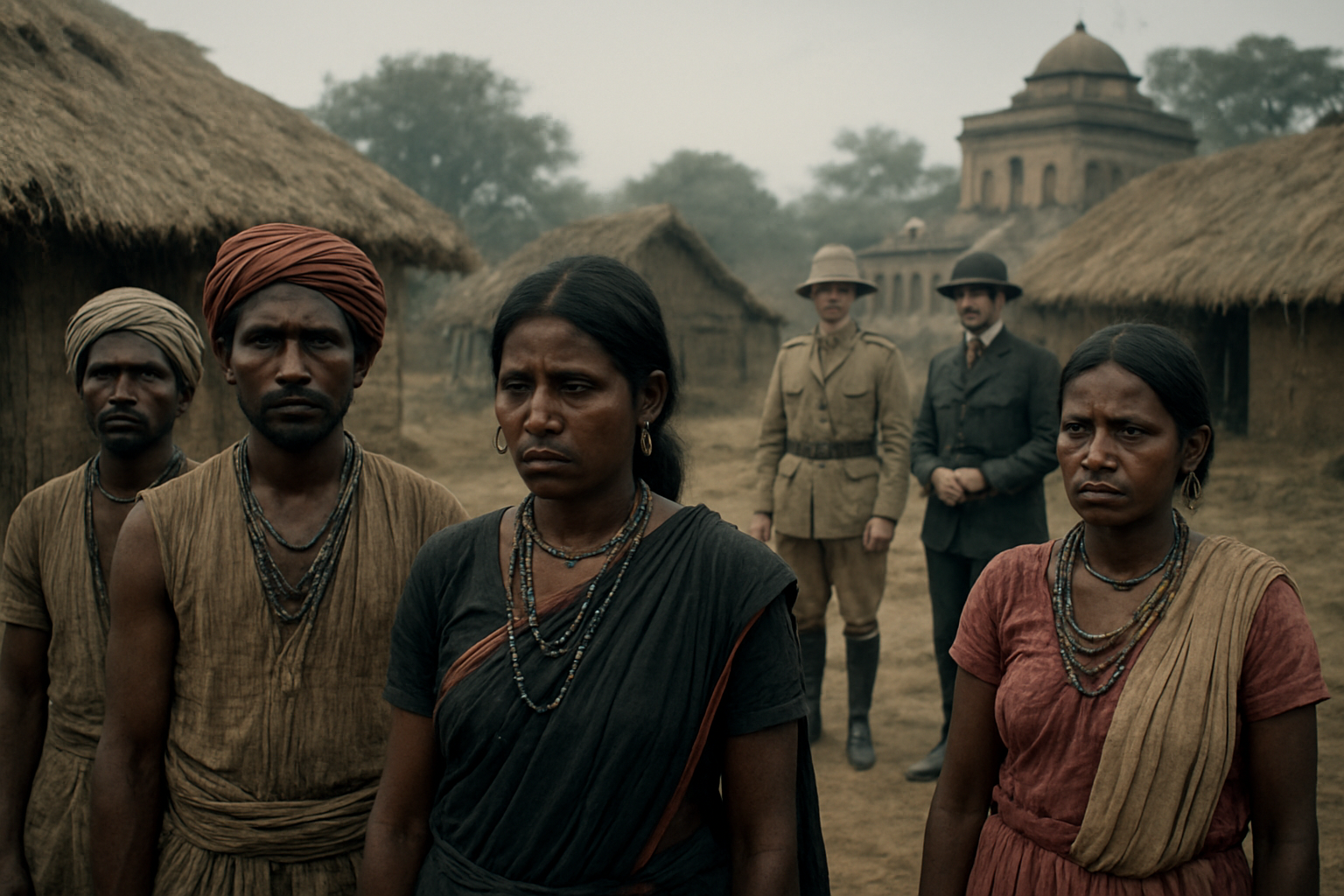
The arrival of British colonial rule marked a turning point for the Pardhi tribes, transforming their centuries-old way of life into a criminalized existence. British administrators, unfamiliar with nomadic hunting cultures, viewed the Pardhi’s mobility and traditional practices through the lens of suspicion and control. Their nomadic lifestyle clashed directly with colonial desires for a sedentary, taxable population that could be easily monitored and regulated.
Colonial officers often misunderstood the Pardhi’s hunting expeditions and seasonal migrations as potential criminal activities. The tribe’s expertise in tracking, their knowledge of remote territories, and their ability to move undetected across landscapes made them appear threatening to colonial authorities who prioritized territorial control and revenue collection. This fundamental misunderstanding laid the groundwork for systematic persecution that would span generations.
Criminal Tribes Act and Its Devastating Effects
The Criminal Tribes Act of 1871 represents one of the darkest chapters in Pardhi history. This legislation branded entire communities, including many Pardhi groups, as “born criminals” based solely on their traditional occupations and nomadic lifestyle. The Act created a legal framework that allowed authorities to register, monitor, and restrict the movements of designated tribes without any individual evidence of wrongdoing.
Under this Act, Pardhi families faced severe restrictions on their movement, mandatory reporting to local police stations, and forced registration in settlement camps. Children born into these communities were automatically classified as potential criminals, creating a cycle of stigmatization that persisted for generations. The psychological impact proved devastating, as proud hunting communities suddenly found themselves labeled as societal threats.
| Impact Area | Consequences |
|---|---|
| Legal Status | Automatic criminalization without individual proof |
| Movement | Restricted travel and mandatory reporting |
| Employment | Limited access to legitimate work opportunities |
| Social Standing | Permanent stigmatization and community ostracism |
| Family Structure | Separation of families through forced settlements |
Loss of Traditional Hunting Grounds and Territories
Colonial forest policies systematically stripped the Pardhi tribes of their ancestral hunting grounds. The British established reserved forests and enacted strict wildlife protection laws that criminalized traditional hunting practices central to Pardhi identity and survival. Areas that had sustained Pardhi communities for centuries became off-limits overnight, forcing them to abandon their primary means of livelihood.
The introduction of private property concepts alien to Pardhi culture meant that lands they had traditionally used became owned by zamindars or the colonial state. Hunting rights that had been exercised freely for generations suddenly required permits that were rarely granted to tribal communities. This loss went beyond mere economics – it represented the destruction of their spiritual connection to the land and their role as forest guardians.
Forest settlements and revenue surveys often failed to recognize traditional tribal claims, treating Pardhi territories as “wasteland” available for commercial exploitation. The establishment of cantonment areas and railway lines further fragmented their traditional routes, making seasonal migrations increasingly difficult and dangerous.
Forced Settlement and Displacement Issues
Colonial authorities implemented aggressive settlement policies designed to transform nomadic Pardhi communities into sedentary agricultural laborers. These forced settlements, often called “reformatory settlements,” aimed to “civilize” tribal communities by stripping away their traditional lifestyle and cultural practices. Families were relocated to designated areas far from their ancestral territories, breaking their connection to familiar landscapes and support networks.
The settlement process proved traumatic for communities accustomed to seasonal mobility and flexible social structures. Pardhi families found themselves confined to small plots of unfamiliar land, expected to adopt agricultural practices they had never learned. Many settlements lacked adequate water sources, fertile soil, or infrastructure, making successful adaptation nearly impossible.
Displacement also disrupted traditional social hierarchies and decision-making processes within Pardhi communities. Tribal leaders lost their authority as colonial administrators took control of community affairs. Traditional knowledge systems, passed down through generations of nomadic life, became irrelevant in sedentary settlements, creating a crisis of cultural identity that persists today.
Children in these settlements faced particular challenges, growing up disconnected from their traditional cultural practices while struggling to integrate into mainstream educational systems designed for settled populations. This generational disruption created lasting gaps in cultural transmission that continue to affect Pardhi communities in contemporary India.
Modern Socio-Economic Conditions
Current Poverty Levels and Unemployment Rates
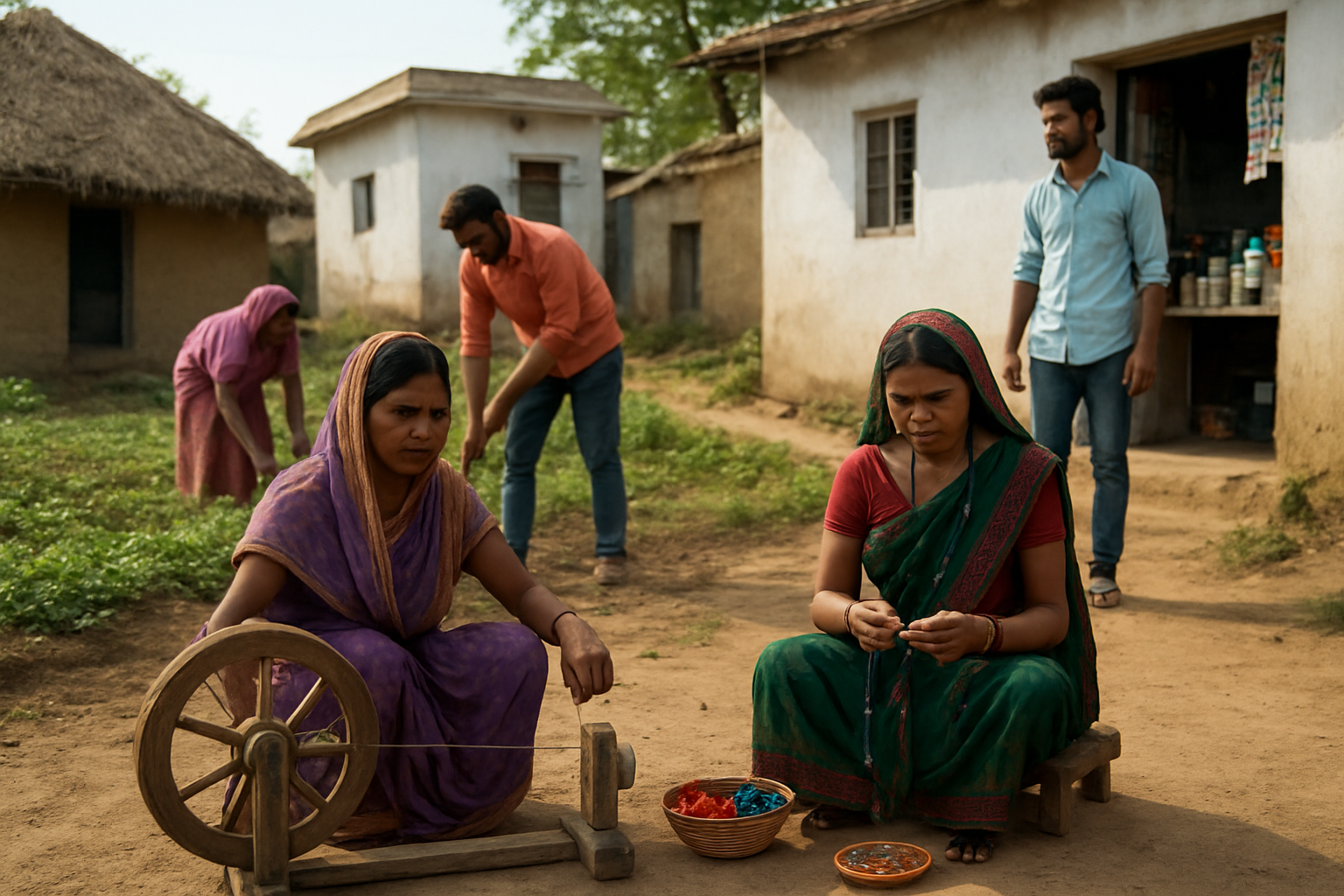
The Pardhi community continues to face significant economic hardships, with poverty rates substantially higher than the national average. Recent surveys indicate that over 80% of Pardhi families live below the poverty line, struggling to meet basic necessities like food, shelter, and clothing. This economic distress stems largely from their historical criminalization under colonial laws and persistent social stigma that limits their access to mainstream employment opportunities.
Unemployment remains a critical challenge, particularly among younger generations who find themselves caught between traditional occupations that are no longer viable and modern job markets that often reject them due to their community background. Many Pardhi men work as daily wage laborers in construction or agriculture, earning irregular incomes that rarely provide financial security. Women typically engage in small-scale trading, handicraft production, or domestic work, but these activities generate minimal income.
The transition from their traditional hunting and forest-based livelihoods has left many without marketable skills for contemporary economic opportunities. Banking services and formal credit remain largely inaccessible, forcing families to rely on local moneylenders who charge exorbitant interest rates, perpetuating cycles of debt and poverty.
Educational Barriers and Literacy Challenges
Educational attainment among Pardhi communities remains dismally low, with literacy rates hovering around 20-30% compared to the national average of approximately 74%. Multiple factors contribute to these educational challenges, creating barriers that persist across generations.
Child labor represents a significant obstacle, as economic pressures force families to prioritize immediate income over long-term educational benefits. Children often accompany adults in daily wage work or assist with family trades rather than attending school regularly. The seasonal migration patterns of many Pardhi families disrupt children’s education, as they frequently change locations following work opportunities.
School infrastructure in areas with significant Pardhi populations is often inadequate, with shortages of qualified teachers, basic facilities, and learning materials. Language barriers also pose challenges, as many Pardhi children speak their native dialects at home but encounter Hindi or regional languages in educational settings.
Social discrimination within educational institutions creates additional hurdles. Teachers and fellow students sometimes harbor prejudices based on the community’s historical labeling as a “criminal tribe,” leading to exclusion and discouragement of Pardhi children. Many families also view education with suspicion, seeing little evidence that schooling leads to better employment prospects for their community members.
Healthcare Access and Nutritional Status
Healthcare access for Pardhi communities remains severely limited, reflecting both geographical and socio-economic barriers. Most Pardhi settlements are located in remote areas or urban slums where healthcare infrastructure is inadequate or non-existent. The nearest primary health centers are often miles away, requiring time and transportation costs that many families cannot afford.
Preventable diseases continue to affect Pardhi communities disproportionately due to poor sanitation, contaminated water sources, and overcrowded living conditions. Communicable diseases like tuberculosis, malaria, and respiratory infections are common, while maternal and infant mortality rates remain well above national averages.
Nutritional status among Pardhi children shows alarming levels of malnutrition and stunting. Food insecurity affects nearly 70% of Pardhi households, with families often going without adequate meals for days during periods of unemployment. The lack of diverse, nutritious food options leads to micronutrient deficiencies, affecting children’s physical and cognitive development.
Traditional health practices and medicinal knowledge within Pardhi communities offer some healthcare alternatives, but these cannot address serious medical conditions requiring modern intervention. Mental health issues, including depression and anxiety stemming from social discrimination and economic stress, receive virtually no attention or treatment.
Government health schemes like Ayushman Bharat have limited reach within Pardhi communities due to documentation challenges and lack of awareness about available services. Many families lack the identity documents required to access subsidized healthcare, creating additional barriers to receiving medical attention when needed.
Government Initiatives and Development Programs
Post-independence rehabilitation efforts
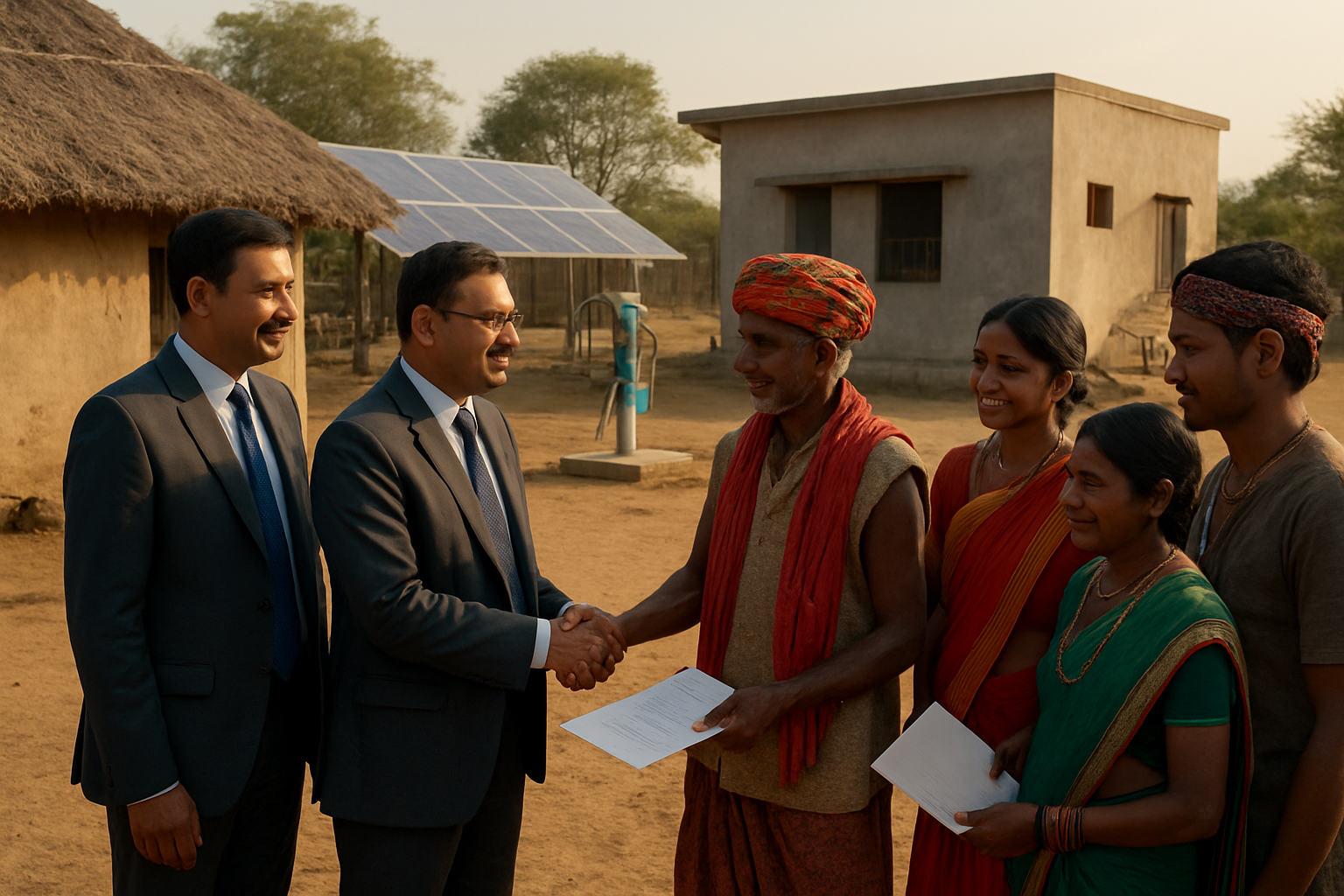
After India gained independence in 1947, the new government recognized the urgent need to address the marginalization of communities like the Pardhis who had been branded as “criminal tribes” under colonial rule. The Criminal Tribes Act was officially repealed in 1952, replacing it with the Habitual Offenders Act. This marked the beginning of systematic efforts to bring these communities into the mainstream of Indian society.
The government launched several rehabilitation programs focused on sedentary settlement, education, and employment generation. Special rehabilitation centers were established in states like Maharashtra, Gujarat, and Madhya Pradesh where Pardhi populations were concentrated. These centers provided basic amenities like housing, healthcare, and educational facilities. The approach aimed to transition nomadic Pardhi communities from their traditional hunting and gathering lifestyle to agriculture and other settled occupations.
Early rehabilitation efforts included land distribution schemes where Pardhi families received small agricultural plots. The government also established cottage industries and craft centers to provide alternative livelihoods. However, these initial programs faced significant challenges due to cultural resistance, inadequate funding, and poor implementation at the grassroots level. Many Pardhis found it difficult to adapt to sedentary agricultural life after generations of nomadic existence.
Reservation policies and affirmative action
The Indian Constitution’s provisions for Scheduled Tribes provided the legal framework for affirmative action benefiting Pardhi communities. Most Pardhi groups gained recognition as Scheduled Tribes or Other Backward Classes in their respective states, making them eligible for reserved seats in educational institutions, government jobs, and legislative bodies.
In Maharashtra, Pardhis are classified under the Nomadic Tribes category, which grants them specific benefits beyond the standard tribal reservations. This includes:
- 3% reservation in educational institutions
- Dedicated seats in state government employment
- Special financial assistance for higher education
- Priority in government housing schemes
The reservation system has enabled some Pardhi youth to access higher education and secure government jobs, creating a small but growing educated middle class within the community. However, the benefits have not reached all sections equally, with many remote and highly marginalized groups still lacking awareness about these provisions.
Skill development and livelihood programs
Modern development initiatives have shifted focus toward skill development and sustainable livelihood creation that respects Pardhi cultural practices while providing economic opportunities. The government has launched several targeted programs:
Traditional Skills Enhancement: Programs that build upon Pardhi expertise in wildlife tracking, forest conservation, and traditional crafts. Some states employ Pardhis as forest guards and wildlife conservation officers, leveraging their deep knowledge of local ecosystems.
Vocational Training Centers: These centers offer courses in:
- Mobile phone repair and electronics
- Motorcycle maintenance
- Small-scale manufacturing
- Food processing and packaging
- Tailoring and textile work
Micro-entrepreneurship Support: Self-Help Group (SHG) formation has been particularly successful among Pardhi women. These groups receive micro-credit facilities and training in business management. Many have started successful ventures in food preparation, handicrafts, and small trading businesses.
Digital Literacy Programs: Recent initiatives focus on digital skills training, helping Pardhis access online marketplaces for their crafts and services. This has been especially beneficial for younger generations who are more adaptable to technology.
Housing and infrastructure projects
Housing remains one of the most critical areas of government intervention for Pardhi communities. Traditional nomadic lifestyle meant many families lacked permanent shelter, living in temporary structures that offered little protection from weather extremes.
Permanent Housing Schemes: Under various central and state housing programs, thousands of Pardhi families have received pucca houses. The Pradhan Mantri Awas Yojana has been particularly impactful, providing:
- Single or double-room concrete houses
- Basic sanitation facilities
- Electricity connections
- Safe drinking water access
Infrastructure Development: Government efforts have focused on improving basic infrastructure in Pardhi settlements:
- Construction of all-weather roads connecting remote settlements
- Primary health centers and mobile medical units
- Primary schools with residential facilities
- Community centers for social gatherings and government program implementation
Challenges in Implementation: While progress has been made, several challenges persist. Many Pardhi families struggle with the concept of permanent settlement due to their nomadic heritage. Some have sold their allotted houses and returned to traditional temporary shelters. Others use the permanent structures as base camps while continuing periodic movement for work.
The success of these programs varies significantly across different states and regions. Areas with stronger administrative capacity and better community engagement have seen more positive outcomes, while remote regions continue to face implementation challenges.
Cultural Preservation and Identity Struggles
Language preservation and oral traditions
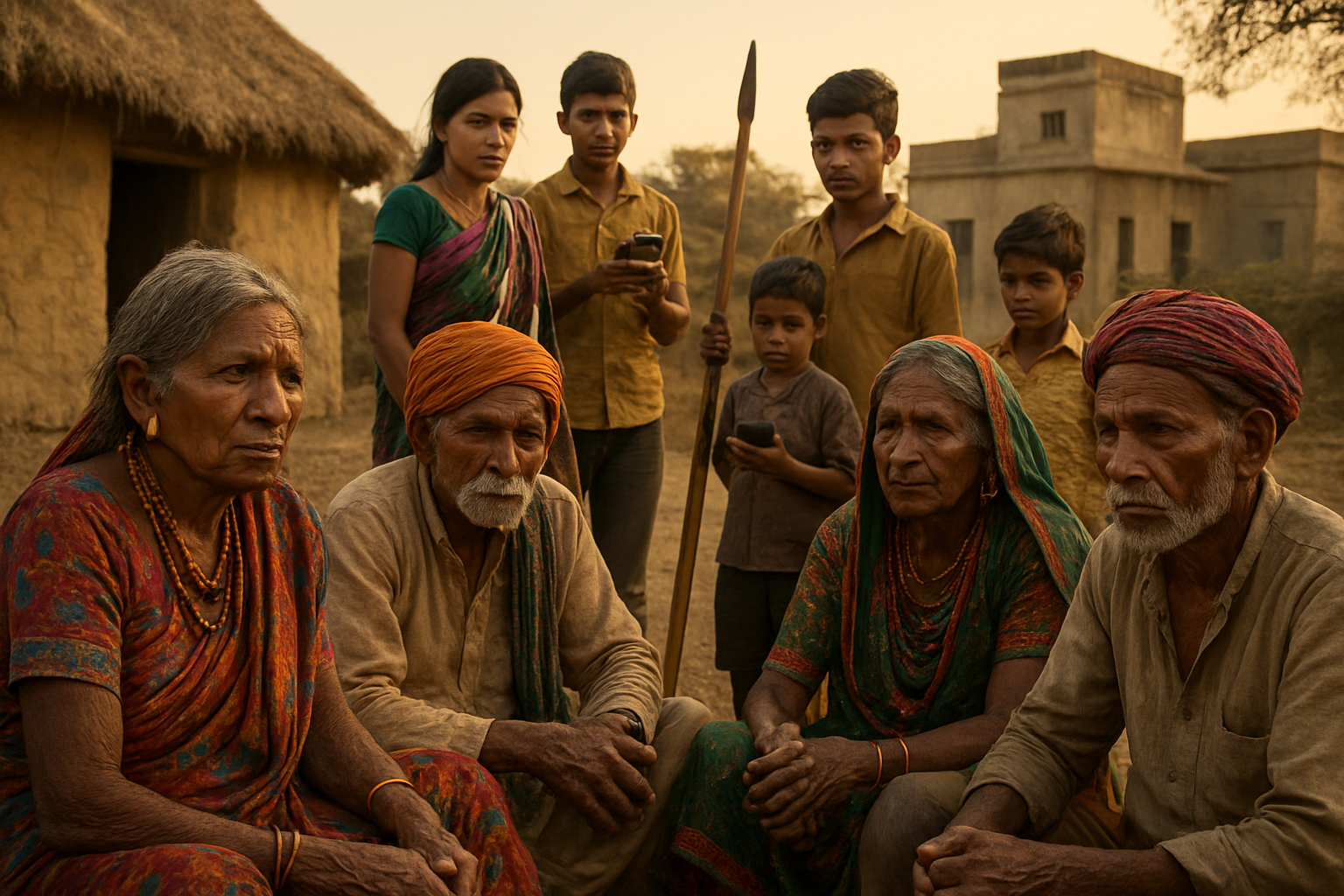
The Pardhi language faces serious extinction threats as younger generations increasingly adopt regional languages for education and employment. Many Pardhi dialects contain unique vocabulary related to hunting techniques, forest navigation, and traditional ecological knowledge that disappears with each passing generation. Community elders serve as living libraries, preserving ancient stories, songs, and genealogies that trace family lineages back centuries.
Traditional storytelling sessions once formed the backbone of cultural transmission, with tales of legendary hunters and forest spirits passed down through oral narratives. These stories contain practical wisdom about animal behavior, seasonal patterns, and survival skills that modern Pardhi youth rarely learn. Some communities have started recording elderly storytellers to create audio archives, though limited resources hamper widespread documentation efforts.
Tribal dialects vary significantly between regions, with distinct linguistic features in Maharashtra, Gujarat, and Rajasthan. This diversity makes standardization challenging while highlighting the rich linguistic heritage within Pardhi communities. Language preservation efforts often compete with practical needs as parents prioritize mainstream languages that offer better economic opportunities for their children.
Traditional crafts and artistic expressions
Pardhi artistic traditions reflect their deep connection with nature and hunting heritage. Traditional craft-making includes intricate trap construction, weapon forging, and jewelry creation using natural materials like wood, bone, and metal. Women excel in beadwork and textile arts, creating colorful garments with patterns that often symbolize animals, hunting tools, or natural elements.
Musical traditions encompass folk songs performed during festivals, weddings, and seasonal celebrations. Traditional instruments like drums, flutes, and stringed devices accompany narratives about hunting expeditions and community history. Dance forms incorporate hunting movements and animal imitations, preserving cultural knowledge through physical expression.
Handicraft production faces challenges from mass-produced alternatives and declining demand for traditional items. Some Pardhi artisans have adapted their skills to create contemporary products while maintaining traditional techniques. Government craft promotion schemes occasionally support these efforts, though inconsistent marketing and limited market access continue to pose obstacles.
Balancing modernization with cultural identity
Modern Pardhi communities navigate complex tensions between preserving ancestral traditions and adapting to contemporary socio-economic realities. Education opens doors to better livelihoods but often requires abandoning traditional practices and relocating to urban areas. Many young Pardhis struggle with identity confusion as they move between traditional community values and modern societal expectations.
Technology presents both opportunities and threats to cultural preservation. Mobile phones and internet connectivity allow communities to document traditions and maintain connections across geographic distances. However, digital entertainment and social media exposure also accelerate cultural assimilation and diminish interest in traditional practices.
Religious and ritual observances face particular pressure as modern lifestyles conflict with traditional timing and requirements. Some communities modify ceremonial practices to accommodate work schedules and urban living constraints. Others maintain strict adherence to ancestral customs despite practical difficulties, creating generational divides within families.
Community leadership plays a crucial role in guiding cultural adaptation strategies. Progressive leaders advocate for selective modernization that preserves core values while embracing beneficial changes. Traditional councils work to identify which practices deserve preservation and which can evolve without compromising essential cultural identity elements.
The Pardhi tribes stand as a testament to India’s rich cultural diversity, carrying centuries of tradition while adapting to modern challenges. From their historical origins as skilled hunters and trackers to their current struggles with socio-economic integration, these communities have shown remarkable resilience. Their traditional lifestyle, social structures, and cultural practices offer valuable insights into India’s tribal heritage, yet they face ongoing battles with identity preservation and economic stability.
While government initiatives and development programs have brought some positive changes, much work remains to be done. The Pardhi communities need continued support to balance cultural preservation with modern development opportunities. By understanding their history, respecting their traditions, and supporting inclusive policies, we can help ensure that these vibrant communities thrive while maintaining their unique identity in contemporary India.
