
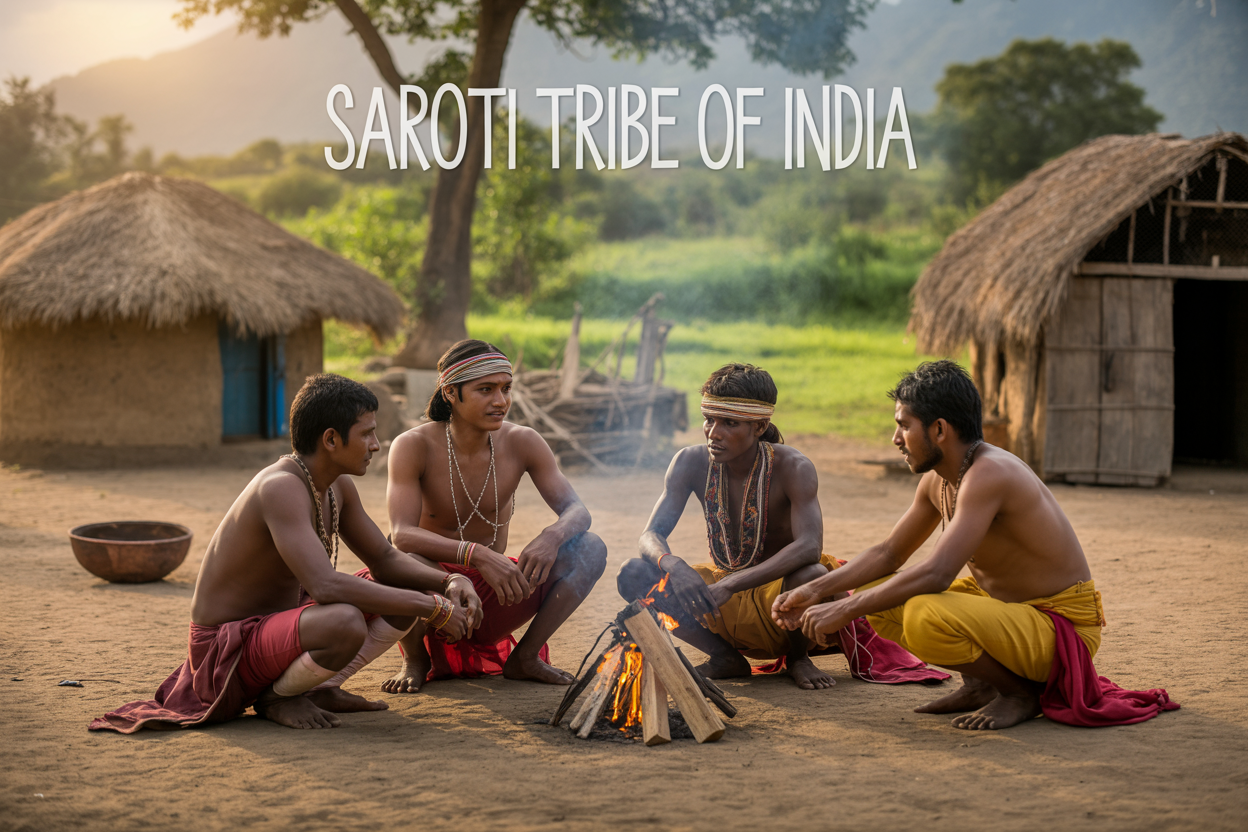
The Saroti tribe of India represents one of the lesser-known indigenous communities that has maintained its distinct cultural identity across generations. This tribal group offers valuable insights into India’s rich ethnic diversity and traditional ways of life that continue to evolve in modern times.
Thank you for reading this post, don't forget to subscribe!This guide is designed for researchers, students, cultural enthusiasts, and anyone curious about India’s tribal heritage and indigenous communities. You’ll discover how the Saroti tribe has preserved its unique customs while adapting to contemporary challenges.
We’ll explore the fascinating origins and historical background of the Saroti people, tracing their roots and how they’ve shaped their identity over time. You’ll also learn about their traditional habitat and geographic distribution across India, giving you a clear picture of where these communities thrive today. Finally, we’ll dive into their social structure and community organization, showing you how the Saroti tribe maintains strong bonds and governs itself through time-tested systems.
Origins and Historical Background of the Saroti Tribe
Ancient settlement patterns and migration stories
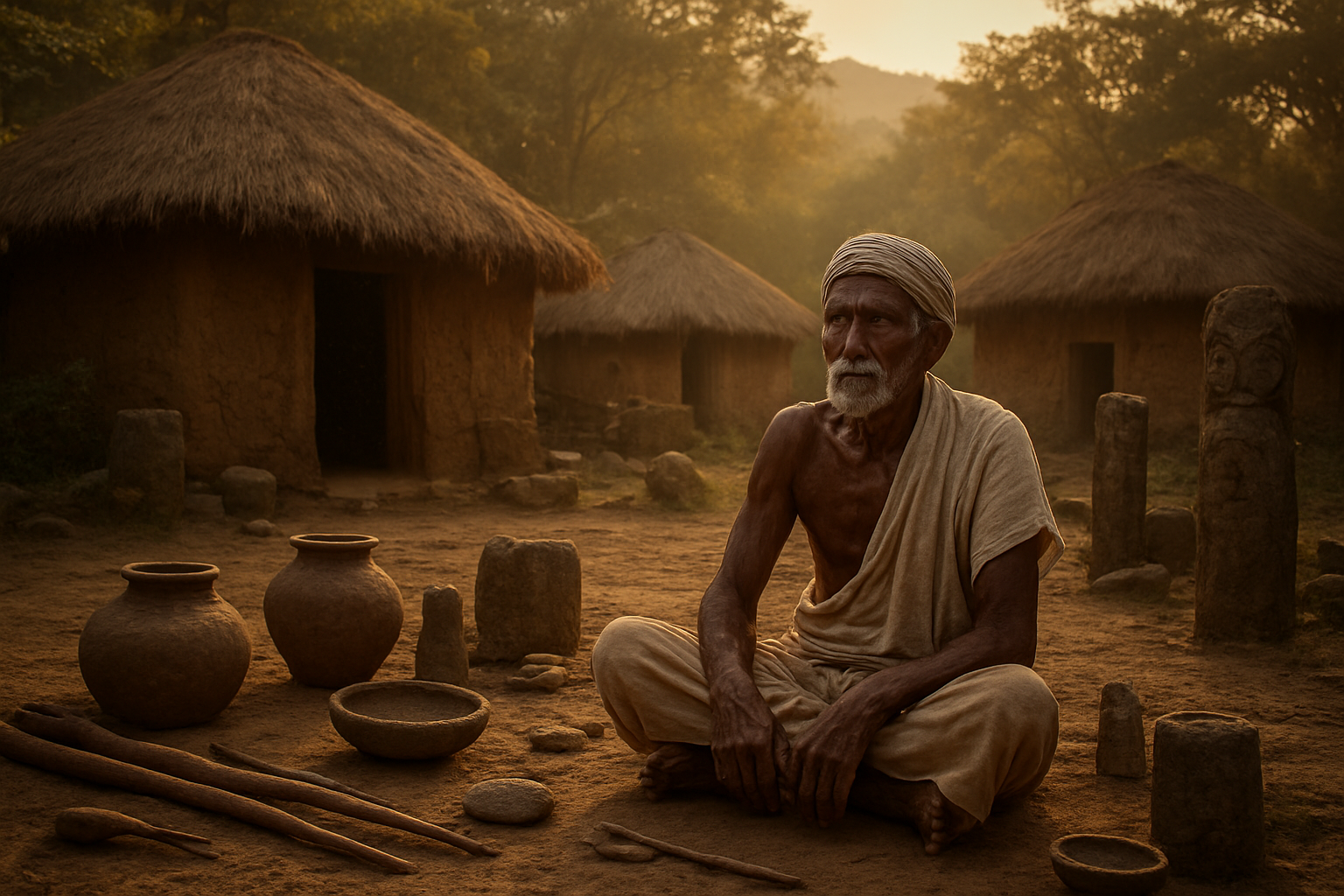
The Saroti tribe’s roots stretch back several centuries, with oral traditions tracing their origins to the central highlands of India. Archaeological evidence suggests that early Saroti settlements emerged around the 14th century, primarily concentrated in forested regions where natural resources supported their traditional lifestyle. These communities developed distinctive settlement patterns, typically establishing villages near water sources and fertile valleys that could sustain both agriculture and forest-based activities.
Migration stories passed down through generations tell of the Saroti people moving in small family groups, following seasonal patterns and resource availability. Unlike many tribal communities that experienced large-scale displacement, the Saroti maintained relatively stable territorial boundaries, with movements often representing expansion rather than forced relocation. Their migration patterns followed river systems and mountain passes, creating a network of related settlements across several modern-day districts.
The tribe’s settlement strategy involved creating clusters of 15-20 households, each maintaining semi-autonomous governance while staying connected to the broader Saroti identity. These villages were strategically positioned on elevated ground to avoid flooding during monsoon seasons, while remaining close enough to rivers for daily water needs and agricultural activities.
Cultural evolution through different historical periods
During the medieval period, the Saroti tribe developed sophisticated systems for resource management and community governance. The Mughal era brought limited external influence, as the Saroti territories remained largely outside major administrative centers. This isolation allowed them to preserve many traditional practices while selectively adopting beneficial elements from neighboring cultures.
The colonial period marked significant changes for the Saroti community. British administrative policies introduced new land tenure systems that often conflicted with traditional tribal land rights. Forest regulations restricted access to resources that had been central to Saroti livelihood for generations. Despite these challenges, the community demonstrated remarkable adaptability, developing new economic strategies while maintaining core cultural values.
Post-independence India brought both opportunities and challenges. Government recognition of tribal rights provided legal protections, while development programs aimed at improving living standards. The Saroti responded by gradually integrating modern education and healthcare into their communities while working to preserve traditional knowledge systems and cultural practices.
Connection to broader regional tribal communities
The Saroti tribe shares linguistic and cultural connections with several neighboring tribal groups, suggesting common ancestral origins. These relationships manifest in similar agricultural techniques, ceremonial practices, and social organization patterns. Intertribal marriages and cultural exchanges have maintained these connections across generations, creating a network of related communities throughout the region.
Trade relationships with other tribal groups historically provided access to resources not available in Saroti territories. These exchanges involved forest products, handicrafts, and agricultural surplus, creating economic interdependence that strengthened regional tribal solidarity. Joint festivals and ceremonial gatherings continue to reinforce these connections, allowing for cultural exchange and mutual support during challenging times.
The Saroti tribe of India maintains distinct identity markers while participating in broader tribal confederations for political representation and resource advocacy. This balance between autonomy and cooperation has proven essential for preserving Saroti culture while addressing contemporary challenges facing indigenous communities across India.
Geographic Distribution and Traditional Habitat

Primary locations across Indian states
The Saroti tribe of India has established communities primarily across the central and eastern regions of the country, with significant populations concentrated in Madhya Pradesh, Chhattisgarh, and parts of Odisha. These tribal communities have historically settled in areas that offered natural protection and abundant resources, particularly in hilly terrains and forested regions that provided both shelter and sustenance.
In Madhya Pradesh, Saroti settlements are predominantly found in the Balaghat and Mandla districts, where the tribe has maintained strong connections to the Satpura and Vindhya mountain ranges. The dense forest cover in these areas has allowed the Saroti people to preserve their traditional lifestyle while remaining relatively isolated from mainstream society.
Chhattisgarh hosts several Saroti villages, particularly in the Surguja and Raigarh districts, where the community has adapted to the region’s unique topographical features. The state’s extensive tribal belt has provided a conducive environment for the Saroti tribe to flourish alongside other indigenous communities.
Environmental adaptation strategies
The Saroti tribe demonstrates remarkable environmental adaptability, having developed sophisticated strategies to thrive in diverse ecological conditions. Their deep understanding of local ecosystems enables them to identify seasonal changes in vegetation, animal behavior, and weather patterns, which directly influences their agricultural and hunting practices.
Traditional knowledge systems guide the Saroti people in selecting appropriate crops for different soil types and microclimates within their territories. They have mastered the art of terraced farming on hillslopes, preventing soil erosion while maximizing agricultural productivity. Their crop rotation techniques maintain soil fertility without relying on external inputs.
Water management represents another crucial adaptation strategy, with communities constructing small dams and water harvesting structures to capture monsoon rainfall. These systems ensure water availability during dry seasons and support both domestic needs and small-scale irrigation.
The tribe’s architectural practices reflect their environmental awareness, with traditional homes built using locally available materials like bamboo, mud, and thatch. These structures provide natural insulation and ventilation, remaining cool during summers and warm during winters.
Seasonal movement patterns and settlements
Saroti communities traditionally follow semi-nomadic patterns that align with seasonal resource availability and agricultural cycles. During monsoon seasons, families typically remain in permanent settlements to engage in cultivation and take advantage of abundant water resources for domestic use and crop irrigation.
Post-harvest periods often trigger temporary relocations to higher elevations or different ecological zones where the community engages in hunting, gathering, and seasonal trade activities. These movements are carefully planned and executed based on generations of accumulated knowledge about resource distribution and seasonal variations.
Winter months see many Saroti families establishing temporary camps in lower valleys where temperatures remain moderate and certain wild foods become available. These seasonal settlements feature lightweight, easily assembled structures that can be quickly dismantled when the community moves on.
The tribe maintains a network of established camping sites across their traditional territory, with each location serving specific purposes such as hunting bases, trading posts, or ceremonial grounds. This mobility strategy has historically allowed the Saroti people to optimize resource utilization while avoiding overexploitation of any single area.
Impact of modernization on traditional territories
Modern development pressures have significantly altered the traditional territorial landscape of the Saroti tribe, creating both challenges and opportunities for community adaptation. Industrial expansion, mining operations, and infrastructure development have reduced the overall area available for traditional practices, forcing many communities to modify their lifestyle patterns.
Government forest policies and land classification changes have restricted access to previously open territories, limiting the tribe’s ability to maintain traditional seasonal movement patterns. Many areas once freely used for hunting and gathering are now designated as protected forests or have been allocated for commercial purposes.
Road construction and improved transportation networks have brought the Saroti people into closer contact with mainstream society, leading to gradual changes in settlement patterns. Some families now prefer permanent settlements with access to markets, schools, and healthcare facilities, while others continue to value traditional mobility.
The establishment of administrative boundaries has created artificial divisions within traditional Saroti territories, sometimes separating communities that historically moved freely across these areas. This has complicated traditional governance systems and resource-sharing arrangements that existed between different Saroti groups.
Social Structure and Community Organization
Tribal Hierarchy and Leadership Systems
The Saroti tribe operates under a well-defined hierarchical structure centered around village councils and traditional leadership roles. At the apex sits the village headman, known locally as the “Pradhan,” who serves as both spiritual guide and administrative leader. This position typically passes through hereditary lines, though exceptional individuals can sometimes earn leadership through demonstrated wisdom and community service.
Below the Pradhan, the council of elders forms the backbone of tribal governance. These respected community members, usually men over 50, make crucial decisions about land disputes, marriage arrangements, and festival celebrations. Each elder represents different family clusters within the village, ensuring balanced representation across the community.
The Saroti tribe also recognizes specialized leadership roles including the medicine man or healer, who holds significant influence during health crises and ritual ceremonies. Young men often serve as messengers and enforcers of council decisions, creating a pipeline for future leadership development.
Family Structures and Kinship Patterns
Saroti families follow a patrilineal descent system where lineage traces through the father’s side. Extended families often live in compound-style arrangements, with multiple generations sharing common courtyards and resources. These joint family units typically include grandparents, married sons with their wives and children, and unmarried daughters.
Marriage within the Saroti tribe involves complex kinship considerations. Cross-cousin marriages are preferred, particularly between maternal uncle’s daughter and nephew. This practice strengthens family bonds and keeps property within extended family networks. The community strictly prohibits marriages within the same clan (gotra), maintaining genetic diversity and social harmony.
Adoption practices are common when families lack male heirs. Adopted children receive equal inheritance rights and social standing, demonstrating the tribe’s flexible approach to family formation while maintaining traditional structures.
Gender Roles and Responsibilities
Women in Saroti society hold distinct but complementary roles to men. They manage household affairs, child-rearing, and food preparation while also participating in agricultural activities like rice transplantation and harvesting. Women control the family’s daily finances and often make decisions about children’s education and healthcare.
Men typically handle external affairs including trade, village politics, and religious ceremonies. They perform heavy agricultural work such as plowing and clearing fields. However, the Saroti tribe shows remarkable gender cooperation during festival preparations and community projects where both sexes work together seamlessly.
Women enjoy considerable autonomy in their domestic sphere and can voice opinions during family discussions. Property inheritance follows male lines, but women retain rights to their natal family’s resources and can return home if marriages fail.
Age-Based Social Divisions and Respect Systems
The Saroti tribe maintains a strong age-based respect hierarchy that governs daily interactions and social protocols. Children learn early to show deference to elders through specific greeting rituals, seating arrangements, and speaking patterns. Younger individuals cannot interrupt elders during conversations and must seek permission before leaving group gatherings.
The community recognizes distinct life stages with associated responsibilities. Young adults (18-30) serve as the tribe’s physical workforce and cultural performers. Middle-aged adults (30-50) handle family responsibilities and begin participating in village governance. Elders (50+) provide wisdom, resolve conflicts, and preserve traditional knowledge.
Age determines speaking order during community meetings, with the oldest members addressing issues first. This system ensures that accumulated wisdom guides decision-making while younger perspectives are heard and considered. The Saroti tribe’s respect for age creates social stability and cultural continuity across generations.
Cultural Practices and Traditional Beliefs
Religious Ceremonies and Spiritual Practices
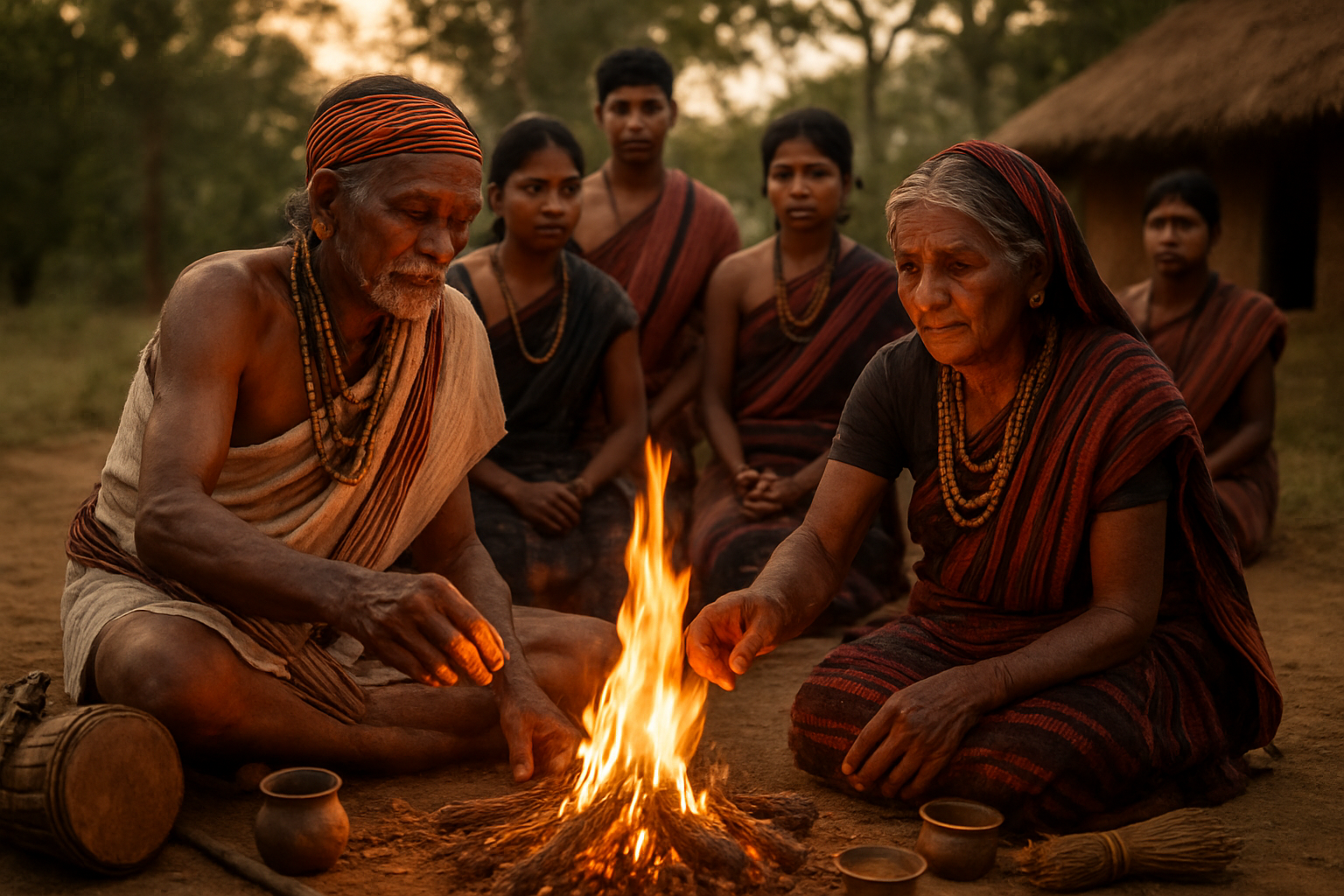
The Saroti tribe maintains a deep spiritual connection with nature, viewing every element of their environment as sacred. Their religious practices center around ancestral worship and animistic beliefs, where spirits are believed to inhabit trees, rivers, and mountains. The tribal priests, known as “Bhagats,” serve as intermediaries between the spiritual and physical worlds, conducting elaborate rituals during significant life events.
Sacred groves play a central role in Saroti spiritual life. These protected forest areas serve as outdoor temples where the community gathers for prayers and offerings. During harvest seasons, the tribe performs thanksgiving ceremonies, presenting the first fruits to their deities. Moon worship holds special significance, with monthly rituals conducted under the full moon to ensure prosperity and protection from evil spirits.
Healing ceremonies combine spiritual practices with traditional medicine. When someone falls ill, the Bhagat performs cleansing rituals using sacred herbs and chants passed down through generations. The Saroti tribe of India believes that physical ailments often stem from spiritual imbalances, making these ceremonies essential for complete healing.
Folk Traditions and Oral Storytelling Heritage
The Saroti people have preserved their history through captivating oral traditions that span centuries. Elderly members of the community serve as living libraries, recounting tales of brave ancestors, mythical creatures, and moral lessons through evening storytelling sessions. These narratives often feature supernatural beings who protect the forest and punish those who harm nature.
Creation myths form the foundation of Saroti oral literature, explaining how their ancestors first settled in their current homeland. Popular folk tales include stories of shape-shifting animals, wise tribal leaders who could communicate with spirits, and heroic journeys through enchanted forests. Children gather around fires to listen to these stories, naturally absorbing their cultural values and traditional wisdom.
Riddles and proverbs represent another vital aspect of their oral heritage. These clever wordplays teach practical life lessons while entertaining the audience. The storytelling tradition serves multiple purposes: preserving historical knowledge, reinforcing social norms, and strengthening community bonds through shared cultural experiences.
Traditional Festivals and Community Celebrations
The annual harvest festival stands as the most significant celebration in the Saroti tribe’s calendar. This multi-day event brings together entire villages for dancing, feasting, and thanksgiving rituals. Traditional drums echo through the valleys as colorful processions move between houses, blessing each family’s harvest and ensuring good fortune for the coming year.
Seasonal festivals mark important agricultural transitions. The spring celebration welcomes new growth with flower decorations and rain-calling ceremonies. Young people perform intricate dances wearing traditional costumes adorned with feathers and forest materials. These festivals strengthen social bonds as families share food, exchange gifts, and arrange marriages between different clans.
Coming-of-age ceremonies hold deep cultural significance, marking the transition from childhood to adulthood. Boys undergo forest initiation rites where they learn survival skills and tribal laws, while girls participate in ceremonies celebrating their role as future mothers and keepers of traditions. These celebrations involve the entire community, who witness and bless the young people as they take on adult responsibilities within Saroti society.
Economic Activities and Livelihood Patterns
Traditional Occupations and Skill Sets
The Saroti tribe has maintained deep-rooted occupational traditions that reflect their intimate relationship with the natural environment. Historically, members of this community have excelled as skilled hunters and gatherers, developing sophisticated tracking techniques and botanical knowledge passed down through generations. Their expertise in identifying medicinal plants and understanding seasonal patterns has made them valuable contributors to traditional healing practices within their regions.
Forest-based occupations form the backbone of traditional Saroti livelihoods. Many tribal members work as honey collectors, climbing tall trees with remarkable agility to harvest wild honey from bee colonies. This dangerous yet lucrative activity requires years of training and specialized knowledge about bee behavior and forest ecology. The collection of non-timber forest products like bamboo, wild fruits, and various herbs has also been a significant source of income for generations.
Animal husbandry represents another crucial traditional occupation among the Saroti people. They typically raise goats, chickens, and sometimes cattle, developing unique breeding techniques adapted to local conditions. Their knowledge of animal diseases and natural remedies has helped them maintain healthy livestock even in remote areas with limited veterinary access.
Agricultural Practices and Crop Cultivation
The Saroti tribe practices a distinctive form of shifting cultivation known as slash-and-burn agriculture, which involves clearing forest patches for cultivation and allowing them to regenerate after a few years. This sustainable method prevents soil depletion and maintains ecological balance when practiced correctly. Their agricultural calendar closely follows seasonal patterns, with planting and harvesting times determined by traditional knowledge of rainfall patterns and lunar cycles.
Rice cultivation stands as the primary agricultural activity, with the Saroti people growing various indigenous varieties adapted to local soil and climate conditions. These traditional rice strains often demonstrate superior resistance to pests and diseases compared to modern hybrids. Alongside rice, they cultivate millets, pulses, vegetables, and root crops like sweet potatoes and cassava.
The tribe employs organic farming methods by necessity and tradition, using natural fertilizers made from animal waste and decomposed plant matter. Crop rotation practices help maintain soil fertility, while companion planting techniques maximize land use efficiency. Women play crucial roles in seed selection and preservation, maintaining genetic diversity of crops through careful storage and exchange practices with neighboring communities.
Handicrafts and Artisan Traditions
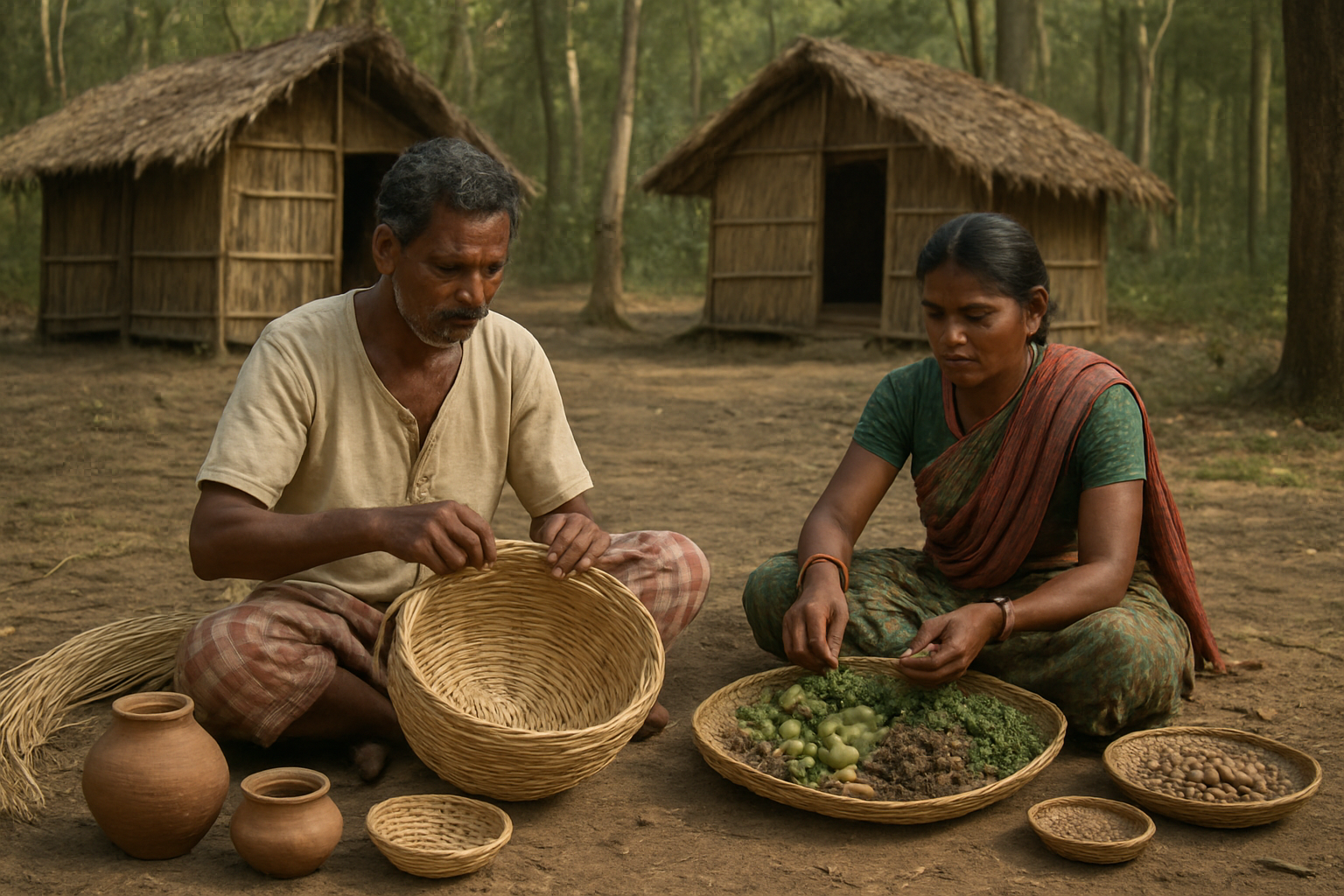
Basketry represents one of the most refined artistic traditions among the Saroti tribe. Using locally available bamboo, cane, and palm leaves, artisans create intricate baskets, mats, and storage containers that serve both practical and ceremonial purposes. Different weaving patterns often carry cultural significance, with certain designs reserved for specific occasions or social functions.
Pottery and clay work showcase another dimension of Saroti craftsmanship. Women traditionally excel in creating earthenware vessels, cooking pots, and decorative items using techniques refined over centuries. The clay is often mixed with organic materials like rice husk to improve durability and firing characteristics. These pottery skills have become increasingly valuable as urban markets show growing appreciation for handmade traditional items.
Woodworking and bamboo craft represent male-dominated artisan activities within the community. Skilled craftsmen carve agricultural tools, household items, and musical instruments using traditional techniques. Their bamboo houses demonstrate sophisticated engineering knowledge, with joints and connections designed to withstand strong winds and earthquakes without using metal fasteners.
Modern Employment Opportunities and Challenges
The Saroti tribe faces significant transitions as traditional livelihoods encounter pressure from environmental changes and economic development. Government employment schemes have created new opportunities in forest conservation, with many tribal members finding work as forest guards and conservation officers. Their intimate knowledge of local ecosystems makes them valuable assets in wildlife protection and environmental monitoring programs.
Construction and manual labor have become common sources of income, though these jobs often require tribal members to migrate temporarily to urban areas. This migration creates social challenges as younger generations become disconnected from traditional practices and community structures. The seasonal nature of construction work also creates income instability for families.
Education initiatives have opened doors to government jobs and professional careers, though access remains limited in remote areas where many Saroti communities live. Language barriers often complicate educational progress, as instruction typically occurs in regional or national languages rather than tribal dialects. Some community members have successfully established small businesses, including eco-tourism ventures that showcase their cultural heritage while generating sustainable income.
Modern challenges include declining forest resources due to commercial logging and agricultural expansion, which threatens traditional occupations. Climate change has disrupted seasonal patterns that guide agricultural practices, forcing adaptations in crop selection and farming techniques. The younger generation increasingly seeks education and employment opportunities outside tribal areas, creating concerns about cultural preservation and traditional knowledge transmission.
Language and Communication Systems
Native dialect characteristics and usage
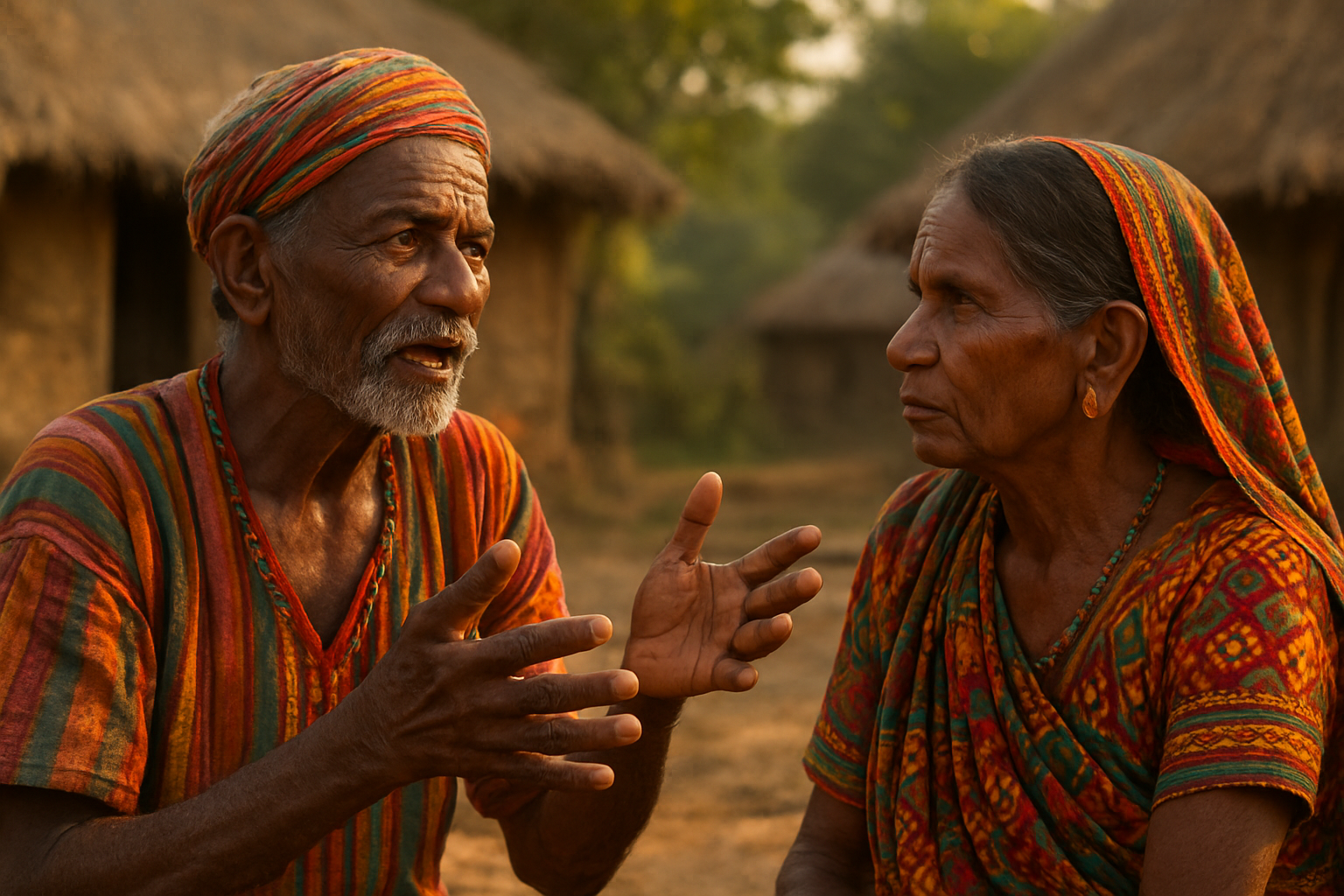
The Saroti tribe speaks a distinctive dialect that belongs to the broader linguistic family of their region. This native language features unique phonetic patterns, including specific tonal variations and consonant clusters that distinguish it from neighboring tribal languages. The dialect incorporates a rich vocabulary related to their natural environment, with specialized terms for local flora, fauna, and geographical features that reflect their deep connection to the land.
Daily communication within Saroti communities relies heavily on this ancestral dialect, particularly among elders and in traditional ceremonies. The language structure follows specific grammatical rules that emphasize respect hierarchies and social relationships through honorific forms of address. Children typically learn the dialect as their first language, absorbing its nuances through constant exposure to family conversations and community interactions.
Pronunciation patterns in the Saroti dialect include distinctive vowel sounds and rhythmic speech patterns that create a melodious quality. The language contains numerous compound words that describe complex cultural concepts and traditional practices, making direct translation into other languages challenging.
Multilingual abilities and language preservation
Most Saroti tribe members demonstrate remarkable multilingual capabilities, often speaking three or more languages fluently. Beyond their native dialect, community members typically master the regional state language for administrative purposes and Hindi for broader communication needs. Many younger Saroti individuals also acquire English through educational opportunities, creating a diverse linguistic landscape within the community.
Language preservation efforts within the Saroti tribe face significant challenges as younger generations increasingly favor dominant regional languages for professional advancement. Community leaders recognize this shift and have implemented various strategies to maintain their linguistic heritage. These include establishing language classes for children, documenting vocabulary and grammar rules, and encouraging parents to maintain dialect use at home.
The tribe has collaborated with linguistic researchers to create written records of their dialect, which traditionally existed only in oral form. These documentation projects capture not just words and grammar but also the cultural context that gives meaning to specific expressions and idioms unique to Saroti culture.
Oral tradition maintenance strategies
Saroti oral traditions serve as the primary vehicle for preserving cultural knowledge, historical narratives, and spiritual teachings. Elder community members take responsibility for maintaining these traditions through structured storytelling sessions, typically held during community gatherings and religious festivals. These sessions follow specific protocols, with designated storytellers who have earned the right to share sacred narratives through years of apprenticeship and community recognition.
The tribe employs various techniques to ensure accurate transmission of oral knowledge across generations. Repetitive recitation, musical accompaniment, and dramatic performance elements help embed stories in memory while making them engaging for younger audiences. Storytellers often use mnemonic devices, rhythmic patterns, and visual imagery to aid retention and recall.
Community festivals and seasonal celebrations provide regular opportunities for oral tradition practice, ensuring these narratives remain alive and relevant. The Saroti tribe has also begun recording some of their oral traditions digitally, creating audio archives that complement their living tradition while providing backup preservation methods for future generations.
Contemporary Challenges and Government Initiatives
Educational Development and Literacy Programs
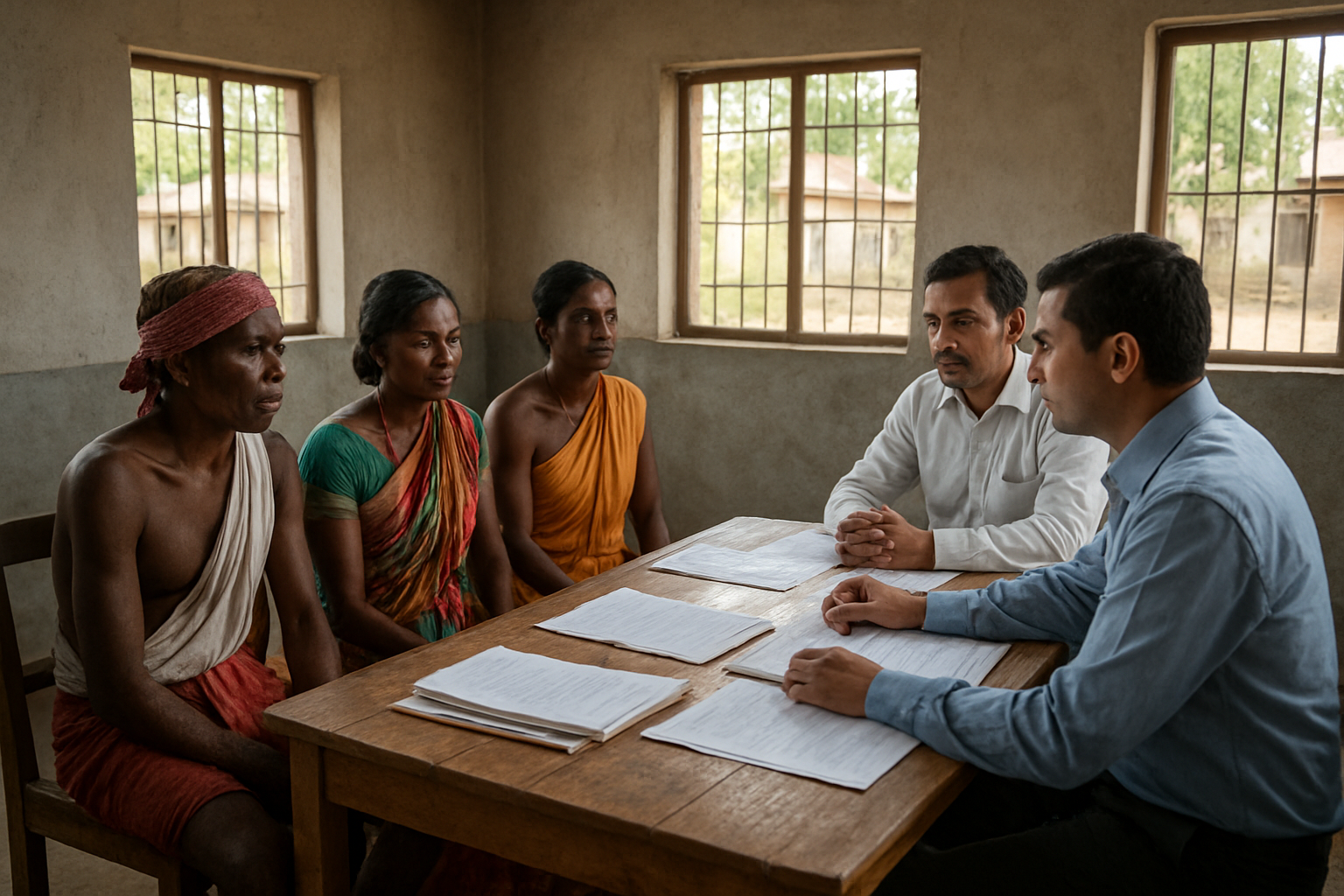
The Saroti tribe faces significant educational challenges, with literacy rates remaining considerably lower than national averages. Government initiatives have introduced mobile schools and residential facilities specifically designed for tribal communities, bringing education directly to remote Saroti settlements. These programs focus on bilingual education, incorporating the Saroti language alongside Hindi and regional languages to preserve cultural identity while enabling broader communication.
Special scholarship schemes target Saroti students, covering expenses from primary education through higher studies. The Eklavya Model Residential Schools program has established institutions within tribal areas, reducing the need for children to migrate far from their families. Teacher training programs now include cultural sensitivity components, helping educators understand and respect Saroti traditions while delivering modern curricula.
Adult literacy campaigns run parallel to children’s education, with evening classes conducted in villages. These programs use culturally relevant materials, incorporating traditional stories and local examples to make learning more engaging for adult Saroti community members.
Healthcare Access and Traditional Medicine Integration
Healthcare delivery to the Saroti tribe of India presents unique geographical and cultural challenges. Primary Health Centers have been established closer to Saroti habitats, but accessibility remains limited during monsoon seasons when remote areas become virtually unreachable.
Traditional medicine integration programs recognize the value of indigenous healing practices among the Saroti people. Government health workers collaborate with traditional healers, documenting medicinal plant knowledge and incorporating proven remedies into formal healthcare protocols. This approach respects cultural beliefs while introducing modern medical interventions where necessary.
Maternal and child health programs specifically target Saroti women, addressing high infant mortality rates through improved prenatal care and safe delivery practices. Nutrition programs combat malnutrition by promoting both traditional foods and supplementary feeding schemes.
Economic Development Schemes and Tribal Welfare
Economic empowerment initiatives for the Saroti tribe focus on sustainable livelihood enhancement while respecting traditional occupations. The government has launched skill development programs that build upon existing Saroti expertise in agriculture, handicrafts, and forest-based activities.
Microfinance schemes provide small loans without traditional collateral requirements, enabling Saroti families to invest in improved farming techniques, livestock, or small-scale enterprises. Self-Help Groups have been formed within communities, particularly empowering women to participate in economic activities and decision-making processes.
Forest rights recognition under the Forest Rights Act has granted many Saroti communities legal ownership of ancestral lands, enabling sustainable resource management and income generation. This includes regulated collection of non-timber forest products, which forms a crucial part of the Saroti economy.
Employment guarantee schemes like MGNREGA provide assured work opportunities within tribal areas, reducing migration to urban centers. These programs often involve infrastructure development projects that benefit the entire community, such as road construction, water conservation, and irrigation facilities.
Cultural Preservation Efforts and Documentation Projects
Recognizing the rich cultural heritage of the Saroti people, various documentation initiatives have been launched to preserve traditions, folklore, and indigenous knowledge systems. Anthropological surveys record oral histories, traditional songs, and ceremonial practices that risk disappearing as younger generations adapt to modern lifestyles.
Digital archiving projects create permanent records of Saroti language, including dictionaries and grammar guides developed in collaboration with community elders. These resources serve both educational purposes and cultural preservation goals.
Cultural festivals receive government support, encouraging the Saroti community to showcase their traditions while generating income through cultural tourism. Handicraft promotion schemes help Saroti artisans market traditional crafts through government emporiums and online platforms, providing economic incentives for maintaining traditional skills.
Research collaborations between universities and Saroti communities ensure that documentation efforts benefit the tribe directly. Community members are trained as cultural researchers, giving them ownership over how their heritage is recorded and shared with the wider world.
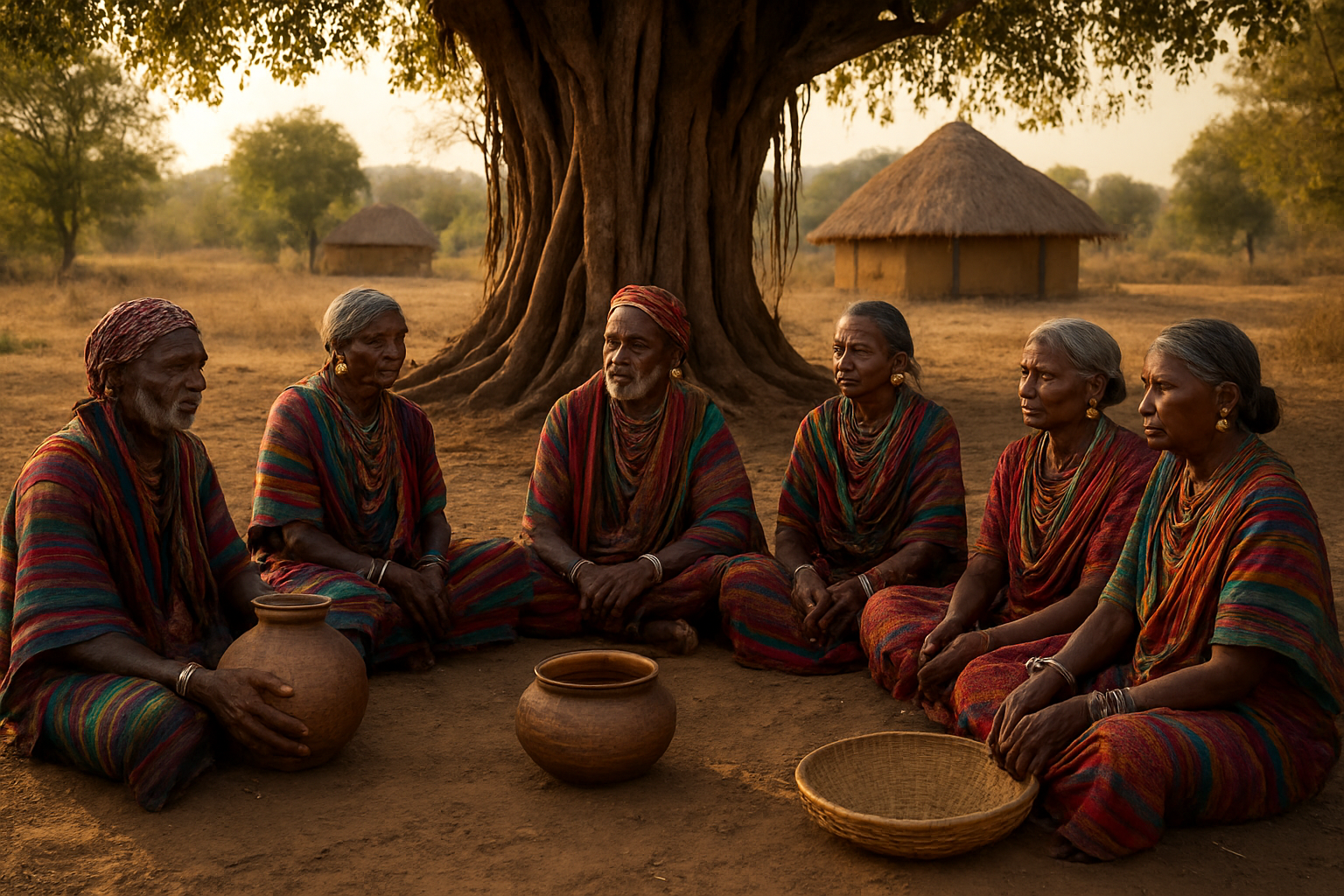
The Saroti tribe represents a fascinating piece of India’s rich cultural tapestry, with their unique traditions spanning centuries of history. From their traditional habitats to their distinctive social structures, the community has maintained strong cultural practices and belief systems that set them apart. Their language, economic activities, and community organization reflect a deep connection to their ancestral roots while adapting to changing times.
Today, the Saroti people face the same challenges many indigenous communities encounter – balancing tradition with modernization while dealing with social and economic pressures. Government programs and cultural preservation efforts offer hope for maintaining their heritage, but the real strength lies in the community’s own determination to preserve their identity. Supporting indigenous rights and celebrating tribal diversity isn’t just about protecting the past – it’s about enriching India’s future with the wisdom and traditions these communities bring to our shared cultural landscape.
