
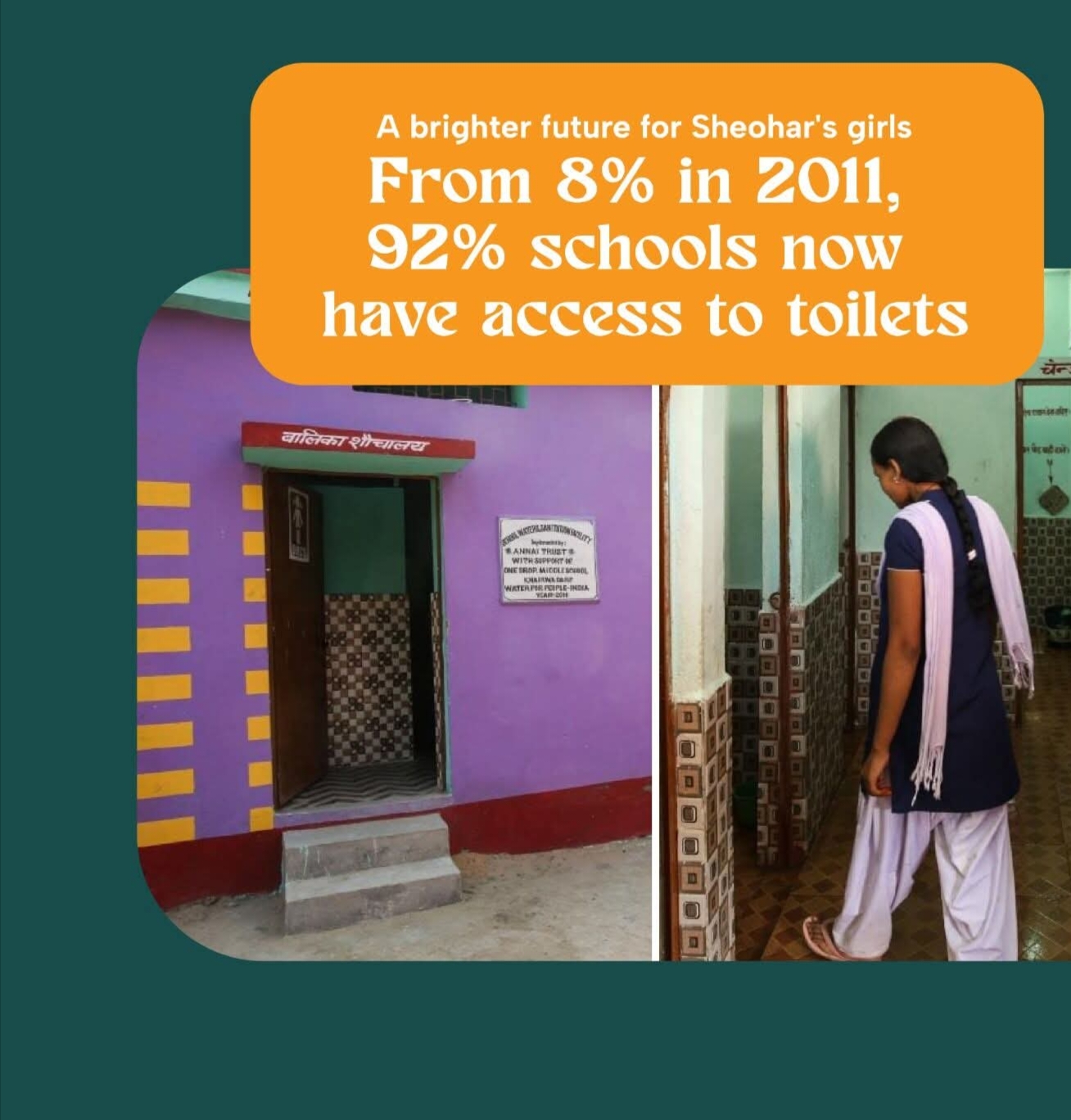
Imagine being a 13-year-old girl who misses school five days every month because there’s nowhere safe to change your sanitary pad. This is reality for millions of girls across India, where 23% of female students drop out when they start menstruating.
The toilet facilities crisis in girls’ schools in India isn’t just about bathrooms—it’s about education, dignity, and future opportunities.
I’ve spent years documenting how proper sanitation transforms attendance rates, with schools reporting up to 40% increases when they install private, functional facilities.
That’s where things get interesting.
Current Status of Toilet Facilities in Girls’ Schools
A. Statistical overview of availability across India
The numbers tell a harsh story. Only 66% of schools in India have usable toilet facilities for girls according to the Annual Status of Education Report 2021. Think about that – one-third of girls have nowhere decent to go when nature calls.
In urban areas, the picture looks better with 78% coverage, while rural schools lag at 61%. The toilet-to-student ratio is another shocker – national guidelines recommend one toilet unit per 40 girls, but the reality? One toilet for every 66 girls nationally.
B. Regional disparities in infrastructure
The toilet situation isn’t equal across India – not even close. Northern states like Himachal Pradesh and Punjab boast 80%+ schools with functional girls’ toilets. Meanwhile, states like Bihar, Jharkhand, and Odisha struggle below the 50% mark.
Kerala leads the pack with 96% coverage (no surprise there), while Bihar sits at just 48%. This isn’t random – it closely tracks with state education budgets and governance priorities.
The urban-rural divide within states is just as stark. Take Maharashtra – 92% coverage in Mumbai schools versus 58% in remote Gadchiroli district.
These gaps mean millions of girls face wildly different school experiences based simply on where they live.
C. Comparison with boys’ schools
Girls get the short end of the stick when it comes to school bathrooms – plain and simple.
For every school lacking boys’ toilets, there are 1.4 schools missing girls’ facilities. In co-ed schools, boys’ toilets receive priority in both construction and maintenance. On average, boys’ toilets are 22% more likely to have running water and regular cleaning.
Here’s how the facilities stack up nationally:
The one area where girls’ facilities exceed boys’ is in providing private changing spaces – a basic necessity for adolescent girls.
D. Impact on girls’ attendance rates
Poor toilet facilities hit girls where it hurts most – their education. Schools with inadequate toilets see 23% higher absenteeism among female students compared to those with proper facilities.
The numbers spike dramatically during menstruation – 70% of girls miss 1-4 days of school monthly when their school lacks adequate facilities. That’s up to 20% of school days lost annually!
A UNICEF study tracked 200 schools after toilet improvements and found girls’ attendance jumped by 15% within six months. Dropout rates tell the same story – schools with proper toilet facilities see 11% lower dropout rates for girls reaching secondary education.
Health Implications of Inadequate Facilities
A. Urinary tract infections and other physical health issues
Girls in Indian schools often face a terrible choice – use dirty, unsafe toilets or don’t go at all. When they hold their urine for hours, they’re basically inviting UTIs into their lives. These infections aren’t just uncomfortable – they can lead to kidney damage when left untreated.
The numbers are shocking. About 50% of schoolgirls report regular urinary tract infections directly linked to inadequate toilet facilities. Many schools have just one functioning toilet for hundreds of students. Some have none at all.
Dehydration is another major issue. Girls deliberately drink less water to avoid using bathrooms, leading to headaches, fatigue, and inability to concentrate in class. This directly impacts their academic performance.
Gastrointestinal problems are common too. With no proper handwashing facilities in many schools, bacteria spread easily. Nearly 40% of girls miss school regularly due to preventable stomach issues.
B. Mental health and psychological impacts
The psychological toll of poor toilet facilities goes largely unnoticed. Girls experience intense anxiety knowing they might not have access to a private, clean bathroom when needed. This constant stress affects their ability to focus in class.
Many report feelings of shame and embarrassment when forced to ask permission repeatedly to use inadequate facilities. Some teachers, not understanding the urgency, deny these requests, adding humiliation to an already difficult situation.
The psychological impacts manifest physically too – stress-induced headaches, stomach pains, and even panic attacks are reported among adolescent girls navigating these challenges daily.
C. Menstrual hygiene management challenges
When a girl gets her period at school without proper toilets, it becomes a nightmare scenario. No running water. No disposal systems. No privacy. Many skip school entirely during menstruation, missing up to 20% of the academic year.
The facilities that do exist rarely meet basic needs for menstruating girls:
- 89% lack running water inside toilet stalls
- 92% have no disposal mechanisms for sanitary products
- 76% don’t have doors that lock properly
Girls resort to unhealthy practices like using the same pad all day, increasing infection risks. The shame surrounding menstruation combined with inadequate facilities creates a perfect storm that pushes girls out of education entirely.
This isn’t just a convenience issue – it’s a major public health crisis affecting millions of girls’ futures.
Educational and Social Consequences
A. School dropout rates linked to inadequate facilities
Girls in India are dropping out of school at alarming rates because of something as basic as a toilet. When schools lack proper toilet facilities, girls miss up to 5 days of school each month during their periods. After falling behind repeatedly, many simply stop attending altogether.
The numbers tell a painful story. Schools with no functioning toilets see dropout rates for adolescent girls as high as 40% compared to just 11% in schools with adequate facilities. That’s not a typo – inadequate toilets quadruple the likelihood a girl will abandon her education.

B. Academic performance correlation
Ever tried concentrating when you’re uncomfortable? Now imagine that discomfort lasting all day, every day. Girls in schools without proper toilets score 15-20% lower on standardized tests compared to their peers in schools with adequate facilities.
The reason is brutally simple: these girls spend their energy worrying about basic needs rather than learning. Many avoid drinking water throughout the school day to reduce the need to use non-existent or unsafe facilities. Dehydration makes concentration nearly impossible.
C. Long-term career and economic impacts
When girls drop out, their earning potential plummets. Women who complete secondary education earn almost 60% more than those who don’t finish school. Over a lifetime, that adds up to millions of rupees in lost income.
The ripple effects touch everything. Girls who leave school early are more likely to marry young, have children earlier, and remain financially dependent. One missing toilet can literally alter the trajectory of a girl’s entire life.
D. Social stigma and dignity issues
The shame factor can’t be overstated. Girls managing their periods in schools with inadequate facilities face teasing, harassment, and humiliation. In rural areas especially, the stigma around menstruation combines with poor facilities to create an impossible situation.
Many girls report feeling “dirty” or “lesser than” their male classmates. This psychological burden follows them far beyond school walls, affecting self-confidence and mental health for years to come.
E. Privacy and safety concerns
For many girls, using school toilets (if they exist at all) means risking their safety and dignity. Facilities often lack doors, proper walls, or any privacy measures. In some cases, girls must use the same facilities as boys or male teachers.
Sexual harassment and assault cases related to inadequate toilet facilities are significantly underreported but devastatingly common. Parents, aware of these risks, often choose to keep daughters home rather than expose them to potential danger – trading education for safety in an impossible choice no family should have to make.
Government Initiatives and Policies
A. Swachh Bharat Abhiyan achievements and shortfalls
The Swachh Bharat Abhiyan launched in 2014 promised to transform sanitation in schools across India. Eight years in, and the numbers tell an interesting story.
Over 4.2 million toilet units have been constructed in schools nationwide – sounds impressive, right? But dig a little deeper and you’ll find the reality on the ground is quite different.
Nearly 40% of girls’ toilets in government schools remain non-functional. What’s the point of building toilets if girls can’t actually use them?
The campaign succeeded in raising awareness about the importance of sanitation, but failed to address maintenance issues. Many schools received one-time construction funds but zero budget for upkeep or repairs.
A 2021 survey across 12 states found that while toilet coverage increased to 93%, only 60% had running water. And that’s in schools that reported having facilities – not counting the thousands that still have nothing at all.
B. State-level programs and their effectiveness
Some states have truly stepped up their game. Tamil Nadu’s “Clean School, Happy School” program didn’t just build toilets – they created student monitoring committees that actually keep them functional.
Kerala implemented their “She Lodge” program, providing private changing spaces alongside toilets – addressing the whole spectrum of girls’ needs.
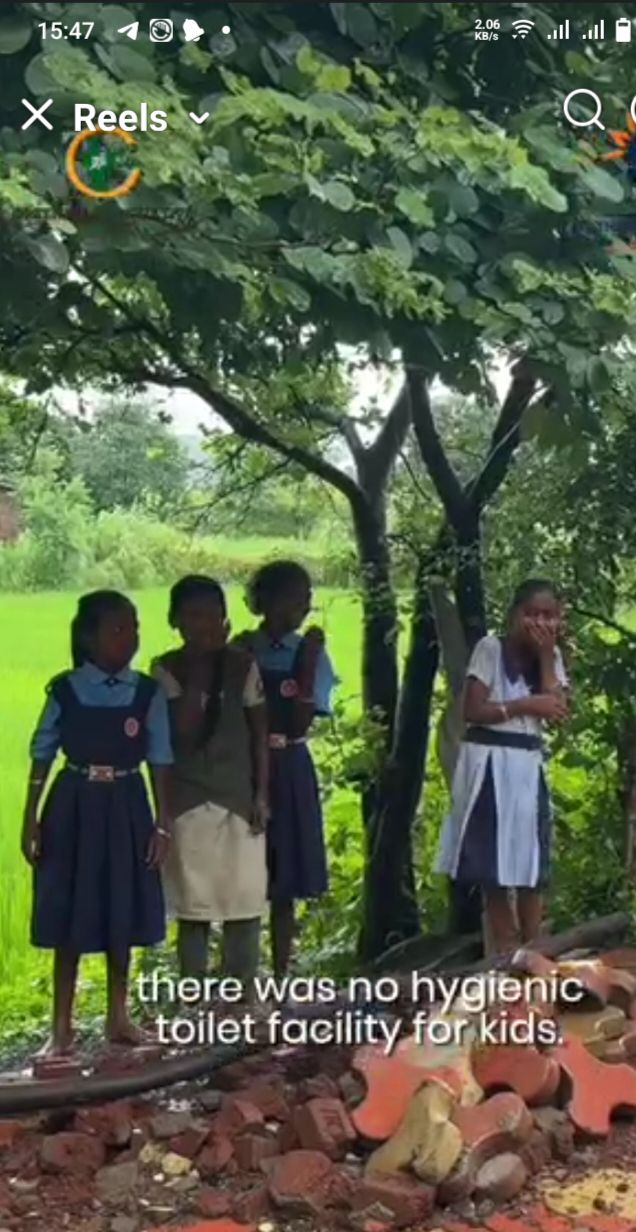
Meanwhile, Bihar continues to lag with only 47% of girls’ schools having usable toilet facilities. Their “Shauchalay Nirman” scheme looks great on paper but falls apart in implementation.
The stark difference between states reveals a troubling pattern:
C. Budget allocations and utilization
The money situation is where everything falls apart. The central government allocated ₹6,200 crores for school sanitation from 2014-2022, but here’s the kicker – utilization rates hover around 67%.
Where’s the missing 33%? Stuck in bureaucratic red tape, diverted to other “priorities,” or worse – pocketed along the way.
Annual maintenance costs for a functional girls’ toilet block average ₹18,000, but most schools receive less than ₹5,000 yearly. School principals are left scrambling, often diverting funds from educational supplies.
Many state governments slashed sanitation budgets after the initial construction phase, operating under the misguided notion that toilets are a one-time expense rather than infrastructure requiring consistent upkeep.
The 2021-22 budget actually reduced allocation by 8% compared to pre-pandemic levels, despite research showing sanitation needs increased during this period.
Successful Implementation Models
Case studies of effective school toilet programs
Girls in Bihar used to skip school during their periods. Then the Toilet+ program changed everything. They built separate facilities with running water, disposal bins, and changing areas. Attendance shot up by 40% in just six months.
In Maharashtra, the “She Toilets” initiative transformed 230 schools by installing eco-friendly toilets that use 80% less water. They didn’t just build toilets – they created safe spaces with solar lighting and menstrual product dispensers. School dropout rates among teenage girls plummeted from 23% to just 7%.
The WASH United approach in Tamil Nadu shows what’s possible when design meets real needs. They surveyed girls before building anything. The result? Toilets with proper locks, adequate lighting, and enough space to change comfortably. These small details made a massive difference in daily usage.
Public-private partnerships in infrastructure development
The Tata Trusts partnership with five state governments proves what’s possible when companies get involved. They’ve funded over 10,000 school toilet blocks while the government provides land and maintenance support. This split responsibility model works because everyone plays to their strengths.
Hindustan Unilever’s “Clean School, Clean Future” program takes a different angle. They provide construction expertise and materials while schools contribute labor and ongoing cleaning. This 50/50 approach has transformed sanitation in 8,000+ schools across India.
Microsoft’s unlikely entry into this space shows the power of tech in sanitation. Their “DigiToilet” program equips facilities with usage sensors and maintenance alerts. When something breaks, it gets fixed fast – not months later when it’s unusable.
Community involvement approaches
The “Toilet Guardians” program in Rajasthan puts mothers in charge. Each school has a committee of 5-7 mothers who inspect facilities weekly and report issues directly to officials. Problems get fixed fast when moms are watching!
Village-level “Swachh Teams” in Uttar Pradesh mobilize local resources brilliantly. When government funding falls short, these teams organize fundraising events like cricket tournaments and cultural shows. One village raised enough for three new toilet blocks through a single community festival.
The “Student Sanitation Leaders” approach in Kerala hands responsibility to the girls themselves. Elected toilet monitors ensure supplies are stocked and facilities stay clean. They’re given real authority and budgets to manage – teaching leadership while solving practical problems.
Maintenance and sustainability strategies
The “Repair First” fund in Gujarat tackles the biggest problem head-on: broken facilities. Schools get dedicated maintenance accounts with simplified approval processes. No more waiting months for a simple repair – issues get fixed within 48 hours.
Biogas systems connected to toilets in Madhya Pradesh schools create a sustainability loop. Waste converts to cooking fuel for midday meals, saving schools money while keeping facilities functional. The financial benefit ensures maintenance remains a priority.

The “Clean Competition” between schools in Odisha turns maintenance into a game. Monthly inspections score facilities on cleanliness, functionality, and student satisfaction. Winning schools receive additional funding and recognition – creating powerful incentives to maintain what’s been built.
Technology and Innovation Solutions
Low-cost sanitation designs
Girls in Indian schools deserve proper toilets without breaking the bank. Several simple yet effective designs have gained traction across the country.
The twin-pit pour-flush toilet costs just ₹15,000-20,000 and lasts decades. One pit works while the other decomposes waste into safe manure. Smart, right?
Pre-fabricated toilet units are another game-changer. These ready-made structures slash installation time from weeks to days. A school in Bihar installed 12 units in just one weekend!
Bamboo and locally-sourced materials cut costs by 40% compared to concrete structures. In West Bengal, communities built 200+ bamboo-reinforced toilet blocks that withstand monsoons and cost under ₹10,000 each.
Ecosan toilets separate liquid and solid waste without water, perfect for drought-prone areas. These toilets use 70% less water than conventional designs.

Water conservation toilet systems
Water scarcity hits many Indian schools hard. But innovative toilet systems are changing this reality.
Dual-flush mechanisms save up to 67% water compared to single-flush toilets. Girls at a Rajasthan school reduced water consumption by 40,000 liters monthly after installing these simple devices.
Rainwater harvesting-connected toilets capture monsoon bounty for flushing. One school in Kerala hasn’t used a drop of groundwater for toilets in three years!
Foam-flush toilets use just 300ml of water per flush instead of 6-8 liters. That’s 95% water savings!
Menstrual waste management solutions
The menstrual waste challenge is real. Girls miss school when they can’t manage periods privately.
Incinerators designed specifically for sanitary napkins provide dignified disposal. Solar-powered models work even during power cuts. The “Ashudhinashak” model costs only ₹15,000 and handles waste from a school of 500 girls.

Biodegradable disposal bags containing natural enzymes break down pads in 6 months instead of 800 years. A school in Tamil Nadu provides these bags in all girls’ toilets.
Reusable options like menstrual cups and washable pads are gaining acceptance through school-based education programs. They eliminate daily disposal concerns while saving girls money.
Path Forward for Improvement
Policy recommendations
Girls shouldn’t have to choose between their education and basic dignity. Yet that’s exactly what’s happening across India when schools lack proper toilets.
The government needs to enforce the Right to Education Act with teeth. Make it crystal clear that functioning, separate toilets for girls aren’t optional extras—they’re non-negotiable requirements for school recognition.
And let’s get real about standards. The current “one toilet per school” approach doesn’t cut it. We need policies that specify:
- One toilet per 40 girls
- Private changing spaces
- Running water and soap
- Proper disposal for menstrual products
- Regular maintenance schedules
Schools also need dedicated menstrual hygiene education programs. Not just whispered conversations, but actual curriculum that normalizes these discussions.
Funding strategies
Money talks. And right now, it’s not saying enough about girls’ toilets.
The current central government schemes barely scratch the surface. What we need is targeted funding that doesn’t disappear into general infrastructure budgets.
Smart approaches include:
- Public-private partnerships with companies already working in sanitation
- Creating dedicated toilet infrastructure bonds
- Incentivizing CSR investments specifically for girl-friendly toilets
- Matching grants that multiply local contributions
The cost of building proper toilet facilities is tiny compared to the massive economic returns from keeping girls in school. Every rupee invested here pays dividends in future workforce participation and reduced healthcare costs.

Monitoring and accountability frameworks
Here’s the uncomfortable truth: building toilets isn’t enough if they’re locked, filthy, or unsafe.
We need robust monitoring systems that track not just existence but actual usability:
- Regular surprise inspections
- Student feedback mechanisms
- Mobile reporting apps for parents
- Public dashboards showing compliance rates
Community watchdog committees with actual enforcement powers can transform accountability. When mothers and local women leaders get involved, maintenance standards skyrocket.
Integrating toilet facilities into broader education planning
Toilets aren’t just plumbing problems—they’re education problems.
School development plans must integrate sanitation from day one, not as an afterthought. This means incorporating toilet considerations into:
- Teacher training programs
- School management committee responsibilities
- Annual performance evaluations
- Student enrollment campaigns
The most successful approaches recognize that toilet facilities directly impact learning outcomes. When schools track attendance patterns by gender and correlate them with toilet improvements, the connection becomes undeniable.
Access to proper toilet facilities in girls’ schools across India remains a critical issue impacting millions of students’ daily lives. The inadequate infrastructure not only poses serious health risks but significantly affects educational outcomes, leading to higher dropout rates and absenteeism, particularly during menstruation. While government initiatives like Swachh Bharat Abhiyan have made progress, successful implementation models demonstrate that combining infrastructure development with education and community involvement yields the most sustainable results.
The path forward requires a multi-faceted approach incorporating innovative technologies, consistent maintenance programs, and greater awareness of menstrual hygiene management. By investing in these essential facilities today, we invest in the future of India’s girls—enabling their education, protecting their health, and affirming their dignity. Every school with proper sanitation represents another barrier removed from girls achieving their full potential.
