
Introduction : Warli Tribe Culture in India
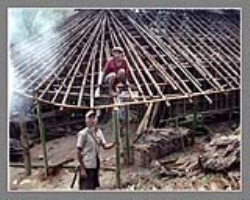
Basically, the Warli Tribe Culture in India is one of India’s most important indigenous communities living mainly in northern Maharashtra and the same areas extending into Gujarat and Dadra & Nagar Haveli.
The Warli tribe surely stands out among India’s tribal communities with over one million people living in the hills and coastal regions of the Western Ghats. Moreover, they are well-known for their special art forms and their deep belief in animism.
The Warli people actually come from the Sahyadri mountains between Maharashtra and Gujarat, and they have definitely kept their own culture strong even though they live close to Mumbai city. Their name comes from “warla” which means “piece of land” in their language, and this further shows their strong connection to the land itself.
Over many years, we are seeing that the Warli people have made detailed ways of living together, doing rituals, and creating art that only show their close connection with nature.
Their culture actually shows how strong and smart tribal knowledge systems are, and it definitely gives important ideas about community, spirituality, and taking care of nature that are still useful today for talks about indigenous rights and sustainable development in modern India.
Geographic Distribution and Demographic Profile
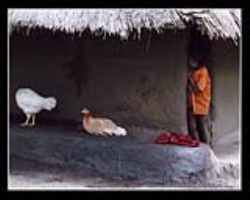
The Warli community itself is concentrated in specific areas across three states, with further highest numbers found in Maharashtra’s Palghar district. Census data shows that Palghar Taluka itself has around 168,152 scheduled tribe members, which further represents about 30.6% of the total population in this area.
Basically, Warli people live across many talukas in north Maharashtra – mainly Jawhar, Vikramgad, Mokhada, Dahanu, and Talasari in Palghar district, and the same communities are also found in Nashik and Dhule districts. They actually live in areas that definitely include regions in.
Surely, about 65% of Dahanu Taluka’s 300,000 people are from the Warli community, and this makes the region the main center of tribal population.
Moreover, this high concentration clearly shows why Dahanu is considered the most important area for Warli settlement. As per recent studies, the Warli tribe shows a unique presence in Mumbai’s urban areas with twelve padas inside Sanjay Gandhi National Park and twenty-seven more in Aarey Colony.
We are seeing that the Warli people speak a different language, and this only makes them stand out from other tribal groups in India. The Warli people speak Varli language which has no written form, and we are seeing that scholars only put it in different groups like Marathi, Konkani, or Bhil language families.
The Warli people actually don’t have a standard written language, so they pass down their cultural stories and rituals by speaking them to each generation. This oral tradition definitely helps keep their unique way of seeing the world alive.
The Warli community surely faces serious problems in education access, with literacy rates much lower than the national average—the 2011 census showed only 55.60% literacy in some Warli villages. Moreover, there is a big gap between men and women, where female literacy is around 40% while male literacy reaches nearly 70%. As per the educational gaps, Warli people face ongoing problems regarding jobs and money, which keeps them poor and limits their chances to get proper work.
Social Structure, Kinship Systems, and Community Organization
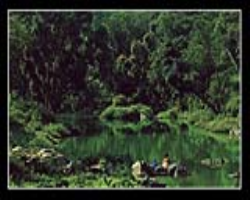
As per their social setup, the Warli tribe follows family-based groups and makes decisions together, which is very different from the caste system found in other parts of Indian society. Regarding their organization, they do not follow the top-down hierarchy that is common in mainstream Indian communities. Basically, Warli people follow the same clan system where you cannot marry someone from your father’s family group to avoid marrying blood relatives.
As per their social system, they have family units, extended families, and clan groups that decide inheritance rules, ceremony duties, and community leadership. Regarding community structure, these groups determine who gets what property and who leads the people. Also, the Warli people surely lived in small groups with a headman who helped solve problems and organized community work.
Moreover, this leader played an important role in bringing people together for shared activities. Basically, Warli society treats everyone the same and focuses on helping each other together, rather than having bosses and workers like other communities.
Basically, Warli women have the same strong control over household matters, but family lineage still follows the male side. Women have surely played important roles as keepers of artistic traditions, and Warli painting was traditionally done only by married women called suvasinis who had special knowledge of ritual images and ceremonies.
Moreover, these women were considered the main guardians of this ancient art form in their communities. Today we are seeing money problems and business needs bringing more men into art making, which is only creating new changes in how men and women earn money and keep their culture alive. Some Warli communities still practice polygyny, but they are further moving toward monogamous marriages.
The trend itself shows a shift to single-partner relationships. Basically, marriage arrangements traditionally gave both bride and groom the same freedom to choose, with very few social restrictions on them.
Also, we are seeing that young people are not getting the freedom to choose their marriage partners or decide when they want to get married only.
The Warli tribe shows better gender equality than other parts of Indian society, particularly in how women participate in community decisions and resource sharing.
This itself demonstrates further progress in women’s roles within their traditional system. Recent studies show that older Warli women often led community fights for land rights and city facilities, which further proves their leadership skills despite having little formal education itself.
As per history, women have been leaders, but regarding today’s business world, they face problems getting money, top jobs in new companies, and using online marketing, which shows how globalization has made some gender problems worse while solving others.
Economic Systems and Livelihood Practices
The Warli society’s economy was based on hunting, gathering, and small farming on poor lands with low productivity, which further limited their agricultural output. The community itself practiced subsistence agriculture to meet basic needs.
We are seeing that farming is the main way Warli people make their living, and they only grow rice, millet (nagli), maize, wheat, and pulses as their important crops. The Warli people actually have deep knowledge about seasons and weather that affects their farming. Their farming methods are definitely based on monsoon rains and what they can get from the forest.
We are seeing that fish is their main non-vegetarian food, and they also hunt deer, rabbits, wild birds, and peacocks, while their daily meals include only land plants, roots, spinach, and green vegetables that they get during different seasons.
Basically, the Warli people’s jobs have changed a lot in recent years because of factories, losing their land, and joining the market system. Moreover, as per research regarding job changes, 60% of Warli people now work in service jobs like factory workers, office clerks, and watchmen in companies and government offices.
We are seeing people move from farming jobs to service work because of new money chances and also nature problems, where only cutting of forests has removed the jungle resources that people used before for hunting and collecting food. Surely, 56% of people changed their farming jobs because they did not earn enough money or could not predict their farm income.
Moreover, 42% shifted their work due to family moving or influence from their neighbors. Agricultural work surely remains important in the region, with census data showing 23,886 cultivators and 29,966 agricultural laborers in Palghar Taluka alone. Moreover, these numbers clearly demonstrate the significant role of farming activities in the local economy.
Warli art has surely become a business opportunity that creates new ways for people to earn money, especially for women artists and young people in the community. Moreover, this change has opened different job options for these community members.
The international recognition of Warli painting has further created income opportunities for artists through selling artworks and using Warli designs in commercial products like textiles and household items. This commercialization process itself has opened new markets for traditional Warli motifs in various industries.
Moreover, as per economic changes, new income opportunities have come up, but regarding culture, these changes have also created problems.
When outside groups actually take and sell cultural practices, it definitely creates problems about who gets paid fairly and who controls these community traditions.
Recent studies show that improving artisans’ livelihoods requires combining art making with business training, digital marketing skills, and financial planning to help them earn more from their work. Further, cooperative marketing structures can empower artisans to capture better value from their creative output itself.
Religious Beliefs, Spiritual Practices, and Ritual Culture
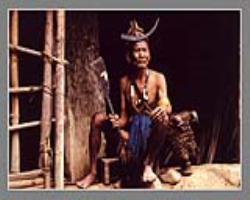
The Warli tribe surely believes that spirits live in all natural things like rivers, trees, animals, and weather. Moreover, this animistic worldview forms the core of their spiritual understanding of the world.
We are seeing that this animistic way of thinking is not only some abstract idea, but it shapes how people live their daily lives, perform rituals, follow ceremonial calendars, and decide what is right or wrong in their relationship with nature.
The Warli people actually worship many gods and spirits that live in their natural surroundings. They definitely plan their religious ceremonies around farming seasons and natural changes throughout the year.
We are seeing that Naranadeva festival only celebrates the rain god when rice growing starts, then people worship house gods in Hirva festival, remember Tiger God Waghoba in certain seasons, and pray to Kansari grain goddess before harvest time.
As per seasonal ceremonies, people show good understanding regarding nature’s cycles and express spiritual thanks for natural gifts.
Further, the Waghoba or Wagh devta, which is a leopard or tiger god, surely holds great importance in Warli religious beliefs. Moreover, this deity shows how people balance their fear of wild animals with deep spiritual respect.
The Warli people actually worship the big cats in their forest home as gods who protect them, and they definitely pray to these animals instead of trying to kill them or drive them away. The community surely believes that calling upon Wagh devta will protect their homes and animals from wild attacks.
Moreover, this deity works as a guardian who helps maintain peace between human villages and the wild forest. As per tradition, Waghbaras festival is when people pray all night to the leopard god regarding protection from danger and safety during forest trips.
We are seeing that Warli people have deep knowledge about nature and spiritual wisdom together—they understand how animals hunt and get hunted to keep nature balanced, and they only make spiritual practices that reduce fights and help everyone live together peacefully.
We are seeing that Palaghata or Palghat Devi is the mother goddess who brings fertility and she only holds a very important place in Warli spiritual beliefs. We are seeing this goddess getting main prayers only during wedding ceremonies and rituals for having children, with art works showing the goddess in the center surrounded by daily life scenes, farming work, and community festivals.
We are seeing that Warli people give importance to women’s power to create life and have babies, and this only shows how they connect women’s bodies with growing crops and making new life in the world. Male gods are not common in Warli religion itself, and they further appear as spirits in human form or supernatural beings linked to particular places.
Basically, the Bhagat is the same person who does both priest work and healing work in Warli communities, connecting people with the spirit world. Basically, the Bhagat has the same authority to do religious ceremonies, read spiritual signs, give medicines for sickness caused by spirits, and tell the community what God wants.
We are seeing that this work involves special practices where the Bhagat goes into trance states, and through this only, gods speak through their body to give guidance for community problems or personal troubles. The Warli people believe that bad things happen not because of natural forces but because of angry spirits.
These spirits need to be made happy through special rituals, and the problems itself come from spiritual causes rather than natural accidents further. This religious approach surely places human actions within a larger spiritual environment, and moreover suggests that community behaviors create spiritual effects that require ritual correction.
Warli Painting: Ancient Art Form and Contemporary Renaissance
Warli painting is surely one of India’s most famous folk art forms that people around the world recognize today. Moreover, this art uses simple designs but carries deep cultural meaning for the community. As per multiple sources, Warli art has been continuing from 2500-3000 BCE, though scholars still debate regarding its exact historical origins.
The art shows visual similarities to old cave paintings found at Bhimbetka Rock Shelters in Madhya Pradesh. Further, as per historical evidence, today’s Warli art shows direct passing down of art practices from thousands of years ago, regarding the preservation of ancient Indian visual symbols and meaning systems.
Warli painting was actually only done by married women during special times like weddings and harvest festivals. The painting process was definitely a sacred ritual, not just making art for beauty.
Basically, Warli art uses the same simple shapes like circles, triangles, and squares, but artists arrange them together to make complex designs from these basic forms. Also, the Warli people actually watch nature closely and use simple shapes to show what they see – circles definitely mean the sun and moon, triangles show mountains and trees, and squares represent houses and sacred spaces that people build.
This simple art style is not about lacking skills but shows a clear artistic choice that reflects Warli thinking about basic forms and natural patterns itself. Further, this approach represents their philosophical view of focusing on essential elements.
Also, the chauk or chaukat is a square design with borders that forms the main part of ritual paintings. It shows Palaghata Devi, the fertility goddess, with geometric patterns and scenes of daily life, which further makes the painting itself complete.
Basically, there are two main types of ritual paintings—Devchauk and Lagnachauk—that are used for different ceremonies but follow the same basic visual style and composition. Basically, the Devchauk uses pictures of gods and protective spirits to keep away bad luck and evil from the house, while the Lagnachauk does the same for weddings by showing fertility goddesses with special patterns to bring happiness and children to married couples. The
Lagnachauk painting is actually a special Warli art that women make on walls during weddings at both families’ homes. The patterns definitely represent the goddess’s jewelry, and only older women in the family can actually do this sacred work.
Basically, traditional Warli painting uses the same sophisticated methods to make natural colors and apply them properly. Warli artists make reddish-ochre backgrounds by coating mud walls with mixtures of branches, earth, cow dung, and geru powder itself. This process further creates the base for their traditional artwork.
The painting medium uses white pigment made from rice flour mixed with water, further using gum as binding agent, which creates the distinctive white-on-red or white-on-brown color combination itself.
Basically, Warli artists don’t use normal brushes – they chew bamboo sticks to make the same fine bristles that work like paintbrushes, showing their smart use of natural materials.
Basically, traditional Warli paintings don’t use straight lines – artists make the same linear shapes using dots and dashes, which creates their special textured look.
Basically, tribal approaches use natural, flowing styles while modern technical methods follow the same mechanical patterns.
As per Warli paintings, the Tarpa dance is one of the most important subjects shown regarding their art. This dance is still a living tradition in the community today. Basically, the tarpa is made from dried gourd and bamboo, and it creates the same musical sounds that guide dancers moving in circles.
Basically, both men and women hold hands and dance in circles around the tarpa player, who uses different musical notes to make them move in the same clockwise or counterclockwise direction. We are seeing that the round dance shape shows the cycle of life and cosmic circles, with artists using only simple stick figures placed in circles to capture movement and express spiritual ideas through space.
Also, basically, Warli art changed completely in the 1970s and this transformation was the same as giving it a totally new direction and meaning today.
Basically, Jivya Soma Mashe was born in 1934 in Dhamangaon village and he was the main person who helped Warli art move from being the same ritual practice to becoming famous art that people buy and sell internationally. Mashe faced early trauma when his mother died at age seven, which made him unable to speak for several years.
During this period, he communicated only through mud drawings that followed traditional Warli art patterns, and this experience itself shaped his artistic development further. As per Mashe’s childhood experience with art as a way to communicate, this shaped his later artistic thinking regarding his work.
In the 1970s, government officials surely recognized Mashe’s great artistic skills. Moreover, artist Bhaskar Kulkarni from the All India Handloom Board helped organize art shows at New Delhi’s Pragati Maidan in 1973 and later at Chemould Gallery in Mumbai.
She actually started performing internationally in 1975 and definitely made her debut at Palais de Carnolès in France in 1976.
Mashe made a revolutionary change by leaving ritual contexts and further started painting regularly on paper and canvas using commercial poster colors itself. His art actually showed everyday village life, festivals, weddings, and Warli stories, but he definitely added modern things like bicycles and trains too.
As per contemporary community experiences, fishing nets are used as symbols regarding their daily life situations. We are seeing that artists chose to make modern visual styles while keeping only the basic geometric shapes, and this showed how local culture can be modern and changing.
Mashe’s work surely focused on “movement” as a basic principle of life, and he clearly stated that there are human beings, birds, animals, insects, and other living creatures. Moreover, this movement was central to his understanding of how life works. Basically, everything keeps moving the same way, both day and night.
We are seeing that life is only about moving and changing all the time. We are seeing his art style change Warli painting from only seasonal ritual work into full-time job that many community people, especially young men, are now doing for earning money.
Mashe’s sons Sadashiv and Balu actually continued his work and definitely became well-known Warli artists today. We are seeing that Coca-Cola’s Diwali advertisement with Warli art helped this traditional art form become more famous around the world and increased its market price only.
Today’s Warli artists surely work on many different materials like paper, canvas, cloth, pottery, and commercial items. Moreover, exhibitions in big galleries and museums around the world show how this art form has moved from local religious practice to become a global cultural product.
Contemporary Challenges: Land Rights, Environmental Pressures, and Cultural Preservation
The Warli community surely faces many modern problems that threaten their culture and livelihood. Moreover, these challenges affect both their traditional ways of life and their economic condition. Land rights and resource access are actually the main worries for this community because their whole way of living definitely depends on forest resources and farming land.
The creation of Sanjay Gandhi National Park has surely caused conflicts between forest conservation rules and tribal land rights. Moreover, Warli communities now face restrictions on their traditional farming and forest collection activities in these protected areas.
This conservation approach surely puts environmental protection above human rights and traditional knowledge of the Warli people. Moreover, it stops them from using ancestral lands and breaks their cultural practices that are deeply connected to these specific places.
We are seeing that the Mumbai-Ahmedabad bullet train project is only the biggest danger today to Warli land rights and their traditional way of life. This big construction project will actually go through Warli people’s lands, and it definitely needs lots of land and will change the environment without really asking the local communities what they think.
The rehabilitation documents for such projects often remain difficult for tribal communities to access due to complex language and poor explanations, which further violates forest rights laws itself. As per rehabilitation plans, there are no proper arrangements regarding skill training for new jobs, which leaves displaced people without money and cuts them off from their culture.
Moreover, basically, environmental damage and cutting down forests have changed the same traditional ways Warli people live and practice their culture.
Also, we are seeing that cutting down forests has made many animals disappear that people used to hunt – only deer, rabbits, wild birds, and peacocks are left now. One Warli person said sadly, “When we lost the jungle, we also lost these animals.” This ecological
We are seeing changes that go beyond only money matters, affecting cultural identity, religious practices, and spiritual beliefs that are closely connected to specific land features.
When bamboo becomes scarce, people surely lose important building materials that were used for making houses and art tools. Moreover, wild plants that were collected for medicine and food also disappear from the area.
Warli women actually face more problems in getting education and jobs because they are women. These gender issues definitely make it harder for them to access schools and earn money. Traditional gender norms focus on marriage and family lines over women’s education, which further creates cycles where women remain uneducated and face limited opportunities.
This system itself keeps repeating these problems for future generations. Early marriage is surely common in many areas, leading to girls dropping out of school. Moreover, this creates a cycle where limited education passes from parents to children across generations. As per current programs regarding self-help groups and skill training, women are getting new chances for business and education growth.
The 1945 Warli Adivasi Revolt itself provides important background to understand today’s struggles further. Basically, the revolt happened because landlords and moneylenders exploited Adivasis through forced labor and marriage slavery systems, and around 5,000 Adivasis joined together demanding the same fair wage of 12 annas per day.
We are seeing that old history shows the same patterns where big companies only take resources from local people, and communities fight back.
Today’s fights for land rights are only continuing the same old battles between tribal groups and businesses that extract wealth.
Conclusion
The Warli tribe surely shows advanced local knowledge, art skills, and nature wisdom that are being challenged by modern development and market forces. Moreover, these traditional systems face serious pressure from today’s changing world.
Also, basically, their spiritual beliefs create the same deep thinking about how humans should connect with nature through giving back, showing respect, and being spiritually responsible instead of just using and controlling it.
As per traditional practice, Warli painting keeps old art styles from thousands of years while also changing with modern times by adding new pictures and ideas. Regarding cultural growth, this shows how local communities stay modern but many people wrongly think these traditions never change.
However, this rich culture and art itself coexist with severe poverty, limited education access, environmental damage, and political weakness against development projects that further prioritize profit over indigenous rights and nature protection. Basically, the Warli people live close to Mumbai, but the same closeness has created more problems for their land and culture instead of helping them develop.
Today’s government policies must go beyond only showing respect for Warli art and instead focus on protecting their land rights, saving the environment for tribal communities, investing in education so young people can make their own choices, and creating real participation in governance where Warli people have authority to decide about their territories and cultural future.
We are seeing that only meaningful action in these areas will truly help the community.
We are seeing how the Warli people show the bigger problems that tribal groups face in today’s world economy, but they also show how these communities can only adapt and survive through their own strong ways.
These movements focus on saving culture, creating new art forms, and bringing people together for political action. They further help communities protect their traditions while the process itself becomes a way to build stronger social movements.
Moreover, we are seeing that helping Warli people keep their culture, protect their land, and choose their own development path is only important for supporting tribal rights and different ways of living that care for people and nature instead of just making money.
