
Ever stood on a steamy street corner at 2 AM in Bangkok, watching a 70-year-old woman flip noodles with the precision of a surgeon? That’s street food in Asia – not just meals, but living museums of culinary history.
I’m about to take you on a journey through Asia’s vibrant street food culture that’ll have you booking flights before you finish reading.
From Taiwan’s night markets to India’s chaat stands, these sidewalk kitchens tell stories no restaurant ever could. The aromas, the sizzle, the community that forms around a single cart – it’s food theater at its finest.
But here’s what most travelers never understand: the best street food isn’t just about taste. It’s about knowing the secret code of each city’s street food scene.
The Rich Heritage of Asian Street Food
Historical roots of street food traditions
Ever stopped to think about how that mouthwatering bowl of noodles from a street cart came to be? Asian street food didn’t just pop up overnight.
In Thailand, canal-side markets served as the original food courts, with boat vendors paddling up to sell their specialties. These waterways were the highways of their day, and food naturally gathered where people traveled.
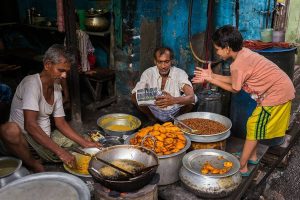
India’s chaat originated from physicians in Uttar Pradesh who created savory snacks to combat illness during a water crisis. What began as medicine evolved into some of the most crave-worthy street foods on the planet.
How street food reflects cultural identity
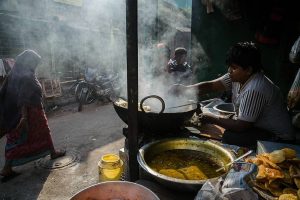
Street food tells you more about a place than any guidebook ever could. It’s honest food – no pretense, just flavor.
Take Indonesia’s satay. Those little skewers of grilled meat speak volumes about the country’s history of spice trading and cultural mixing. The peanut sauce? That’s American influence through trade routes.
Vietnam’s bánh mì sandwiches are edible history lessons – French baguettes filled with Vietnamese ingredients, a delicious reminder of colonial past reimagined into something uniquely Vietnamese.
In Singapore, hawker centers showcase the island’s incredible diversity. Chinese, Malay, Indian, and Peranakan dishes all under one roof – it’s Singapore’s multicultural identity served on a plate.
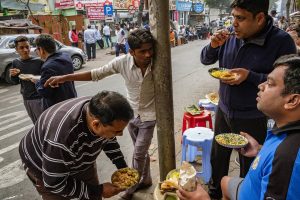
Evolution from necessity to culinary art
What started as survival cooking has transformed into something extraordinary. Street food began as humble sustenance for laborers and the poor – affordable, portable meals for people who couldn’t afford proper kitchens or restaurants.
Now? These same street foods get recreated in high-end restaurants across the world. Michelin stars have been awarded to street food vendors in Singapore and Thailand. What was once dismissed as “poor people’s food” is now celebrated globally.
Chefs trained in elite culinary schools now abandon fancy kitchens to perfect a single street dish. Some vendors have been making the same recipe for 50+ years, achieving a level of mastery that’s impossible to fake.
The transformation is remarkable – from feeding the hungry to feeding the curious, from necessity to artistry. Yet the best street food still maintains that essential quality: unpretentious deliciousness that connects people across all walks of life.

Regional Street Food Powerhouses
A. Thailand’s vibrant food cart scene
Ever been to Bangkok? The food carts there aren’t just vendors – they’re institutions. Thai street food blends sweet, sour, spicy, and savory in ways that’ll make your taste buds dance.
These carts somehow pack entire kitchens into spaces smaller than your bathroom. The pad thai sizzling in woks, papaya salad pounded fresh in mortars, and those banana pancakes that seem to call your name after midnight.
What makes Thai street food special isn’t just the food – it’s the experience. The plastic stools, the vendors who recognize you after just two visits, and that magical ability to whip up incredible meals with nothing but a portable stove and decades of expertise.

B. Japan’s meticulous yatai craftsmanship
Japanese yatai (food stalls) take street food to an art form. These aren’t rushed meals – they’re performances.
Watch a ramen master at a yatai and you’ll see precision that would make a surgeon jealous. Each noodle, precisely cooked. Each slice of chashu, carefully placed. The broth? That’s been simmering since before you woke up.
Osaka’s takoyaki vendors flip those octopus balls with the timing of professional drummers. Yakitori stalls grill each skewer over special charcoal that’s practically considered sacred.
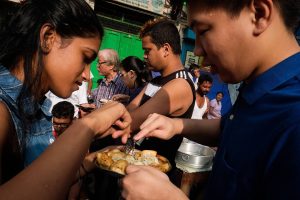
The beauty of Japanese street food is this obsessive attention to detail in the most humble settings. A tiny cart on a backstreet might serve food that would make a Michelin-starred chef weep.
C. India’s diverse chaat specialties
India doesn’t have a street food scene – it has hundreds of them.
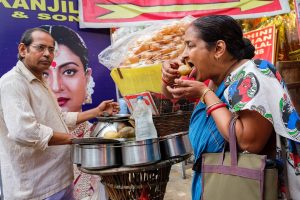
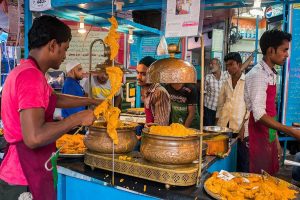
Chaat is where the magic happens. These savory snacks hit every flavor note possible in a single bite. Mumbai’s pav bhaji vendors smash vegetables into submission before serving them with butter-soaked bread. Delhi’s golgappas (puri shells) get filled with spiced water that’s somehow refreshing and explosive at the same time.
The diversity is mind-boggling. Cross a state line and suddenly the same dish has a different name, different spices, and locals who’ll argue passionately that their version is the only authentic one.
Indian street food isn’t just about eating – it’s about community. Those crowded stalls where everyone stands shoulder to shoulder, from businessmen to rickshaw drivers, all united by their love for that perfect plate of chaat.
D. Taiwan’s innovative night market offerings
Taiwan’s night markets aren’t playing around. They’ve taken street food and turned the innovation dial to maximum.
Taipei’s Shilin Night Market alone has over 500 food stalls. The famous stinky tofu announces itself blocks away. Bubble tea, Taiwan’s gift to the world, gets reinvented nightly with new flavors and textures.
What’s fascinating about Taiwanese street food is how it keeps evolving. Traditional dishes get modern twists. That scallion pancake might now come wrapped around a hot dog. That shaved ice dessert probably has flavors your grandparents never imagined.
Yet somehow, it all feels authentically Taiwanese. The night markets buzz with energy, steam rises from countless stalls, and locals will debate the best oyster omelet vendor with the passion normally reserved for sports teams.
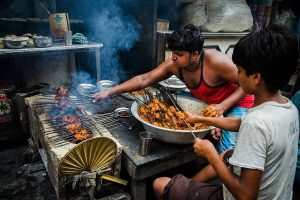
E. Vietnam’s balanced breakfast pho culture
Vietnam figured out something special – street food doesn’t have to be a late-night indulgence. It can be breakfast.
Pho isn’t just soup – it’s Vietnam’s morning ritual. By 6am, sidewalks fill with tiny plastic chairs and people hunched over steaming bowls. The broth has been simmering all night, the noodles are fresh, and the herbs piled high.
What makes Vietnamese street food unique is its balance. Fresh herbs counter rich meats. Lime juice cuts through saltiness. Nothing feels heavy or greasy – it’s street food that somehow feels nourishing.
Watch locals add condiments to their pho with the precision of chemists. A squeeze of lime here, a dash of chili there – each person customizing their bowl to personal perfection.
The Social Experience of Street Dining
Community gathering aspects
Ever seen a group of strangers become instant friends over a bowl of noodles? That’s street food magic for you.
In Asia, street food stalls aren’t just places to grab a quick bite—they’re social hubs where life happens. Plastic stools and wobbly tables become meeting grounds where locals and tourists rub elbows, sharing not just physical space but stories and laughter.
Take Bangkok’s Chinatown. Those crowded tables? They’re actually community builders. You might start your meal alone, but you’ll likely end up chatting with the family next to you about which vendor makes the best mango sticky rice.
And that’s the beauty of it. Street food tears down the walls we normally put up. When you’re all sweating together, passing condiments back and forth, and experiencing the same explosion of flavors, social barriers just… disappear.
Watching master chefs at work
Nothing beats the dinner-and-a-show experience of Asian street food stalls.
I once stood for 45 minutes watching a Hong Kong dim sum master fold har gow dumplings, his fingers moving so fast they practically blurred. Each dumpling? Identical to the last. That’s not cooking; that’s art.
What makes this special is the transparency. No hidden kitchen, no secrets—just raw skill on display. You see exactly how your food transforms from ingredients to meal, creating a connection you never get at fancy restaurants.
Intergenerational knowledge transfer
Those perfect dumplings? That flawless wok technique? They weren’t learned from YouTube.
Asian street food culture is fundamentally a family affair. Recipes and techniques pass down through generations, with kids literally growing up in these stalls, absorbing knowledge through osmosis before they can even reach the counter.
In Taiwan’s night markets, you’ll find stalls proudly displaying “serving since 1952” signs—often with three generations working side by side. Grandma might be making the dough while her daughter handles the filling and her grandson takes orders.
This living heritage is what gives street food its soul. When a 70-year-old vendor in Singapore shows his grandson exactly how much pressure to apply when forming laksa noodles, he’s not just teaching cooking—he’s transferring cultural identity, family pride, and centuries of wisdom.
And the best part? We get to witness this beautiful exchange while enjoying its delicious results.
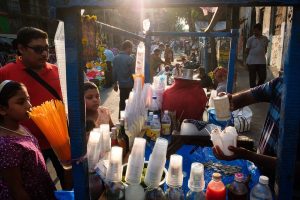
Must-Try Street Food Delicacies
Iconic dishes that define each country
Ever tried balut in the Philippines? It’s a fertilized duck egg boiled alive. Sounds wild, but locals swear by it. One bite and you’re part of the club.
In Thailand, Pad Thai rules the streets. But the real magic? It’s in watching vendors flip those noodles with lightning speed while chatting with regulars.
Nothing beats Taiwan’s stinky tofu. The smell hits you from blocks away, but the taste? Surprisingly addictive. Trust me, hold your nose and take that first bite.
Vietnam’s pho isn’t just soup – it’s morning ritual, hangover cure, and national treasure rolled into one steaming bowl.
Hidden gems beyond tourist favorites
Skip the banana pancakes and hunt down Myanmar’s mohinga – fish soup with rice noodles that locals crush before sunrise.
In Indonesia, forget satay and find gudeg – young jackfruit stewed for hours in coconut milk and palm sugar. Locals in Yogyakarta eat it for breakfast, lunch, AND dinner.
Hong Kong’s put chai ko isn’t Instagram-famous, but these little bowl puddings have been keeping locals happy for generations.
Sweet treats and dessert specialties
Indian jalebi makers are literal street artists. They pipe swirls of batter directly into hot oil, then soak them in saffron syrup. Crunchy outside, syrupy inside. Pure genius.
Malaysia’s cendol looks strange – green worm-like noodles swimming in coconut milk with red beans. But on a scorching day? Absolute heaven.
Beverage traditions that complement street food
Korean streets come alive with makgeolli tents after dark. This milky rice wine gets poured from kettles into metal bowls while ajummas serve pancakes on the side.
Thai cha yen (iced tea) isn’t just sweet – it’s SWEET. Orange as a sunset and cold as ice, it somehow perfectly balances those chili-laden street dishes.
In Japan, vending machines outnumber humans in some neighborhoods, but nothing beats watching a master pour matcha at a street festival.
Navigating Street Food Safety
How to spot hygienic vendors
Trust me, we’ve all been there – drooling over those sizzling street eats while that little voice whispers, “But what if I get sick?”
Look for the busy stalls. Locals know what’s good and what’s safe. If there’s a line of office workers or families waiting, that’s your green light.
Watch how vendors handle food and money. The good ones have separate hands for each or use gloves. They’re constantly cleaning surfaces and utensils too.
Fresh ingredients sitting in plain view? That’s a good sign. Sketchy vendors hide their ingredients – never a good look.
Hot food should be steaming hot, not lukewarm. That heat kills most bacteria that could mess with your stomach.
Tips for sensitive stomachs
Eating street food with a delicate stomach isn’t mission impossible. Just needs some strategy.
Start small. Don’t dive into that spicy noodle soup on day one. Begin with simpler, well-cooked foods like grilled meats or deep-fried goodies.
Carry some digestive aids. Activated charcoal tablets or probiotics can be your best friends.
Morning vendors often have the freshest ingredients. The longer food sits out during the day, the riskier it becomes.
Stick to bottled water or drinks you see being made from boiled water (like tea).
Understanding local cooking methods
Asian street cooking techniques aren’t just delicious – they’re clever food safety systems that evolved over centuries.
High-heat wok cooking doesn’t just create that amazing flavor – it kills potential pathogens in seconds. That’s why so many Asian street foods are flash-fried.
Fermentation isn’t just trendy – it’s a preservation technique that makes food safer while packing in flavor and probiotics. Those kimchi and pickled veggies? Nature’s preservatives at work.
Acidic marinades (like those in Thai grilled meats) don’t just tenderize and flavor – they actually create environments where harmful bacteria struggle to survive.
Many broths and soups simmer continuously throughout the day, staying at temperatures that prevent bacterial growth. That pot that’s been bubbling for hours? Probably safer than you think.
The Future of Asian Street Food
A. Impact of urbanization and modernization
Asian street food faces a turning point. Cities are expanding, rents are skyrocketing, and many vendors can’t keep up. In Bangkok, where food carts once lined every street, government “clean-up” campaigns have pushed vendors from their traditional spots.
The same story plays out across Asia. Singapore’s hawkers now operate mainly in regulated centers rather than roadsides. It’s safer and cleaner, sure, but something of the original character is lost.
But it’s not all doom and gloom. Tech has stepped in – food delivery apps now bring street classics straight to homes. During COVID, this kept many vendors afloat when tourists disappeared.
B. Street food’s rising global influence
Walk through New York, London, or Berlin and you’ll spot it – Asian street food has gone worldwide. Korean corn dogs, Vietnamese banh mi, and Taiwanese bubble tea shops pop up everywhere.
Social media deserves some credit here. One viral TikTok of cheese-pulling roti in Bangkok can send tourists flocking to specific stalls. Food bloggers with millions of followers create instant celebrity vendors.
The appeal? It’s not just flavor – it’s authenticity. Western diners crave real experiences, not watered-down versions of Asian cuisine.
C. How chefs are elevating street classics
Fine dining chefs can’t resist street food’s allure. In Hong Kong, restaurants serve $50 versions of dai pai dong classics. In Singapore, Michelin-starred establishments offer refined takes on chicken rice.
The twist? Many chef-owners actually grew up eating these street foods. They’re not appropriating – they’re celebrating their heritage while adding technical skill.
Take Bangkok’s Gaggan Anand, who transformed humble chaat into molecular gastronomy marvels, or Taiwan’s André Chiang, whose restaurants elevate night market staples.
D. Preservation efforts for endangered food traditions
Some street foods face extinction. As elderly vendors retire, complex recipes and techniques vanish.
Grassroots efforts are fighting back. In Malaysia, cultural organizations document traditional Nyonya street foods. In Japan, government programs subsidize young apprentices learning from aging street food masters.
Digital preservation matters too. YouTube channels dedicated to vanishing street foods have millions of subscribers, while cookbooks capture recipes that might otherwise be lost.
The real heroes? Regular people who choose local vendors over chains, keeping traditions alive one meal at a time.
Asian street food stands as a vibrant testament to the region’s culinary diversity and cultural richness. From the bustling night markets of Taiwan to the chaotic street corners of Bangkok, each country offers unique flavors that tell stories of tradition, innovation, and community. Whether it’s savoring Malaysian satay, Vietnamese bánh mì, or Indian chaat, these affordable delicacies provide an authentic taste of local life that fancy restaurants simply cannot replicate.
As street food continues to evolve in the face of modernization and tourism, its essence remains rooted in bringing people together. Next time you travel across Asia, venture beyond your comfort zone—follow the locals, embrace the bustling atmosphere, and discover the heart of Asian cuisine one street stall at a time. Your taste buds—and your understanding of these vibrant cultures—will thank you for the adventure.
