
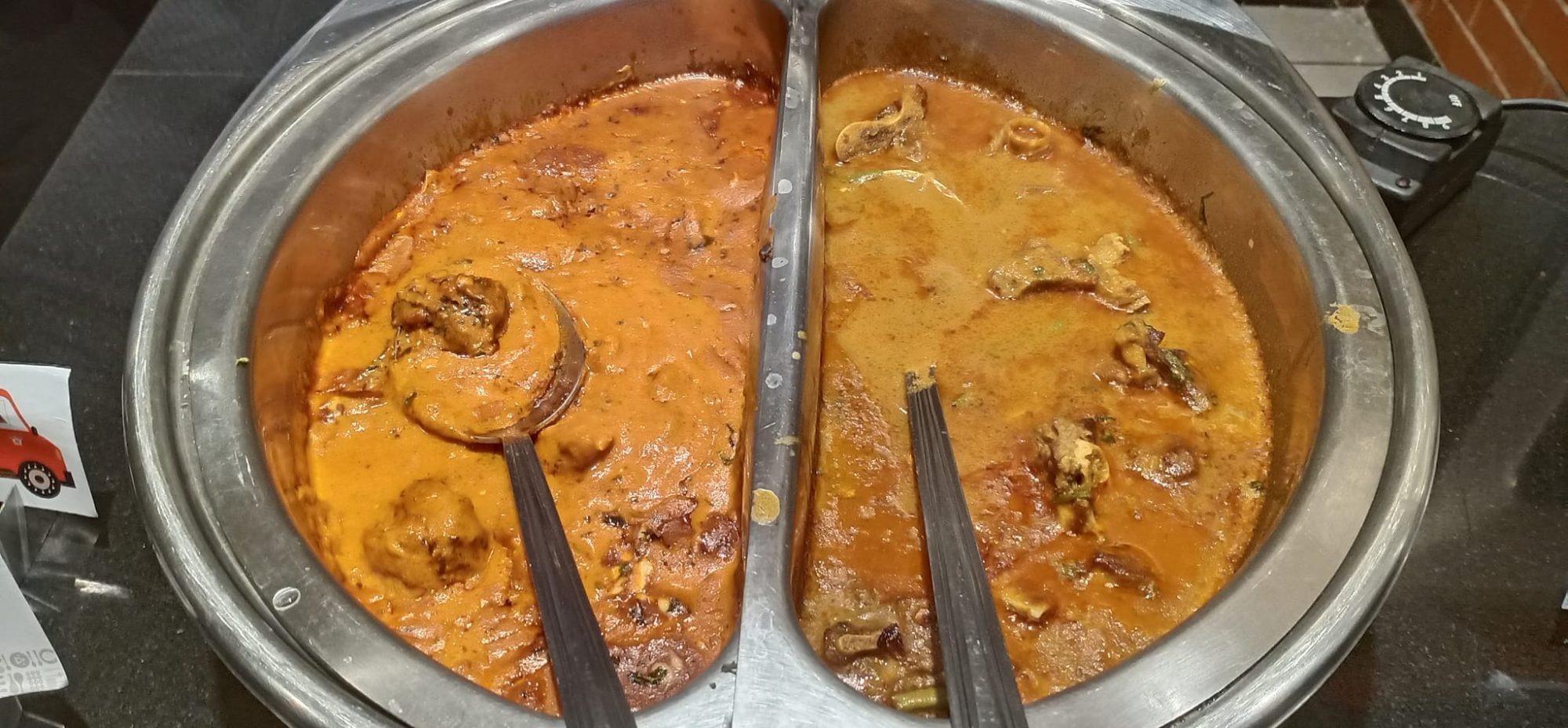
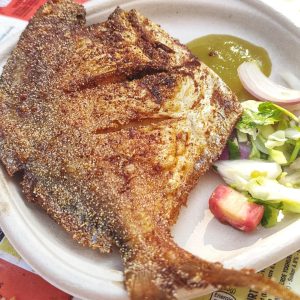
Ever stood in a bustling Indian festival, nose twitching at the mingling aromas of sizzling jalebi, spicy vada pav, and smoky kebabs? That sensory overload is no accident – it’s the heartbeat of India’s festival culture.
Street food at Indian festivals isn’t just sustenance; it’s a time-traveling device taking you through centuries of culinary evolution. Each region flaunts its own festival food treasures, from Delhi’s chaat paradise to Kolkata’s phuchka wonderland.
I’ve spent years tracking down the most mind-blowing street food in festivals in India, and I’m about to save you the stomach space by revealing which dishes actually deserve your attention.
But here’s what most tourists never discover – behind each festival snack lies a story so rich, it’ll transform how you experience your next bite.
The Vibrant World of Indian Festival Food
How Street Food Shapes Festival Culture
Indian festivals without their iconic foods would be like movies without music. Incomplete. The relationship is deeply symbiotic – the festive energy elevates simple street foods to sacred experiences, while these culinary traditions make each celebration distinctly memorable.
Food stalls at Diwali, with their mountains of fresh jalebis and samosas, aren’t just feeding people – they’re preserving centuries of tradition with every bite. Each recipe tells a story of regional identity, family heritage, and cultural significance that festivals help keep alive.
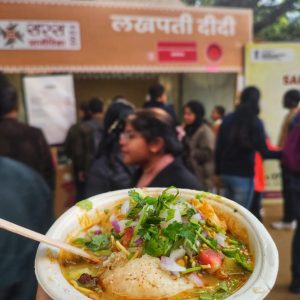
Regional Festivals and Their Signature Dishes
North to south, east to west – each Indian region fiercely guards its festival food specialties:
During Durga Puja in Bengal, you haven’t really celebrated until you’ve had phuchka (pani puri) and ghugni chaat from makeshift stalls lining the pandal routes.
Visit Gujarat during Navratri, and those steaming fafda-jalebi breakfasts become ritual fuel for nine nights of dancing.
In Punjab, Baisakhi celebrations center around massive community langars serving fresh makki di roti and sarson da saag that somehow taste better when eaten alongside strangers.
Kerala’s Onam sadya isn’t street food per se, but the banana leaf feast has sparked numerous festival food stalls offering simplified versions of its 26+ dishes.
The Communal Experience of Festival Food Stalls
The magic of festival food in India goes beyond taste – it’s about the shared experience.
Food stalls become unofficial town squares during festivals. They’re where families reconnect, neighbors catch up, and visitors get insider tips on which performances to see. The person frying your jalebis might also share the festival’s origin story.
There’s something uniquely democratic about these spaces. Everyone—regardless of background, religion or social status—stands in the same line for that perfect golgappa. Corporate executives happily eat elbow-to-elbow with auto drivers. Festival food creates temporary communities united by one simple pleasure: the perfect bite.
And let’s talk about those vendors! Many festival food stalls represent family businesses that only appear for specific celebrations, their recipes closely guarded secrets passed through generations. Their presence is as essential to the festival as any ritual or prayer.
North India’s Festival Food Extravaganza
Delhi’s Dussehra and Ramleela Food Traditions
You haven’t truly experienced Dussehra until you’ve wandered through the food stalls surrounding a Ramleela ground in Delhi. The air thick with the aroma of ghee-soaked jalebis and smoky tikkas.
The food scene at these celebrations is nothing short of spectacular. Families gather around makeshift stalls, children with sticky fingers from cotton candy, adults debating whether to go for golgappas or aloo tikki next.
What makes Delhi’s Dussehra food special? It’s the perfect mix of tradition and indulgence. Think crispy kachoris served with spicy aloo sabzi, or the piping hot samosas that vendors can barely keep stocked.
Night-time is when things really come alive. As Ravana’s effigy burns, the chaatwallas do their briskest business, serving up plates of dahi bhalla and papri chaat garnished with tangy tamarind chutney.
Don’t miss the sweet treats either – from fresh malpuas to warm gulab jamuns, these desserts are as much a part of the celebration as the performances themselves.
Pushkar Fair’s Desert Delicacies
The Pushkar Camel Fair isn’t just about livestock trading – it’s a food lover’s paradise hidden in the Rajasthan desert.
Walking through the fair, you’ll spot turbaned vendors flipping malpuas in giant kadais, the sweet aroma drawing crowds from all directions. These fermented pancakes soaked in sugar syrup are irresistible after a day of desert dust.
The real star here? Definitely the dal baati churma. Watching locals crack open fire-roasted baatis, pour ghee over them, and mix with spiced dal is practically a cultural performance. Tourists gather around, cameras ready, but locals just dive right in.
Milk and dairy shine in Pushkar’s festival foods. Fresh lassi served in clay kulhads, topped with a dollop of malai and a sprinkle of nuts. Then there’s the mawa kachori – a sweet twist on the savory classic that’ll make you question everything you thought you knew about kachoris.
Street vendors also dish up incredible rabri and ghevar during the fair, making this camel festival secretly one of India’s sweetest food destinations.
Holi’s Colorful Culinary Treats
Holi without thandai? That’s like celebrating without colors – completely pointless! This cooling milk drink laced with almonds, fennel, and sometimes a touch of bhang is the unofficial drink of this festival.
What makes Holi foods special is how they balance the festival’s excesses. After hours of playing with colors and water, nothing satisfies like a plate of crispy, stuffed gujiya. These sweet dumplings filled with khoya, nuts, and dried fruits are fried to golden perfection and sometimes dipped in sugar syrup.
North India goes crazy for papri chaat during Holi. Vendors set up stalls with mountains of papri, serving them topped with yogurt, chutneys, and a sprinkle of chaat masala. The tangy-sweet-spicy combination is the perfect complement to the day’s festivities.
Don’t overlook the savory options either. Kachoris and samosas appear everywhere, alongside regional specialties like dahi vada and kanji vada. Many families prepare special dishes like puran poli or malpua at home, sharing them with neighbors as part of the celebration.
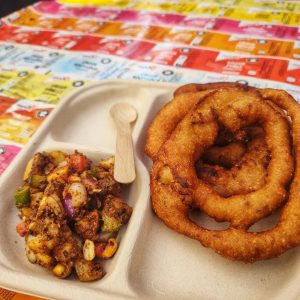
Street Food During Diwali Celebrations
Diwali isn’t just about lights and fireworks – it’s a full-on street food carnival across North India.
Markets transform into food havens weeks before the festival. Old Delhi’s streets become impossibly crowded as people jostle for freshly made samosas and jalebis. The trick is finding that perfect samosa – crisp outer shell, spiced potato filling, and just the right amount of chaat masala sprinkled on top.
Sweet shops work overtime during Diwali. Boxes of kaju katli and besan laddoos sell faster than they can make them. But beyond the usual suspects, look for regional specialties like sohan papdi from Agra or mathura peda.
Evening markets take on a magical quality during Diwali. Fairy lights illuminate food stalls selling everything from pani puri to chole bhature. The atmosphere is electric – literally and figuratively.
Street foods that normally feature on everyday menus get festive makeovers. Gold-dusted jalebi, silver-topped barfi, and kesar-infused milk drinks appear everywhere. Even chaat gets a holiday upgrade with special seasonal ingredients and presentation.
The beauty of Diwali food is how it brings people together – strangers sharing tables at crowded stalls, exchanging recommendations about which vendor makes the best rabri.
South Indian Festival Food Treasures
Pongal Harvest Festival Specialties
The streets of Tamil Nadu burst with aromatic delights during Pongal. Ever tasted Sakkarai Pongal from a roadside vendor? It’s sweet rice cooked with jaggery and milk that’ll make you forget every dessert you’ve ever had.
Street carts dish out piping hot Venn Pongal – a savory mix of rice and lentils loaded with pepper, cumin, and ghee. One bite and you’re hooked.
Don’t miss the crispy Murukku towers stacked high at festival stalls. These spiral-shaped rice flour snacks are the perfect crunchy companion as you wander through celebrations.
Onam Sadhya Influence on Street Food
During Onam, Kerala’s street food scene transforms completely. Traditional Sadhya elements escape the banana leaf and show up in portable, street-friendly versions.
Vendors sell mini-Sadhya thalis that pack all the flavors without the formality. Imagine getting that perfect mix of sambar, avial, and pachadi in one convenient package!
The star? Banana chips fried in coconut oil right before your eyes. Crispy, golden, and completely addictive.
Pazham Pori (banana fritters) vendors do serious business during Onam. Fresh plantains dipped in spiced batter and deep-fried to golden perfection – street food doesn’t get better than this.
Mysore Dasara Food Walk Highlights
Mysore Dasara brings out some serious food magic. The famous Mysore Pak vendors line the streets with their ghee-soaked, melt-in-your-mouth squares that disappear faster than you can say “one more piece, please.”
The Masala Dose scene gets kicked up a notch during the festival. Crispy on the outside, soft inside, with that spicy potato filling that’s worth standing in line for 30 minutes.
Churmuri carts become neighborhood hotspots. This puffed rice mixture with chopped onions, tomatoes, chilis, and a squeeze of lime is the perfect walking snack while you take in the decorated palace.
Neer Dose paired with spicy Mangalore-style chicken curry becomes the crowd favorite for more substantial hunger pangs.
Eastern India’s Street Food Festivals
Durga Puja Food Trails in Kolkata
The streets of Kolkata transform into a foodie’s paradise during Durga Puja. Walk through any pandal-lined street and you’ll be hit with aromas that’ll make your stomach growl instantly.
Nothing beats the legendary phuchka here – crispy hollow balls filled with spicy tamarind water that explode in your mouth. But that’s just the beginning. The egg rolls? Game changers. Picture this: paratha wrapped around spicy egg and vegetable filling, the perfect on-the-go festival snack.
Mughlai paratha stands draw massive crowds, serving up stuffed bread with minced meat that locals swear by. And don’t even think about missing the ghugni – yellow peas curry topped with chopped onions, chili, and a squeeze of lime.
Sweet tooths, rejoice! The mishti stalls showcase Bengal’s dessert prowess with fresh rosogollas, sandesh, and the seasonal nolen gurer payesh (date palm jaggery pudding).
Bihu Celebration Delicacies in Assam
Bihu festivals in Assam are incomplete without their distinctive food traditions. The star of the show? Pitha – rice cakes in countless varieties. The tekeli pitha, steamed in traditional clay pots, and narikol pitha with sweet coconut fillings disappear from stalls almost as fast as they’re made.
Fish features prominently too. Masor tenga, a tangy fish curry, gets a festival upgrade with special seasonal ingredients. Street vendors dish out koldil diya masor jul (banana flower fish curry) that locals queue up for.
Don’t miss the duck meat preparations – a Bihu specialty rarely found during other times of the year. The xaak aru bhaji (assorted leafy vegetable fries) provide a perfect counterpoint to the rich meat dishes.
Chhath Puja Prasad and Street Snacks
Chhath Puja celebrations across Bihar and eastern UP bring unique prasad offerings that double as street food during the festival. The thekua – a crunchy sweet made from wheat flour, jaggery and fennel seeds – stands out as the most iconic offering.
Street vendors line up with kaddu-bhaat (pumpkin with rice), kheer made with freshly harvested rice, and the crispy lai (puffed rice) preparations. These foods aren’t just delicious – they’re steeped in tradition.
The streets come alive with seasonal specialties like nimki (fried savory crackers) and dhuska (deep-fried rice pancakes) served with spicy chutney. What makes these snacks special is their preparation using earthen pots and traditional methods preserved for generations.
Tribal Food Festivals of Northeast India
The northeastern states host some of India’s most unique food festivals. Hornbill Festival in Nagaland? A food revelation. Each tribal community showcases their distinctive cuisine – from smoked pork with bamboo shoot to the fiery king chili preparations that’ll test your spice tolerance.
In Meghalaya, the Wangala festival brings tungrymbai (fermented soybean) and jadoh (rice cooked with pork blood and meat) to communal feasts that spill onto the streets.
Arunachal’s Nyokum festival introduces visitors to apong (rice beer) served in bamboo mugs alongside pika pila (rice wrapped in leaves) and smoked meat variations you won’t find anywhere else.
What’s fascinating is how these festivals maintain ancient preservation techniques – fermentation, smoking, and drying – that were developed centuries ago but still produce flavors that blow modern cooking out of the water.
Rath Yatra’s Traditional Offerings
Puri’s Rath Yatra transforms the coastal town into a street food heaven centered around the Jagannath Temple’s mahaprasad. The spread is mind-boggling – 56 items (chhappan bhog) that make their way from temple kitchens to street stalls.
The podapitha – rice cakes baked in clay pots – sell out within hours. Street vendors crafting fresh khaja (layered pastry fried and soaked in sugar syrup) attract crowds watching their hypnotic preparation technique.
Seafood gets a festival twist with coastal specialties like machha jhola (fish curry) and chungdi malai (prawn curry) served with pakhala (fermented rice).
Don’t leave without trying the famous Jagannath Temple khechudi, available during the festival from streetside stalls – a simple dish elevated to legendary status through traditional wood-fire cooking methods and earthen pots that locals swear change the flavor entirely.
Western India’s Festival Food Culture
A. Ganesh Chaturthi Street Food in Maharashtra
Ever tried Maharashtra’s festival food scene during Ganesh Chaturthi? It’s insane.
The streets literally transform into food heaven with vendors selling modaks everywhere – those sweet, steamed dumplings filled with coconut and jaggery that Lord Ganesha supposedly loves. Not just the traditional ones, mind you. These days you’ll spot chocolate modaks, mango modaks, and even ice cream modaks!
But modaks are just the beginning. The ukadiche modak (steamed version) might be the star, but don’t miss the puran poli – that sweet flatbread stuffed with chana dal and jaggery that melts in your mouth.
Street vendors also whip up crispy batata vadas, spicy misal pav, and savory vada pav that’ll make your taste buds dance. The air smells of ghee, sugar, and spices.
B. Navratri Food Stalls in Gujarat
Gujarat during Navratri? Total food paradise.
While everyone’s busy dancing garba, the food stalls around these venues work overtime. The crazy part? It’s all vegetarian but nobody misses meat for a second.
Fafda-jalebi combo is breakfast gold here. Crispy fafda with sweet, syrupy jalebi – the contrast just works.
The star of Navratri food has to be the special thali. These massive platters come loaded with sweet dal, various sabzis, fluffy rotis, and killer sweets like mohanthal.
Don’t walk past the street carts without grabbing some dabeli – those spicy potato burgers with pomegranate seeds and peanuts. And the handvo (savory cake) will change your life.
C. Goa Carnival’s Fusion Food Experiences
Goa Carnival breaks all the rules in the best way possible.
This is where Portuguese meets Indian in a food explosion that makes no sense but tastes amazing. Street vendors line the carnival route serving beef croquettes next to spicy vindaloo.
Bebinca, that multi-layered cake made with coconut milk and eggs, gets snatched up fast. You’ll see tourists and locals alike standing in line for it.
The fusion food is what gets me. Prawn balchão tacos, chorizo pav, and seafood xacuti served in bread bowls. It’s like someone took traditional Goan cuisine and gave it a party makeover.
Don’t forget to wash it all down with some feni-based cocktails from the makeshift bars. Just pace yourself – carnival runs for days!
Modern Evolution of Festival Street Food
A. Fusion Dishes Reshaping Traditional Festival Food
Gone are the days when festival street food stuck strictly to traditional recipes. Modern Indian festivals are a playground for creative chefs mixing global flavors with desi classics.
Have you tried Tandoori Momos yet? Or perhaps Butter Chicken Tacos? These aren’t random experiments—they’re the new face of festival food that crowds go crazy for.
Festival vendors now compete to create the most Instagram-worthy fusion dishes. Some winners include:
- Chaat Pizzas topped with tamarind sauce and sev
- Thandai Cheesecakes during Holi celebrations
- Masala Fries with chutney dips at Diwali melas
- Paneer Tikka Quesadillas at urban food festivals
The magic happens when cooks honor traditional ingredients while creating something totally new. That’s not food confusion—that’s food evolution.
B. Food Bloggers and Social Media Impact
Food bloggers have completely transformed how festival foods gain popularity. One viral reel of jalebi being fried can send thousands rushing to a specific stall.
Social media hasn’t just promoted existing foods—it’s created demand for photogenic dishes. Vendors now design their offerings with “shareability” in mind.
The digital food revolution brings other changes too:
- Food maps and guides for navigating large festival grounds
- Real-time updates about must-try dishes
- Discount codes promoted through influencer partnerships
- Behind-the-scenes glimpses of food preparation
Festivals that once relied on word-of-mouth now build entire marketing strategies around digital content creators. Many food vendors have become mini-celebrities themselves, with followers tracking their festival appearances like fans following a band tour.
C. Organized Food Festivals Inspired by Religious Events
Traditional religious festivals have inspired a whole new category of events focused primarily on food. These specialized gatherings celebrate the culinary traditions while creating modern food experiences.
Delhi’s Ramadan Food Walks transform the religious practice of iftar into cultural tourism. Mumbai’s Ganesh Festival now spawns separate food festivals highlighting modaks and other Maharashtrian specialties.
What makes these new food festivals different:
- Professional organization with ticketed entry
- Celebrity chef demonstrations of traditional recipes
- Cooking competitions based on festival themes
- Dedicated kids’ zones with food-related activities
These organized events preserve culinary traditions that might otherwise fade away. They’ve turned seasonal specialties into year-round attractions and created platforms where regional dishes gain national attention.
D. Health-Conscious Alternatives at Modern Celebrations
Festival food traditionally meant indulgence—deep fried, sugar-loaded, and gloriously rich. Today’s health-conscious generation wants celebration without the food guilt.
Smart vendors have adapted with creative alternatives:
- Baked instead of fried samosas and kachoris
- Stevia-sweetened festival sweets for diabetics
- Multigrain bases for traditional snacks
- Plant-based versions of classic festival foods
The trend extends beyond ingredients to preparation methods. Live counters show transparent cooking processes. Many stalls now proudly display calorie counts and ingredient lists.
Even portion sizes have evolved, with “tasting platters” replacing heaping plates. This allows festival-goers to sample more varieties without overindulging.
The best part? These healthier options often honor the original flavors while making small adjustments. It’s not about eliminating tradition—it’s about making it sustainable for modern lifestyles and dietary needs.
The Vibrant World of Indian Festival Street Food
As India embraces modernity, festival street food continues to evolve with fusion creations and contemporary presentations while maintaining its authentic roots. Whether you’re a culinary explorer or a food enthusiast, experiencing street food during Indian festivals offers an unparalleled gateway into the heart of the country’s traditions. Next time you find yourself in India during a festival, follow the aromas through bustling streets and immerse yourself in this delicious aspect of Indian culture.
