
Ever found yourself with an upset stomach on day three of your dream trip to India? Yeah, I’ve been there too. What was supposed to be an adventure through the vibrant streets of Delhi turned into an intimate relationship with my hotel bathroom.
But here’s the truth: Indian street food isn’t something you should skip. It’s the beating heart of India’s culinary identity, where the real flavors live.
I’ve spent years navigating street food for tourists in India, learning which chaat stands are worth the risk and which lassi shops will change your life forever.
What’s the secret to enjoying all those incredible flavors without the infamous “Delhi belly” aftermath? It starts with knowing exactly which street foods are safest – and I bet the next one will surprise you.
Must-Try Regional Street Foods Across India
A. North Indian Delights: Chaat, Kebabs, and More
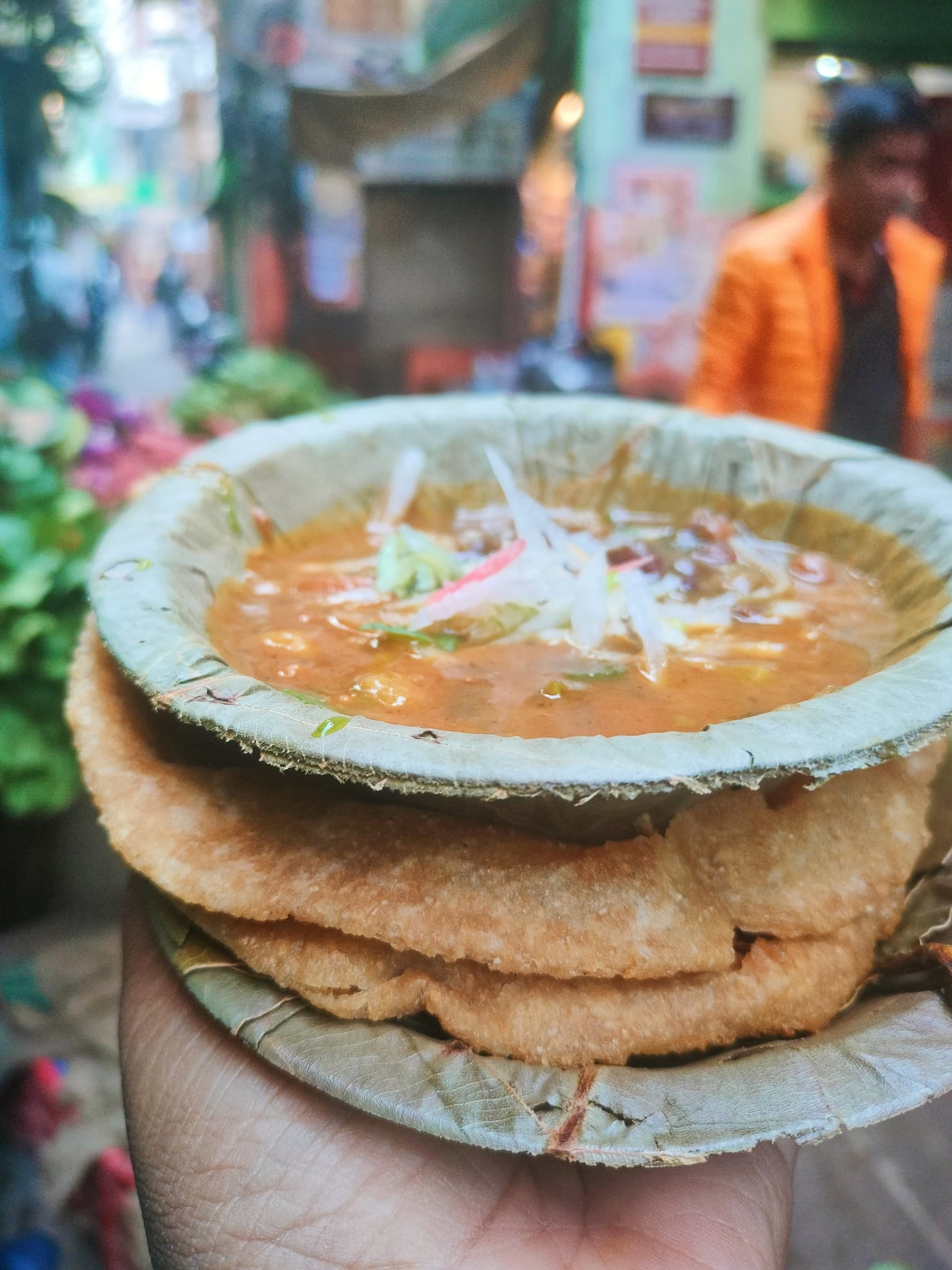
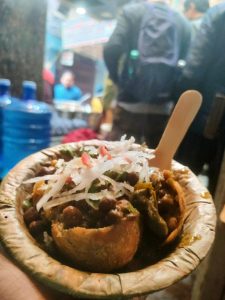
Ever tasted pani puri and felt that burst of tangy water hit your taste buds? That’s just the start of North India’s street food adventure. Delhi’s streets are practically paved with chaat stalls where vendors mix crunchy papdi, potatoes, chickpeas and yogurt with a rainbow of chutneys.
For meat lovers, the kebabs of Lucknow will spoil you forever. Galouti kebabs are so tender they literally melt in your mouth – created originally for a toothless nawab who still craved meat! The skewered seekh kebabs sizzling over coal at Old Delhi’s Karim’s aren’t just food, they’re a 100-year tradition.
B. South Indian Quick Eats: Dosas, Idlis, and Vadas
South Indian street food hits different. Paper-thin dosas – those crispy fermented rice crepes – span nearly two feet long at some stalls! Watch the vendor spread the batter in perfect circles on massive cast-iron pans with hypnotic precision.
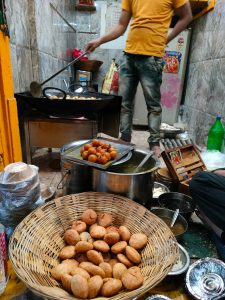
Then there’s vada – savory donuts that crunch when you bite them before revealing a fluffy, spiced interior. The best ones come from roadside stalls in Chennai where they’re served straight from the fryer to your plate.
Hyderabad brings the mirchi bajji game – whole green chilies, deseeded, battered and fried till they’re mild enough for even spice newbies to handle.
C. Eastern Specialties: Momos, Litti Chokha, and Bengali Sweets
The east side of India throws a completely different street food party. Darjeeling and Sikkim’s momos have spread nationwide, but nothing beats eating these dumplings in their homeland. Stuffed with veggies or meat, steamed or fried, then dunked in fiery red chutney – they’re worth the trip alone.
Bihar’s litti chokha doesn’t get the fame it deserves. These baked wheat balls stuffed with roasted gram flour and spices, served with mashed eggplant or potatoes, deliver flavor bombs that’ll make your head spin.
In Kolkata, street food turns sweet. Watching a vendor hand-pull sandesh or form perfect rasgullas is street theater that ends with you eating the props. The mishti doi (sweet yogurt) comes in small clay pots that somehow make it taste even better.
And don’t even think about skipping puchkas (the Bengali cousin of pani puri) – they’re crunchier and more intensely flavored than their northern relatives.
D. Western Flavors: Vada Pav, Dabeli, and Gujarati Snacks
Mumbai without vada pav is like Paris without the Eiffel Tower. This spicy potato fritter squished inside a bun with garlic chutney powers the city’s workforce. One bite explains everything about Mumbai’s fast-paced energy.
Dabeli from Kutch is the weird genius of street food – a sweet-spicy potato filling in a bun with pomegranate, grapes, peanuts, and sev. It sounds chaotic but works like magic.
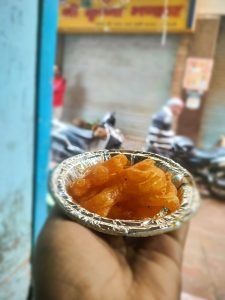
Gujarat brings fafda-jalebi – crispy gram flour strips paired with sweet spiral jalebis. It’s the sweet-savory combo that shouldn’t work but absolutely does, especially with a cup of hot chai on Ahmedabad’s famous food streets.
The western coast also dishes up pav bhaji – a buttery, spicy vegetable mash that street vendors cook on massive griddles before serving with more butter than you’d think possible on soft bread rolls.
Navigating India’s Street Food Scene Safely
A. Hygiene Tips for Foreign Tourists
Let’s cut to the chase – street food in India is incredible, but yeah, tummy troubles can spoil your trip fast.
First, always watch the vendor’s hands. Are they handling money then food without washing? Big red flag.
Carry hand sanitizer everywhere. I mean everywhere. Use it before you eat anything, especially if you’re going for finger foods like pani puri.
Hot, freshly cooked food is your safest bet. If you see something bubbling away in hot oil or steaming on a tawa (griddle), that’s killing most harmful bacteria.
Skip raw garnishes when possible. Those fresh herbs might look pretty, but unless you’re at a higher-end stall, maybe ask them to hold the uncooked toppings.
B. How to Spot Clean Food Stalls
The crowd never lies. Busy stalls with locals lining up? That’s your golden ticket. Indians know which vendors keep it clean and which don’t.
Check out the cooking area. Clean counters? Covered ingredients? Separate handling of veg and non-veg? Good signs.
The vendor’s hands and nails should be clean. If they’re wearing gloves or using tongs instead of bare hands, even better.
Look for stalls where the cook isn’t also the cashier. When one person handles only food and another deals with money, you’re probably in good hands.
C. Best Times to Eat Street Food
Early evening (around 6-8 PM) is prime time. Ingredients are fresh, oil is likely newer, and high customer turnover means nothing sits around.
Avoid eating street food during monsoon season if possible. Waterlogging and humidity create perfect conditions for food contamination.
Breakfast items like idli, dosa, and poha are typically safer choices as they’re made fresh each morning.
Skip anything that’s been sitting out for hours, especially during hot afternoons. If you can’t see it being cooked in front of you, think twice.
D. Common Ingredients and Allergen Information
Indian street food relies heavily on wheat, dairy, and nuts – particularly cashews and almonds in many sweets.
Ghee (clarified butter) is everywhere – in sweets, fried snacks, and even brushed on bread. If you’re lactose intolerant, be extra cautious.
Peanuts show up frequently as garnishes or in chutneys. Always ask before ordering if you have allergies.
Most vendors won’t understand “gluten-free” but asking for items without “maida” (refined flour) or “atta” (wheat flour) can help.
Many street foods contain asafoetida (hing), which often contains wheat as a binding agent – something celiacs should note.
E. Water and Beverage Safety
The golden rule: no tap water. Ever. This includes ice cubes, which are often made from tap water.
Bottled water is your friend, but check the seal is intact before purchasing.
Fresh lime soda (with bottled water) is a safe, refreshing option available at most stalls.
Coconut water served directly from the coconut is generally safe and super hydrating in India’s heat.
For chai lovers, the boiling process makes it relatively safe, but make sure it’s served piping hot, not lukewarm.
Famous Street Food Hubs Every Tourist Should Visit
Delhi’s Chandni Chowk and Paranthe Wali Gali
You haven’t truly experienced Indian street food until you’ve braved the narrow lanes of Delhi’s Chandni Chowk. This 400-year-old market is the beating heart of Delhi’s food scene.
The iconic Paranthe Wali Gali lives up to its name with tiny shops serving crispy, stuffed paranthas loaded with fillings like spicy potatoes, paneer, and even surprising options like rabri (sweet condensed milk). These aren’t your average paranthas – they’re shallow-fried in ghee until golden and served with tangy pickles and chutney.
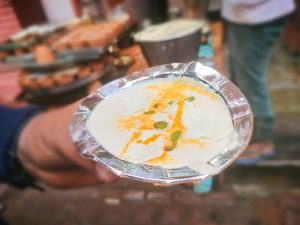
While in Chandni Chowk, don’t miss Natraj’s Dahi Bhalle – soft lentil dumplings swimming in yogurt and spices – or the legendary Jalebi Wala, frying up crispy, syrup-soaked jalebis since 1884.
Mumbai’s Chowpatty and Khau Galli
Mumbai’s Chowpatty Beach transforms into a food paradise at sunset. This is where you’ll find the city’s best pav bhaji – a spicy vegetable mash served with buttered bread rolls. Vendors compete for attention, each claiming their bhel puri (puffed rice, vegetables and tamarind chutney) is the most authentic.
For a deeper dive, head to Khau Galli near CST station. This “Food Lane” packs dozens of vendors into a tiny street. Try the Bombay sandwich – a multi-layered affair with beetroot, potato, cucumber and a mountain of cheese. The vada pav – essentially a spicy potato burger – is Mumbai’s gift to street food, costing less than a dollar but delivering explosive flavors.
Kolkata’s Park Street Food Stalls
Park Street may be known for upscale restaurants, but the surrounding food stalls are where the magic happens. Kolkata’s street food has a distinct Bengali twist.
The phuchka (what other regions call pani puri or golgappa) here is a revelation – crisp hollow shells filled with spicy potato mix and tangy tamarind water. Vendors take pride in serving them one by one, perfectly timed.
Don’t leave without trying the city’s famous kathi rolls – flaky paratha wraps filled with egg, chicken, or mutton. The rolls from Nizam’s and Hot Kathi Roll Center have cult followings. For something sweet, rasgulla and mishti doi (sweet yogurt) vendors dot the area, offering the perfect ending to your food walk.
Hyderabad’s Old City Food Markets
The streets surrounding Charminar in Hyderabad’s Old City are a food lover’s dream. While biryani dominates restaurant menus, the street food here offers different delights.
The Hyderabadi haleem – a slow-cooked stew of wheat, meat and spices – reaches its pinnacle during Ramadan but is available year-round at spots like Pista House. Nearby, Nimrah Cafe serves Irani chai (tea) with osmania biscuits – the perfect mid-exploration snack.
For the adventurous, try patthar ka gosht – meat cooked on heated stones – or the local version of dosa, stuffed with minced meat instead of the usual potato filling. The Old City’s chaat vendors also deserve attention, with their unique mix of crispy papdi, yogurt and secret spice blends.
Understanding Indian Street Food Culture
The Social Experience of Indian Street Eating
Indian street food isn’t just about the flavors – it’s a full-blown social event. Stand at any popular food stall and you’ll witness the beautiful chaos: vendors calling out to customers, sizzling pans, colorful displays, and crowds gathering around the most popular spots.
This is where real India happens. Locals debate politics over steaming cups of chai, families gather for evening treats, and strangers become friends while waiting for their golgappas. As a tourist, joining this scene means you’re not just eating – you’re participating in daily Indian life.
Nothing beats the theater of watching a skilled vendor flip dosas or stretch roomali roti with lightning speed. These aren’t just cooks; they’re performers with decades of practice.
Regional Variations and Historical Origins
India doesn’t have one street food tradition – it has hundreds. What you’ll eat in Mumbai is completely different from what you’ll find in Kolkata or Chennai.
The chaat of North India evolved from royal kitchens needing to create appetizers that sparked hunger. Meanwhile, South Indian street food builds on ancient temple cooking traditions with fermented rice and lentil bases.
Mumbai’s vada pav? That’s working-class food born in the textile mill era. Kolkata’s kathi rolls emerged during British colonial times when office workers needed portable lunches.
Street Food Etiquette for Tourists
First rule? Wait your turn. Popular stalls run on organized chaos, and locals know exactly how to navigate the crowd.
Pay attention to how others eat. Some foods are meant to be eaten with your hands (pani puri), others with little wooden picks or paper plates. Follow what locals do.
Don’t haggle over prices – they’re already incredibly low. Instead, show appreciation with a smile and maybe a thumbs up to the cook.
Ask before photographing vendors. Most are proud of their craft and happy to pose, but asking shows respect.
And finally, eat where locals eat. Long lines of Indians waiting at a stall? That’s your quality guarantee.
Street Food on a Budget: Value and Experience
A. Average Costs and What to Expect
The beauty of Indian street food? You can feast like royalty without emptying your wallet. Most street food items cost between ₹20-100 ($0.25-1.25), with regional variations. In metros like Delhi and Mumbai, expect to pay slightly more than in smaller cities.
A typical chaat (savory snack) costs around ₹40-60, while a filling plate of pav bhaji runs about ₹80-100. The best part? You can sample 4-5 different dishes for less than $5 total.
Just remember – the simplest stalls often serve the most authentic food. Those plastic chairs and basic setups? That’s where the magic happens.

B. Best Bang-for-Buck Options
Nothing stretches your rupees better than these street food champions:
- Vada Pav (Mumbai): The “poor man’s burger” at ₹15-25 fills you up instantly
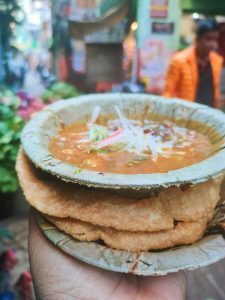
- Chole Bhature (North India): ₹50-80 for a plate that could easily replace lunch
- Dosas (South India): ₹60-100 for a massive rice pancake with fillings and chutneys
- Kathi Rolls (Kolkata): ₹50-90 for protein-packed wraps that keep you going for hours
Pro tip: Street food breakfast is where you’ll find the biggest portions for the lowest prices.
C. Complete Meals vs. Snacking Options
Indian street food falls into two categories:
| Complete Meals | Snacking Options |
|---|---|
| Thalis (₹100-150) | Chaats (₹40-60) |
| Biryani (₹80-150) | Momos (₹50-80) |
| Chole Kulche (₹60-100) | Golgappas (₹30-50) |
For maximum value, grab a complete meal for lunch, then sample snacking options throughout the day. A thali gives you multiple dishes for the price of one restaurant main course.
D. Food Tours Worth Your Money
Food tours cost more upfront (₹1,500-3,000) but deliver serious value. You’ll:
- Try 8-10 different dishes in one go
- Skip the “where do I eat?” guesswork
- Learn the stories behind the food
- Avoid hygiene concerns with guide-vetted stalls
In Delhi, the Old Delhi food tours pack incredible value. In Mumbai, Chowpatty Beach tours showcase the best coastal snacks. Consider these tours your orientation – then branch out on your own after getting your street food confidence.
Embarking on a street food adventure in India opens up a world of vibrant flavors, cultural traditions, and unforgettable experiences. From the spicy chaat of Delhi to the sweet desserts of Kolkata, each region offers distinctive culinary treasures that tell the story of India’s diverse heritage. By following simple safety tips and seeking out authentic food hubs, tourists can safely enjoy these delicious offerings while connecting with local communities.
India’s street food isn’t just about satisfying hunger—it’s an essential cultural experience that provides incredible value for budget-conscious travelers. Whether you’re sampling pav bhaji in Mumbai or dosas in Chennai, these humble roadside offerings provide a more authentic glimpse into Indian life than many high-end restaurants ever could. So grab some cash, bring your appetite, and prepare to discover why India’s street food scene has captivated food lovers from around the world for generations.
