
Introduction:- POLYGAMY IN INDIA
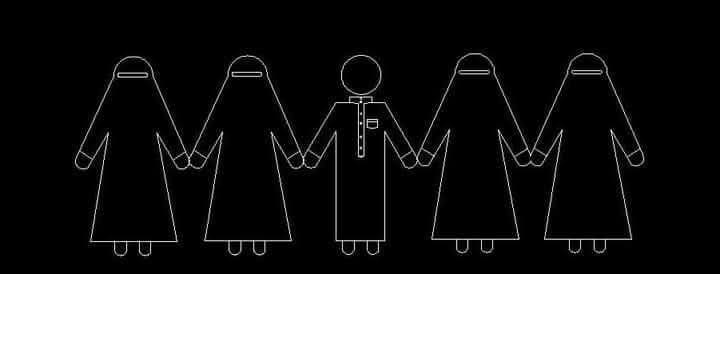
In POLYGAMY IN INDIA, in the mythological epic Mahabharata, one wife of the 5 brothers of the Pandavas can be observed. The holy book of Muslims is the Quran. According to the ideology of the Quran, they can marry up to four. But in the case of Hindus, Bhishma told Yudhishthira that only Brahmins can marry three, Kshatriyas can marry up to two, and Vaishyas and Shudras can marry one each. The literal meaning of the word polygamy is that a man will have many wives, but on the other hand, polygamy is also the name for a woman being married to many men. Even in Africa, there is a proverb, “Mother’s baby, Father’s may be “.
Thank you for reading this post, don't forget to subscribe!Mediaeval India:-
At that time, it was common for Indian kings to have many wives for the purpose of increasing their own race and lineage. The main purpose of the word polygamy is the correct valuation of property, that is, how a person’s property will be divided among the next male heirs. That is, the wealth he earned could later be inherited by his own relatives or by someone else, and that is how the word polygamy originated, meaning that only the inheritance of property through polygamy was an indirect analysis of polygamy. In Dehradun, India, there is a tribe called Khas. Among them, one mother or one wife has many husbands. Although monogamy was observed in India during the Vedic period, it was later on that polygamy became prevalent due to the dominance of kings and Brahmins, and it was through this polygamy that they sought to establish their dominance over society.
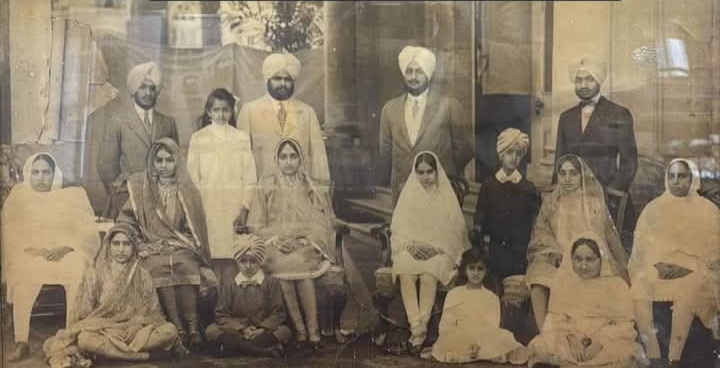
The word polygamy means two or more marriages for a single man or woman. That is, a woman can marry many men or, on the other hand, a man can marry many women. This practice is called polygamy.It is not possible to say exactly when the term polygamy became popular in India, but since the medieval period, the kings who ruled in India, the kings who ruled regionally, usually established alliances between one kingdom and another through marital relations.
Moto of Polygamy-
Polygamy played an effective role not only in establishing alliances but also in increasing their progeny. Later, polygamy, which was a common practice in European society, became permanent in Indian society. In European society, when the English left their country and settled in distant lands, they would establish relationships with some local women or practice polygamy in their own way, which was acceptable in their society but in Indian society it was considered a symbol of money and wealth. Later, some of the listed landlords of the English continued this practice of polygamy, and at the same time, some wealthy people interested in establishing good relations with the landlords and their Brahmins, especially those from the upper castes in POLYGAMY IN INDIA, kept this practice going.
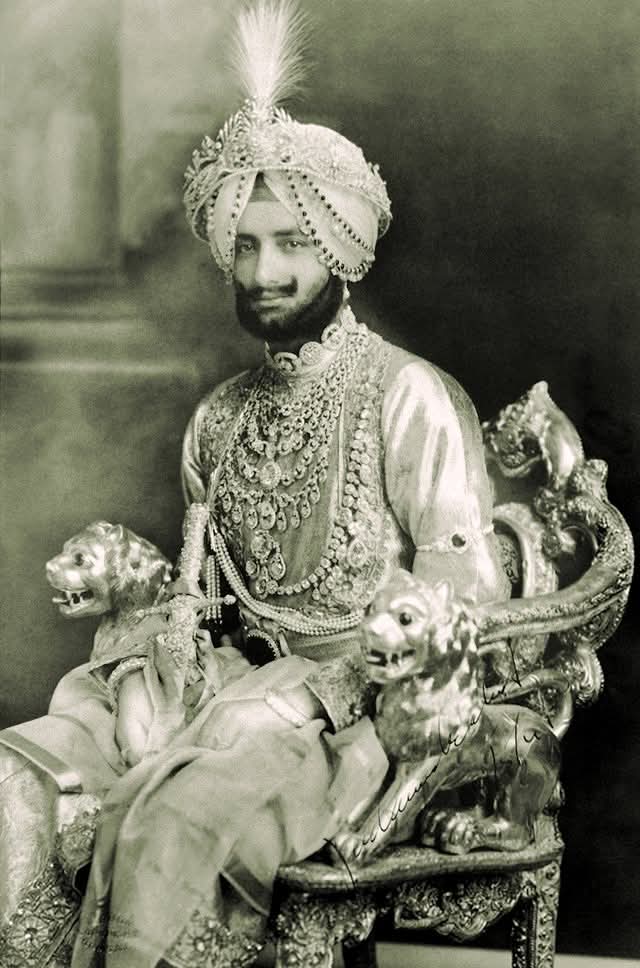
Although it was not forbidden in ancient India, it was not customary in Indian society. A real example of the practice of polygamy in Indian society is the Raja of Patiala, Bhupendra Singh. He had ten marriages, meaning he had ten wives, but the number of concubines in his harem was about 350, not to mention the number of children.

Origin:-
As mentioned earlier, the indirect cause of the sati system is POLYGAMY IN INDIA. At that time, girls were kept away from education. Because after marriage, they would not be able to do the household chores of the in-laws properly as brides, so the daughters were limited to household chores until pre-marriage. As a result, girls could not find the meaning of their lives themselves, their lives were guided by the will of others. And in a patriarchal society, fathers or husbands considered girls as a means of producing children in the world. And men used to indulge in polygamy to show off their wealth and property to others. On the other hand, women did not see polygamy, i.e., having more than one husband for a woman.
Devadasi:-
Devadasi was a common practice in a patriarchal society, but it was another dark chapter in women’s lives. Brahmins used to employ many female Devadasi in some temples of South India to fulfill their own desires. Their job was to dedicate their lives to the service of God or the service of the temple. The priests of the temple used them in a unique way.
Pre-independence India:-
Goa, which separated from the British, was the only state in India that first considered this issue. There,POLYGAMY IN INDIA, a Hindu would be allowed to remarry only if he could show exceptional reasons, such as if his wife was unable to bear children. Raja Rammohan Roy, Doanand Saraswati, Mahatma Gandhi – as a result of their relentless efforts and agitation, the Hindu Marriage Act was passed in 1955 after independence, which banned polygamy in India. It clearly states that bigamy and polygamy are prohibited under Section 494 of the Indian Penal Code (IPC) and are punishable with fine and imprisonment.
Conclusion:-
Now, since the introduction of the Uniform Civil Code (UCC), Uttarakhand is the first state to introduce the UCC.
No matter how much we think about equal rights for women today, if women are deprived of their right to education, half of India’s population will remain far away from our dream of building a new India.
