
Introduction
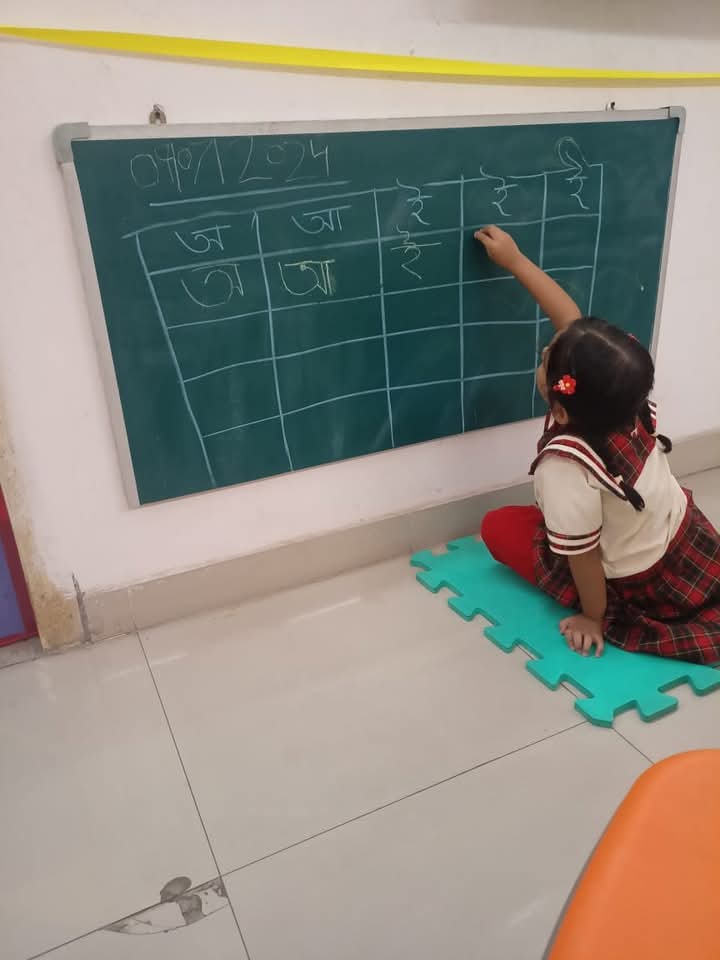
Inclusive education in India is gaining momentum as the country strives to provide equal learning opportunities for all students, regardless of their abilities, backgrounds, or circumstances. This approach to education aims to create a learning environment where every child feels valued, supported, and able to reach their full potential. As India continues to evolve its educational landscape, the concept of inclusive education is becoming increasingly important in shaping the future of the nation’s schools and society as a whole.
Thank you for reading this post, don't forget to subscribe!Understanding Inclusive Education
Inclusive education is an educational approach that seeks to accommodate all learners, regardless of their physical, intellectual, social, emotional, linguistic, or other conditions. It’s based on the principle that every child has the right to quality education within their community. In the context of inclusive education in India, this means:
- Adapting teaching methods to meet diverse learning needs
- Providing necessary support and resources for all students
- Creating an environment that celebrates diversity and promotes equality
- Encouraging collaboration between students, teachers, and families
Learn more about the principles of inclusive education from UNESCO
The Current State of Inclusive Education in India
While India has made significant strides in promoting inclusive education, there is still much work to be done. Some key points about the current state of inclusive education in India include:
- Legal Framework: The Right to Education Act (2009) mandates free and compulsory education for all children aged 6-14, including those with disabilities.
- Enrollment Rates: There has been an increase in the enrollment of children with disabilities in mainstream schools, but many still remain out of the education system.
- Infrastructure: Many schools lack the necessary infrastructure to accommodate students with diverse needs, such as ramps, accessible toilets, and appropriate learning materials.
- Teacher Training: There is a shortage of trained teachers equipped to handle diverse learning needs in inclusive classrooms.
- Awareness: Many communities still lack awareness about the importance and benefits of inclusive education.
Challenges Facing Inclusive Education in India
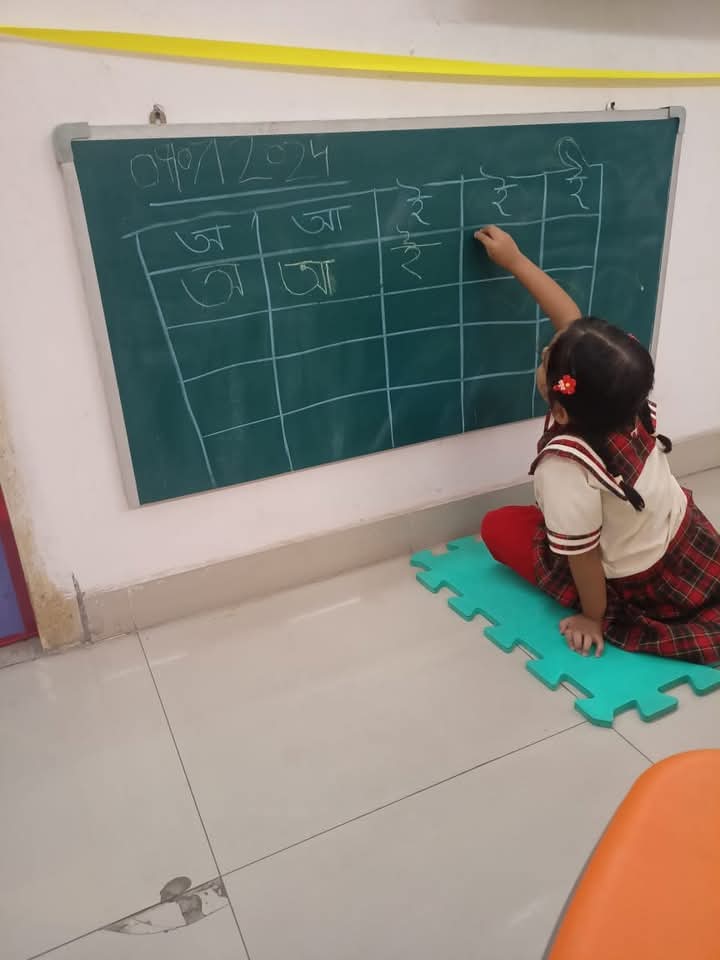
Implementing inclusive education in India faces several challenges:
- Lack of Resources: Many schools, especially in rural areas, lack the resources needed to support inclusive education effectively.
- Attitudinal Barriers: Societal attitudes and stigma towards disabilities and differences can hinder the acceptance of inclusive education.
- Large Class Sizes: Overcrowded classrooms make it difficult for teachers to provide individualized attention to students with diverse needs.
- Curriculum Rigidity: The current curriculum may not be flexible enough to accommodate different learning styles and abilities.
- Limited Parental Involvement: Some parents may be hesitant to send their children with special needs to mainstream schools due to fears of discrimination or inadequate support.
Successful Inclusive Education Models in India
Despite the challenges, there are several successful models of inclusive education in India:
- Sarva Shiksha Abhiyan (SSA): This government program aims to provide quality elementary education to all children, including those with special needs.
- Vidya Sagar: This Chennai-based organization has developed successful inclusive education programs that have been replicated across India.
- Snehadhara Foundation: Located in Bangalore, this foundation uses arts-based therapy to promote inclusive learning environments.
- Amar Jyoti School: This Delhi-based school has been a pioneer in inclusive education since 1981, integrating children with and without disabilities in the same classroom.
- Akshar Foundation: This Assam-based organization has developed an innovative model that combines inclusive education with environmental sustainability.
Read more about successful inclusive education models in India
Government Initiatives Supporting Inclusive Education
The Indian government has launched several initiatives to promote inclusive education:
- Samagra Shiksha Abhiyan: This integrated scheme for school education aims to ensure inclusive and equitable quality education for all.
- National Education Policy 2020: This policy emphasizes the importance of inclusive education and proposes measures to make education more accessible to all learners.
- Accessible India Campaign: This campaign aims to make public spaces, including educational institutions, more accessible for persons with disabilities.
- UDISE+ (Unified District Information System for Education Plus): This portal collects data on various aspects of school education, including information on inclusive education practices.
- DIKSHA (Digital Infrastructure for Knowledge Sharing): This platform provides digital learning resources that can be used to support inclusive education.
The Role of Teachers in Inclusive Education
- Creating a welcoming and supportive classroom environment for all students
- Adapting teaching methods to meet diverse learning needs
- Collaborating with special educators and other professionals to support students
- Promoting positive attitudes towards diversity among students and parents
- Continuously updating their skills and knowledge about inclusive education practices
To support teachers in these roles, it’s essential to:
- Provide comprehensive pre-service and in-service training on inclusive education
- Offer ongoing professional development opportunities
- Ensure adequate support and resources for teachers in inclusive classrooms
- Recognize and reward teachers who excel in implementing inclusive practices
Technology and Inclusive Education
Technology can play a significant role in supporting inclusive education in India:
- Assistive Technologies: Tools like screen readers, speech-to-text software, and adaptive keyboards can help students with disabilities access educational content.
- Digital Learning Platforms: Online learning platforms can provide personalized learning experiences tailored to individual student needs.
- Virtual Reality (VR) and Augmented Reality (AR): These technologies can create immersive learning experiences that cater to different learning styles.
- Mobile Apps: Educational apps can provide additional support and resources for students with diverse learning needs.
- AI-powered Learning: Artificial Intelligence can help identify individual learning patterns and provide customized learning experiences.
Explore how technology is supporting inclusive education
Benefits of Inclusive Education
Implementing inclusive education in India can lead to numerous benefits:
- Improved Learning Outcomes: Inclusive education can lead to better academic performance for all students, not just those with special needs.
- Social Skills Development: Students in inclusive classrooms learn to interact with peers from diverse backgrounds, developing important social skills.
- Reduced Discrimination: Exposure to diversity from an early age can help reduce prejudice and discrimination in society.
- Cost-Effective: In the long run, inclusive education can be more cost-effective than maintaining separate special education systems.
- Preparation for Adult Life: Inclusive education better prepares all students for life in a diverse society and workplace.
- Empowerment: Inclusive education empowers students with disabilities and their families, giving them more opportunities for participation in society.
Future of Inclusive Education in India
The future of inclusive education in India looks promising, with several trends and developments on the horizon:
- Increased Government Focus: With the implementation of the National Education Policy 2020, there is likely to be a greater emphasis on inclusive education at all levels.
- Technology Integration: The use of technology in education is expected to grow, making learning more accessible and personalized for all students.
- Teacher Training: There will likely be an increased focus on preparing teachers for inclusive classrooms, both in pre-service and in-service training.
- Community Involvement: Greater awareness and involvement of communities in promoting inclusive education is anticipated.
- Research and Innovation: More research into effective inclusive education practices in the Indian context is expected, leading to innovative approaches and solutions.
- Collaboration: Increased collaboration between schools, NGOs, and government bodies to implement and improve inclusive education practices is likely.
Conclusion
Inclusive education in India is not just a goal, but a necessity for building a more equitable and harmonious society. While challenges remain, the progress made so far and the increasing focus on inclusivity in education policy are encouraging signs. By continuing to invest in teacher training, infrastructure, technology, and awareness programs, India can create an education system that truly serves all its children, regardless of their abilities or backgrounds. As we move forward, it’s crucial for all stakeholders – educators, policymakers, parents, and communities – to work together to make inclusive education a reality across the country.
