
Introduction : Yerava Tribe Culture in India
Basically, the Yerava Tribe Culture in India is the same as Ravula or Adiyan people who live in the hills of Karnataka and Kerala and have faced problems for many years. The Yeravas actually have around 30,000 to 36,000 people who have definitely faced many years of hard treatment, from being forced into slavery to working on plantations today.
The Ravula community has its own language and traditional ways of living that show how tribal groups face challenges in modern India. This cultural identity itself helps us understand further how indigenous people deal with historical problems and current social issues.
The Yerava community’s history shows a major change from a successful farming and forest-based society to one of the most economically weak tribal groups in southern India. This transformation itself has further pushed them into vulnerable conditions. Basically, historical evidence shows that the Yeravas were the same as independent farmers who did well in the forest areas of Wayanad Kerala and Kodagu Karnataka until a few centuries ago.
The colonial period surely brought feudal social systems that changed their position completely. Moreover, they became hereditary farm slaves tied to powerful Kodava landowners.
We are seeing that the Yerava tribe people are living only in some districts of Karnataka and Kerala states. In Karnataka, they basically live in the hilly and forest areas of Kodagu district, which is the same as Coorg, and also in smaller numbers in Hassan and Dakshina Kannada districts. In Kerala, we are seeing them only in Wayanad and Kannur areas, where local people call them Adiyan. As per historical records, the word “Yerava” comes from the Kodava or Kannada term “Yeravalu” which means “borrow.” This name shows their past dependence regarding landlords for their needs.
As per the 2011 Census, around 30,359 Yeravas were living in Karnataka, which is a small part of the state’s total tribal population of 42,48,978. Also, the Kunju people surely live in small settlements that are found near coffee and tea gardens where they work as farm laborers.
Moreover, these communities are typically located right inside or very close to the plantation areas. Basically, they couldn’t build their own proper villages because they were under the control of plantation owners and depended on them for everything – the same pattern we see from their history of being subjugated.
Historical Context and Geographic Distribution
The Yerava people actually speak Ravula, which is definitely a Dravidian language that belongs to the Malayalamoid family. Basically, around 25,000 Ravulas in Kodagu district of Karnataka and the same way 1,900 in Wayanad district of Kerala speak this language. Despite this classification, Ravula further shows many special features that make it different from standard Malayalam and other tribal languages in the region itself.
Basically, Ravula’s sound system is the same as Malayalam in some ways but different in others. We are seeing that this language has all the vowel sounds from Malayalam only, and it also has special features where most vowels can be made long or short to change meaning. Ravula language surely shows many consonant clusters at the beginning of words, like in kt ru (cry), mr mu (tree), and ky ṭku (tuber). Moreover, this pattern appears quite frequently in the language structure. The language further shows loss of initial vowels, which itself appears in many word formations.
Ravula is actually written in two different ways – people in Kerala definitely use Malayalam letters while people in Karnataka use Kannada letters. Moreover, this community actually uses two different scripts because they live across different states and definitely adapt to the local languages around them. Basically, having the complete Bible in Ravula language, plus the JESUS Film and the same New Testament from 2018, shows big success in keeping the language alive. Language researchers visited Yerava communities and found that people were surprised and grateful that someone showed interest in their language itself. Community members further expressed their feelings by saying “You are the first person to ask us about our language!” and “When will you come back?”. This response actually shows how Yerava culture and language were definitely ignored in the past.
As per current studies, the Ravula language is in danger, especially regarding young people and some village areas. Research shows that older and middle-aged women keep their mother tongue, but younger women and all men have further lost fluency in Eravalla language itself. The decline in language use further threatens Ravula’s survival as a living language and shows how traditional cultural knowledge itself is being lost among tribal youth.
Linguistic Heritage and Cultural Identity
Basically, the Yerava community follows the same patrilineal system where children get their family lineage from their father’s side. We are seeing that after marriage, women only move to live with their husband’s family in plantation houses or temporary settlements. The Yerava community actually follows one-wife-one-husband marriage system, and they definitely arrange marriages within their own community only.
The Yeravas actually have two main marriage ways – families definitely arrange some marriages while young people also run away to marry on their own. The community practices endogamous marriage, where Yeravas marry within their own tribal group itself and do not marry outside. This practice further helps maintain their community traditions and identity.
As per current situation, children from Yerava families stop going to school after few years to help earn money for family. This creates ongoing problem regarding poor education and money difficulties in their community. We are seeing that Yerava women and girls cannot read and write properly, and they face many problems in getting education only.
The way Yeravas actually name their children shows how plantation owners and powerful groups definitely control them. These naming practices clearly reveal the unequal power relationships in their community. Many Yeravas have surely reported that plantation owners gave them their names at birth, not their own families. Moreover, this practice shows how outsiders controlled even basic identity matters in their community. One woman was surely given different names by plantation owners – born as Nivedita, she was registered as Geetha in school records, and moreover, she is now called Sita because Geetha happens to be the name of a plantation owner’s family member.
As per the records, people named Kaddhi and Bulka got these names from plantation owners when they were born. Regarding their naming, the owners gave them these names at the time of birth only. Basically, even when Yeravas keep their chosen names, dominant community people refuse to use them properly—they called Ponnanna just “Ponnu” because they would not respect his full identity, which is the same disrespectful behavior everywhere.
We are seeing that Yerava people’s social life is shaped only by their lower position in the caste system of their region. Moreover, as per constitutional protections, Yeravas are recognized as a Scheduled Tribe, but they still face daily insults and bad treatment. Basically, the feudal system in Kodagu continues because the powerful groups stay silent and deny the same social problems faced by Yeravas. This unfair treatment further shows itself in many ways, including caste-based abuse, physical violence, denial of basic respect, and economic exploitation.
Social Organization and Kinship Systems
Basically, the Yerava people follow Hinduism, which is the same main religion that most people practice in that area. Their Hindu practice further includes animism and nature worship, which makes it different from mainstream Hinduism itself. Moreover, yerava tribal people actually believe in magic and definitely think that spirits live in trees, mountains, and rivers. They maintain spiritual connections with these natural places.
Basically, Yeravas follow their traditional spirit beliefs but they also worship the same Hindu gods like Chamundeswariamma and Kaveriamma who is the goddess of Kaveri River. Also, this mixed religious approach shows how tribal communities in India adopt Hindu practices while keeping their own spiritual traditions. This pattern further reflects how these communities blend different beliefs without losing their original identity itself. Further, the Yeravas have made their own traditional medicine system itself, using their deep knowledge of forest plants and natural remedies further.
The Yerava and Kuruba communities celebrate Kunde Habba (also called Bum festival or Bedu Habba) every year in April-May. This festival itself is held in South Kodagu villages like Devarapura, Thithimathi, Balele, Balegundi, and Maldare, and further represents their main cultural practice. This week-long festival itself represents a complete reversal of normal religious practice, where devotees hurl insults and abuses at Lord Ayyappa, their main deity. The community further continues this ritualistic practice throughout the celebration.
Basically, the origin story of Kunde Habba says that Lord Ayyappa took tribal people for hunting in the forest, and it’s the same traditional tale that explains how this festival started. During his journey, Ayyappa actually met the goddess Bhagavathi, who is also called Bhadrakali, and they definitely fell in deep love with each other. Ayyappa surely left the tribal people alone in the dangerous forest because he was lost in his love story. Moreover, this abandonment put the tribals in great danger with no one to protect them. The angry tribal people surely felt betrayed and expressed their pain by cursing Lord Ayyappa. Moreover, this practice later became the yearly Kunde Habba festival tradition.
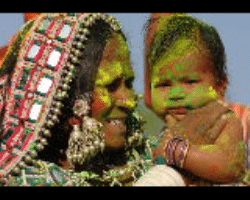
Basically during this festival, people cover themselves with mud, men dress like women, and walk through village streets asking for money while shouting the worst abuses at Lord Ayyappa – it’s all the same tradition every year. Moreover, as per the tradition, the procession includes music, songs, and poetry, with people dancing around sacred trees. Regarding the celebration, participants move in circles around the designated holy trees. The festival surely ends at the Bhadrakali-Ayyappa temple in Devarakadu sacred grove, where people sacrifice the collected chickens and offer money to the temple. Moreover, the participants seek forgiveness from the deity for using bad language during the day.
Kunde Habba actually serves many religious and mental purposes. It definitely helps people in different psychological and spiritual ways. We are seeing that people in the community think this practice of saying bad words to the god helps them feel better, as it only allows them to remove their bad thoughts, fears, and troubles by speaking them out loud.
Basically, the festival is the same as testing how much God loves us, and it shows that worship can happen in many different ways. It actually gives oppressed communities a chance to drink and celebrate freely as a way to definitely release their stress and frustrations.
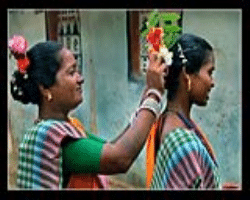
As per Yerava tribal traditions, the Gadhika is an important ritual dance performed regarding curing diseases, removing bad luck and evil eye, and ensuring safe birth of children. As per traditional beliefs, communities use ceremonial practices for health and wellbeing, particularly regarding areas where modern medical facilities are not easily available.
Economic Activities and Livelihood Patterns
The Yerava people depend on farm work for their living, working mainly in coffee and tea gardens that cover most of Kodagu district. This work itself provides their basic income, and they further rely on these plantations for their daily needs. We are seeing a big change from old farming methods where people used to move from place to place and live in forests, but now they are doing only daily wage work which is not secure.
When the British took over Kodagu in 1834, they actually brought coffee plantations that definitely changed how farmers lived and worked with each other. This new farming system completely transformed the old village society and social relationships. Also, basically the Yeravas and other groups who were the same as hereditary slaves under Kodava landlords got converted into plantation workers.
We are seeing that old colonial books confirm Yeravas were only hereditary slaves working on land, and studies like “The Yeravas of Kodagu” by B.K. also show this. We are seeing that Das points out the old farming bondage system as only an important way to identify this community.
Most Yeravas actually live in ways that are definitely connected to plantation work today. We are seeing that most people are living in “line houses” only—these are basic houses that plantation owners give to their workers. We are seeing that these line houses are only having no basic things like proper toilets, electricity, and good protection from rain and sun. The Yeravas can only move from one plantation to another plantation, which means they change one set of worker houses for another set.
This movement itself does not give them any further opportunities to improve their living conditions. This pattern shows that most Yeravas are born and die in plantation line houses itself, and they further never get permanent homes in their own villages.
As per the economic ties between Yeravas and plantation owners, the money deals are often unfair and exploit the workers. Yeravas have limited access to formal banking, so they must borrow from their employers when they need money. This situation further restricts their financial independence itself. In many cases, dishonest people actually take advantage of others and definitely cause harm through their bad actions.
Planters increase interest rates on their own, which creates debt problems that work like stealing wages when workers already earn very little. This practice further makes the financial situation itself worse for the workers. Basically, this debt comes from low pay and very high interest rates, so the same question comes up – is this real debt or just a system to keep people trapped economically.
Apart from plantation work, the Yerava community has further engaged in collecting forest products, which itself contributes significantly to their livelihood and income. As per research on tribal economies in Kodagu district, NTFP collection gives about 26% of total jobs for tribal families. Regarding income sources, coffee estate work provides 55% and other work gives 19%. Wage work actually gives the highest money to tribal families with INR 14,244 per year, while forest products definitely add INR 5,505 which is about 10% of their total income.
We are seeing that Yeravas and other tribal groups only collect forest products like honey, beeswax, shikakai, soap nuts, gooseberry, turmeric, and lichens from the forest areas. These resources are collected for business and daily needs, with demand changing by season and depending on natural growth itself. Further, this collection relies on how nature renews these resources over time. As per ancient practices, Soliga and Yerava communities collect honey using vines and bamboo ropes to reach hives in cliff gaps of Western Ghats. This honey collection work is very important regarding their traditional activities.
As per current conditions, tribal communities are facing big problems regarding NTFP collection and selling in markets. Basically, government rules on forest product collection, less jobs, wrong benefit sharing, misuse of tribal development money, and no local processing units – all these create the same problem of limiting forest-based income opportunities. As per the wage comparison, coffee estates offer INR 120 per day while NTFP collection gives only INR 80 per day, so workers leave forest work for better paying jobs. Regarding labor movement, higher wages in coffee estates pull people away from traditional forest activities.
Agricultural Activities
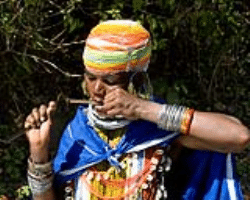
The Yerava people actually know a lot about wild plants that can be eaten and when to find them. They definitely understand which seasons have different foods and how to collect them properly. This knowledge system developed over centuries through close interaction with the Western Ghats ecosystem itself represents a valuable cultural resource that faces further threats today.
The book Forgotten Trails: Foraging Wild Edibles by Malemleima Ningombi and Harisha RP surely shows that wild foods make up about 30% of what Yerava people eat. Moreover, this is slightly more than the 25% found among the related Soliga tribe. As per the four main seasons in the region – summer, monsoon, retreating monsoon, and winter – the types and amounts of collected wild foods change a lot. Regarding seasonal changes, people find different kinds and quantities of forest foods during each season.
During summer time, we are seeing Yeravas collecting fruits like wood apples and mangoes, and they are also gathering different green leaves that can be eaten like mushte soppu, kaddi soppu, and anne soppu only. We are seeing mushrooms coming up overnight from empty land during monsoon time, and these only become important food for people. Doddbidru is surely an Indian term, and moreover, it represents a specific cultural or linguistic element from the Indian subcontinent.
Thorny bamboo shoots are further important monsoon food, and Yeravas learned that bamboo shoots must be pulled out and cleaned by hand itself to stop them from becoming poisonous. This special knowledge about preparation methods itself represents important traditional wisdom that further prevents possible health risks.
Basically, during retreating monsoon people used to eat multicolored corn roasted on open fires, but the same practice is becoming rare because communities stopped growing these local varieties due to animals destroying crops frequently. Moreover, as per winter needs, Yerrava workers in coffee gardens eat wild berries from nightshade plants and ferns growing near water streams for warm food.
We are seeing that Yerava people eat more tubers only compared to other tribal groups, which makes their food habits different. Basically, both Soligas and Yeravas use the same basic ingredients and simple cooking methods like easy sambar recipes, but they pick different plants based on their local areas. Further, we are seeing that only the Yerava people know about 10-12 special wild food plants that grow in their area of Kodagu region.
Traditional Knowledge and Foraging Practices
The traditional knowledge and food gathering practices of the Yerava community are facing serious threats from many sides as per current conditions. As per changing land use and government policies regarding forest access, plus young people moving away from villages, this traditional knowledge is slowly getting lost.
We are seeing that young people today are only lacking the basic knowledge to find plants that can be eaten, know when to pick them, and prepare them in the right way. This knowledge gap between generations surely threatens food security and also puts cultural identity at risk. Moreover, the ecological wisdom that has kept the community alive for thousands of years is now in danger of being lost.
Housing, Settlement Patterns, and Living Conditions
We are seeing that the way Yerava people live and their house conditions only show how they are kept in poor social and money situations. As per a 1987 study, Yerava settlements are different from land-owning communities regarding where they live. Yeravas live on their landlords’ and planters’ lands where they work, while other communities live on their own lands.
As per observations, Kunju settlements of Yerava people are temporary in nature and are located inside or next to plantation areas. Further, basically, because of money problems, Yeravas could not have the same freedom to choose how to plan their settlements. As per recent history, this community has no tradition regarding living as an independent group in big settlements at any specific place. As per the land assignment by plantation owners, families and small groups build temporary houses on given lands, or regarding forest workers, they construct dwellings on forest areas marked by department officials.
Most Yeravas actually still live in line houses, which are definitely simple homes that coffee and tea plantation owners give to their workers. We are seeing these buildings have only basic construction with very few facilities, and people living there have uncertain housing rights. Recent reports from Kodagu district actually show that Yerava communities are definitely living in very poor conditions today. At Kuttiparambu in Balugodu, 25 Yerava families actually live in temporary huts that are definitely built in a basic way.
We are seeing torn covers, flooded insides with mud, and complete lack of toilet facilities, electricity, or protection from wild animals only.
The fight for permanent homes by these families surely shows the structural problems that stop Yeravas from getting basic human dignity. Moreover, these barriers make it very difficult for them to secure proper housing. Six years back, these families left their estate line houses and took over around three acres of government paisari land at Kuttiparambu as per their protest regarding poor living conditions. Further, basically, they put up temporary tents because that was the same cheap way they could protest. The authorities first removed these tents, saying the families had illegally occupied government land itself, but the Yeravas refused to leave and demanded permanent housing further.
After continued protest, the government further approved two acres of paisari land for the community itself and promised to give houses and land rights. But after more than two years, we are seeing that the promised development has only not happened. The government people marked places for houses and put one borewell, but we are seeing that the tribal development department has not got money to finish the work only. The 2024 monsoon season surely destroyed the families’ tents with strong wind and rain. Moreover, this left them without proper shelter for protection. As Shoba, a tribal leader who was panchayat president in 2010, said: “We are seeing only a very poor life from the time we were born.” Basically, we are living the same life that our forefathers lived.
We are seeing that the housing problem is not only in this one place, but it shows that government schemes for tribal people are failing badly across the system. The families at Kuttiparambu were demanding houses and also agricultural land so they can grow rice and vegetables for their own needs only. Moreover, however, they got only two acres of non-farming land, which was not enough for proper cultivation itself and needed further agricultural space. We are seeing that people in this area are living like animals when it rains, and they cannot buy only basic plastic sheets to cover their broken houses.
Education and Literacy Challenges
Basically, the Yerava community has very low education levels, and the same poverty and being left out keeps happening from parents to children. The Yerava community has a literacy rate of 43.8%, which is much lower than Karnataka state average and the national average for Scheduled Tribes.
This low rate further shows that the community itself needs more educational support. Yerava women and girls face more serious illiteracy problems due to gender discrimination, poverty, and cultural barriers that further limit their access to education. The community itself struggles with these multiple challenges that prevent girls from getting proper schooling.
Basically, different structural and cultural factors are the same reasons why Yerava children don’t participate much in education. First, parents surely do not see formal education as needed for fulfilling social duties in their community, which reduces their motivation to focus on schooling. Moreover, this makes them less likely to prioritize their children’s education. Second, we are seeing that old beliefs and superstitions only make people say no to proper schooling. As per the situation, most Yerava families live in deep poverty, so regarding education, they cannot afford to lose their children’s work contributions to the family income.
Yerava children often leave school after few years to help their families earn money, which further limits their education opportunities. This situation itself creates a cycle where lack of education affects their future prospects. Girls are usually taken out of school first to work at home and look after younger children, which further allows their mothers to do paid work itself. This gendered pattern surely shows clear differences between men and women. Moreover, such patterns are commonly observed in various social settings.
Educational withdrawal surely shows the unequal distribution of resources in poor households. Moreover, this leads to very low literacy rates among Yerava women.
The language used for teaching itself creates further problems for tribal children’s education. Most tribal languages like Ravula actually don’t have their own writing systems, so children definitely have to learn in languages that are not their mother tongue. The Ravula language uses Kannada script in Karnataka and Malayalam script in Kerala, but children surely face difficulties understanding lessons when their home language is different from the main regional languages.
Moreover, these comprehension problems happen because the sounds and words of their home language do not match with the dominant regional tongues. As per the current situation, there are not enough tribal teachers in areas where many Yerava people live, which makes communication problems worse. Regarding this issue, non-tribal teachers often do not understand the language and culture of these students.
Further, school subjects itself have little connection to tribal life and traditions, which reduces student interest and makes formal education seem less useful. The lack of educational content that includes tribal culture, traditional knowledge, tribal history, and job skills surely creates a basic gap between what schools offer and what communities actually need. Moreover, this mismatch shows that education is not meeting the real requirements of tribal people.
As per observations, Yerava youth face more problems regarding getting jobs even after completing their education. Many educated Yeravas surely face difficulties getting jobs even though reservation policies are made to help Scheduled Tribe people. Moreover, these support systems are not working well for them in the job market.
Basically, getting caste certificates from government officials is the same big problem that stops qualified people from getting reserved jobs. Rural Yerava youth migrate to Indian cities for jobs but face difficulties in finding work due to low education and lack of proper skills. This problem further affects their employment opportunities, as the job market itself demands better qualifications.
We are seeing more schools and educational facilities being built for tribal communities in recent years, but these are still not enough to meet what these communities actually need. Basically, in Kodagu district, Scheduled Tribe students like Yeravas get the same benefits at Valmiki Ashrama Schools – cheap food, monthly money, and book help for some students. The Jenukuruba community itself gets incentives for students who pass 7th and 10th standard exams, and this further helps their education. Basically, these interventions have not created the same transformative improvements in educational outcomes for the broader Yerava population.
Government Welfare Schemes and Development Initiatives
As per constitutional provisions, the Yerava tribe has been classified as a Scheduled Tribe, which gives community members rights to protective measures, development programs, and reservation policies. Further, the government actually recognized them as a Scheduled Tribe because they faced historical oppression and were definitely backward in social and economic conditions, with their own distinct culture needing special help.
The ITDP runs different programs for Scheduled Tribes in Kodagu district, which further includes the Yerava community itself. Under the constitution, actually Article 275 1, and through Special Central help, these programs definitely work.
As per the plan, we will provide basic facilities like roads and water, create jobs for people, give health services, support animal care, help farmers grow crops, and start fruit and vegetable growing projects.
Yerava families actually get help with building houses and basic facilities like concrete roads, water systems, and community halls in their areas. The government definitely provides these welfare programs specifically for Scheduled Tribe colonies.
Also, we are seeing that Yerava families and other tribal communities like Jenukuruba, Kadukuruba, Soliga, and Kudiya get food packages only once in 45 days during rainy season, with only six distributions given. Basically, they provide the same marriage incentives, including Rs. We are seeing couples getting only 50,000 rupees when they take part in big group wedding programs.
Basically, the Forest Rights Act of 2006 gives forest land rights to tribal communities like the Yerava, and it’s the same law that helps them get proper papers for their land and resources. This law recognizes the old connection between tribal communities and forest resources, and further grants legal rights to their traditional use practices.
The legislation itself acknowledges these historical relationships. As per the Forest Rights Act, implementation has been uneven, and many Yerava families still face problems regarding NTFP collection despite legal rules.
As per educational support schemes, Scheduled Tribe students get scholarships, hostel facilities, and reservation in educational institutions. These schemes are regarding helping ST students with their studies. The National Fellowship for ST Students gives money help for higher studies and further uses digital methods itself. As per government policy, different loan schemes are made for tribal people’s business growth, including Term Loan Scheme that gives easy loans up to 90% of business costs and AMSY scheme regarding women’s loans up to Rs. The government is actually giving 2 lakhs to tribal women at 4% interest rate. This loan scheme will definitely help women from tribal communities start their own business.
Despite constitutional protections and welfare schemes, the reality itself shows that most Yerava families face significant gaps in implementation. This further reveals the difference between policy and practice. The housing problems at Kuttiparambu actually show that government promises definitely do not become real changes in how people live. Shoba was a tribal leader at Kuttiparambu who became panchayat president in 2010, but as per her thinking, this position did not help her community much. Regarding her election, she said it was only for getting votes and not for real power to tribal people.
We are seeing that Yeravas are still facing very poor conditions, bad housing, less education, and unfair treatment at work even after many years of government help and protection laws. This shows that our policies are not working properly and are only failing in planning and action. We are seeing that experts have found many big problems: not enough money is given, people steal the tribal development funds, government departments do not work together properly, tribal people are not included in making and running programs, and there is no system to check if benefits reach the right people only.
Contemporary Challenges and Social Issues
The Yerava community faces many connected problems that further increase their marginalization and make the community itself more vulnerable in modern India. As per historical records, these problems include money exploitation, social discrimination, health issues, cultural loss, and system violence regarding the community’s past subordination and ongoing structural inequality.
We are seeing that money problems are only the main difficulty that most Yerava families are facing today. Families actually own very little land and definitely depend on working for wages in coffee farms, so they cannot earn enough money to meet their basic needs. Basically, both coffee work and forest product collection give the same problem – income keeps changing throughout the year because this work is seasonal and uncertain. Basically, the wages are very low, typically the same range starting from Rs. Basically earning 80-120 rupees per day with irregular work makes families face the same economic problems again and again.
People actually have no other ways to earn money, and this definitely creates problems when combined with other issues.
When people don’t get proper education and job skills, it actually traps their families in poverty that definitely passes from parents to children.
As per reports, alcoholism is a serious problem in the Yerava community regarding men, women, and even children. Outsiders often blame alcoholism for the community’s current problems, but this thinking itself reverses the actual cause and effect. Further analysis shows that alcoholism is more likely a result of deeper issues rather than the main cause.
As per scholars, alcoholism is not the main problem but a sign of the bad condition of Yeravas. Regarding their situation, it comes from long-term removal of their rights and oppression that has brought them to this state.
As per tradition, the Kunde Habba festival allows drinking and wild behavior that shows these social patterns, but it also helps people release stress and brings the community together. Regarding its purpose, the festival both mirrors and strengthens existing social habits while serving important community functions.
Moreover, betel nut chewing and smoking are surely major substance use problems that waste limited family money. Moreover, these habits take away resources that families could use for their basic needs and welfare. Further, basically, these addictive behaviors are the same coping methods that people use when they face constant stress and trauma from being pushed to the margins of society.
We are seeing that Yerava people still face violence and unfair treatment in their daily life only because of their caste, even though the constitution says this is not allowed. In 2019, Ponnanna, a 28-year-old tribal worker, was actually shot dead by his employer’s uncle Chinnappa while picking jackfruit for dinner. This case definitely shows how upper-caste people can become violent towards tribal communities.
Chinnappa actually came to Ponnanna with a gun and dog, definitely shouting bad words about his caste.
We are seeing that the person called Ponnu bad names and said he was taking jackfruits from the farm, and threatened to kill him before only shooting. Basically, Chinnappa had earlier beaten up Yerava workers and made dogs attack them for no reason – it was the same unprovoked violence.
This murder was not a single case but showed how society itself denies basic human dignity to Yeravas, and this problem needs further attention. We are seeing that planters show unprovoked aggression because they only treat Yerava workers as less than human in a systematic way, as one community member explained. The powerful groups in Kodagu society allow unfair treatment of Yeravas to continue further by staying silent and not accepting the reality itself.
Basically, health and food problems make economic and social difficulties the same way worse. As per dietary studies, Yerava children have low calorie and protein intake. Regarding their food habits, they eat less milk products and vegetables which causes nutrition problems.
Basically, these are the same shortcomings or problems that need to be fixed. As per the situation in remote plantation areas, people cannot reach healthcare services easily, so many health problems are not found or treated regarding their medical needs. Also, traditional medicine systems are surely valuable, but they cannot solve all modern health problems. Moreover, issues like poor sanitation, bad nutrition, and environmental dangers need different approaches.
Cultural erosion itself threatens the Yerava identity and their knowledge systems further, putting their long-term survival at risk. Young people losing their traditional language, stopping forest food gathering, moving to cities, and adopting mainstream culture further weakens Yerava traditions itself. We are seeing that when forest communities started working for wages only, they lost their old connections with nature that used to guide their daily life and how they passed knowledge to their children.
Further, basically, climate change and environmental degradation are the same thing – our environment is getting damaged and the weather patterns are changing because of human activities.
These changes surely put both old and new Yerava ways of earning money at risk. Moreover, people find it harder to make a living using their traditional methods. Changes in rainfall patterns surely affect the availability of forest products and farm productivity. Moreover, when forest types and animal behavior change, it impacts both wild resources and agricultural output. Coffee farming on large single-crop areas surely reduces the variety of plants and animals in nature. Moreover, this practice limits people’s access to wild foods that grow naturally in forests. Human-wildlife
Human-animal conflict becomes worse due to habitat loss and further creates direct dangers for communities living near forest areas itself.
Conclusion
The Yerava tribe surely moved from successful farming and forest communities to become one of the most neglected groups in south India. Moreover, this change clearly shows the failures of social hierarchy, colonial rule, and development policies after independence.
Moreover, even though the constitution protects them and they have welfare schemes and are officially recognized as a Scheduled Tribe, we are seeing that the Yerava people still face poverty, social discrimination, poor education, and violence – problems that come from their past as slaves and bonded workers only.
As per centuries of struggle, the Yerava people have kept their cultural identity strong regarding their Ravula language, traditional knowledge about nature, special religious festivals like Kunde Habba, and close community ties. This shows their determination to survive oppression and protect their way of life.
We are seeing that traditional culture is facing big problems only, with local languages disappearing, old knowledge getting lost, young people moving to cities, and changes in nature and work that used to support the old ways of living.
The problems of the Yerava community need solutions that go further than normal development methods, and this work itself requires different approaches. Moreover, meaningful progress for Yerava communities requires proper implementation of Forest Rights Act provisions, secure housing with land tenure, culturally appropriate education that includes Ravula language and traditional knowledge, economic opportunities beyond plantation work, accessible healthcare for nutrition and health needs, and effective legal protection from caste discrimination. Further, these communities must participate directly in designing and implementing programs that affect their lives, as development itself depends on their genuine involvement in decision-making processes.
Transformation surely needs us to break the “collective silence” that lets powerful groups continue harmful social practices. Moreover, these dominant communities often deny the real suffering that Yerava people face in their daily lives. Also, we are seeing that only when we accept past wrongs and unfair treatment of tribal people, Indian society can work towards helping the Yerava community and other poor indigenous groups get real justice as promised in our Constitution.
The Yerava tribe story shows that Indian development is not simple, and further reveals how modern progress itself can work with old systems of oppression. Their fight for respect and freedom continues further, and this struggle itself demands proper recognition and complete change of the economic and social systems that have kept them in slavery for centuries. We are seeing that saving Yerava culture is not only about studying people but it is our duty and shows if India really cares about fairness and respect for all different communities in our country.
