
THE CULTURAL IMPORTANCE OF MEDICINAL HERBS: A JOURNEY THROUGH ETHNOBOTANY, ANCIENT TEXTS, AND MODERN SCIENCE
Thank you for reading this post, don't forget to subscribe!Long before synthetic pills were packaged in sterile plastic bottles and shipped across global supply chains, humanity relied on the living pharmacy blooming right outside our doorsteps. Medicinal herbs are far more than mere chemical factories synthesizing pharmacologically active compounds; they are living archives of human history, culture, spirituality, and ecological adaptation.To understand the cultural importance of medicinal herbs is to dive deep into how ancestral communities made sense of suffering, healing, and the cosmos. Drawing from ethnobotanical research papers, rare historical manuscripts, and anthropological studies, this comprehensive guide explores the profound, often overlooked intersections of culture, oral traditions, indigenous stewardship, and modern phytotherapy.
1. ETHNOBOTANY AND THE GENESIS OF CULTURAL HERBALISM
Ethnobotany—the scientific study of how people of a particular culture and region make use of indigenous plants—reveals that the relationship between humans and medicinal herbs is as old as civilization itself. Anthropological excavations at Neanderthal burial sites, such as Iraq’s Shanidar Cave, have unsealed pollen clusters of medicinal species like yarrow (Achillea millefolium) and cornflower (Centaurea), suggesting that plant-based healing pre-dates modern Homo sapiens.
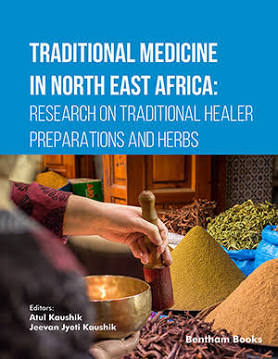
Ethnobotany bridges ancestral wisdom and scientific taxonomy
The Oral Transmission of Botanical KnowledgeBefore written language codified medical prescriptions, botanical knowledge was transmitted through generations via oral history, myth, and ritualistic taboos. Indigenous and traditional communities developed intricate classification systems that matched modern cladistics long before Linnaean taxonomy was established.
Sacred Taxonomy: In many Amazonian and West African cultures, plants are not viewed as passive objects, but as sentient entities with distinct spiritual agencies. Harvesters must ask permission, offer tobacco or prayers, and harvest only at specific lunar phases to preserve the plant’s spiritual and medicinal efficacy.
Biocultural Diversity: Research published in conservation journals highlights a direct correlation between linguistic diversity and botanical knowledge hotspots. When a local language dies, centuries of empirical pharmacological data encoded in its lexicon vanish with it.
2. CODIFIED TRADITIONS: CULTURAL IMPORTANCE OF MEDICINAL HERBS IN ANCIENT TEXTS AND MANUSCRIPTS
Written history provides a breathtaking window into how ancient empires categorized and culturally integrated medicinal herbs into their daily lives, legal codes, and religious rites.
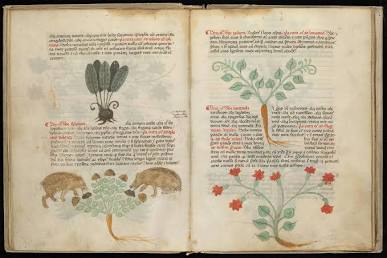
Historical manuscript preserve centuries empirism
The Papyrus Ebers and Mesopotamian Clay TabletsDating back to approximately 1550 BCE, the Egyptian Papyrus Ebers lists over 700 medicinal substances, heavily emphasizing herbal remedies utilizing onion, garlic, pomegranate, and castor oil. Similarly, cuneiform clay tablets from ancient Mesopotamia reveal sophisticated pharmacological combinations where herbs were prescribed alongside incantations—not out of mere superstition, but because healing was viewed as a holistic restoration of physical, psychological, and spiritual equilibrium.
The Synergy of Ayurveda and Traditional Chinese Medicine (TCM)In South Asia, the Atharva Veda and classical Ayurvedic treatises like the Charaka Samhita and Sushruta Samhita elevated herbal medicine into a profound philosophical science based on the balance of elements (doshas). Plants such as Turmeric (Curcuma longa) and Ashwagandha (Withania somnifera) were not just therapeutic agents; they held sacred status in religious ceremonies, culinary traditions, and social rituals.
3. RARE INSIGHTS AND UNKNOWN STATISTICS IN HERBAL RESEARCH
While popular culture often views herbalism through a romanticized lens, rigorous empirical and ethnobotanical data reveal striking, lesser-known insights regarding global pharmacopeias and traditional conservation.
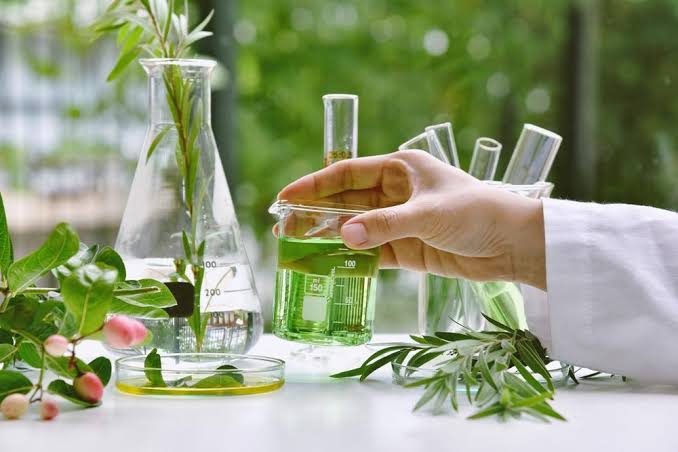
Advanced phytochemistry continues to unlock molecule
Surprising Metrics from Pharmacological Studies with CULTURAL IMPORTANCE OF MEDICINAL HERBS
The Modern Pharmaceutical Debt: According to ethnobotanical surveys published by the World Health Organization (WHO) and ethnopharmacological databases, approximately 25% to 50% of modern pharmaceutical drugs are directly or indirectly derived from plant sources. Iconic examples include aspirin (derived from willow bark), pactaxel/Taxol (from the Pacific yew tree), and morphine (from the opium poppy).
The Unexplored Botanical Library: Botanists estimate there are over 350,000 known species of vascular plants on Earth. However, less than 15% have been rigorously screened for pharmacological or bioactive properties. This means the vast majority of traditional herbal lore remains chemically unverified by Western science.
Indigenous Land Stewardship: Data compiled by ecological research groups demonstrate that indigenous peoples manage or hold tenure over roughly 25% of the world’s land surface, which happens to harbor an astonishing 80% of global biodiversity. Consequently, cultural preservation is mathematically synonymous with pharmaceutical and ecological conservation.
4. RITUALS, SPIRITUALITY, AND PSYCHO-CULTURAL HEALING
In numerous cultures, the efficacy of a medicinal herb is deeply intertwined with the ritual context in which it is administered. This phenomenon—often minimized in Western allopathic medicine—involves complex psycho-cultural mechanisms similar to enhanced therapeutic outcomes through ritual framing.
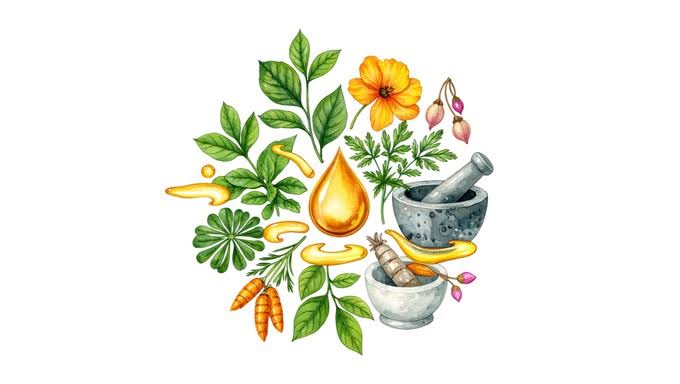
Herbs serve spiritual culinary and medicinal function
Ethnobotanical Psychotherapy and Shamanism
Across indigenous Amazonian, Mesoamerican, and Siberian traditions, master plant teachers (such as Ayahuasca, Iboga, or various species of Salvia and Artemisia) are ingested under the guidance of traditional healers or shamans.
1. Cosmological Framework: The patient does not view the experience as a mere chemical reaction in the brain, but as a communicative dialogue with the spirit of the plant.
2. Community Integration: Healing rituals often take place in communal settings, mobilizing the social support network of the village to reinforce recovery and emotional integration.
5. THE THREATS OF BIOPIRACY, LOSS OF BIODIVERSITY, AND ECOCIDE
Despite their profound cultural and medical importance, traditional medicinal herbs face unprecedented crises in the 21st century.
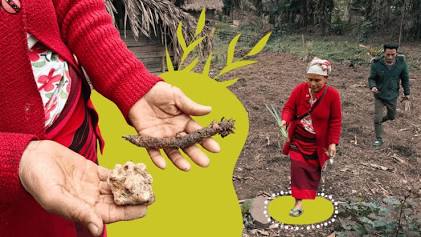
wild harvested medicinal herbs face severe pressure
The Dark Side of Commercialization
Overharvesting: The surging global demand for natural wellness products has triggered rampant overexploitation of wild populations. Slow-growing woodland herbs like American Ginseng (Panax quinquefolius) and Goldenseal (Hydrastis canadensis) are currently threatened with extinction in their native habitats.
Biopiracy and Intellectual Property: Multi-national pharmaceutical corporations have frequently patented traditional remedies or isolated compounds derived from indigenous knowledge systems without prior informed consent or fair benefit-sharing agreements with the source communities—a practice known as biopiracy.
6. INTEGRATING TRADITIONAL KNOWLEDGE WITH MODERN CONSERVATION
To safeguard the cultural heritage and ecological future of medicinal herbs, a paradigm shift is underway across global scientific and political landscapes.
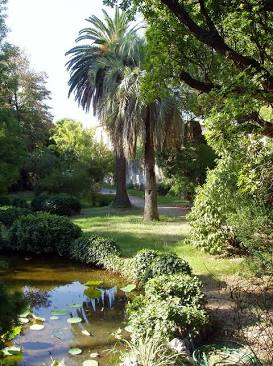
Botanical gardens play a vital role in preserving environment
Collaborative Ethnobotanical FrameworksModern researchers are increasingly adopting participatory research models, partnering directly with indigenous elders, traditional birth attendants, and local herbalists.
- Community-Based Conservation: Establishing localized seed banks, wild-harvesting quotas, and community-run botanical sanctuaries ensures that the economic benefits of herbal trade flow back to the traditional stewards of the land.
2. Phytochemical Standardization: Advanced chromatographic and spectroscopic technologies allow scientists to validate the exact active constituents in traditional formulas, fostering safe integration between traditional medicine systems and modern clinical healthcare.
CONCLUSION: HONORING THE ROOTS OF HUMAN HEALINGMedicinal herbs are far more than chemical storehouses; they are vibrant testaments to our ancient, unbreakable kinship with the natural world. From the clay tablets of Mesopotamia to the cutting-edge phytochemistry laboratories of today, plants have continually sustained, healed, and inspired human culture.As we navigate an era of rapid ecological transformation and disconnected modernity, preserving the cultural knowledge of medicinal herbs is not merely an academic exercise—it is an essential act of safeguarding human heritage and planetary survival.
