
The Gorait Tribe: Heritage, Cultural Identity, and the Struggle for Survival in Modern India
Introduction: The Hidden Voices of India’s Indigenous Landscape
India’s tribal heritage encompasses over 700 distinct Scheduled Tribes, each preserving unique linguistic, spiritual, and social customs. While prominent communities such as the Santhal, Gond, Bhil, and Munda frequently anchor academic, political, and cultural discussions, dozens of smaller indigenous groups remain largely invisible to mainstream society. Among these marginalized, demographically vulnerable populations is the Gorait (also recorded as Gait, Guraitt, or Gorait/Korait) tribe.
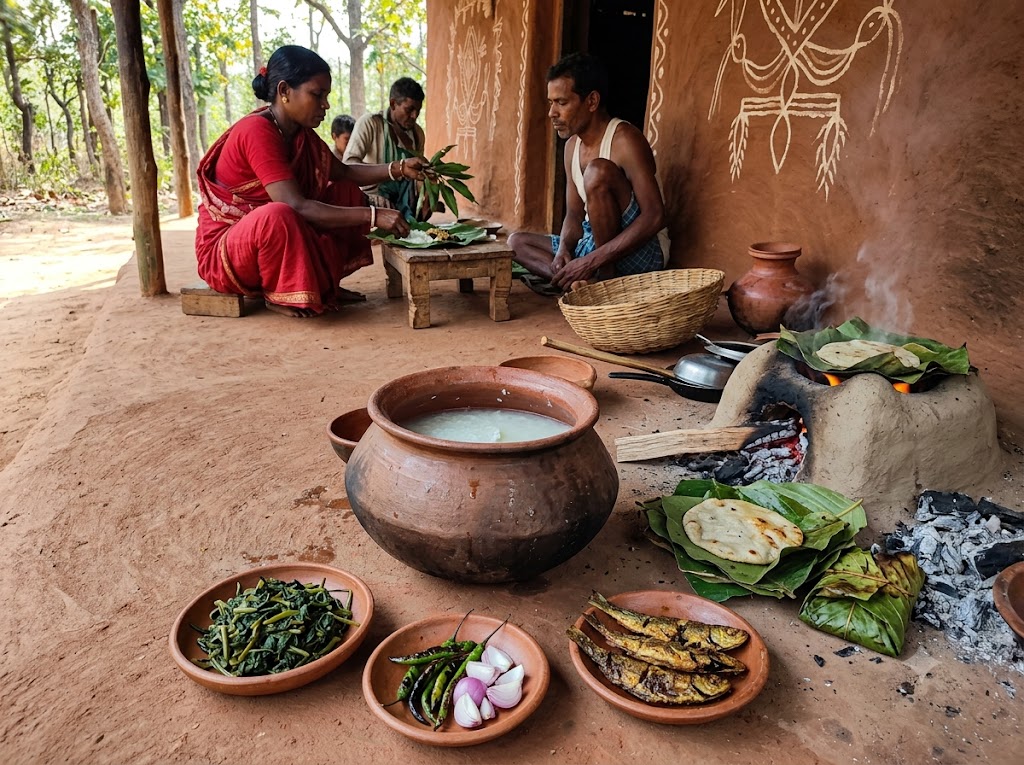
Historically situated across the forested plateaus and alluvial tracts of eastern India—principally Jharkhand, Bihar, West Bengal, and northern Odisha—the Gorait represent a living bridge between ancestral village governance and regional musical-ritualistic expressions. Long recognized as the heralds, messengers, village watchmen, drummers, and ceremonial specialists for larger tribal villages, the Gorait sustained traditional agrarian communities for centuries.
In the twenty-first century, however, the Gorait confront acute socio-economic marginalization. Between sweeping industrial expansion across the Chota Nagpur plateau, shrinking forest frontiers, severe demographic stagnation, and shifting administrative classifications, their linguistic survival, indigenous livelihoods, and customary rights stand at a critical juncture.
1. Historical Lineage and Ethno-Geographic Origins
Historical Geography of the Chota Nagpur Plateau
The Gorait community is organically tied to the undulating highlands, sal (Shorea robusta) forests, and river basins of the Chota Nagpur Plateau and the Santhal Parganas. Colonial ethnographers—including E.T. Dalton (Descriptive Ethnology of Bengal, 1872), H.H. Risley (The Tribes and Castes of Bengal, 1891), and later R.V. Russell—recorded the Gorait living dispersed among Munda, Oraon, and Santhal settlements.
Unlike large tribes who established homogenous, contiguous village tracts, the Gorait historically lived in small hamlets or as family clusters nestled within multi-tribal villages. They performed specialized occupational and social functions:
-
Jharkhand: Concentrated in Ranchi, Gumla, Simdega, Lohardaga, Hazaribagh, Dhanbad, and Santhal Parganas.
-
Bihar: Scattered across southern border districts, including Gaya, Jamui, Banka, and Rohtas.
-
West Bengal: Present in Purulia, Bankura, and Paschim Medinipur, where their customs overlap with regional proto-Australoid tribal neighbors.
-
Odisha: Smaller populations reside in Mayurbhanj and Sundargarh.
Ethno-Linguistic Affiliation
Linguistically, the Gorait have been traditionally affiliated with the Austroasiatic language family (specifically the Northern Munda subgroup), sharing linguistic roots with the Ho, Munda, and Santhali languages. Centuries of contact with Indo-Aryan speaking populations transformed their daily speech into Sadri (Nagpuri)—the primary lingua franca of indigenous communities in Jharkhand—alongside regional variants of Khortha, Bhojpuri, and Bengali.
Anthropologically, the Gorait belong to the Proto-Australoid physical stock, sharing phenotypic and genetic traits common across central and eastern Indian Adivasis: dolichocephalic cranial forms, broad nasal profiles, wavy-to-curly hair, and dark skin pigmentation adapted to life in tropical deciduous ecosystems.
2. Demographic Overview and Constitutional Classification
The Gorait face a profound demographic crisis characterized by small numbers and administrative dispersion.
The Vulnerability of Dispersed D
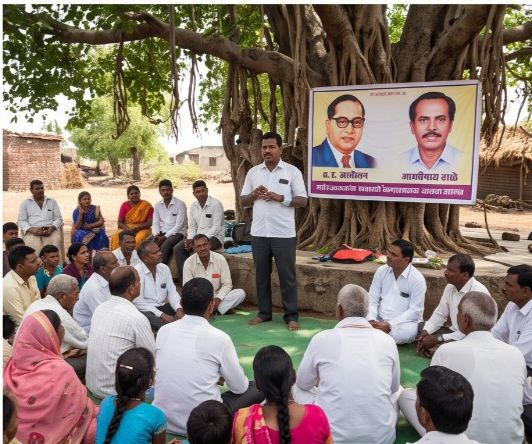
Unlike concentrated tribal blocs that can leverage regional electoral representation to secure political voice, the Gorait’s dispersed population severely weakens their collective bargaining power. Across individual revenue blocks (blocks/panchayats), a Gorait settlement might comprise only five to twenty households.
This numerical dilution has real-world consequences:
-
Administrative Neglect: Census enumerations frequently misclassify or subsume them under larger neighboring tribes or Scheduled Caste groupings.
-
Exclusion from Target Programs: Despite socio-economic indicators matching or trailing those of Particulary Vulnerable Tribal Groups (PVTGs), their official classification as a standard Scheduled Tribe leaves them competing for reservations and schemes against substantially larger, better-mobilized tribal groups.
-
Statistical Invisibility: The community frequently falls into the “other tribes” bracket in state-level reports, depriving researchers and policymakers of disaggregated health, literacy, and landholding data.
3. Traditional Roles, Village Ecology, and Livelihoods
The Village Herald and Messenger (Gorait/Kotwar)
The ethnonym Gorait is tied directly to ancestral village governance. In historical Chota Nagpur village federations (Parha and Panchayat systems of the Mundas and Oraons), the Gorait served as official messengers, heralds, and village watchmen:
-
Summoning Assemblies: When the village headman (Munda or Manjhi) or spiritual priest (Pahan or Naike) called a council, the Gorait traveled between hamlets beating a traditional percussion drum to notify elders.
-
Inter-Village Communication: In an era before roads and telecommunications, the Gorait carried executive orders, dispute notices, and festival announcements across village networks.
-
Custodians of Boundaries: Working alongside the village Kotwar (guard), the Gorait patrolled village borders, tracked lost livestock, and guarded common forest and water reserves.
For these services, the village community compensated the Gorait through customary arrangements, commonly known as Manjhi-has or service land tenures (Goraiti-khet). These small, rent-free agricultural parcels allowed Gorait families to raise subsistence crops without paying tribute to local chiefs or zamindars.
Artisanal Craftsmanship, Music, and Forest Foraging
Beyond village messaging, the Gorait practiced a multi-pronged livelihood system rooted in their local ecology:
-
Drum Making and Musicianship: The Gorait are master craftsmen of leather percussion instruments, including the Mandar (earthen or wooden barrel drum), Dholak, and Nagara. They harvested animal hides, tanned them using plant extracts, and stretched them over hand-carved wood frames. During marriages, agricultural rites, and seasonal dances, their musicians provided the rhythmic foundation for community ceremonies.
-
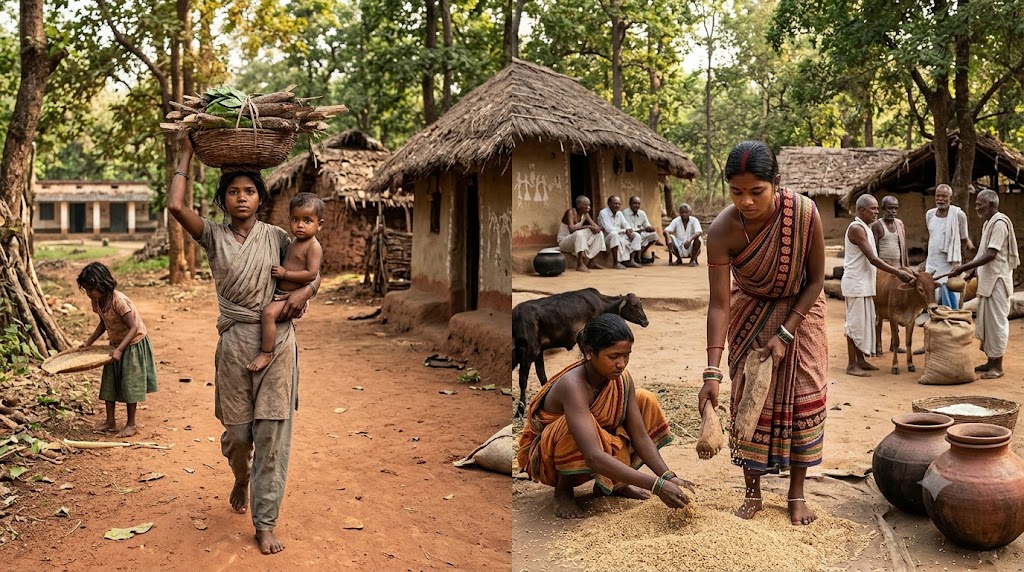
Subsistence Agriculture: Gorait families cultivate small plots of paddy, millets (marua/kodo), pulses, and seasonal oilseeds using manual plows and rain-fed farming.
-
Non-Timber Forest Products (NTFP): Living adjacent to mixed sal, mahua, and bamboo forests, they harvest mahua flowers (Madhuca longifolia) for food and brewing, collect tendu leaves (Diospyros melanoxylon) for regional markets, gather wild edible tubers (kanda), and extract sal seeds and lac.
-
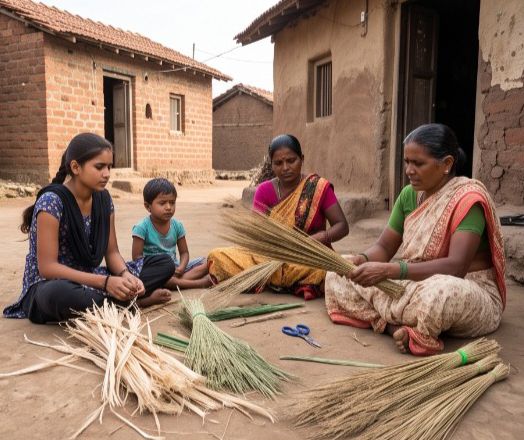
Bamboo and Cane Crafting: Weaving storage baskets, winnowing fans (sup), and fishing traps (kumani) provided secondary barter and market income during non-agricultural months.
4. Social Structure, Kinship, and Customary Laws
Clan Organization and Totemism
Gorait society is segmented into patrilineal, exogamous clans (gotras or kilis), many of which are shared with or mirror those of neighboring Munda and Oraon communities. These clans are fundamentally totemic, identifying spiritual and ecological links to wild flora, fauna, and natural features:
-
Totemic Taboos: A clan associated with a particular animal or plant strictly prohibits harming, consuming, or destroying that species. For instance, members of the Kachhap (Tortoise) clan protect freshwater turtles, while those linked to specific birds or trees observe conservation taboos around those organisms.
-
Exogamy: Marriage within the same clan is strictly taboo (niyam-bhanga). Violating clan exogamy risks social ostracization (bitlaha or community expulsion), as it is viewed as incestuous and disruptive to cosmic balance.
Marriage Traditions (Bapla)
Marriage is considered an essential rite of passage among the Gorait, cementing alliances between distinct kinship lines and villages:
-
Forms of Marriage: The most common form is negotiated marriage (Diku Bapla or Sadharan Bapla), arranged by family elders with the help of a traditional mediator (Aguwa). Other acknowledged customs include mutual-consent unions, service marriages (where a groom works the land of his prospective father-in-law), and widow remarriage (Sagai).
-
Bride Price (Kanya Dhan or Gonong): Historically, the groom’s family paid a modest, symbolic bride price to the bride’s parents, typically consisting of cattle, brass vessels, clothes, and agricultural produce. This recognized the economic and reproductive value of the bride to her natal family. Modern dowry practices, however, are increasingly eroding this traditional custom.
-
Divorce and Remarriage: Customary divorce is permitted with village council sanction if a marriage suffers from abuse, desertion, or irreconcilable discord. Divorced individuals and widows can remarry without social stigma through simplified Sagai rituals.
Family Structure and Inheritance
The traditional Gorait family unit is patrilocal and predominantly nuclear, though joint households remain common in agricultural pockets.
-
Patrilineal Lineage: Descent, clan identity, and property pass strictly through the male line.
-
Property Rights: Sons inherit equal shares of ancestral land, with an extra share (jeth-ang) occasionally reserved for the eldest son to support aged parents and family rites. Daughters historically held customary rights to maintenance until marriage but no claim to ancestral immovable land—a customary rule intended to prevent land transfers outside the patrilineal clan.
5. Spiritual Universe, Rituals, and Folklore
Sarnaism: Reverence for Sacred Nature
The traditional spiritual world of the Gorait is embedded in Sarnaism—the nature-centric, animist-polytheist belief system shared across Chota Nagpur. Rather than worshiping within man-made temples or idols, they revere sacred groves, natural spirits, and ancestral souls:
-
Singbonga: The Supreme Deity, associated with the Sun, who sustains life, rain, light, and cosmic order.
-
Marang Buru: The Great Mountain Spirit, guardian of ecological balance, monsoons, and forested highlands.
-
Jaher Era / Chala Pachho: The Earth and Forest Goddess who protects the Jaherthan or Sarna (the sacred grove of shorea trees preserved outside every traditional village).
-
Ancestral Spirits (Ora Bongako): Ancestors are considered active members of the extended family. Gorait households maintain a sacred corner (Ading) within the home where ancestral spirits receive libations of rice beer (handia) and food during milestones.
Major Festivals and Agricultural Celebrations
Gorait festivals synchronize with the cyclical rhythms of the agrarian and forest calendar:
-
Sarhul (Baha Parab): Celebrated during the spring blooming of the sacred Sal tree. No new leaves, flowers, or fruit may be harvested until the Pahan conducts ceremonial offerings in the sacred grove. The festival celebrates the cosmic union of the Sun and the Earth.
-
Karma Puja: Held during the monsoon, this festival celebrates youth, fertility, and sibling bonds. Gorait youths bring branches of the Karam tree (Haldina cordifolia) into the village, plant them at the community dancing arena (Akhra), and dance through the night to Mandar rhythms.
-
Sohrai (Bandna): An autumn post-harvest festival dedicated to working cattle. Farm animals are bathed, oiled, adorned with rice-paste paintings, and thanked for their labor in the agricultural cycle.
-
Mage Parab and Jitiya: Rites that mark the completion of the agricultural cycle, the cleaning of ancestral granaries, and mothers’ prayers for the well-being of their children.
6. Socio-Economic Realities and Human Development Indicators
Despite constitutional protections and special development funding, the Gorait remain near the bottom of regional human development indicators.
1. Educational Deprivation
Generational poverty, linguistic friction, and geographic isolation contribute to low literacy rates among the Gorait:
-
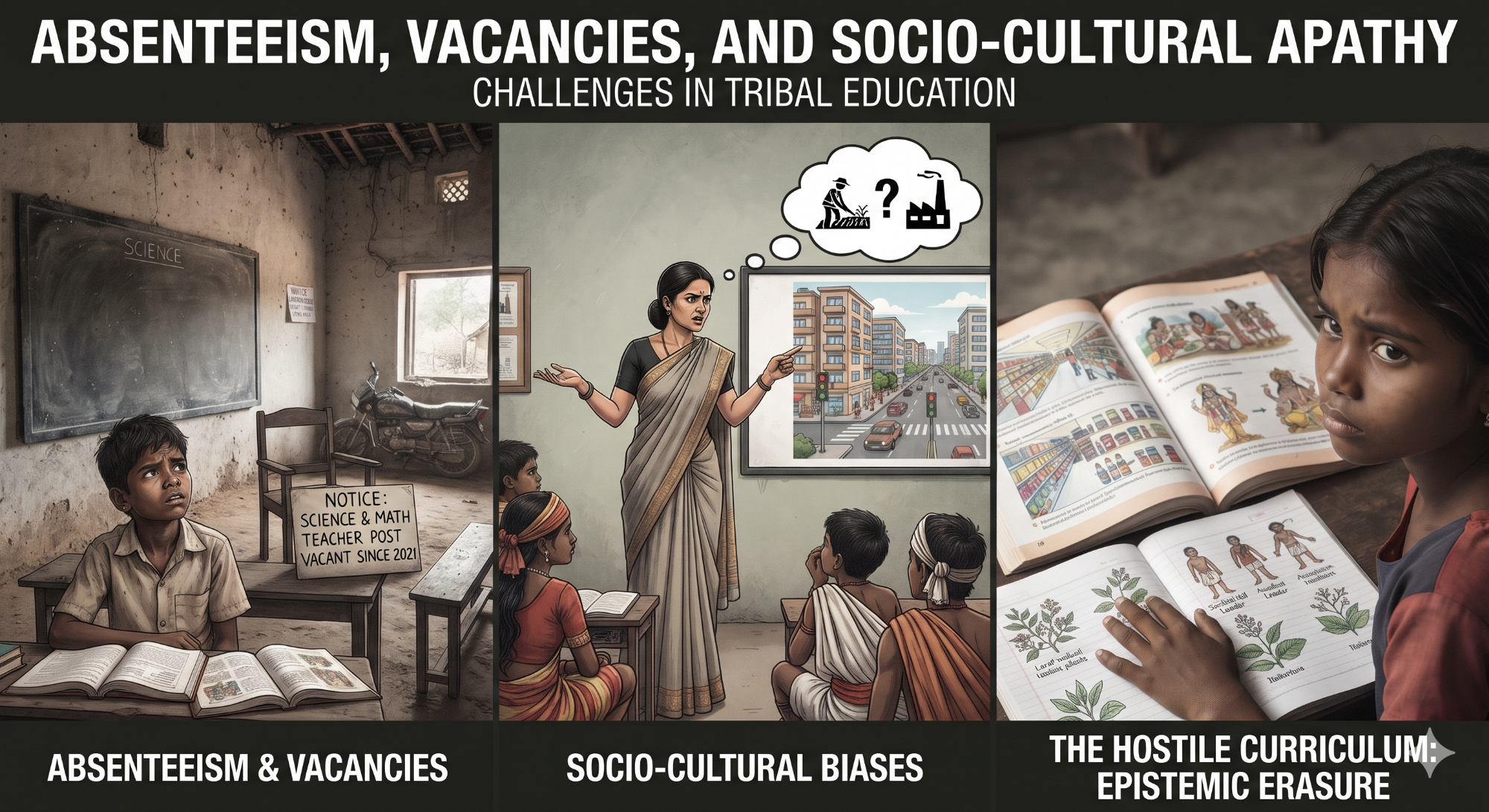
The Mother-Tongue Gap: Gorait children enter primary school speaking Sadri, Mundari, or regional village dialects. They are taught in standard Hindi or Bengali by non-tribal educators, creating comprehension barriers that drive high primary school dropout rates.
-
Infrastructural Deficits: Many tribal settlements rely on single-teacher schools lacking electricity, functional toilets for girls, and running water.
-
Child Labor Pressures: Families facing seasonal poverty often pull older children out of school to look after younger siblings, herd cattle, or migrate for work.
2. Chronic Malnutrition and Public Health Vulnerability
Gorait settlements face critical healthcare challenges:
-
Maternal and Child Undernutrition: High rates of maternal anemia and child stunting remain widespread. The traditional foraged diet—once rich in wild greens, tubers, small fish, and unpolished millets—has been largely replaced by subsidized, nutrient-poor polished rice.
-
Inaccessible Primary Health Infrastructure: Sub-Health Centers (SHCs) and Primary Health Centers (PHCs) often sit miles away across difficult terrain. They frequently suffer from absenteeism, medicine shortages, and a lack of emergency transportation.
-
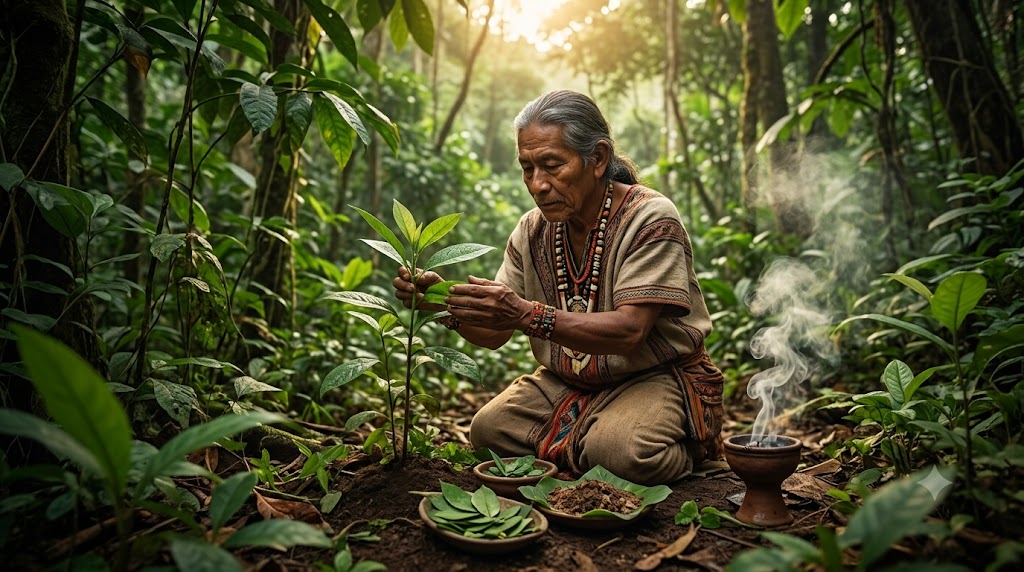
Reliance on Traditional Healers: While community herbalists (Ojha or Vaidya) hold deep botanical knowledge, delays in seeking modern medical intervention for curable illnesses—such as cerebral malaria, acute dysentery, tuberculosis, and respiratory infections—lead to avoidable deaths.
3. Land Alienation and the Collapse of Customary Tenures
The land security of the Gorait has eroded significantly over the past century:
-
Erosion of Service Grants: As traditional village councils transformed into statutory Panchayati Raj institutions, the customary role of the Gorait messenger disappeared. Consequently, many villages reclaimed or confiscated the Goraiti-khet lands granted to the community, pushing families into day-labor farming.
-
Documentary Vulnerability: Because customary landholdings were rarely recorded during colonial (Cadastral Survey) and post-independence (Revisional Survey) settlements, many Gorait families lack written land titles (Patta). Without documents, they are vulnerable to land-grabbing, illegal displacement, and exclusion from government agricultural credit.
7. Modern Pressures: Industrialization, Displacement, and Climate Change
Extractive Industries in the Chota Nagpur Heartland
The Chota Nagpur plateau contains some of India’s richest mineral deposits, producing iron ore, coal, bauxite, mica, and uranium. However, this mineral wealth has come at immense social and environmental cost to indigenous communities.
Open-cast coal mining, industrial corridors, and rail links have stripped large swaths of ancestral forest, polluted regional rivers like the Damodar and Subarnarekha, and displaced indigenous settlements. Minor tribes like the Gorait have faced the worst consequences of this industrialization:
-
They are rarely recognized as legitimate title-holders, leaving them ineligible for formal compensation or rehabilitation packages.
-
Displaced families drift into informal mining settlements, living in makeshift shanties on the perimeter of open-pit mines.
-
Men work dangerous, informal jobs in coal loading and transport, while women face unsafe labor conditions, air pollution, and groundwater contamination.
Seasonal Distress Migration
Lacking irrigated land, formal capital, or secure local employment, thousands of Gorait men, women, and youth migrate seasonally every year:
-
Destination Sectors: Migrants travel to brick kilns across Uttar Pradesh, Bihar, and West Bengal; highway construction sites in north India; or domestic and factory labor in southern cities like Bengaluru, Chennai, and Hyderabad.
-
Exploitative Middlemen (Sardars/Dalals): Families are often bound by predatory cash advances (dadan), forcing them to work long hours without basic safety gear, minimum wages, or accident insurance.
-
Social and Cultural Costs: Extended migration fragments village life, pulls children from school, and prevents younger generations from participating in ancestral festivals and seasonal rituals.
Forest Degradation and Climate Pressures
Traditional Gorait livelihood strategies depend on predictable seasonal cycles. Over the last two decades, climate change has produced erratic monsoons, protracted summer droughts, and unseasonal rains across eastern India.
Declining rainfall reduces wild yields of mahua, sal, and bamboo, stripping families of fallback food sources during lean summer months (Ashaad and Sawan). When these forest safety nets fail, families are pushed into food insecurity and debt traps with private moneylenders.
8. Cultural Assimilation, Identity Crisis, and Language Shift
The Decline of the Mother Tongue
The gradual erosion of traditional linguistic identity is an urgent cultural crisis facing the Gorait:
-
Assimilation into Lingua Francas: As fewer children learn the community’s ancestral language, Sadri, regional Hindi, and Bengali have become the dominant home languages across most settlements.
-
Disappearance of Oral Lore: When an indigenous dialect falls silent, a wealth of unwritten knowledge goes with it: oral genealogies, songs (Karam/Sarhul seren), herbal remedies, and traditional folklore passed down through generations.
-
Absence of Mother-Tongue Schooling: State curricula provide no educational material in the Gorait’s ancestral dialects, leaving youth disconnected from their linguistic roots.
Religious Shift and Internal Fragmentation
The spiritual identity of the Gorait is being reshaped by outside forces:
-
Sanskritization and Mainstream Hindu Influence: Over decades of close contact with non-tribal groups, many Gorait families incorporated regional deities, caste-based concepts, and rituals into their households. This has created a syncretic blend of animism and mainstream religious practices.
-
Christian Conversion Movements: Since the nineteenth century, Christian missions across Chota Nagpur provided schools, hospitals, and social mobility to marginalized tribes. A substantial share of the Gorait community converted to Lutheran, Roman Catholic, or Anglican traditions. While conversion expanded educational opportunities, it often detached families from traditional rituals like Sarhul, Karma, and clan ancestral rites (Ading).
-
The Sarna Code Debate: Today, many Gorait youth are joining wider Adivasi movements demanding official recognition of the Sarna Religious Code in the National Census. They argue that categorizing animist tribes under generic religious umbrellas erases their nature-based worldviews.
9. Legal Protections, Policy Frameworks, and Ground Realities
India has established robust constitutional and statutory frameworks designed to safeguard tribal land, culture, and self-governance. However, for vulnerable communities like the Gorait, the gap between legal policy and real-world enforcement remains wide.
Constitutional Protections
-
Fifth Schedule of the Constitution: Protects tribal lands and provides autonomous administrative structures across indigenous areas in Jharkhand and Odisha, restricting the sale of tribal land to non-tribal individuals.
-
Chota Nagpur Tenancy (CNT) Act (1908) & Santhal Parganas Tenancy (SPT) Act (1949): Historic land acts designed to prevent the alienation of Adivasi land through mortgage, sale, or fraudulent transfer. In practice, loopholes, administrative corruption, and forged legal documents have led to the loss of Gorait lands to urban developers and industrial projects.
-
SC/ST (Prevention of Atrocities) Act (1989): Intended to protect marginalized groups from caste-based violence, intimidation, and dispossession. Low literacy, high legal fees, and distant courts make this protection difficult for Gorait families to use effectively.
The Forest Rights Act (FRA), 2006
The Scheduled Tribes and Other Traditional Forest Dwellers (Recognition of Forest Rights) Act, 2006 was designed to right historical wrongs against forest communities by granting:
-
Individual Forest Rights (IFR): Titles to land cultivated inside forest boundaries prior to December 2005.
-
Community Forest Rights (CFR): Rights to access, harvest, and manage non-timber forest resources, water bodies, and grazing pastures.
-
Habitat Rights: Protections for vulnerable and indigenous communities over their ancestral domains.
Legislative Framework |
Statutory Promise |
Ground-Level Reality for the Gorait |
Forest Rights Act (FRA, 2006) |
Title rights to ancestral forest lands & NTFP |
High rejection rates; minimal CFR titles awarded |
PESA Act, 1996 |
Village-level sovereignty via Gram Sabhas |
Dominated by non-tribal elites; weak enforcement |
CNT & SPT Acts (Jharkhand) |
Strict ban on transferring tribal lands |
Circumvented through forged land leases & coercion |
MGNREGA Scheme |
100 days of guaranteed local wage employment |
Delayed wage payments; drives distress migration |
For the Gorait, the Forest Rights Act remains largely unfulfilled. Because they often live as a minority within multi-caste villages, local Forest Rights Committees (FRCs) are frequently dominated by more influential groups. Gorait claims for individual and community forest titles are often rejected due to missing paperwork, lack of GPS surveys, or unhelpful local forestry officials.
The PESA Act, 1996
The Panchayats (Extension to Scheduled Areas) Act, 1996 empowers village assemblies (Gram Sabhas) to manage natural resources, resolve local disputes, and approve any development work on tribal land.
However, because the Gorait are demographically small and dispersed, their voices are easily drowned out in multi-community Gram Sabhas. Without targeted, hamlet-level (Tola-level) assemblies, their specific land disputes, cultural sites, and livelihood needs are routinely sidelined.
10. A Strategic Roadmap for Sustainable Empowerment
Protecting the Gorait from demographic decline, extreme poverty, and cultural extinction requires an integrated, evidence-based development strategy. Policymakers, civil society organizations, tribal researchers, and community elders must work together on six core priorities.
1. Assessing PVTG Status and Targeted Enumeration
The central Ministry of Tribal Affairs, in partnership with the Tribal Welfare Research Institute (TRI) of Jharkhand, should commission an exhaustive demographic, economic, and health survey focused specifically on the Gorait.
If findings confirm their population stagnation, low literacy, and subsistence-level economy, the state should consider re-classifying the Gorait as a Particularly Vulnerable Tribal Group (PVTG). This designation would unlock targeted central funding, dedicated housing programs (PM-JANMAN), specialized food rations, and custom educational support.
2. Fast-Tracking Land Titles Under the Forest Rights Act
State administrations must organize dedicated legal aid camps across Gorait-inhabited blocks in Jharkhand, Bihar, and West Bengal to help families file Forest Rights claims:
-
Prioritize the recognition of Goraiti-khet and other customary service tenures.
-
Conduct transparent digital land surveys with satellite mapping to document Gorait claims before lands are lost to development.
-
Empower Gorait hamlets (tolas) to hold their own village assemblies under PESA, ensuring community control over local forests and water bodies.
3. Culturally Rooted Education
To lower dropout rates and build confidence among Gorait children, schools need culturally inclusive classrooms:
-
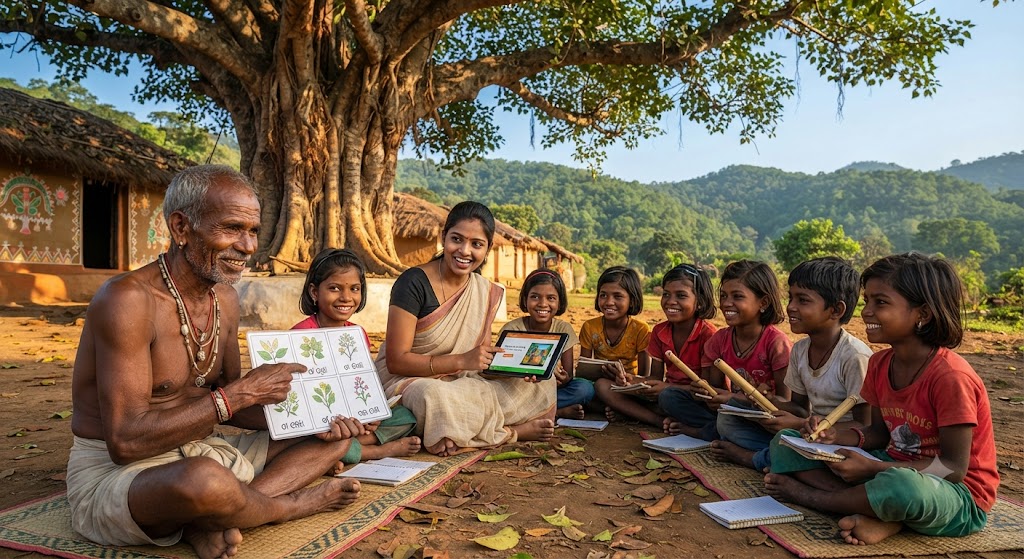
Multilingual Education (MLE): Develop early primary school readers and learning materials in regional Sadri and ancestral dialects, easing the transition to state-level languages.
-
Residential Ashram Schools: Expand access to Eklavya Model Residential Schools (EMRS) and Kasturba Gandhi Balika Vidyalayas (KGBVs) for Gorait boys and girls, removing the burden of school expenses for impoverished families.
-
Culturally Sensitive School Calendars: Adapt local school schedules around traditional harvest and festival seasons to prevent students from falling behind when helping their families.
4. Improving Community Health and Nutrition
Tackling chronic health problems requires accessible, culturally respectful medical care:
-
Mobile Health Clinics: Send regular medical vans into remote plateau villages to treat recurring conditions like malaria, tuberculosis, and anemia.
-
Reviving Traditional Nutritious Foods: Partner with local anganwadis to reintroduce indigenous millets (marua/kodo), wild greens, and pulses into school lunch programs.
-
Empowering Indigenous Health Workers: Train and support Gorait women as accredited social health activists (ASHAs), building a trusted bridge between traditional communities and primary health centers.
5. Fair-Trade Support for Traditional Crafts and Music
The Gorait’s traditional skills in leatherwork, drum-making, and musical performance can be developed into sustainable livelihood sources:
-
Artisan Cooperatives: Help Gorait instrument-makers form registered cooperatives or Self-Help Groups (SHGs) under the Tribal Co-Operative Marketing Development Federation of India (TRIFED).
-
Eliminating Middlemen: Connect artisans directly to national cultural centers, world music circuits, and urban craft expos, ensuring fair prices for their drums and bamboo crafts.
-
Pensions for Master Artists: Create state-level cultural pensions for aging Gorait musicians and oral storytellers to honor and sustain their living traditions.
6. Archiving Oral History and Living Culture
Preserving Gorait heritage requires active digital and community archiving:
-
Community-Led Audio-Visual Projects: Provide Gorait youth with digital tools to record village elders’ ancestral songs, folktales, herbal knowledge, and clan histories.
-
Cultural Revival Hubs: Support community spaces at local village dancing arenas (Akhras), encouraging elders to teach younger generations traditional drum rhythms, instrument craft, and oral literature.
Conclusion: Respecting the Heralds of the Forest
The story of the Gorait tribe captures both the quiet resilience and the profound vulnerabilities of India’s smallest indigenous communities. For generations, they anchored eastern India’s village life—carrying vital news across river basins and forests, guarding village lands, and providing the percussive heart for agricultural and spiritual celebrations.
Today, the Gorait find themselves largely overlooked by the modern economy, stripped of traditional responsibilities and pushed to the margins of fast-growing industrial regions.
Ensuring a fair, dignified future for the Gorait requires more than basic charity or one-size-fits-all welfare programs. It demands real structural commitment: securing their ancestral lands, protecting their communal forests, building culturally inclusive schools, and honoring their unique place in India’s living cultural heritage.
Preserving vulnerable communities like the Gorait is vital to maintaining the diverse cultural and ecological fabric of India itself. The heralds who carried the voices of Chota Nagpur for centuries must not be allowed to fade into silence.
