
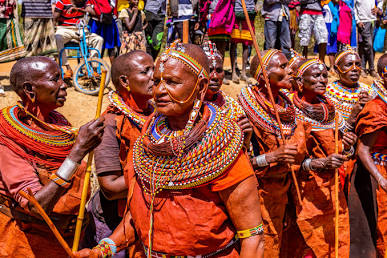
Samburu men around in traditional red ochre
Thank you for reading this post, don't forget to subscribe!1. Historical Origins and Linguistic Roots:
The Split from the Maasai and Demographic and Geographic Distribution
According to recent demographic surveys and census updates by the Kenya National Bureau of Statistics (KNBS), the Samburu population is estimated to be approximately 310,000 to 350,000 individuals. They primarily inhabit Samburu County, which spans an area of roughly 21,000 square kilometers. This arid to semi-arid zone receives erratic annual rainfall ranging between 250mm and 500mm, making sustained agriculture nearly impossible and cementing pastoralism as an absolute prerequisite for survival.
2. The Architecture of Gerontocracy: Age-Sets and Social Control
At the heart of Samburu society lies one of the most sophisticated, rigid systems of gerontocracy (rule by elders) documented in anthropological literature. Unlike societies where political power is centralised in a monarch or elected parliament, Samburu governance is distributed across a cyclical continuum of age grades (nkarna).
The Age-Set Cycle (Latia)
Every male member of Samburu society is initiated into a generational age-set (nkishon) during adolescence, typically through a rite of passage involving circumcision. This transition catapults boys into the revered and feared status of Moran (junior and senior warriors), a phase lasting roughly 14 to 15 years.
| Age-Grade Stage | Approximate Age Range | Primary Societal Responsibilities |
| Laisaik (Boys) | 0 – 14 years | Herding small livestock (goats and sheep near the homestead) |
| Moran (Warriors) | 15 – 30 years | Community defense, livestock raiding protection, cattle tracking, cultural preservation |
| Lpayiani (Elders) | 30+ years | Tribal governance, judicial arbitration, ritual blessings, marital leadership |
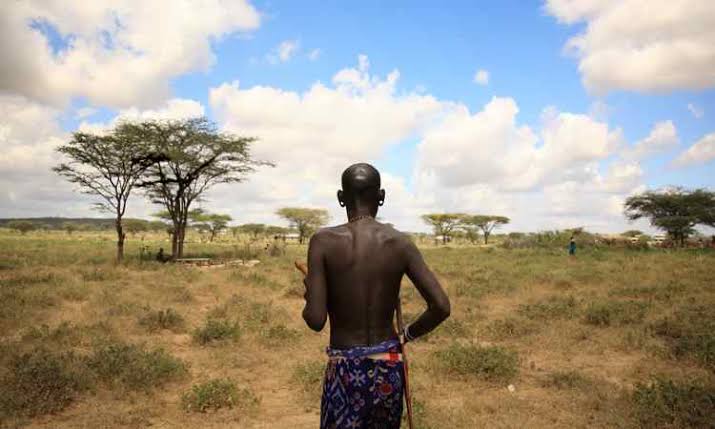
Pastoral mobility remains the local
3. Ethno-Veterinary Science and Arid Ecology:
The Nomadic GeniusWhile outsiders often view nomadic pastoralism as an archaic mode of subsistence, modern ecological research proves it to be a masterclass in sustainable environmental management. Samburu herders manage a multi-species livestock portfolio comprising cattle (ng’ombe), dromedary camels (nyiri), sheep (ukwata), goats (ndame), and donkeys (sikiria).
The Five-Species Strategy
Each animal species serves a distinct ecological and nutritional function:
- Cattle provide high-volume milk and social currency, but are vulnerable to drought.
2. Camels act as biological drought insurance; they can go up to 21 days without water during dry spells and browse on thorny acacia vegetation that cattle cannot reach.
4. Donkeys bear the heavy logistical burden of transporting mobile huts (nkang) during seasonal migrations.
Indigenous Veterinary Medicine
Unpublished field studies in ethnobotany reveal that Samburu herders possess an advanced taxonomy of animal diseases and plant remedies that rivals modern veterinary pharmacology. When livestock contract tick-borne diseases or gastrointestinal parasites, herders do not rely on synthetic pharmaceuticals. Instead, they utilize precise decoctions harvested from indigenous flora:
- Acacia tortilis bark extracts are used to treat livestock inflammation and open wounds.
- Salvadora persica (toothbrush tree) roots and leaves are administered to combat internal parasites.
- Crushed roots of Myrrh species (Commiphora) serve as powerful antiseptics applied directly to livestock lesions.
Nutritional tracking indicates that during severe dry seasons, Samburu herders subsist almost entirely on a specialized blend of fresh cow milk and raw cattle blood (nkiri), extracting essential iron, sodium, and proteins without slaughtering their primary capital assets.
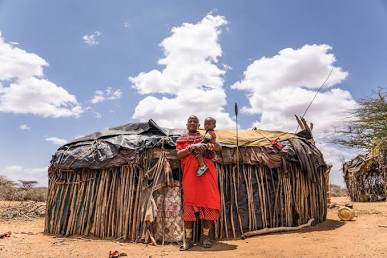
The Mannyata : circular homesteads designedb
4. Spatial Organization and Gender Dynamics: Inside the Manyatta
The Samburu settlement, known as a Manyatta (nkang), is a triumph of communal architecture and defensive engineering. Built in a circular configuration, the village is enclosed by a formidable perimeter fence woven from thick, razor-sharp acacia branches. This living barrier is specifically designed to deter nocturnal predators such as leopards, spotted hyenas, and lions (simba).
Architectural Layout and Gender Roles
Inside the Manyatta, every hut (lkishumu) is constructed by women using a lattice of flexible branches plastered with a dense mixture of mud, animal dung, and ash. The layout is strictly egalitarian yet sharply defined by gender and marital hierarchy:
- Women’s Autonomy: Samburu women hold absolute ownership over the construction, maintenance, and interior space of their huts. Within domestic spaces, women manage milk distribution quotas, decide when milking occurs, and control small-stock assets given to them by male relatives.
- The Fireplace (Eret): At the center of each hut burns the hearth, which serves as the spiritual and social focal point where mothers instruct children in oral history, clan lineages, and moral codes (Laikipiak ethics).
The Complex Dynamics of Nkai (God) and Spirituality
Samburu cosmology centers on Nkai, a singular, gender-neutral supreme deity associated with the sky, rain, and creation. Nkai is omnipotent and distant, accessed primarily through ritual intermediaries known as Laibon (ritual experts and seers).
Anthropological archives note that unlike neighboring communities, Samburu prayer rituals emphasize ecological reciprocity. Rainmaking ceremonies (Ngai ya Lama) involve communal chanting, ritual anointing with sacred white clay (enturoto), and milk libations poured onto the roots of ancient fig trees (Olaimurunji), which are revered as sacred conduits between earthly supplicants and the celestial realm.
Samburu women hold absolute ownership over the construction, maintenance, and interior space of their huts. Within domestic spaces, women manage milk distribution quotas, decide when milking occurs, and control small-stock assets given to them by male relatives.
The Fireplace (Eret): At the center of each hut burns the hearth, which serves as the spiritual and social focal point where mothers instruct children in oral history, clan lineages, and moral codes (Laikipiak ethics).
The Complex Dynamics of Nkai (God) and Spirituality
Samburu cosmology centers on Nkai, a singular, gender-neutral supreme deity associated with the sky, rain, and creation. Nkai is omnipotent and distant, accessed primarily through ritual intermediaries known as Laibon (ritual experts and seers).
Anthropological archives note that unlike neighboring communities, Samburu prayer rituals emphasize ecological reciprocity. Rainmaking ceremonies (Ngai ya Lama) involve communal chanting, ritual anointing with sacred white clay (enturoto), and milk libations poured onto the roots of ancient fig trees (Olaimurunji), which are revered as sacred conduits between earthly supplicants and the celestial realm.
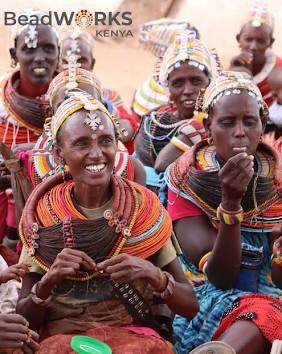
Geometric Beadwork encodes special status
5. The Semiotics of Color: The Language of Samburu Beadwork
Among the most visually striking elements of Samburu culture is their exquisite beadwork (mporror). Unlike Western fashion, where accessories are purely aesthetic, Samburu beadwork functions as a complex, visual non-verbal communication system. Every necklace, earring, and headdress encodes precise sociological data: age-grade status, clan affiliation, romantic availability, and wealth.The Color LexiconMaster beadwork artisans—exclusively women—utilize a strict palette of colors, each carrying profound symbolic weight:
- Red (Kirot’ok): Represents bravery, blood, and unity. It is the dominant color worn by warriors and signifies the life force of the community.
- White (Nanyokie): Symbolizes milk, purity, health, and peace. White beads are prominently featured in wedding ceremonies and blessing rituals.
- Blue (Nyokie): Represents the sky and water, praying for the rainfall necessary to sustain pasturelands.
- Yellow/Orange (Nanyokie l’orika): Symbolizes the sun, fertility, and hospitality, often welcoming guests to the Manyatta. Historical trade records indicate that glass beads arrived in northern Kenya via coastal Swahili and Arab trade caravan routes as early as the 19th century, replacing traditional materials such as seeds, clay, carved bone, and ostrich eggshells. Today, intricate wide collars (lhale) worn by women can weigh several kilograms, requiring specialized neck muscles developed from childhood.
6. Oral Literature, Music, and Kinesthetic Heritage
In the absence of written indigenous scripts, the Samburu preserve their legal codes, historical migrations, botanical knowledge, and genealogical tables through a rich tapestry of oral literature, chant, and kinesthetic performance.
The Physics and Poetry of the Jumping Dance
The most famous kinetic expression of Samburu culture is the jumping dance (adumu variant), performed by the Moran. Standing in a tight circle, warriors take turns springing vertically into the air from a dead stop, maintaining an upright, rigid posture while singing deep, rhythmic guttural harmonies (Namba).
Biomechanical and anthropological analyses show that this dance is not merely performative entertainment:
1. Physical Conditioning: It tests the explosive leg power, cardiovascular stamina, and agility required for tracking predators and defending livestock.
2. Courtship Signaling: During community gatherings (Ntyep), unmarried women evaluate the height, endurance, and grace of leaping warriors, subtly selecting potential suitors based on athletic performance.
Musical Taxonomy
Samburu music is entirely vocal and percussive, categorized by ritual context:
A. Lkishuro: Lullabies and milking songs sung by women to calm cattle and establish a tranquil pastoral environment.
B. Senteu: Heroic epic chants performed by returning warriors detailing livestock raids, predator confrontations, and survival exploits across hostile terrain.
C. Nkishon Songs: Solemn processional hymns sung during life-cycle transitions, reminding initiates of the enduring burden of tribal stewardship.
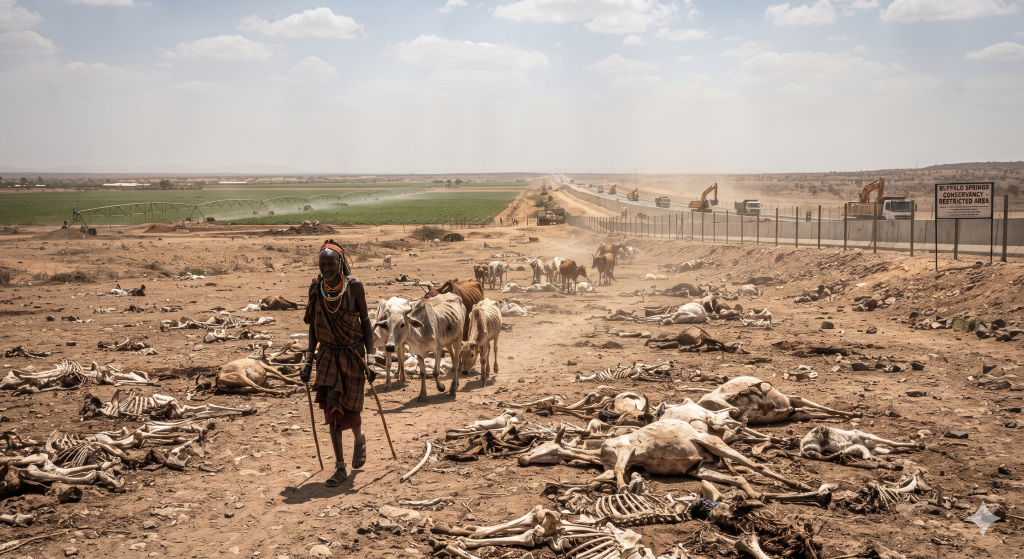
7. KoiContemporary Challenges: Climate Shocks, Land Tenure, and Cultural Adaptation
As the 21st century unfolds, the Samburu find themselves at a perilous crossroads between ancestral isolation and global integration. Climate change, geopolitical boundary pressures, and modernization are testing the resilience of this ancient society.
The Crisis of Climate Volatility
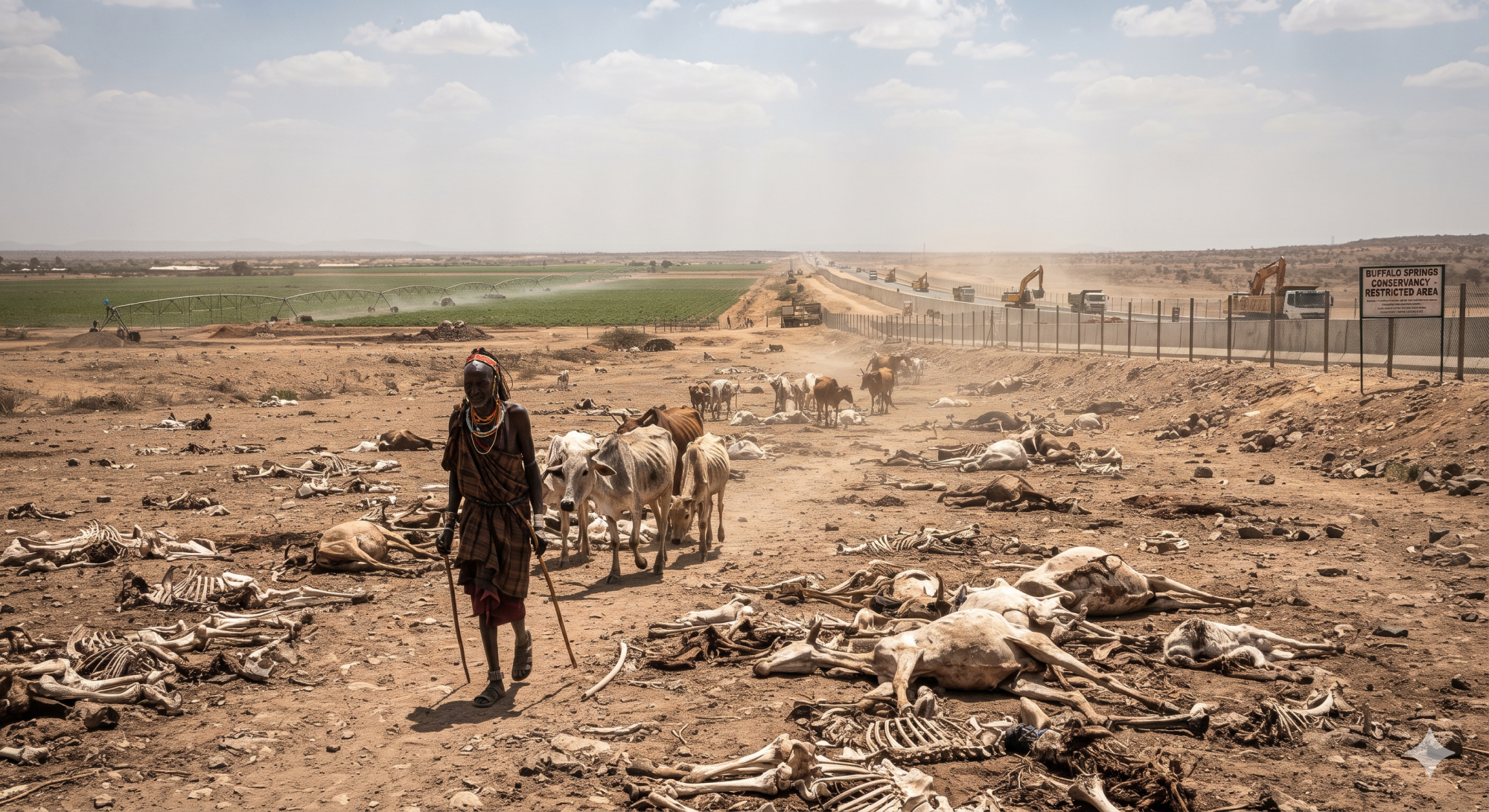
Meteorological data from East Africa indicates that northern Kenya is warming at a rate significantly higher than the global average. Severe, recurring droughts—such as the devastating multi-year dry spells recorded between 2020 and 2024—have decimated livestock herds, with mortality rates in cattle exceeding 60% in vulnerable pastoral districts. Traditional migratory routes (Arid Grazing Reserves) have been disrupted by commercial agricultural expansion, wildlife conservancies, and infrastructure projects like the Lamu Port-South Sudan-Ethiopia-Transport (LAPSSET) corridor.
Land Tenure Transformations and Community Conservancies
To combat environmental degradation and poaching while securing sustainable revenue, innovative conservation models have emerged across Samburu County. Indigenous-led community conservancies, such as Westgate, Kalama, and Namunyak, cover hundreds of thousands of hectares. These initiatives allow the Samburu to:
A. Reintroduce sustainable grazing rotations (Dichapo resting zones).
B. Partner with ecotourism enterprises to generate direct community employment and scholarship funds.
C. Protect endangered wildlife species, including Grevy’s zebras, reticulated giraffes, and African wild dogs, proving that indigenous pastoralism and wildlife conservation can coexist harmoniously.
Education and the Digital Frontier
Formal education has introduced a profound duality into Samburu households. While boarding schools equip younger generations with literacy, numeracy, and professional skills to navigate the Kenyan formal economy, they temporarily sever children from traditional pastoral apprenticeships. Progressive community leaders are actively working to bridge this gap, integrating indigenous ecological knowledge into school curricula and utilizing digital media to document endangered oral histories before elder wisdom fades.
Conclusion: The Enduring Legacy of the Lokop
The Samburu Tribe is far more than a cultural artifact frozen in time; they are dynamic, adaptive architects of survival in one of the planet’s most unforgiving environments. Through their sophisticated age-set governance, sustainable pastoral ecology, intricate semiotic beadwork, and deep spiritual reverence for the land, the Samburu maintain a vital bridge to humanity’s deep past.As Kenya and the wider world grapple with ecological uncertainty, the custodianship of the Samburu offers an invaluable masterclass. They remind us that true heritage is not merely preserved in museums or textbooks, but lived daily through respect for nature, communal solidarity, and the courage to stand tall against the changing winds of time.
