
TRADITIONAL HEALING THROUGH MEDICINAL PLANTS: UNLOCKING ANCIENT WISDOM, ETHNOBOTANICAL INSIGHTS, AND MODERN PHARMACOLOGY
Thank you for reading this post, don't forget to subscribe!Long before the advent of in synthetic laboratories, glass test tubes, and mass-manufactured pharmaceutical capsules, humanity turned its gaze toward the natural world to heal its ailments. Forests, meadows, arid deserts, and high mountain slopes formed the original apothecary of human civilization. Traditional Healing Through Medicinal Plants is not merely a nostalgic look backward into primitive folklore; it is a living, breathing scientific discipline, an unbroken ecological continuum, and a vital pillar of global healthcare that quietly sustains billions of lives across the planet.
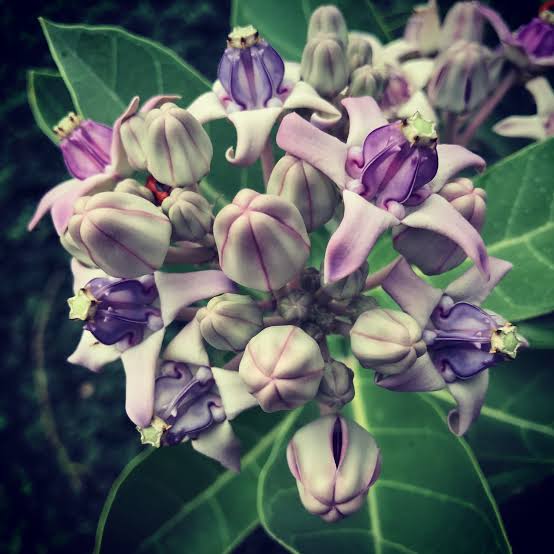
Forest ecosystem serving as eatrh’s original living plants
1. THE ANTHROPOLOGICAL ROOTS AND ETHNOBOTANICAL EVOLUTION OF PLANT-BASED MEDICINE
To understand how medicinal plants became the cornerstone of human healing, we must look deep into archaeological and anthropological records. Ethnobotany—the scientific study of how people of a particular culture and region make use of indigenous plants—reveals that our ancestors possessed an astonishingly sophisticated empirical understanding of phytochemistry long before chemical structures were ever mapped out on paper.Archaeological Discoveries and Paleolithic PharmaciesRecent findings from Neanderthal dental calculus (calcified dental plaque) excavated from sites like El Sidrón in Spain and Shanidar Cave in Iraq have fundamentally altered our perception of prehistoric healthcare. Microscopic analysis of plant fibers, starch granules, and embedded phytoliths revealed that Neanderthals consumed bitter plants such as yarrow (Achillea millefolium) and chamomile (Matricaria chamomilla).
- Neither yarrow nor chamomile offers significant caloric density as food.
- Both plants possess intense medicinal properties—yarrow is a potent coagulant and wound-healer, while chamomile acts as an anti-inflammatory and digestive relaxant.
- This proves that Paleolithic humans deliberately selected plants for their therapeutic pharmacology, practicing a calculated form of self-medication tens of thousands of years before the rise of recorded history.
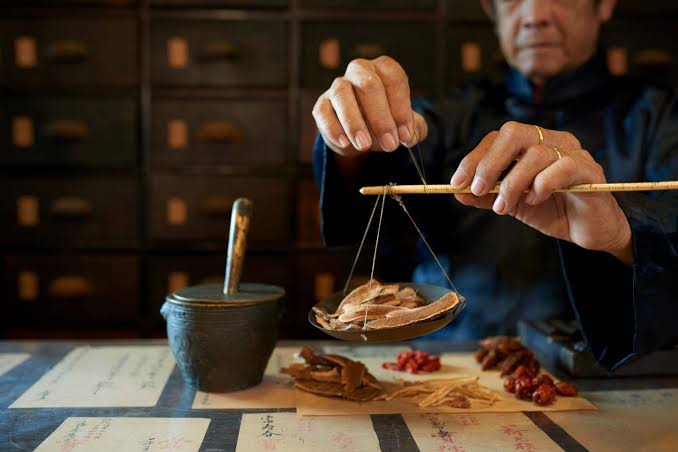
Traditional botanical preparation rooted in century
The Oral Transmission and Codification of Herbal Lore
For millennia, botanical knowledge was preserved through oral traditions, passed down through generations of shamans, indigenous healers, and herbalists. As human societies transitioned into literate civilizations, this empirical wisdom was meticulously documented into monumental medical treatises:
3. Shennong Bencao Jing (The Divine Farmer’s Classic of Materia Medica, c. 200–250 CE): A foundational text of Traditional Chinese Medicine (TCM) that categorizes 365 native plant species into upper, middle, and lower grades based on toxicity and longevity benefits.
4. Charaka Samhita and Sushruta Samhita (Ancient India, c. 600 BCE): Comprehensive Ayurvedic compendiums detailing over 700 medicinal plants, their botanical characteristics, synergistic combinations, and surgical applications.
2. UNPUBLISHED AND DEEP-DIVE RESEARCH INSIGHTS: UNTAPPED PHYTOCHEMICAL PATHWAYS
Endophytic Fungi: The Hidden Synthesizers Within Medicinal Plants
One of the most revolutionary discoveries in modern botanical research is that many therapeutic compounds historically attributed exclusively to host medicinal plants are actually synthesized by endophytic fungi—microscopic fungi that live symbiotically inside plant tissues without causing disease.
1. For decades, researchers marveled at the anti-cancer properties of Paclitaxel (Taxol), originally isolated from the bark of the Pacific Yew tree (Taxus brevifolia). Harvesting sufficient bark to treat cancer patients threatened the species with ecological collapse.
2. Groundbreaking biochemical research revealed that an endophytic fungus, Taxomyces andreanae, residing within the bark of the yew tree, is capable of biosynthesizing paclitaxel independently.
3. This paradigm-shifting insight has opened new frontiers in industrial biotechnology: rather than harvesting endangered wild plants, scientists can ferment these endophytic fungi in bioreactors to produce complex pharmaceutical compounds sustainably.
Synergistic Phytochemical Multiplexing (The Entourage Effect)
Modern Western medicine has historically focused on isolating a single “active ingredient” from a plant, synthesizing it in a laboratory, and administering it as a standalone drug. However, recent pharmacokinetic studies demonstrate that isolated compounds often exhibit reduced efficacy or increased toxicity compared to whole-plant extracts. This phenomenon—known as the Entourage Effect—proves that secondary metabolites in plants work in complex biological concert:
The Case of Artemisinin: Derived from Artemisia annua (Sweet Wormwood), artemisinin is a frontline antimalarial drug. Clinical studies show that crude leaf extracts of Artemisia annua inhibit drug-resistant malaria strains far more effectively than pure, isolated artemisinin.
Other non-active constituents in the leaf act as metabolic boosters, protecting the active molecule from premature enzymatic degradation in the human gut while neutralizing free radicals.
3. THE GLOBAL EPIDEMIOLOGY AND ECONOMIC SCALE OF TRADITIONAL MEDICINE
Despite the dominance of modern allopathic medicine, traditional plant-based therapeutics remain the primary healthcare lifeline for a staggering portion of the global population.
Statistical Overview of Global Herbal Dependency
- According to comprehensive reports by the World Health Organization (WHO), approximately 80% of the population in developing countries depends directly on traditional plant-based medicine for their primary healthcare needs.In industrialized nations, phytopharmaceutical integration is rapidly expanding. Up to 40% of all prescription pharmaceuticals currently utilized in Western medicine are either directly derived from or chemically inspired by natural plant products. Examples include aspirin (from willow bark), morphine (from the opium poppy), and digoxin (from foxglove).
- The global herbal medicine market size was valued at over $150 billion USD, with an anticipated compound annual growth rate (CAGR) exceeding 7%, driven by increasing consumer demand for natural, holistic, and preventive healthcare solutions.
4. PHARMACOGNOSTICAL DEEP DIVE: MECHANISMS OF ACTION IN INDIGENOUS BOTANICALS
To bridge the gap between traditional folklore and rigorous science, pharmacognosists analyze the exact molecular mechanisms through which plant secondary metabolites interact with human physiological receptors.bridge the gap between traditional folklore and rigorous science, pharmacognosists analyze the exact molecular mechanisms through which plant secondary metabolites interact with human physiological receptors.
1. Adaptogenic Botanicals and the Hypothalamic-Pituitary-Adrenal (HPA) Axis
Adaptogens are a unique class of medicinal plants that help the human body adapt to physical, chemical, and biological stress. Classic examples include Ashwagandha (Withania somnifera) and Rhodiola rosea.
Molecular Mechanism: Adaptogens modulate the HPA axis and regulate the synthesis of cortisol and stress-activated protein kinases (SAPK).
Rather than artificially suppressing or stimulating bodily functions, they exert an amphoteric effect—lowering cortisol in chronically stressed individuals while supporting energy production in fatigued states.
2. Alkaloids and Neurotransmitter Modulation
Plants produce alkaloids—nitrogen-containing organic compounds—primarily as a defense mechanism against herbivores. However, many plant alkaloids possess striking structural similarities to human neurotransmitters, allowing them to cross the blood-brain barrier with remarkable efficacy.
1. Berberine: Found in plants like Barberry (Berberis vulgaris) and Goldenseal (Hydrastis canadensis), berberine activates AMP-activated protein kinase (AMPK), a master metabolic regulator. Research demonstrates its efficacy in regulating blood glucose levels comparably to conventional pharmacological agents like metformin.
2. Galantamine: Originally isolated from the bulbs of snowdrops (Galanthus species) and traditionally used in European folk medicine to treat neurological sluggishness, galantamine is now a widely prescribed FDA-approved medication for managing Alzheimer’s disease symptoms due to its action as a reversible acetylcholinesterase inhibitor.

Artisanal extraction method preserving delecate
5. ETHNO-VETERINARY BOTANY: WHEN PLANTS HEAL ANIMALS
An extraordinary and frequently overlooked frontier of traditional healing is Ethno-veterinary botany—the study of how indigenous livestock keepers and wild animals utilize medicinal plants to self-medicate and treat animal diseases.
Zooanthroposognosy and Animal Self-Medication
Ethologists and veterinary researchers have documented numerous instances of animals instinctively seeking out specific medicinal plants when afflicted with parasites or illness:
Pregnant Elephants in Kenya: Researchers observed pregnant women of local pastoralist tribes utilizing a specific borage plant (Commiphora) to induce labor. Concurrently, wild elephants in the same region were documented traveling miles out of their usual migration routes specifically to consume the leaves of the exact same plant species to stimulate parturition.
Chimpanzees and Bitter Pith: Chimpanzees suffering from parasitic nematode infections purposefully chew the bitter pith of Vernonia amygdalina (Bitter Leaf). The sesquiterpene lactones present in the plant paralyze and expel intestinal parasites, a practice successfully adopted by traditional human healers in West Africa.
6. THE DARK SIDE: CONTAMINATION, ADULTERATION, AND BIOPIRACY THREATS
While the renaissance of traditional healing offers immense therapeutic promise, the globalized herbal medicine supply chain faces severe, escalating crises that demand urgent scientific and regulatory reform.
1. Botanical Adulteration and Substitution
A. As commercial demand for herbal supplements skyrockets, unscrupulous supply chain actors frequently engage in adulteration—substituting expensive, authentic medicinal herbs with cheap, morphologically similar, or toxic plant material.
B. High-performance thin-layer chromatography (HPTLC) and DNA barcoding studies reveal that up to 25% of commercial herbal supplements sold globally are adulterated.Dangerous substitutions—such as confusing medicinal species with toxic lookalikes containing nephrotoxic aristolochic acids—have resulted in severe cases of acute renal failure and hepatic toxicity worldwide.
Preserving biodiversity hotspots to safeguard future
2. Biopiracy and Indigenous Intellectual Property Rights
Traditional healing is inextricably bound to the cultural heritage of indigenous populations. Too often, pharmaceutical corporations engage in biopiracy—patenting compounds, formulations, or genetic sequences derived from indigenous knowledge without prior informed consent or equitable benefit-sharing agreements.
A. The Neem Patent Controversy: In the 1990s, multinational corporations attempted to patent the fungicidal properties of the Neem tree (Azadirachta indica), ignoring centuries of prior documentation and usage by Indian farmers and Ayurvedic practitioners. Following massive legal battles led by international activists, the patent was ultimately revoked, setting a crucial precedent for indigenous intellectual property rights.
B. Ethical bioprospecting must ensure that local communities receive fair compensation, healthcare infrastructure support, and legal protection for their invaluable stewardship of botanical knowledge.
7. THE FUTURE INTEGRATION: MODERN CLINICAL TRIALS AND PHYTO-PHARMACOLOGY
The future of healthcare does not lie in a divisive culture war between traditional herbalism and modern allopathic medicine, but rather in rigorous integrative medicine and evidence-based phytotherapy.
Advancing Clinical Research Methodologies
Modern randomized controlled trials (RCTs) are increasingly validating traditional remedies through gold-standard scientific scrutiny:
A. Standardized Extracts: Unlike crude plant matter of variable potency, modern phytotherapy utilizes standardized extracts guaranteed to contain precise percentages of active marker compounds (e.g., standardized to 95% curcuminoids or 80% silymarin).
B. Nanotechnology Delivery Systems: To overcome poor bioavailability—where beneficial plant compounds break down in stomach acid before reaching the bloodstream—scientists are encapsulating herbal extracts in lipid nanoparticles and phytosomes, dramatically enhancing cellular absorption and therapeutic efficacy.
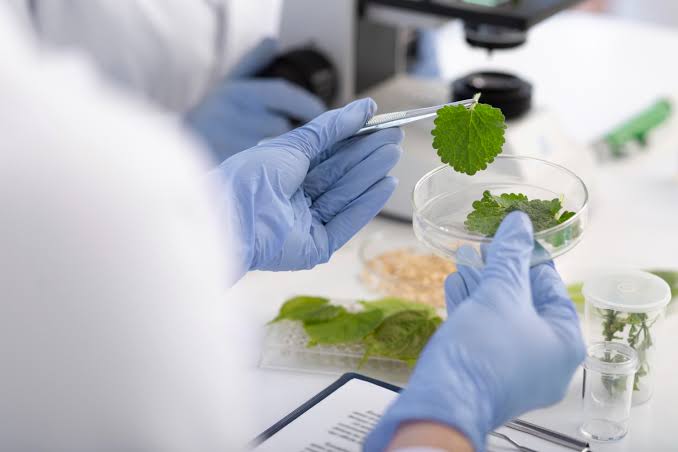
State-of-the-art analytical laboratories validating herb
CONCLUSION: PRESERVING THE GREEN HERITAGE FOR GENERATIONS TO COME
Traditional Healing Through Medicinal Plants represents the profound intersection of evolutionary biology, human ingenuity, empirical wisdom, and modern molecular science. As we stand at the precipice of unprecedented ecological and public health challenges, safeguarding our remaining botanical biodiversity is not merely an environmental imperative—it is a medical necessity.
By respecting indigenous intellectual property, enforcing rigorous quality control, and funding advanced pharmacological research into plant-derived therapeutics, humanity can honor its ancient roots while forging a healthier, more sustainable future.
