
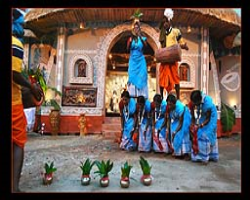
The Patar Tribe of Jharkhand: Identity, Heritage, Human Development, and the Fight for Recognition in Modern India
The Chotanagpur plateau in eastern India is one of South Asia’s most enduring cradles of indigenous civilisation Patar Tribe. Across its red-soil forests, undulating hills, and terraced valleys, numerous Adivasi communities have nurtured distinct philosophies of ecological stewardship, ancestral reverence, and collective living for millennia. Among these indigenous groups, the Patar tribe (historically recognised as the Patar Mundas or Tamaria Mundas) represents a fascinating case study in tribal ethnography, sociocultural resilience, and modern administrative struggle.
Thank you for reading this post, don't forget to subscribe!Inhabiting primarily the Tamar, Bundu, Sonahatu, and Arki tracts of Ranchi and Khunti districts, as well as adjoining belts in Saraikela-Kharsawan and Purulia, the Patars bridge ancient Austro-Asiatic roots with regional borderland dynamics. Despite their cultural richness, they remain among the most underreported indigenous groups in mainstream academic and popular discourse.
1. Who Are the Patars? Anthropological Roots and Identity
The identity of the Patar community has been documented by classic Indian ethnographers and constitutional jurists alike. In authoritative monographs on the tribes of Bihar and Jharkhand—including pioneering work by Sarat Chandra Roy (The Mundas and Their Country) and anthropologist Dr. Sachchidananda (Profiles of Tribal Culture in Bihar)—the Patars are recognised as an integral sub-branch of the great Munda ethnic group.
The Division of the Mundas: Mahali Mundako and Kompat Mundako
Anthropologically, the larger Munda community historically divided into two primary regional and cultural divisions:
-
The Kompat Mundako: Regarded colloquially as the younger or mainline branch, forming the demographic majority across the central Ranchi, Khunti, and Murhu plateaus.
-
The Mahali Mundako (The Patars): Frequently referred to in the Tamar and Panch Pargana regions as the elder branch. Over centuries of dwelling in the Tamar valley along the transition zone toward West Bengal and Odisha, these people came to be known interchangeably as Patars, Patar Mundas, or Tamarias.
                     ┌──────────────────────────────────────────────┐
                     │            Munda Tribal Horizon              │
                     └──────────────────────┬───────────────────────┘
                                            │
               ┌────────────────────────────┴───────────────────────────┐
               ▼                                                        ▼
    ┌───────────────────────┐                               ┌───────────────────────┐
    │    Kompat Mundako     │                               │    Mahali Mundako     │
    │  (Central Chotanagpur)│                               │ (Tamar / Panch Pargana│
    │                       │                               │       Branch)         │
    └───────────────────────┘                               └───────────┬───────────┘
                                                                        │
                                                            Known historically as:
                                                            • Patar
                                                            • Patar Munda
                                                            • Tamaria
Geographic Concentration
The traditional homeland of the Patar tribe spans the southeastern rim of the Chotanagpur plateau. Known locally as the Panch Pargana area (comprising Tamar, Bundu, Rahe, Sonahatu, and Silli), this region is characterised by lush Sal (Shorea robusta) forests, rolling uplands, and the drainage systems of the Kanchi, Raru, and Subarnarekha rivers.
Living at the crossroads of Mundari-speaking plateaus and the Manbhum Bengali/Kudmali cultural sphere, the Patars developed an ethnolinguistic identity marked by both Austro-asiatic ancestry and distinct regional adaptations.
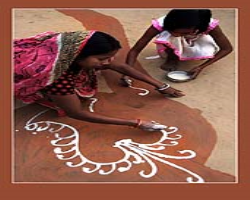
2. Social Organisation, Kinship, and Village Governance
Like their broader Munda brethren, the Patars organise their social existence around ancestral bloodlines, clan territoriality, and customary grassroots democracy.
The Killi (Totemic Exogamous Clans)
Patar social structure relies on the Killi (clan system). A Killi is strictly exogamous: no Patar individual can marry within their own clan. Every Killi is linked to a sacred totem—typically an animal, bird, plant, or natural phenomenon:
| Killi (Clan) Name | Totemic Symbol | Associated Dietary/Behavioural Taboo |
| Baa | Freshwater Fish | Members are barred from killing or consuming this specific fish. |
| Horo / Kachhua | Tortoise | Revering the creature; causing it harm brings spiritual misfortune. |
| Nag / Tiru | Serpent / Bird | Prohibited from hunting, harming, or stepping upon the totemic creature. |
| Kandir / Purthi | Indigenous Flora / Trees | Felling or burning specific sacred trees is strictly taboo. |
These totems serve as ancient ecological conservation mechanisms, ensuring that no single species in the surrounding ecosystem is hunted or harvested to extinction. Lineage among Patars is patrilineal, with clan inheritance running from father to son.
The Sasandiri: Memorial Stone Slabs
The spiritual and political identity of any Patar family is bound to the Sasan (the ancestral bone-burial ground). After an individual passes away and funeral rites conclude, the bones are washed and interred beneath a massive horizontal stone slab called the Sasandiri.
In indigenous jurisprudence, the presence of a family’s Sasandiri in a village graveyard represents immutable proof of customary land rights. Under the customary Khuntkatti land tenure system, families whose ancestors originally cleared the forest and laid stone slabs are recognised as original landholders (Khuntkattidars).
Grassroots Administration: The Pahan, Mahto, and Parha Panchayat
Traditional governance in Patar villages is bipartite, separating spiritual mediation from temporal management:
-
The Pahan (Village Priest): Handles the community’s relationship with the spiritual realm, performing sacred rites at the Sarna (sacred grove) during planting, harvesting, and seasonal festivals.
-
The Mahto or Munda (Secular Village Head): Oversees civic disputes, tax/land management, community policing, and relations with external authorities.
-
The Parha Panchayat: An inter-village federation consisting of 7, 12, or 21 allied villages. When complex property disputes, inter-clan transgressions, or broader community emergencies occur, the Parha Raja convenes an elder council to deliver collective, binding verdicts based on oral customary law.
3. Spiritual Worldview: The Sarna Faith, Singbonga, and Nature Worship
The religious cosmos of the Patar tribe is rooted in Sarnaism—an indigenous, animistic faith where God is perceived not as an abstract, distant anthropomorphic ruler, but as the living pulse of nature itself.
                     ┌──────────────────────────────────────────────┐
                     │          Singbonga (The Supreme Being)       │
                     │          Associated with the Sun & Sky       │
                     └──────────────────────┬───────────────────────┘
                                            │
               ┌────────────────────────────┴───────────────────────────┐
               ▼                                                        ▼
    ┌───────────────────────┐                               ┌───────────────────────┐
    │     Hatu Bongako      │                               │      Ora Bongako      │
    │   (Village Deities)   │                               │  (Ancestral Spirits)  │
    │ Residing in the Sarna │                               │ Residing in the Ading │
    └───────────────────────┘                               └───────────────────────┘
The Hierarchy of Bongas (Spiritual Forces)
-
Singbonga: The supreme deity, symbolized by the benevolent power of the sun and life-giving light. Mundas and Patars invoke Singbonga with offerings of white roosters, fresh water, and unbroken rice grains.
-
Hatu Bongako: Village-level guardian deities who reside in the Jaher Than or Sarna, the sacred grove of ancient Sal and Mahua trees left standing when the village was first established.
-
Ora Bongako & Ancestral Spirits: Patars hold daily communion with deceased forebears, who are believed to live in the Ading (the inner sacred hearth of every tribal home). Before food or rice beer is consumed, a small portion is dropped onto the earth to honour the ancestors.
Major Festivals and Ecological Rituals
Sarhul (Baha Parab)
Celebrated in spring when the Sal tree bursts into fragrant blossoms, Sarhul marks the symbolic marriage of the earth and the sun. The Pahan places water-filled clay pitchers at the Sarna overnight to predict the coming monsoon; if water levels remain stable, plentiful rain is forecast. Villagers dance to the resonant beat of the Mandar and Dhumsa, wearing Sal blossoms in their hair (Phool Khonsi) to invite ecological fertility.
Karam Parab
Celebrated during the lunar cycle of the Bhado month (monsoon/autumn), this youth-centric festival revolves around the sacred Karam tree branch (Nauclea parvifolia). Cut ceremonially and planted in the village square (Akhra), the branch is circled all night by young men and women dancing the Karam Susun, singing poetic ballads that honor fertility, siblings’ protection, and agricultural abundance.
Mage Parab and Sohrai
-
Mage Parab: Observed in winter to signify the close of the agricultural year, honour household workers, and renew labor agreements.
-
Sohrai: Celebrated right after Diwali; a harvest and cattle festival where working oxen and cows are bathed, decorated with natural rice-paste patterns, and honoured for their labour in the fields.
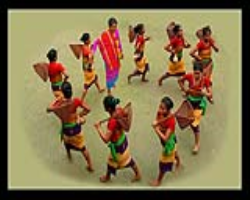
4. The Historic Supreme Court Precedent: Bhaiya Ram Munda v. Anirudh Patar (1970)
The modern legal status of the Patar community holds a prominent place in Indian constitutional history. Few tribal groups have had their identity and constitutional safeguards analysed in such rigorous detail by the highest court of the land.
The Dispute: Tamar Constituency (1969)
In the 1969 mid-term assembly elections of unified Bihar, Anirudh Patar contested and won the Tamar legislative seat, which was reserved exclusively for members of the Scheduled Tribes under Section 5 of the Representation of the People Act, 1951.
His election was challenged by the runner-up, Bhaiya Ram Munda, who filed an election petition asserting that while “Munda” was explicitly listed in the Constitution (Scheduled Tribes) Order, 1950, the term “Patar” was not mentioned as a distinct entry. The petitioner argued that Patars were an integrated caste group influenced by neighbouring Hindu rituals, rather than genuine Scheduled Tribe members.

The Legal Question
The Supreme Court bench, led by Justice J.C. Shah, addressed a pivotal constitutional question: Can an individual belonging to an unlisted sub-tribe or regional denomination produce anthropological and historical evidence to prove they belong to an officially recognised Scheduled Tribe category?
The Verdict and its Enduring Significance
On August 14, 1970, the Supreme Court delivered a landmark judgement upholding Anirudh Patar’s election. Drawing extensively upon expert anthropological literature, administrative survey records, and village testimonies, the Court established:
┌──────────────────────────────────────────────────────────────────────────────┐
│  Key Takeaways: Bhaiya Ram Munda v. Anirudh Patar (1970) AIR 2097 / SCR 808  │
├──────────────────────────────────────────────────────────────────────────────┤
│ 1. Sub-Tribe Integration: Patars are fundamentally a recognized sub-tribe    │
│    (Mahali Mundako) of the broader Munda Scheduled Tribe.                    │
│                                                                              │
│ 2. Substance Over Nomenclature: The absence of a regional term ("Patar")     │
│    in Presidential notifications does not invalidate constitutional rights   │
│    if verifiable ethnic identity demonstrates inclusion in the root tribe.   │
│                                                                              │
│ 3. Anthropological Proof: Recognized the foundational research of Sarat      │
│    Chandra Roy and Dr. Sachchidananda as valid legal evidence for tribal     │
│    classification.                                                           │
│                                                                              │
│ 4. Cultural Acculturation Does Not Nullify Tribal Status: Adoption of        │
│    certain regional customs or Hindu rituals due to geographic contact       │
│    does not strip an indigenous community of its innate Adivasi identity.    │
└──────────────────────────────────────────────────────────────────────────────┘
This judgement remains an indispensable legal precedent cited across Indian high courts regarding Article 342, electoral eligibility, and the administrative recognition of sub-tribes and synonym nomenclatures.
5. Socio-Economic Realities and Human Development Indicators
Despite constitutional recognition and the resource wealth of Jharkhand, the lived reality of Patar families across rural Tamar, Khunti, and Saraikela-Kharsawan reflects systemic developmental marginalisation.
                     ┌──────────────────────────────────────────────┐
                     │   Human Development Landscape of Patars     │
                     └──────────────────────┬───────────────────────┘
                                            │
         ┌──────────────────┬───────────────┴───────────────┬──────────────────┐
         ▼                  ▼                               ▼                  ▼
┌─────────────────┐┌─────────────────┐             ┌─────────────────┐┌─────────────────┐
│   Agriculture   ││   Healthcare    │             │   Education     ││    Migration    │
│ Subsistence-led;││Malnutrition, IMR│             │  Primary drop-  ││ Seasonal exodus │
│ rain-dependent  ││ & health voids  │             │ outs; language  ││ to brick kilns  │
└─────────────────┘└─────────────────┘             └─────────────────┘└─────────────────┘
1. Agrarian Livelihoods and Economic Vulnerability
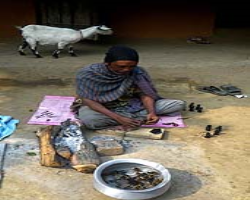
The Patar economy is overwhelmingly agrarian and forest-dependent.
-
Monsoon-Dependent Farming: A significant majority of Patar farmers own small, fragmented plots of un-irrigated upland (Tanr) and low-lying terraced valleys (Don). They grow single-crop seasonal paddy, pulses (kurthi, arhar), and millets. When rains falter, crop yields plummet, leaving families exposed to severe food insecurity.
-
Non-Timber Forest Produce (NTFP): Between agricultural cycles, households supplement their incomes by gathering forest products: Mahua flowers (distilled into traditional spirits or boiled as nutrient supplements), Sal leaves (stitched into dining plates), tendu leaves, wild mushrooms (rugran, putoo), and lac. Middlemen often capture the value chain, paying meager rates for unrefined forest goods.
2. Educational Barriers and Linguistic Disconnect
While literacy rates have risen over recent decades, educational attainment in the Patar heartland remains constrained:
-
The Mother-Tongue Gap: Patar children grow up speaking Mundari or Panchpargania at home. When entering government primary schools, they encounter curricula taught in standard Hindi. This linguistic gap creates early comprehension challenges and contributes to school dropouts by middle school.
-
Infrastructure Deficits: Secondary schools and degree colleges remain concentrated in larger towns like Khunti or Ranchi. High transportation costs and poor rural road connectivity force youth—particularly young girls—to end their formal schooling prematurely.
3. Public Health and Nutrition Realities
-
Child and Maternal Malnutrition: Rural indices across Khunti and rural Ranchi reveal high rates of child stunting and anemia among tribal mothers. Monotonous diets centered on starch without adequate animal protein, milk, or leafy vegetables leave families vulnerable to micronutrient deficiencies.
-
Healthcare Desert: Primary Health Centres (PHCs) frequently face staffing and supply shortages. In urgent medical situations, villagers must navigate poor roads to reach subdivided district hospitals, often relying on local folk healers (Ojhas) before seeking institutional care.
4. Seasonal Distress Migration
Because local agriculture only offers viable employment for four to five months a year, seasonal distress migration is widespread.
-
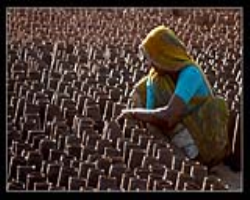
Between November and May, entire Patar households migrate to the brick kilns of West Bengal, Uttar Pradesh, and Bihar, or to construction sites in metropolitan centers like Bengaluru, Mumbai, and New Delhi.
-
At these destinations, workers endure exploitative hours, substandard sanitation, unsafe working conditions, and minimal labor protections.
-
Migration also disrupts children’s schooling, perpetuating intergenerational cycles of educational disadvantage and low wages.
6. Key Challenges Facing the Patar Community Today
The challenges confronting the Patar tribe intersect with broader political, ecological, and administrative pressures across modern tribal India.
Land Alienation and Chotanagpur Tenancy (CNT) Act Violations
Enacted by the British colonial administration in 1908 in the aftermath of Bhagwan Birsa Munda’s historic Ulgulan (rebellion), the Chotanagpur Tenancy (CNT) Act strictly prohibits the transfer of tribal land to non-tribal individuals through sale, gift, or fraudulent mortgage.
However, in the Tamar and Panch Pargana tracts, Patars face persistent pressures on their ancestral lands:
-
Urban and Infrastructural Expansion: Road widening projects, industrial growth corridors, and real estate sprawl from nearby Ranchi have driven up land values.
-
Legal Loopholes: Unscrupulous intermediaries exploit bureaucratic mechanisms to lease or transfer tribal land under ambiguous clauses.
-
Loss of Khuntkatti Protections: Where revenue documents fail to record original lineage trees (Khatiyan), Patars find it increasingly difficult to legally defend their ancestral plots against encroachment.
The Ongoing Forest Rights Struggle (FRA, 2006)
The Scheduled Tribes and Other Traditional Forest Dwellers (Recognition of Forest Rights) Act, 2006 (FRA) was enacted to right historical injustices by granting titles for individual forest homesteads and Community Forest Rights (CFR).
Across Patar villages, however, the implementation of CFR remains slow:
-
Commercial forestry and conservation initiatives sometimes restrict Patars from accessing grazing zones and seasonal forest foods, curbing their customary livelihoods without adequate alternatives.
Identity, Bureaucratic Ambiguity, and Administrative Hurdles
Decades after the 1970 Supreme Court verdict, local bureaucratic confusion still flares up regarding caste certification:
-
In certain revenue registers, colonial patta surveys, and land deeds, ancestors were recorded simply as “Patar” or “Patar Munda” rather than standard “Munda”.
-
Local block-level revenue officers (Circle Officers) sometimes hesitate to issue standard Scheduled Tribe (Munda) certificates to youth with “Patar” listed on their genealogical land records.
-
This clerical friction creates immense distress for students and job seekers trying to access higher education admissions, state welfare scholarships, or public sector employment reservations.
Cultural Dilution and Rapid Modernisation
As globalization, satellite television, and smartphone usage reach remote villages, the traditional cultural institutions of the Patars face significant transformation:
-
Generational Language Shift: Fewer members of the younger generation are fluent in traditional Mundari, increasingly favoring regional Hindi or Sadri dialects.
-
Decline of the Akhra: The village Akhra (the central cultural ground for community dialogue, communal dancing, and folk performance) is losing its role as the hub of village life, giving way to private digital entertainment.
-
Loss of Traditional Botanical Knowledge: Elders who held deep knowledge of forest medicinal herbs, edible tubers, and indigenous ecological rhythms are passing away without systematic transmission of their wisdom to younger generations.
7. Human Development Comparison: Tribal vs. All-India Averages
To put the developmental realities facing communities like the Patar in context, the table below highlights national averages alongside broader Scheduled Tribe trends across central-eastern India:
| Development Parameter | General Indian Average | Scheduled Tribe (ST) Average | Key Structural Impact on Communities like the Patars |
| Literacy Rate | ~77.7% | ~59.0% | Widened mother-tongue gap; high post-primary school dropout rate. |
| Multidimensional Poverty | ~14.9% | ~27.1% | Heavy dependence on single-crop farming and precarious seasonal labor. |
| Child Stunting (Under 5) | ~35.5% | ~41.2% | Chronic dietary shortfalls; poor access to diverse, protein-rich diets. |
| Access to Piped Water | Moderate / Expanding | Low in hilly uplands | Daily manual labor for women fetching water from village open wells and streams. |
| Land Tenure Security | Civil Property Law | Customary CNT Act / FRA | Lingering bureaucratic hurdles over ancestral Khuntkatti land records. |
8. The Way Forward: Policy Reforms and Sustainable Empowerment
Empowering the Patar community requires policy solutions that respect their unique indigenous heritage while expanding access to modern opportunities.
┌─────────────────────────────────────────────────────────────────────────────┐
│                       Roadmap for Patar Empowerment                         │
├─────────────────────────────────────────────────────────────────────────────┤
│  1. Administrative Clarity: Standardize automated ST certificate issuance   │
│     aligning with the Supreme Court's 1970 precedent.                       │
│                                                                             │
│  2. Multilingual Education: Introduce early primary curricula bridging      │
│     Mundari / Panchpargania to Hindi.                                       │
│                                                                             │
│  3. Agrarian Resilience: Expand solar drip irrigation, check-dams, and      │
│     direct tribal procurement cooperatives for forest produce.              │
│                                                                             │
│  4. Strengthening Grassroots Democracy: Fully empower Gram Sabhas under     │
│     PESA, 1996 for natural resource and land stewardship.                   │
│                                                                             │
│  5. Cultural Documentation: Support community-led digital archives of       │
│     Patar oral history, folk music, and indigenous botany.                  │
└─────────────────────────────────────────────────────────────────────────────┘
1. Resolving the ST Certification Bottleneck
The Jharkhand Department of Welfare and Social Justice should issue unambiguous, uniform guidelines to all district administrations and Circle Offices:
-
Reiterate that members of the Patar community whose land deeds show “Patar” or “Patar Munda” are recognized under the constitutional umbrella of the Munda Scheduled Tribe, in full alignment with Bhaiya Ram Munda v. Anirudh Patar (1970).
-
Streamline digital issuing systems to eliminate arbitrary discretionary rejections at the block level, protecting students from missing out on educational seats and public employment.
2. Mother-Tongue-Based Multilingual Education (MLE)
-
Implement Early Childhood Care and Education (ECCE) in Mundari and Panchpargania dialects across anganwadis and primary schools in the Tamar-Khunti belt.
-
Train and recruit local bilingual educators who can create transition-level reading materials, preserving indigenous identity while helping children build confidence in standard Hindi and English.
3. Sustainable Agricultural and Livelihood Diversification
-
Micro-Irrigation and Check Dams: Invest in rainwater harvesting reservoirs, solar-powered lifting irrigation, and check-dams along rivers like the Kanchi and Subarnarekha. Reliable second-crop irrigation for winter vegetables (cauliflower, tomatoes, green peas) can drastically curb seasonal migration.
-
Farmer Producer Organizations (FPOs): Establish tribal-run cooperatives to process, pack, and brand local forest produce—such as organically certified Lac, Mahua products, and Sal-leaf tableware—ensuring that economic profits flow directly to local harvesters rather than outside traders.
4. Genuine Grassroots Governance under PESA
Under the Panchayats (Extension to Scheduled Areas) Act, 1996 (PESA), village assemblies (Gram Sabhas) hold constitutional primacy over local affairs:
-
Ensure Patar Gram Sabhas are directly consulted prior to land acquisitions, mining permits, or major water projects.
-
Vest full control of minor forest produce and community ponds with the local Gram Sabha, reaffirming traditional tribal institutions like the Parha Panchayat.
5. Preserving Oral Traditions and Living Heritage
-
Support community-led audio and video archiving of traditional songs (durang), ceremonial dance forms (susun), and oral histories of the Tamar rebellions.
-
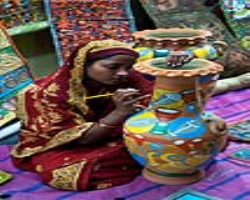
Fund tribal youth academies focused on indigenous musical instruments like the Mandar, Nagada, and bamboo flutes, blending cultural pride with avenues for regional eco-tourism and cultural performance arts.
Reflections on an Enduring Community
The story of the Patar tribe illustrates the strength and challenges of India’s indigenous peoples. Rooted in the ancient forests and rock-carved hills of Chotanagpur, the Patars have maintained an ecological and spiritual balance through centuries of feudal transformation, colonial intrusion, and legal dispute. Their social fabric—grounded in totemic respect for nature, collective village solidarity, and ancestor reverence—offers valuable lessons for a modern world seeking sustainable ways to coexist with the environment.
Moving forward, the Patar community should not have to choose between their indigenous heritage and modern human development. With targeted policy implementation, secure land and forest rights, and equitable access to healthcare and education, this ancient community can maintain its cultural foundation while playing a vibrant role in modern India’s democratic landscape.
