CULTURAL IMPORTANCE OF MEDICINAL HERBS

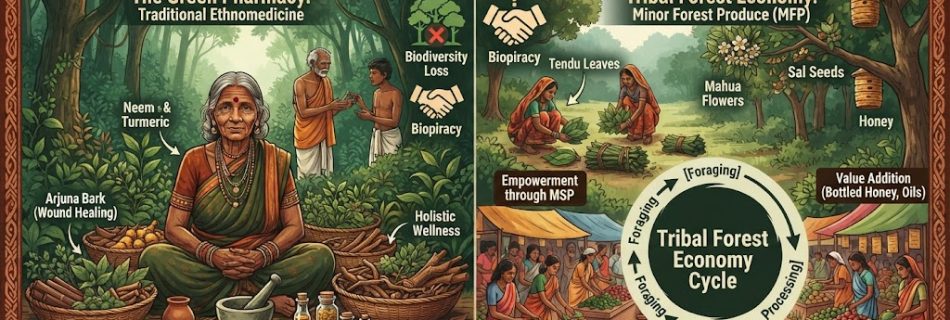
THE CULTURAL IMPORTANCE OF MEDICINAL HERBS: A JOURNEY THROUGH ETHNOBOTANY, ANCIENT TEXTS, AND MODERN SCIENCE Long before synthetic pills were packaged in sterile plastic bottles and shipped across global supply chains, humanity relied on the living pharmacy blooming right outside our doorsteps. Medicinal herbs are far more than mere chemical factories synthesizing pharmacologically active compounds; …
ANCIENT TRADITIONS OF INDIGENOUS FESTIVALS

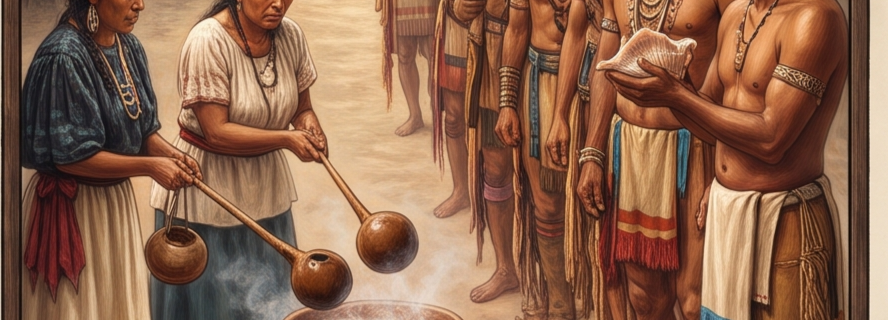
Introduction: ANCIENT TRADITIONS OF INDIGENOUS FESTIVALS An examination of the ancient traditions of indigenous festivals reveals that contemporary celebrations are being adapted to align with the present day, with efforts made to render them even more engaging. Every autumn, millions of people gather to watch vibrant autumn leaves fall, set off fireworks, or share large …

Nature, Forest & Agriculture: A Seasonal Celebration

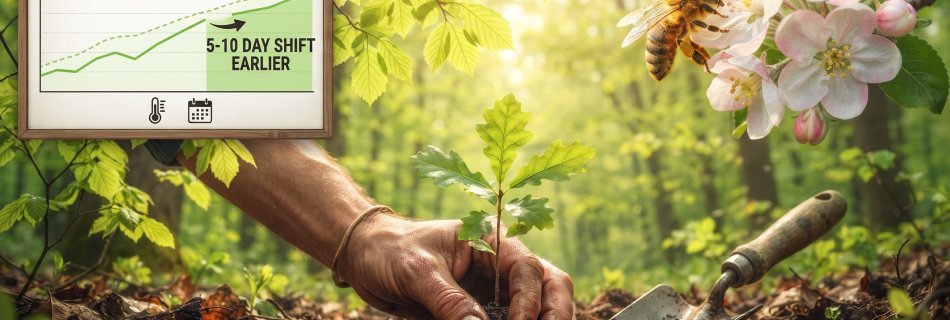
1. Introduction: The Great Symphony of Earth’s Living Cycles If you stand at the edge of an ancient temperate forest as the bitter chill of winter begins to crack open, you can almost hear the gears of the planet shifting. For billions of humans living in concrete towers and digital bubbles, it is easy to …

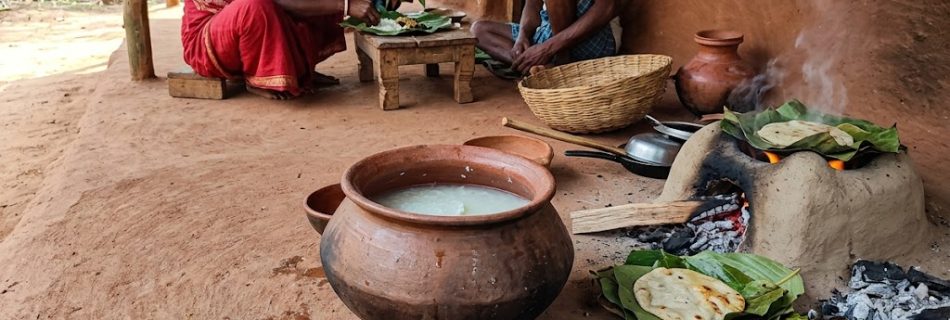
Traditional Tribal Food of India

Gorait Tribe

The Gorait Tribe: Heritage, Cultural Identity, and the Struggle for Survival in Modern India Introduction: The Hidden Voices of India’s Indigenous Landscape India’s tribal heritage encompasses over 700 distinct Scheduled Tribes, each preserving unique linguistic, spiritual, and social customs. While prominent communities such as the Santhal, Gond, Bhil, and Munda frequently anchor academic, political, and …

Saihriem Tribe

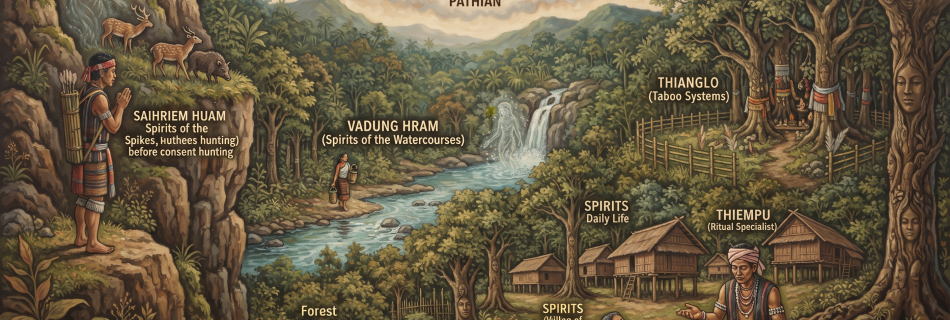
The Untold Chronicle of the Saihriem Tribe: Heritage, Cultural Resilience, and the Quest for Identity in Modern India Nestled within the undulating hills, fertile river basins, and mist-veiled forests of Northeast India lives one of the region’s most culturally distinctive yet frequently overlooked indigenous communities: the Saihriem people. Classified anthropologically within the broader Kuki-Chin-Mizo ethnolinguistic …

UNTOLD WOMEN'S TRIBAL STRUGGLES

UNTOLD WOMEN’S TRIBAL STRUGGLES

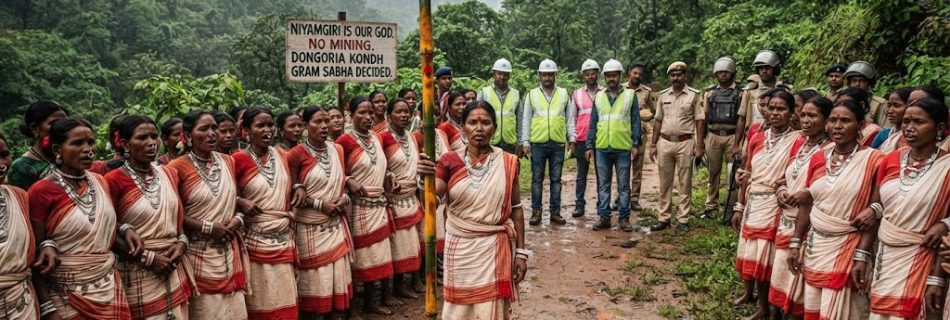
UNTOLD WOMEN’S TRIBAL STRUGGLES: THE SILENT CHRONICLES OF COURAGE, RESISTANCE, AND UNTOLD HISTORY INTRODUCTION: THE WHISPERS BENEATH THE CANOPY History is often written by the victors, carved into monuments of stone and ink-stained pages of official archives. But true history—the living, breathing soul of a civilisation—is preserved in the calloused hands of those who tend …

Art and Handicrafts of India

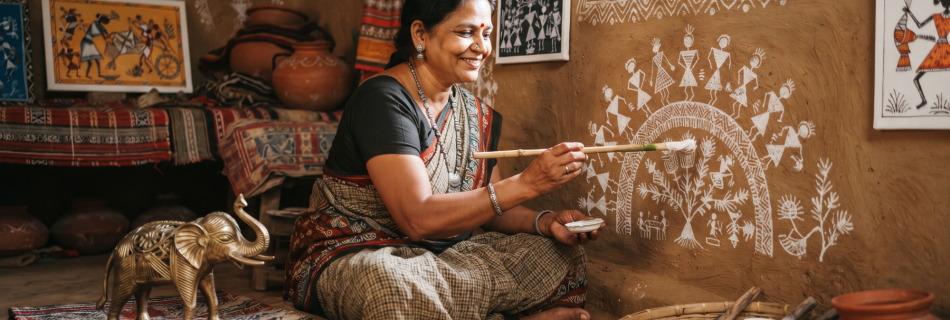
Tribal Art and Handicrafts of India: A Comprehensive Deep Dive into Heritage, Livelihoods, and Contemporary Relevance Author’s Note: Why This Blog Post Matters and What Drives This Exploration Every piece of Art and Handicrafts tells a story, but Indian tribal art tells the story of human resilience, cosmological connection, and an unbroken lineage of sustainable …

FESTIVALS AND THEIR CONNECTION TO NATURE

FESTIVALS AND THEIR CONNECTION TO NATURE

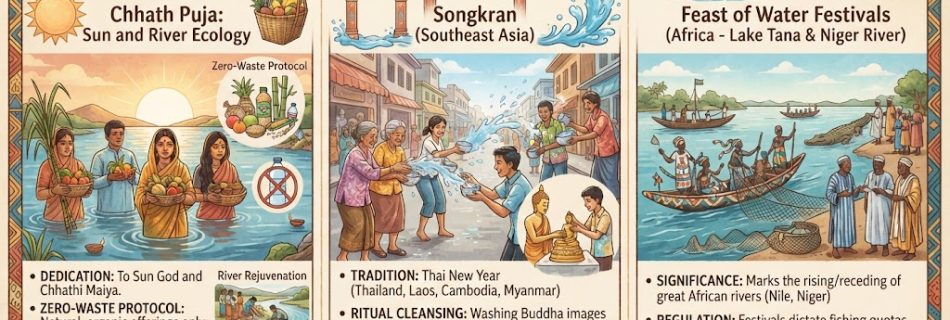
FESTIVALS AND THEIR CONNECTION TO NATURE: A CELEBRATION OF THE EARTH, SEASONS, AND SACRED ECOLOGY INTRODUCTION: THE ANCIENT PULSE OF THE EARTH Across civilisations, continents, and millennia, human culture has never existed in isolation from the natural world. Long before the rise of concrete metropolises, digital screens, and industrial rhythms, our ancestors lived in profound …

How Indian tribes depend on the forest

How Indian tribes depend on the forest

How Indian Tribes Depend on the Forest Spanning dense tropical canopies, rolling hills, and river valleys across the subcontinent, India’s forests are far more than ecological landscapes; they are ancestral homes, grocery stores, pharmacies, and cathedrals. Home to over 100 million indigenous people—locally known as Adivasis—belonging to hundreds of distinct Scheduled Tribes (STs), these ecosystems …

Some Traditional Indigenous Wisdom

Some Traditional Indigenous Wisdom

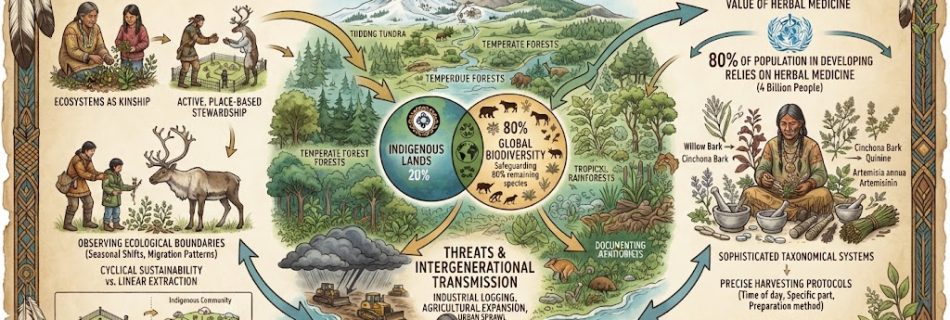
NATURE: Some Traditional Indigenous Wisdom Some traditional Indigenous wisdom: knowledge systems are fundamentally rooted in an intricate, reciprocal relationship with the natural world. Far from viewing nature as a mere commodity or a passive resource pool to be exploited, indigenous worldviews across diverse geographical coordinates—from the Arctic tundra to tropical rainforests—conceptualise ecosystems as living, breathing …